
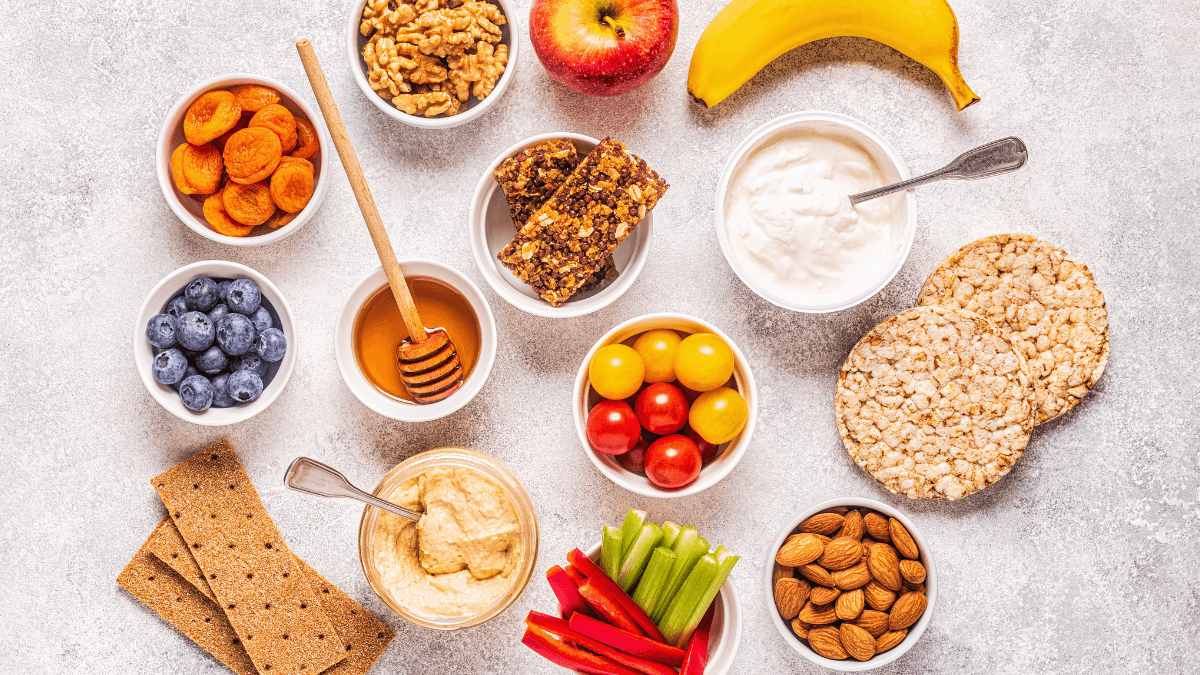
Healthy snacks for weight loss work best when they help manage hunger, add useful nutrients, and fit your total eating pattern. No single snack causes weight loss on its own. The most helpful options usually combine protein, fiber-rich carbohydrates, and a planned portion you can repeat without much effort.
This matters because snacking can help or hinder progress. A snack may prevent intense hunger before dinner, but it can also add extra energy if portions keep growing. The goal is not to snack perfectly. It is to choose foods that make your next meal easier to manage.
Key Takeaways
- No single best snack: Look for protein, fiber, and portion control.
- High-protein options help: Greek yogurt, eggs, edamame, and cottage cheese are practical choices.
- Low-calorie is not enough: A snack should also be satisfying.
- Timing matters: Night snacks and work snacks need different planning.
- Medical context counts: Diabetes, pregnancy, kidney disease, and weight-loss medicines can change snack needs.
How Healthy Snacks for Weight Loss Actually Help
Healthy snacks for weight loss help most when they solve a specific problem. That problem may be long gaps between meals, afternoon cravings, exercise recovery, or hunger caused by a light breakfast. A planned snack can reduce impulsive choices later in the day.
The strongest snack pattern is simple: include protein, add fiber, and keep the portion visible. Protein slows digestion and supports fullness. Fiber adds volume and helps meals feel more satisfying. Unsaturated fats from foods like nuts or avocado can help, too, but portions matter because fats are energy dense.
Why it matters: A snack should make your day easier, not create another food rule.
People often ask for the best snack for losing weight. A better question is: which snack keeps you satisfied until your next planned meal? For one person, that might be Greek yogurt with berries. For another, it may be hummus with vegetables or a hard-boiled egg with fruit.
Snacks also need to fit your overall meals. If breakfast and lunch are low in protein, late-day cravings may feel stronger. If dinner is very small, late-night hunger may reflect under-eating rather than poor willpower. For a broader foundation, the Weight Loss Tips article covers habits that support eating patterns beyond snacks.
Ten Snack Ideas Built Around Protein, Fiber, and Portions
The following ideas are flexible examples, not rigid prescriptions. Choose portions based on your hunger, health needs, and meal timing. If you track calories or carbohydrates, use nutrition labels or a food database instead of guessing.
| Snack Idea | Why It Can Help | Simple Portion Cue |
|---|---|---|
| Greek yogurt with berries | Protein from yogurt plus fiber from berries can support fullness. | Use plain yogurt and add fruit for sweetness. |
| Cottage cheese with sliced fruit | This option offers protein and a sweet taste without much prep. | Spoon it into a small bowl before eating. |
| Hummus with vegetables | Chickpeas add fiber, while vegetables add volume and crunch. | Serve hummus separately instead of eating from the tub. |
| Edamame | Edamame provides plant protein and fiber in one food. | Choose a bowl-sized serving and season lightly. |
| Apple slices with nut butter | Fruit adds fiber, while nut butter adds fat and satisfaction. | Measure nut butter if portions tend to grow. |
| Air-popped popcorn with a protein add-on | Popcorn is high volume, but protein improves staying power. | Pair it with yogurt, cheese, or roasted legumes. |
| Hard-boiled egg with vegetables | Eggs provide protein in a portable form. | Add cucumbers, tomatoes, or peppers for volume. |
| Tuna or salmon pouch with whole-grain crackers | Fish offers protein and can work when refrigeration is limited. | Choose crackers by label, then plate the portion. |
| Roasted chickpeas or roasted chana | This crunchy option suits people who want a savory snack. | Pre-portion into a small container or bag. |
| Chia pudding or overnight oats | Chia, oats, and yogurt can combine fiber and protein. | Prepare single containers to reduce grazing. |
These healthy snacks for weight loss recipes can be adapted for different cuisines. For Indian-inspired snacks, roasted chana, spiced yogurt with cucumber, sprouted moong chaat, or paneer with vegetables may fit well. Watch fried additions, sweet chutneys, and oversized portions, since those can change the snack’s role quickly.
Packaged snacks can also fit. Look for protein, fiber, and reasonable sodium or added sugar. A snack bar with a long ingredient list is not automatically unhealthy, but it should meet a real need. For more snack-building basics, see Healthy Snacking.
Matching a Snack to Your Day
The best snack changes with the situation. A work snack, night snack, and craving snack each need a different plan. Thinking through the setting helps you choose before hunger peaks.
For Work Without a Fridge
Healthy snacks for work with no fridge should be stable, neat, and easy to portion. Options may include roasted chickpeas, unsweetened nut mixes, tuna pouches, whole-grain crackers, shelf-stable milk cartons, fruit, or single-serve nut butter packets. If you have diabetes, kidney disease, high blood pressure, or food allergies, label reading matters more.
Keep one snack in a desk drawer, bag, or car only if heat and food safety allow it. Avoid relying only on crackers, candy, or sweet drinks. They may satisfy briefly but can leave some people hungry soon after.
For Night Hunger
Healthy snacks for weight loss at night should be planned, not improvised from the pantry. If you are truly hungry, choose something modest with protein or fiber. Examples include yogurt, cottage cheese, a boiled egg, fruit with nut butter, or vegetables with hummus.
Night snacking becomes harder when dinner is too small, sleep is short, or evening screen time pairs with grazing. If you often feel out of control around food at night, treat that as useful information. It may point to stress, restriction earlier in the day, or an eating pattern that needs professional support.
For Junk Food Cravings
Cravings usually need a realistic substitute, not a lecture. If you want something crunchy, try popcorn, roasted chickpeas, cucumber slices with dip, or whole-grain crackers with cheese. If you want something sweet, try fruit with yogurt, chia pudding, or a small portion of dark chocolate with nuts.
It is also reasonable to include foods you enjoy in planned portions. Completely banning favorite foods can backfire for some people. A flexible plan often works better than a strict one that feels impossible to maintain.
Portion Planning Without Turning Snacks Into a Rulebook
Healthy snacks for weight loss need portions that match your day. A snack after a balanced lunch may be small. A snack before a late dinner may need more protein and fiber. A snack after exercise may serve a different purpose than a snack eaten from boredom.
Calories are only one part of the picture. Very low-calorie snacks can help if you mainly want volume, but they may not satisfy hunger for long. Higher-protein snacks may be more filling, even when they contain more energy. This is why comparing snacks only by calorie count can be misleading.
If you want a general estimate of daily energy needs, this calculator can help frame snack portions within a bigger pattern. It estimates BMR and total daily energy expenditure, but it does not replace advice from a clinician or registered dietitian.
Calorie & TDEE Calculator
Estimate resting energy needs and daily calorie range from age, sex, body size, and activity level.
Hold Ctrl or Cmd to select more than one calculator.
These calculations are for education only and do not replace clinical advice, diagnosis, or treatment. Always confirm medical decisions with a qualified healthcare professional.
Use labels for packaged foods. Check serving size, protein, fiber, added sugars, saturated fat, and sodium. A package that looks like one serving may contain more than one. If you prefer 100-calorie snacks for weight loss, choose ones that still have some staying power, such as yogurt, fruit with protein, roasted legumes, or a small nut portion.
Quick tip: Plate the snack before eating, even when it comes from a bag.
For meals around snacks, a structured plan can help some people see gaps. The Seven-Day Diet Plan offers a broader meal-planning perspective. If you are comparing nutrient-dense foods, Superfoods for Weight Loss explains why single foods should not be treated as magic solutions.
Medical Context: Diabetes, Medications, and Special Diet Needs
Snack choices may need adjustment if you live with diabetes, take insulin or medicines that can cause low blood sugar, have kidney disease, are pregnant, have gastroparesis, or have a history of an eating disorder. In these cases, carbohydrate targets and snack timing should be individualized.
For people who use insulin or sulfonylureas, snacks may affect blood glucose and hypoglycemia risk. Do not change medication doses because of a snack article. If you have repeated lows, repeated highs, or symptoms such as confusion, fainting, severe weakness, or vomiting, seek medical guidance promptly.
People taking GLP-1 medicines or other weight-management treatments may notice smaller appetite, nausea, or changes in meal tolerance. Smaller snacks may feel better, but protein and fluids still matter. For more context, see GLP-1 Medications and Diet.
Sugar-free foods also deserve attention. Some use sugar alcohols, which can cause digestive symptoms in certain people. The Sugar Alcohols resource explains common sweeteners and side effects in more detail.
If you are unsure how snacks fit your health needs, a registered dietitian can help translate goals into portions and food choices. This is especially useful when weight goals overlap with diabetes, kidney disease, pregnancy, athletic training, or medication side effects.
When a Snack Is Not Enough
A snack cannot fix an eating pattern that is too restrictive. If you feel hungry all day, review meal size, protein intake, fiber intake, sleep, stress, and activity level. Sometimes the answer is a better breakfast or lunch, not another snack.
Be cautious with rapid weight-loss goals. Losing 10 pounds in 2 weeks is not realistic or safe for many people, and early scale changes may reflect water, glycogen, or digestive contents rather than body fat. People with medical conditions should avoid aggressive changes unless supervised.
Snacking also overlaps with alcohol, sweet drinks, and weekend routines. These patterns can add energy without much fullness. If that is relevant, Alcohol and Weight Loss explains how drinking can affect appetite, calories, and decisions around food.
For ongoing reading, the Weight Management hub organizes related nutrition, lifestyle, and treatment topics. Use it as a browsing page, not as a substitute for personal care.
Authoritative Sources
- USDA MyPlate food group guidance outlines balanced food-group choices for everyday meals.
- CDC guidance on losing weight emphasizes sustainable eating, activity, and behavior changes.
- NIDDK eating and activity guidance reviews weight management basics for adults.
Healthy snacks for weight loss are most useful when they are planned, satisfying, and realistic. Start with protein and fiber, match the portion to your day, and adjust for medical needs when they apply.
This content is for informational purposes only and is not a substitute for professional medical advice.


