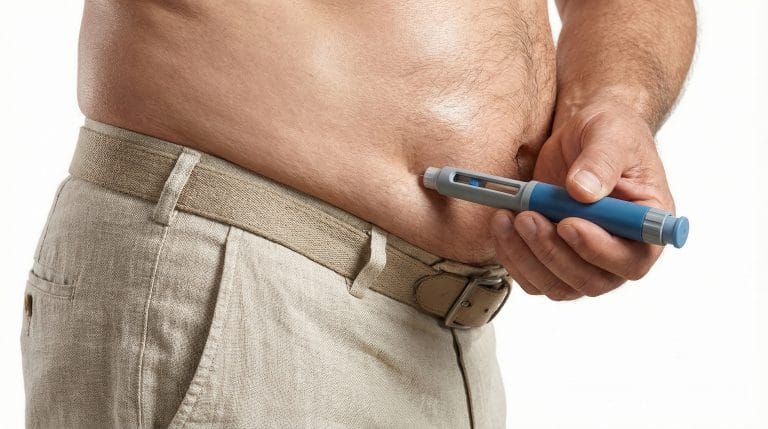

Covid and diabetes can interact in two main ways: infection may push glucose higher or lower, and diabetes can raise the risk of severe illness. This matters because blood sugar swings can continue after fever or cough improves, especially when appetite, hydration, activity, sleep, and medicines have been disrupted.
This page explains why glucose can change during and after COVID-19, when to seek urgent help, and what recovery monitoring usually involves.
Key Takeaways
- COVID-19 can raise glucose through stress hormones, inflammation, dehydration, and reduced activity.
- Blood sugar may also drop if appetite falls while glucose-lowering medicines continue working.
- People with type 1 diabetes need a ketone plan because illness can increase diabetic ketoacidosis risk.
- Persistent high readings after recovery deserve follow-up, especially with new thirst, urination, fatigue, or weight loss.
- Do not change insulin or other diabetes medicines without guidance from your clinician.
Covid and Diabetes: Why Blood Sugar Can Change
COVID-19 can disrupt glucose control even before severe symptoms appear. Infection activates the immune system, and the body releases stress hormones that can make insulin work less effectively. This short-term insulin resistance can lead to hyperglycemia (high blood sugar), especially in people already managing diabetes.
Daily routines also change during illness. You may eat less, drink less, sleep poorly, move less, or miss usual meals. Fever and faster breathing can increase fluid loss. Dehydration can concentrate glucose in the blood and make high readings harder to interpret. On the other side, nausea, vomiting, or poor intake can contribute to hypoglycemia (low blood sugar), particularly when insulin or sulfonylurea medicines are still active.
Some treatments used for significant COVID-19 can also affect glucose. Corticosteroids, for example, are known to raise blood sugar in many people. That does not mean they are wrong for every person; it means monitoring and communication with the care team matter during treatment.
Why it matters: Glucose changes can outlast the most obvious respiratory symptoms.
How COVID-19 Can Differ in Type 1 and Type 2 Diabetes
Covid and diabetes can look different depending on diabetes type, baseline glucose control, age, other conditions, and illness severity. Many people recover at home, but diabetes is a recognized risk factor for more serious COVID-19 outcomes. Risk is often higher when glucose is persistently high or when heart, kidney, lung, or immune problems are also present.
In type 1 diabetes, illness can raise the risk of diabetic ketoacidosis, often called DKA. DKA is an emergency caused by insulin shortage and acid buildup in the blood. Warning signs can include nausea, vomiting, abdominal pain, deep or rapid breathing, fruity-smelling breath, confusion, and high ketones. People with type 1 diabetes should follow their sick-day plan and use ketone testing if their clinician has recommended it.
In type 2 diabetes, COVID-19 may worsen insulin resistance and make usual medicines seem less predictable. Some people also have kidney disease or heart disease, which can affect treatment decisions during acute infection. If you are unsure whether diabetes changes your infection risk, the Are Diabetics Immunocompromised resource gives more context.
Vaccination and prevention planning can also reduce avoidable risk. For a focused discussion of vaccination questions, see Diabetes And COVID Vaccine.
How Long Blood Sugar Swings May Last
There is no single timeline for blood sugar changes after COVID-19. Some people see readings settle as fever, appetite, hydration, and sleep improve. Others notice post-COVID blood sugar fluctuations for days or weeks, especially after a severe infection, steroid treatment, weight change, or reduced activity.
With covid and diabetes, a useful question is whether readings are gradually returning toward your usual pattern. A few higher readings during illness are different from persistent highs, repeated lows, or new symptoms that continue after recovery. Keep notes on glucose readings, meals, fluid intake, medicines, temperature, and symptoms if your care team asks for details.
Follow-up is especially important if you develop new excessive thirst, frequent urination, blurry vision, unexplained weight loss, unusual fatigue, or repeated infections. These symptoms can reflect ongoing hyperglycemia, but they need proper evaluation rather than self-diagnosis.
Monitoring and Recovery Steps to Discuss With Your Care Team
Practical monitoring after COVID-19 starts with your existing diabetes plan. If you already have a sick-day plan, use it as written and ask for clarification when readings fall outside your usual range. If you do not have one, consider asking your clinician what to do during fever, vomiting, reduced food intake, or persistent high readings.
- Check more often: follow the frequency your plan recommends during illness.
- Track symptoms: note fever, vomiting, breathing changes, and hydration.
- Keep fluids nearby: dehydration can worsen high readings.
- Review ketone guidance: especially for type 1 diabetes or insulin-treated illness.
- Confirm medication rules: ask before holding or changing prescribed medicines.
- Share patterns: send logs if your clinic requests them.
If your meter, lab report, or care team uses different glucose units, a converter can help compare mg/dL and mmol/L. It does not interpret whether a result is safe for you.
Blood Glucose Unit Converter
Convert glucose readings between mg/dL and mmol/L without changing the clinical value.
These calculations are for education only and do not replace clinical advice, diagnosis, or treatment. Always confirm medical decisions with a qualified healthcare professional.
Quick tip: Compare trends over several readings, not one isolated number.
Seek urgent medical care if you have trouble breathing, chest pain, bluish lips or face, severe weakness, confusion, signs of dehydration, inability to keep fluids down, severe low blood sugar, or symptoms of DKA. Also seek help if ketones are moderate or high according to your care plan, or if high glucose does not improve using instructions already given by your clinician.
Can COVID-19 Cause New Diabetes?
COVID-19 has been linked with new hyperglycemia and new diabetes diagnoses, but the relationship is complex. Infection may trigger stress hyperglycemia in people without known diabetes. It may also uncover diabetes that was already developing but had not been diagnosed. Researchers are also studying whether SARS-CoV-2 can affect insulin-producing beta cells or immune pathways in some people.
The link between covid and diabetes does not mean every infection causes diabetes. It also does not prove that every post-COVID high reading will become permanent. Some glucose changes improve after recovery, while others persist and need formal diagnosis and long-term follow-up. A clinician may use tests such as fasting glucose, A1C, or other assessments to clarify the pattern.
Possible type 1 diabetes after COVID-19 is still being studied. Any child, teen, or adult with marked thirst, frequent urination, weight loss, vomiting, or deep breathing should be evaluated promptly, regardless of whether COVID-19 happened recently. For medication-related research context, Metformin And Long COVID discusses one area of ongoing interest without replacing medical guidance.
Other Infections and Complications During Recovery
Recovery is not only about the virus itself. High glucose can make some infections harder to clear, and illness can make skin, urinary, and fungal symptoms easier to miss. Watch for localized pain, spreading redness, fever returning after improvement, painful urination, unusual discharge, or wounds that are slow to heal.
Skin infections need timely attention because redness can spread quickly in some people with diabetes. The Cellulitis And Diabetes resource explains why skin changes should not be ignored. Fungal symptoms are also common in some people with high glucose; Diabetes And Fungal Infections covers signs that may need assessment.
Urinary symptoms after illness deserve care as well, especially with fever, back pain, vomiting, pregnancy, kidney disease, or repeated infections. For background, see UTI And Diabetes.
Authoritative Sources
- The American Diabetes Association explains COVID-19 and diabetes risks for people living with the condition.
- The International Diabetes Federation outlines COVID-19 guidance for diabetes prevention, monitoring, and illness planning.
- An NIH-indexed review summarizes new-onset diabetes after COVID-19 and the limits of current evidence.
For broader reading on covid and diabetes prevention, recovery, and related infection topics, browse the Diabetes Articles hub or the Infectious Disease Articles hub. For prescription navigation, CanadianInsulin.com functions as a prescription referral platform.
This content is for informational purposes only and is not a substitute for professional medical advice.