
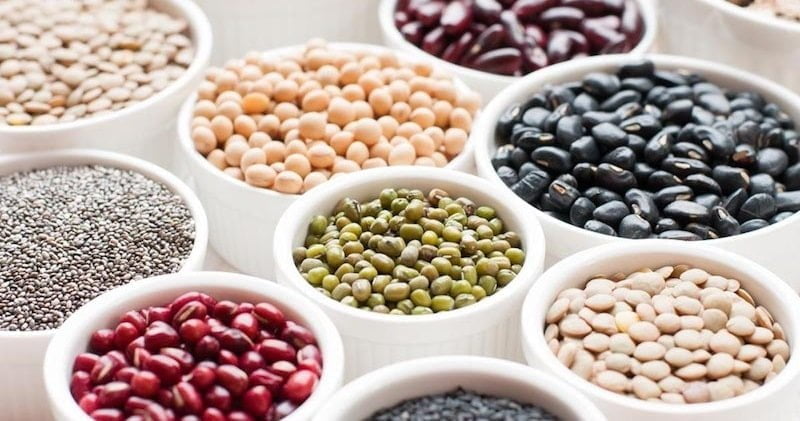
Beans can fit well in many diabetes meal plans because they combine slowly digested carbohydrate, fiber, and plant protein. In practical beans and diabetes meal planning, the goal is not to eat unlimited beans. The goal is to choose low-glycemic varieties, control portions, pair them with vegetables and protein, and check your own glucose response.
Why this matters: beans often replace higher-glycemic starches, but the full meal still affects blood sugar. Rice, tortillas, sauces, portion size, medications, activity, and stress can all change post-meal readings.
Key Takeaways
- Low-GI base: most dried beans and lentils digest slowly.
- Portions still count: start with measured servings.
- Pairing helps: add non-starchy vegetables and protein.
- Labels matter: choose low-sodium, no-sugar-added canned beans.
- Personal response varies: use meter or CGM trends when available.
How Beans Affect Blood Sugar
Beans usually have a lower glycemic impact than refined grains because their starch is packaged with fiber, protein, and resistant starch. Resistant starch is carbohydrate that partly resists digestion in the small intestine. This slower digestion can reduce the speed of glucose entering the blood after a meal.
The glycemic index of beans varies by type, cooking method, ripeness, processing, and what you eat with them. Most common beans fall into low-GI or moderate-low ranges compared with white bread, many breakfast cereals, and standard white rice. Glycemic index, however, does not measure the total carbohydrate load of a full plate. A large portion can still raise blood sugar.
For a broader explanation of how GI fits into diabetes nutrition, see Glycemic Index in Diabetes. It helps place beans within the wider idea of carbohydrate quality, not just carbohydrate amount.
Which Beans Are Usually Lower-GI Choices?
Most intact legumes are useful low GI beans for diabetes meal planning. Black beans, kidney beans, pinto beans, navy beans, chickpeas, lentils, and split peas all provide fiber and plant protein. The best choice is usually the one you enjoy, tolerate, and can measure consistently.
Black beans work well in bowls, soups, and salads. Kidney beans hold their shape in chili and stews. Pinto beans mash easily for spreads or taco-style meals. Chickpeas are useful in salads, roasted snacks, and hummus. Lentils cook faster than many dried beans and can thicken soups without refined flour.
It is more accurate to ask which beans fit your plate than to rank the best beans for diabetics as a universal list. A half cup of beans beside vegetables and fish is different from a large bowl of beans, white rice, and sweet sauce. Both contain beans, but their glucose effects may differ.
If you are increasing fiber, move gradually. A sudden jump in beans can cause gas, bloating, or stool changes. The article on High-Fiber Foods for Diabetics explains how fiber sources fit into a broader eating pattern.
Portions, Glycemic Load, and Plate Balance
Portion size is the main reason a low-GI food can still raise blood sugar. Many people start with 1/2 cup cooked beans, then adjust based on meal context and glucose readings. Some meals may support a larger serving, especially when the rest of the plate is mostly non-starchy vegetables and lean protein.
Glycemic load estimates how a food’s GI and carbohydrate amount work together. It is not a perfect prediction, but it can help you compare meals more realistically than GI alone. The calculator below can support general comparisons when you know the GI estimate and available carbohydrate amount.
Glycaemic Load Calculator
Calculate glycaemic load from glycaemic index and available carbohydrate in a serving.
These calculations are for education only and do not replace clinical advice, diagnosis, or treatment. Always confirm medical decisions with a qualified healthcare professional.
This tool estimates glycemic load for comparison purposes. It does not replace individual glucose monitoring or clinical nutrition advice.
A practical plate might include beans, leafy greens, peppers, tomatoes, and a protein such as eggs, fish, chicken, tofu, or plain Greek yogurt on the side. If you also add grains, use smaller portions and choose options that digest more slowly when possible.
For help sorting carbohydrate types, Good Carbs for Diabetics reviews how whole grains, legumes, fruit, and vegetables differ from refined starches. For a more detailed carbohydrate framework, see Carbs and Diabetes.
Canned, Dried, and Prepared Beans
Canned beans can be a diabetes-friendly option when the label is simple. Look for beans, water, and little or no added salt. Choose no-sugar-added products when available. Rinsing canned beans under water can lower sodium and remove some surface starch from the canning liquid.
Dried beans are economical and give you more control over texture and salt. Soak them for several hours or overnight, discard the soaking water, and cook in fresh water until tender. A quick-soak method can also work: boil briefly, remove from heat, rest, then cook in fresh water.
Prepared bean dishes need closer review. Baked beans, refried beans, canned chili, and restaurant bean dishes may contain sugar, lard, high-sodium broth, or large grain portions. The bean itself may be helpful, while the preparation changes the overall nutrition.
Label Checks for Canned Beans
- Serving size: compare the label with your actual portion.
- Total carbohydrate: count beans as a carbohydrate source.
- Fiber grams: higher fiber may support fullness.
- Sodium level: choose lower-sodium options when possible.
- Added sugars: avoid sweetened sauces for routine meals.
Quick tip: rinse canned beans even when the label says low sodium. It improves flavor and gives you more control over seasoning.
Beans With Rice, Tortillas, and Other Starches
Beans and rice can fit a diabetes meal plan, but the ratio matters. Use more beans and vegetables than rice. Smaller rice portions often work better than cutting beans, because beans bring fiber and protein while rice mainly adds starch.
Whole grains such as barley, bulgur, quinoa, or intact brown rice may support slower digestion than many refined grains. Basmati and parboiled rice often have a lower glycemic effect than some standard white rice, though results vary by cooking method and portion. Cooling and reheating cooked rice may increase resistant starch, but it does not make a large rice serving glucose-neutral.
Beans also pair with corn tortillas, whole-grain wraps, or roasted potatoes. These foods are not off-limits for everyone, but they add carbohydrate. If readings rise after a meal, review the starch side, sauce, and serving size before blaming beans alone.
A structured eating pattern can make these choices easier. The Diabetes-Friendly Diet Plan offers a broader template for balancing carbohydrates, protein, fats, and vegetables.
How to Test Your Own Response
Beans and blood sugar responses are individual. Your body may handle pinto beans differently at lunch than chickpeas at dinner. Medication timing, sleep, stress, illness, and activity can all change the result.
If your care plan includes home monitoring, compare similar meals rather than single readings. Check your usual pre-meal value, then follow your clinician’s guidance for post-meal checks. Some people review one-hour and two-hour patterns with a meter or continuous glucose monitor. Do not change medication doses based on one bean meal without professional guidance.
Use a simple note format. Record the bean type, portion, grain or starch side, sauce, protein, and activity after eating. After a few meals, patterns often become clearer. You may find that 1/2 cup beans with vegetables works well, while beans plus a large tortilla and sweet sauce does not.
Contact your care team if you have repeated highs, frequent lows, pregnancy, gastroparesis, kidney disease, an eating disorder history, or medication-related hypoglycemia risk. A registered dietitian can help set carbohydrate targets that fit your medical plan.
Special Situations: Kidney Health, Digestion, and Sodium
Some people need extra caution with beans. Beans contain potassium and phosphorus, which may matter for people living with chronic kidney disease. The right amount depends on kidney function, lab results, medicines, and the rest of the diet. Do not rely on general bean lists if your clinician has given kidney-specific nutrition instructions.
Digestive tolerance also varies. Beans contain fermentable carbohydrates that gut bacteria break down. This can cause gas at first. Smaller portions, longer soaking, thorough cooking, and gradual increases often improve tolerance. Lentils and split peas may be easier for some people because they cook softer and faster.
Sodium deserves attention, especially for people managing blood pressure or kidney concerns. Canned beans can range widely in salt content. Low-sodium versions, rinsing, herbs, vinegar, lemon, garlic, cumin, smoked paprika, and bay leaves can build flavor without relying on salt-heavy sauces.
Simple Meal Ideas That Keep Beans in Context
Bean meals work best when they are built as complete plates. The following ideas show how to use beans without letting starch dominate the meal.
- Breakfast bowl: eggs, pinto beans, salsa, spinach, and avocado.
- Lunch salad: chickpeas, cucumber, greens, tuna, and lemon dressing.
- Vegetarian chili: kidney beans, tomatoes, peppers, onions, and spices.
- Taco plate: black beans, cabbage slaw, grilled protein, and one small tortilla.
- Soup meal: lentils, vegetables, herbs, and a side salad.
For pantry planning and diabetes-related navigation, you can browse the Diabetes Articles collection or the Diabetes Condition page. These are browsing pages, not a substitute for a personalized nutrition plan.
Authoritative Sources
For low-GI food selection and diabetes meal planning context, Diabetes Canada provides a practical glycemic index food guide.
For a clinical overview of low-glycemic eating patterns, Mayo Clinic explains low-glycemic index diet considerations.
For research on bean-and-rice meals, a peer-reviewed study reports that beans with rice reduced post-meal glucose response compared with rice alone in the tested meals.
Recap
Beans can be a useful low-GI carbohydrate choice for many people managing diabetes. They provide fiber, plant protein, and resistant starch, but portions and pairings still matter. Choose simple canned or dried beans, build meals around vegetables and protein, and review your own glucose patterns when monitoring is part of your care plan.
Beans and diabetes meal planning works best as part of a broader approach, not as a single food rule. Ask your clinician or registered dietitian for individualized guidance if readings are unpredictable, kidney limits apply, or medications increase low-blood-sugar risk.
This content is for informational purposes only and is not a substitute for professional medical advice.


