
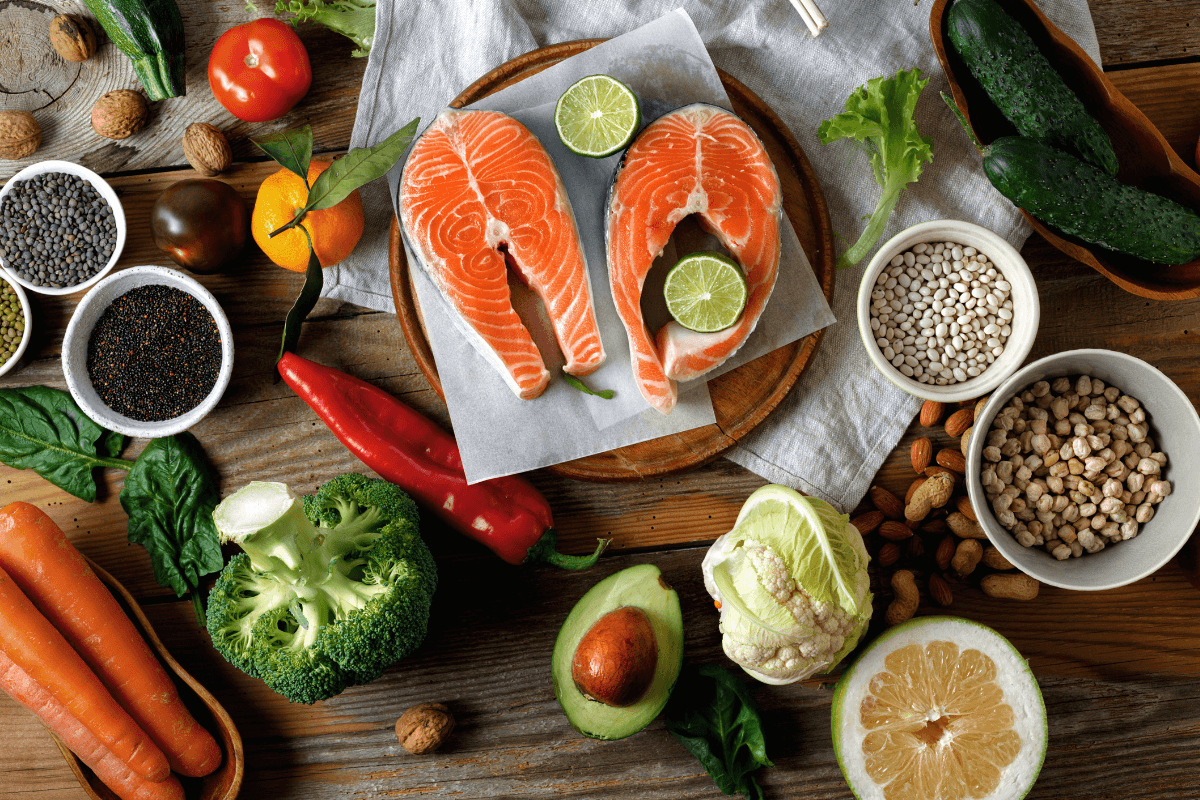
A diabetes diet is a steady eating pattern built around vegetables, high-fiber carbohydrates, lean proteins, unsaturated fats, and predictable portions. It does not require a separate shelf of diabetic foods. The goal is to make meals easier to repeat while supporting blood glucose, cholesterol, blood pressure, and weight goals.
Food choices are only one part of care. Glucose monitoring, movement, sleep, stress, medication, and health conditions also matter. For the wider care picture, review Diabetes Treatment and discuss personal targets with your clinician.
Key Takeaways
- A diabetes diet focuses on repeatable meal structure, not strict perfection.
- Most meals work best with non-starchy vegetables, protein, fiber-rich carbohydrates, and healthy fats.
- Carbohydrate amount, quality, and timing can affect blood glucose.
- Meal plans should change for insulin use, pregnancy, kidney disease, gastroparesis, eating disorders, or frequent lows.
- Registered dietitians can help turn general food lists into practical daily meals.
Diabetes Diet Basics That Make Meals Easier
The best diabetes diet is usually the one you can follow safely and consistently. It should fit your culture, budget, appetite, work schedule, cooking skills, medications, and glucose response. A plan that looks ideal on paper is not useful if it leaves you hungry, stressed, or unable to eat with your family.
Many people do well with the plate method. This means filling about half the plate with non-starchy vegetables, one quarter with protein, and one quarter with carbohydrate foods such as whole grains, beans, starchy vegetables, fruit, or dairy. This pattern is not a prescription. It is a simple visual tool for building balanced meals without weighing every food.
Carbohydrates need the most attention because they usually raise blood glucose more directly than protein or fat. That does not make all carbohydrates harmful. Beans, lentils, oats, fruit, yogurt, and whole grains can provide fiber, vitamins, minerals, and steady energy. Refined grains and sugary drinks tend to raise glucose faster and add less nutrition.
A1C is a blood test that reflects average glucose over roughly the past two to three months. Food changes may help improve average glucose, especially when they reduce added sugars, increase fiber, and make meal timing more predictable. For adults without diabetes, an A1C below 5.7% is commonly considered normal. Targets for people with diabetes are individualized, and pregnancy can change interpretation.
Why it matters: A practical meal pattern can reduce guesswork at the grocery store and table.
Food Lists by Meal Role, Not Forbidden Categories
A diabetes diet food list works better when it groups foods by how they function in a meal. Most foods can fit somewhere. The key questions are portion size, fiber content, added sugar, sodium, saturated fat, and how the food affects your own glucose readings.
| Meal role | Examples to emphasize | Planning note |
|---|---|---|
| Non-starchy vegetables | Leafy greens, broccoli, peppers, zucchini, mushrooms, cauliflower, green beans | Use these for volume, fiber, and color with minimal carbohydrate impact. |
| Fiber-rich carbohydrates | Oats, barley, brown rice, quinoa, lentils, beans, chickpeas, sweet potato, corn | Measure portions at first, then adjust based on glucose response and satiety. |
| Fruit | Berries, apples, pears, citrus, peaches, kiwi, melon | Choose whole fruit more often than juice, and pair with meals when helpful. |
| Protein foods | Fish, poultry, eggs, tofu, tempeh, beans, lentils, plain Greek yogurt | Protein can improve fullness and make carbohydrate portions easier to manage. |
| Unsaturated fats | Olive oil, avocado, nuts, seeds, nut butters | Portions still matter because fats are calorie-dense. |
| Foods to limit | Sugary drinks, sweets, highly refined grains, heavily processed snacks | Limit frequency and portion size rather than using guilt-based rules. |
Fiber deserves special attention. Higher-fiber meals often digest more slowly and can feel more satisfying. If you currently eat little fiber, increase it gradually and drink enough fluids. For more ideas, see High-Fiber Foods for Diabetics.
Fruit can fit in many diabetes meal plans, but portions and form matter. Whole fruit usually offers more fiber than juice or dried fruit. If you want a deeper food-by-food look, read Fruits Good for Diabetics.
Bread is another common source of confusion. Look beyond color and marketing words. Compare total carbohydrate, fiber, serving size, and ingredient lists. For practical label examples, see Best Bread for Diabetics.
How to Build a Weekly Diabetic Diet Plan
A weekly diabetic diet plan should reduce daily decisions. Start with meals you already eat, then adjust portions and ingredients. This is usually easier than switching to an unfamiliar menu all at once.
Begin with three anchor meals for the week. For example, choose one breakfast you can repeat, two lunch options, and three dinner formulas. Add snacks only if they help with hunger, medication timing, exercise, or glucose stability. Some people do better with consistent meal times, while others need a different rhythm because of work or appetite.
Use this simple planning flow:
- Choose two vegetables for most dinners.
- Choose two protein options you can cook once and reuse.
- Choose two high-fiber carbohydrate foods for the week.
- Keep low-effort backups available, such as eggs, frozen vegetables, canned beans, or plain yogurt.
- Review glucose patterns, hunger, and energy before changing the plan.
If you are new to meal planning, How to Start a Diabetic Diet covers early steps without assuming advanced nutrition knowledge.
Carbohydrate counting can be useful when meals vary. The calculator below can estimate carbohydrate servings from total carbohydrate on a label or recipe. It is a math aid, not a personal meal prescription.
Carb Serving Calculator
Convert total carbohydrate grams into carb choices for meal planning and diabetes education.
These calculations are for education only and do not replace clinical advice, diagnosis, or treatment. Always confirm medical decisions with a qualified healthcare professional.
A common planning problem is trying to create a perfect seven-day menu. A better goal is a repeatable framework. For example, breakfast could rotate between oatmeal with nuts, eggs with whole-grain toast, or plain yogurt with berries. Lunch could repeat leftovers, a bean bowl, or a salad with protein and a measured carbohydrate. Dinner can change flavors while keeping the same plate structure.
Dinner Ideas That Keep Weeknights Realistic
Easy diabetic dinner recipes usually work because they follow a flexible formula. Pick one non-starchy vegetable, one protein, one measured carbohydrate, and one flavor source. This approach avoids the feeling that every meal needs a new recipe.
Try building dinners from these combinations:
- Sheet-pan meal: chicken, peppers, zucchini, and a small serving of potato.
- Bean bowl: lentils, greens, tomato, cucumber, and a spoon of yogurt sauce.
- Fish plate: salmon, broccoli, and barley or brown rice.
- Stir-fry: tofu, frozen vegetables, and a measured portion of noodles or rice.
- Breakfast dinner: eggs, sautéed spinach, avocado, and whole-grain toast.
Cheap meals can still be diabetes-friendly. Beans, lentils, eggs, frozen vegetables, canned fish, oats, brown rice, and plain yogurt often stretch across several meals. Rinse canned foods when appropriate to reduce sodium, and compare store brands by the nutrition label.
Meal style also matters. A Mediterranean-style pattern can be practical because it emphasizes vegetables, legumes, fish, whole grains, nuts, and olive oil. Learn more in Mediterranean Diet and Diabetes.
Quick tip: Cook one extra protein or grain to make tomorrow’s lunch easier.
Matching Food Choices With Medications and Safety
Food planning should match your treatment plan. People who use insulin or certain glucose-lowering medicines may need more careful carbohydrate timing because delayed meals or missed meals can increase low blood sugar risk. Do not change medication doses because of a meal plan without clinical guidance.
Low blood sugar, called hypoglycemia, can cause shakiness, sweating, confusion, weakness, hunger, headache, or a fast heartbeat. Severe symptoms, fainting, seizures, or inability to swallow need urgent help. If lows happen often, your care team should review medication, meal timing, activity, and glucose records.
Some eating patterns need extra caution. Very low-carbohydrate diets may not suit everyone, especially people using insulin, people with kidney disease, people who are pregnant, or people with a history of disordered eating. If you are comparing stricter carb approaches, read Keto Diet and Diabetes and review the risks with your clinician.
Fasting plans also require careful review. Skipping meals can affect glucose levels, medication timing, hydration, and appetite later in the day. If you are considering time-restricted eating, Intermittent Fasting and Diabetes explains key issues to discuss before changing your routine.
Symptoms that should prompt medical assessment include unusual thirst, frequent urination, blurry vision, fatigue, slow-healing sores, recurrent infections, tingling or numbness, unexplained weight change, nausea, vomiting, or fruity-smelling breath. Diet changes should not be used to delay evaluation for these signs.
Reading Labels Without Overthinking Them
Food labels can make a diabetes diet easier, but only if you know what to scan first. Start with serving size because every number on the label depends on it. Then check total carbohydrate, fiber, added sugars, saturated fat, and sodium. Ingredient lists help you spot refined grains, syrups, and highly processed fats.
Total carbohydrate includes starches, sugars, and fiber. People often focus only on sugar, but a sugar-free food can still contain a large amount of starch. Fiber is useful because it can improve fullness and may slow digestion. Added sugars are worth limiting because they add carbohydrate without much nutrition.
Sodium and saturated fat matter because many people with diabetes also manage blood pressure or cholesterol. Packaged foods, restaurant meals, processed meats, salty snacks, and creamy sauces can add more than expected. For a deeper label walkthrough, see Navigating Food Labels.
When to Ask for Individual Nutrition Help
General food lists are a starting point. Personal advice is important if you take insulin, use medicines that can cause hypoglycemia, have repeated highs or lows, are pregnant, have kidney disease, have gastroparesis, have an eating disorder history, or are losing weight without trying.
A registered dietitian can translate lab results, medications, appetite, food preferences, and budget into a realistic plan. This is especially helpful when you need carbohydrate targets, kidney-friendly adjustments, weight-management support, or meal timing around exercise.
Bring a few days of food notes, glucose readings if you track them, medication timing, and questions about problem meals. The goal is not to be judged. It is to find patterns that can be adjusted safely.
Authoritative Sources
- The American Diabetes Association nutrition guidance explains plate method basics and balanced food choices.
- The CDC diabetes meal planning resource covers meal planning, carbohydrates, and practical portions.
- MedlinePlus diabetic diet information summarizes food groups and nutrition basics for diabetes.
A diabetes diet works best when it is specific enough to guide shopping and flexible enough for real life. Use food lists, plate planning, labels, and glucose patterns as tools. Then adjust the plan with a clinician or dietitian when medication, symptoms, pregnancy, kidney health, or repeated highs and lows are involved.
This content is for informational purposes only and is not a substitute for professional medical advice.


