
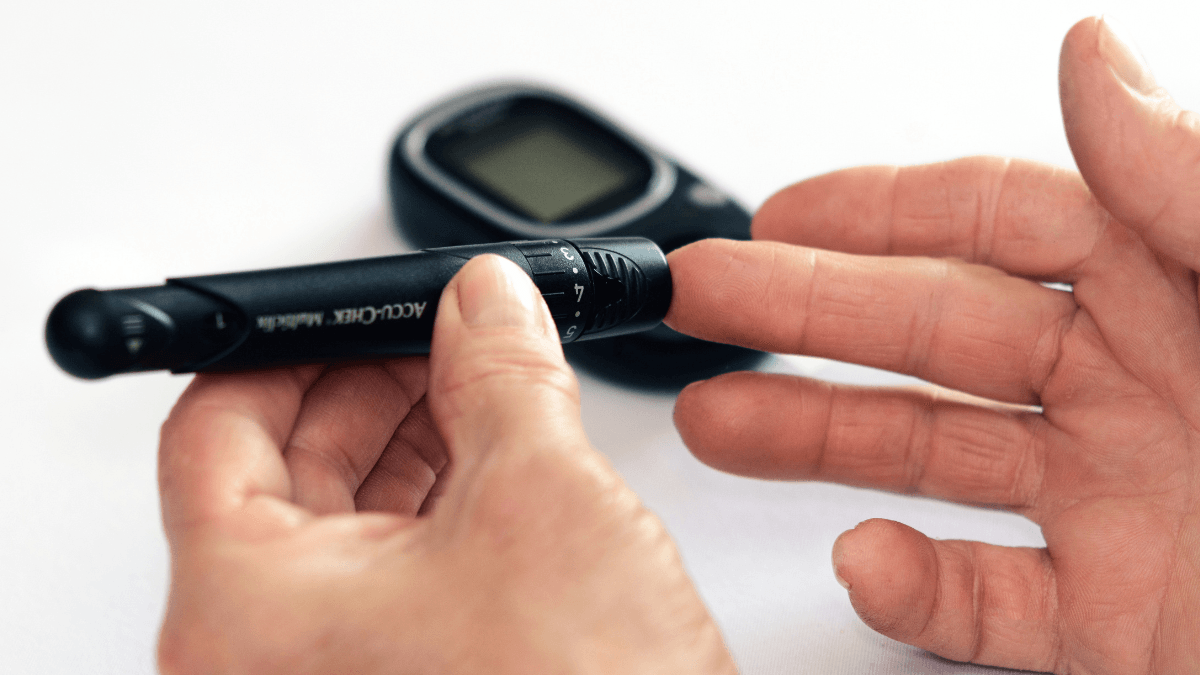
Brittle diabetes means diabetes with severe, frequent, and hard-to-predict blood glucose swings. These shifts can move from hypoglycemia (low blood sugar) to hyperglycemia (high blood sugar) quickly, even when someone is trying to follow a treatment plan. The term matters because repeated extremes can raise the risk of falls, dehydration, diabetic ketoacidosis, emergency care, and daily disruption.
Key Takeaways
- Main meaning: Large glucose swings that disrupt daily life.
- Most common setting: Type 1 diabetes, though type 2 can also fluctuate.
- Common drivers: Insulin mismatch, illness, gastroparesis, stress, and medications.
- Safety focus: Prevent severe lows, dehydration, and ketoacidosis.
- Management path: Pattern review, monitoring, and individualized care adjustments.
People may also hear the terms labile diabetes or unstable diabetes. These terms do not describe a separate diabetes type. They describe a pattern of unusually unstable glucose control. If your readings swing often, the next step is to look for patterns, triggers, and safety risks rather than blame a single number.
What Brittle Diabetes Means in Practice
Brittle diabetes describes a pattern of severe glucose variability, not a diagnosis based on one high or low reading. Clinicians usually reserve the term for swings that are frequent, difficult to predict, and serious enough to interfere with normal routines or require urgent care.
Many people with diabetes have occasional glucose changes after meals, exercise, stress, or illness. Brittle diabetes is different because the changes are more extreme and harder to explain. A person might experience repeated lows overnight, sharp post-meal spikes, or alternating highs and lows within the same day.
The term is most often linked with type 1 diabetes because insulin replacement must closely match food intake, activity, hormones, and illness. Still, rapid blood sugar changes can also happen in type 2 diabetes, especially with insulin use, kidney disease, steroid treatment, erratic food intake, or delayed stomach emptying. For broader context on diabetes education topics, the Diabetes Resource Hub can help readers explore related condition guides.
Why it matters: The goal is not perfect readings, but fewer dangerous extremes.
Symptoms and Warning Signs to Recognize Early
Brittle diabetes symptoms often reflect both sides of glucose instability. Low glucose can cause shaking, sweating, hunger, anxiety, dizziness, headache, confusion, blurred vision, weakness, or sudden mood changes. Severe hypoglycemia can lead to seizure, loss of consciousness, or inability to self-treat.
High glucose may cause thirst, frequent urination, fatigue, dry mouth, blurry vision, nausea, abdominal discomfort, or weight loss over time. In people at risk for diabetic ketoacidosis, high glucose with vomiting, deep breathing, fruity-smelling breath, or marked drowsiness needs urgent medical attention. Learn more about warning patterns in Signs of Uncontrolled Diabetes.
Symptoms may be less obvious in older adults, people with long-standing diabetes, or anyone with hypoglycemia unawareness. Hypoglycemia unawareness means the body gives fewer early warning signs before glucose becomes dangerously low. This can make falls, driving risk, and overnight events more concerning.
When rapid swings need urgent attention
Seek urgent care for severe confusion, fainting, seizure, persistent vomiting, signs of dehydration, trouble breathing, chest pain, or ketones with high glucose if your care plan includes ketone testing. These symptoms can signal a medical emergency. For more detail on acute high-glucose danger, see Acute Hyperglycemia and Diabetic Ketoacidosis.
What Causes Severe Glucose Swings?
Brittle diabetes usually has more than one cause. The most useful approach is to separate insulin timing, food absorption, illness, medications, hormones, and daily routines. A clear pattern often appears only after reviewing several days or weeks of readings.
Insulin timing and absorption
Insulin that acts too early, too late, or for too long can create sharp highs and lows. Missed basal insulin, late mealtime insulin, duplicate doses, inaccurate carbohydrate counts, or changing injection sites can all affect results. Lipohypertrophy, which means thickened fatty tissue at injection sites, can make insulin absorption less predictable.
Some people also have variable insulin needs across the day. Dawn phenomenon, menstrual cycle changes, growth, stress hormones, illness, or variable activity can shift requirements. These patterns should be reviewed with a clinician before making treatment changes. For readers who use insulin and want product-category context, the Diabetes Product Categories page lists related navigation options without replacing medical guidance.
Food absorption and gastroparesis
Delayed stomach emptying can separate insulin action from carbohydrate absorption. This condition, called gastroparesis, may cause early lows after a meal followed by delayed highs later. Nausea, early fullness, bloating, and unpredictable post-meal readings can be clues.
Meal timing also matters. Skipped meals, large late meals, alcohol, inconsistent carbohydrate intake, and shift work can make blood sugar harder to forecast. A registered dietitian can help adapt meal patterns when kidney disease, gastroparesis, pregnancy, eating disorders, or recurrent hypoglycemia are part of the picture.
Illness, medications, and other conditions
Infection, pain, poor sleep, emotional stress, and inflammation can raise glucose through stress hormones. Kidney impairment may prolong insulin action and increase late hypoglycemia risk. Thyroid disease, adrenal problems, or major weight changes can also alter insulin needs.
Some medications can destabilize readings. Corticosteroids commonly raise glucose, while changes in appetite or kidney function can make glucose-lowering drugs act differently than expected. Do not stop or change prescribed medicine without professional guidance, but bring a current medication list to appointments.
Is Fluctuating Blood Sugar Dangerous?
Fluctuating blood sugar can be dangerous when swings are large, frequent, or associated with symptoms. The immediate risks include severe hypoglycemia, falls, accidents, dehydration, confusion, and diabetic ketoacidosis in susceptible people. Over time, spending less time in a safe glucose range may also increase complication burden.
A1C can miss this problem. Two people may have similar A1C results, while one has steady readings and the other alternates between dangerous highs and lows. That is why clinicians often review time-in-range, time-below-range, and glucose variability when sensor or meter data are available.
The calculator below can help readers understand the general idea of time-in-range from glucose data. It does not diagnose brittle diabetes or replace clinical review.
CGM Time-in-Range Summary
Summarise CGM percentages across very low, low, in-range, high, and very high glucose bands.
These calculations are for education only and do not replace clinical advice, diagnosis, or treatment. Always confirm medical decisions with a qualified healthcare professional.
Severe lows deserve special attention. Repeated hypoglycemia may reduce the body’s warning symptoms, which can make future episodes harder to detect. If you have had confusion, fainting, or needed help treating a low, ask your care team about a safety plan, glucagon options, and driving or work precautions. For related safety context, see Insulin Shock.
How Diagnosis and Workup Usually Happen
Brittle diabetes diagnosis begins with confirming the pattern and looking for correctable causes. A clinician may review glucose logs, sensor downloads, insulin timing, meals, activity, sleep, recent illness, medication changes, and injection or pump technique.
Common tests depend on the situation. They may include A1C, kidney function, electrolytes, thyroid testing, complete blood count, infection screening, ketone assessment, or evaluation for gastroparesis when symptoms fit. The goal is not to label someone quickly. The goal is to find why glucose is unstable and reduce danger.
Bring specific information when possible. Useful details include the time of each high or low, what you ate, insulin timing, exercise, alcohol, illness symptoms, menstrual cycle timing, steroid use, and whether the reading came from a meter or sensor. A glucose meter such as the FreeStyle Freedom Lite Meter is one example of a monitoring tool, but device choice should fit the person and care plan.
Quick tip: Record symptoms alongside readings, not just the number.
Treatment and Day-to-Day Management
Brittle diabetes treatment focuses on preventing dangerous lows and reducing extreme highs. The plan should be individualized because the trigger may be insulin timing, absorption, eating pattern, illness, medication effects, technology gaps, or several factors together.
Insulin adjustments require professional guidance. Care teams may review basal coverage, mealtime timing, correction factors, injection sites, pump settings, or how insulin is matched to meals. Some people benefit from continuous glucose monitoring, pump therapy, or hybrid closed-loop systems, but these tools still require training and follow-up.
Monitoring can guide safer decisions. Fingerstick checks remain important for many people, especially when symptoms do not match sensor readings or when confirming a low. Test strips such as FreeStyle Lite Test Strips are one example of supplies used with compatible meters. Use any device according to its instructions and your clinician’s plan.
Practical steps to discuss with your care team
- Pattern review: Compare readings with meals, sleep, and activity.
- Technique check: Review injection sites, depth, and rotation.
- Medication review: Ask whether recent changes affect glucose.
- Sick-day plan: Clarify ketone checks and hydration steps.
- Low-glucose plan: Keep fast carbohydrates and glucagon available if prescribed.
- Technology settings: Review alerts, targets, and data-sharing needs.
Nutrition is usually about consistency, not restriction. Pairing carbohydrates with protein, fiber, and regular meal timing may reduce sharp post-meal spikes for some people. Alcohol can cause delayed lows, especially overnight. If glucose swings are frequent, individualized nutrition support is safer than following broad online diet rules.
Type 1, Type 2, Older Adults, and Outlook
Brittle diabetes is most often discussed in type 1 diabetes, but it can appear in type 2 when insulin use, comorbid illness, delayed digestion, kidney impairment, or medication effects create instability. The question is not only whether brittle diabetes is type 1 or type 2. The more useful question is what is driving the swings now.
Older adults need added caution. Low glucose can increase the risk of falls, fractures, confusion, and medication errors. High glucose can worsen dehydration and infection risk. Treatment goals may need to balance glucose stability, independence, cognition, nutrition, and overall safety.
Can brittle diabetes be reversed? Sometimes the pattern can improve greatly when a trigger is found and addressed. Examples include treating infection, adjusting a medication that raises glucose, improving injection technique, identifying gastroparesis, or changing monitoring strategies. It is better to think in terms of stabilizing glucose and reducing emergencies rather than promising reversal.
Life expectancy varies widely because the underlying causes, age, complications, access to care, and frequency of severe episodes differ. Better safety planning, fewer severe lows, and more time-in-range may improve day-to-day function and reduce hospital risk. People with type 1 diabetes can explore related background through the Type 1 Diabetes Resources collection.
Authoritative Sources
For current diabetes care standards, review the American Diabetes Association Standards of Care.
For low blood glucose recognition and treatment basics, see the American Diabetes Association hypoglycemia guidance.
For diabetic ketoacidosis symptoms and emergency context, consult the NIDDK diabetic ketoacidosis resource.
Recap
Brittle diabetes describes severe glucose instability that can disrupt daily life and raise emergency risk. It is usually a pattern with multiple contributors, including insulin timing, absorption, illness, medication effects, food intake, and other health conditions.
The most helpful next step is structured pattern review with a qualified care team. Bring readings, symptoms, meals, medication changes, and activity notes. Safer control usually comes from identifying the cause of the swings, improving monitoring, and building a realistic plan around daily life.
This content is for informational purposes only and is not a substitute for professional medical advice.


