
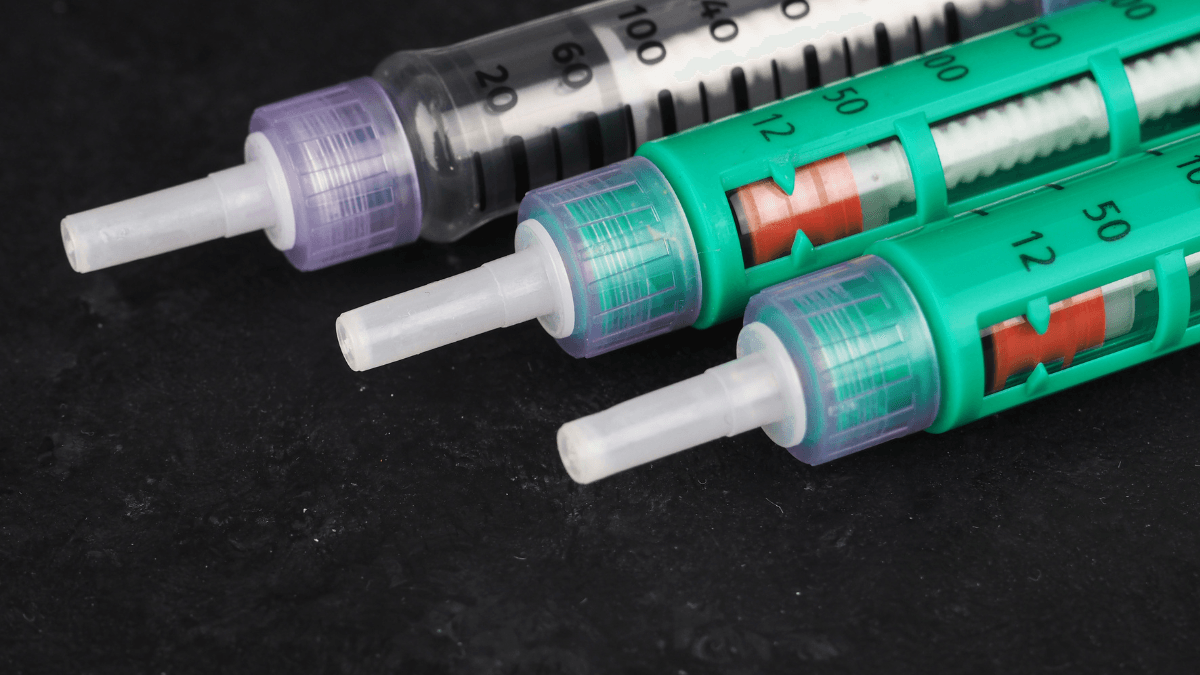
Basaglar and Levemir are both long-acting basal insulins, but they are not dosed the same for everyone. Basaglar vs Levemir dosing mainly differs in timing and duration: Basaglar is commonly prescribed once daily at a consistent time, while Levemir may be prescribed once or twice daily. Any switch needs prescriber guidance because insulin needs depend on glucose patterns, meal routine, kidney function, other medicines, and hypoglycemia risk.
A single number, such as 20 units, cannot be judged as too much or too little without context. The safer question is whether the dose matches your blood glucose trends and overall treatment plan.
Key Takeaways
- Both are basal insulins, meaning they help cover background insulin needs.
- Basaglar is insulin glargine U-100; Levemir is insulin detemir.
- Basaglar is generally used once daily, while Levemir may be once or twice daily.
- Switching is not a do-it-yourself conversion; it needs monitoring and prescriber direction.
- Low blood sugar, high readings, injection-site issues, and medication interactions matter during changes.
Basaglar vs Levemir Dosing at a Glance
The most important Basaglar vs Levemir dosing difference is how long each insulin may cover background needs. Both are designed for steady glucose control, not rapid correction of a high reading. Still, their action profiles can lead to different daily schedules.
| Comparison Point | Basaglar | Levemir |
|---|---|---|
| Insulin type | Insulin glargine U-100, a long-acting basal insulin analog | Insulin detemir, a long-acting basal insulin analog |
| Typical schedule | Often once daily at the same time each day | May be once daily or divided into two daily doses |
| Duration pattern | Designed for a relatively steady effect over about a full day | Duration may vary more by person and dose, so some people need two doses |
| Role in care | Background insulin between meals and overnight | Background insulin between meals and overnight |
| Switching concern | May require a new timing plan and closer glucose checks | May require adjustment if moving from once-daily or twice-daily use |
These are broad differences, not personal dosing instructions. If you want the wider class context, the Basal Insulin Types and Dosing resource explains how basal products fit into diabetes treatment.
Why Basal Insulin Timing Can Differ
Basal insulin works in the background to help manage glucose between meals and overnight. It is different from bolus insulin, which is usually used around meals or for correction plans. The comparison becomes clearer when you separate background coverage from food-related insulin needs.
Basaglar contains insulin glargine U-100. After injection under the skin, glargine forms a depot that releases insulin gradually. This is why many people are instructed to use it once daily at a consistent time. The goal is steadier background coverage, not a sharp peak.
Levemir contains insulin detemir. Its duration can depend on the person and the dose, so some people receive it once daily and others receive it twice daily. A twice-daily Levemir plan does not mean the insulin is weaker. It usually means the prescriber is matching coverage to glucose patterns.
Why it matters: Dosing frequency affects overnight readings, fasting glucose, and the risk of lows.
For a broader overview of insulin categories, see Different Types of Insulin. If you are comparing background and mealtime insulin roles, Basal vs Bolus Insulin is a useful next step.
Duration, Onset, and Daily Coverage
Both insulins start working gradually, so neither is meant for urgent treatment of sudden high blood sugar. Their effect is usually measured across many hours. That is why prescribers often look at fasting readings, overnight trends, and repeated patterns rather than one isolated number.
Basaglar is usually discussed as a once-daily basal insulin. Levemir may also be once daily, but some treatment plans split it into morning and evening doses. This difference is one reason people search for Basaglar vs Levemir duration when a switch is being considered.
Duration on paper is not the same as real-life coverage. Illness, missed meals, exercise, alcohol, injection technique, kidney function, and other medicines can change glucose patterns. People using continuous glucose monitors may notice timing gaps more clearly, but fingerstick logs can also show repeated patterns.
If fasting glucose stays high, if overnight lows happen, or if readings become unpredictable, the next step is not to guess a new dose. Bring the pattern to the clinician who manages your insulin. The article on Insulin Dosage Basics explains why dose decisions require more than a single chart.
Switching From Levemir to Basaglar Needs a Plan
A safe Basaglar vs Levemir dosing change starts with the current schedule, not just the total daily units. A person using Levemir once daily may need a different timing discussion than someone using Levemir twice daily. The prescriber may also consider recent lows, fasting readings, A1C, kidney function, weight changes, and use of other diabetes medicines.
Some clinical protocols discuss unit-for-unit starting points for certain basal insulin switches. Others use a more cautious starting point when hypoglycemia risk is higher. The key point is that no universal conversion applies to every person. Switching from Levemir to Basaglar should happen under medical supervision, with clear instructions for monitoring and follow-up.
During a switch, glucose may run higher or lower until the plan is stabilized. Keep records in a format your care team can interpret. Include injection times, meals, activity changes, illness, missed doses, low readings, and any symptoms. If you use a glucose meter, write down the time of each reading. If you use a continuous glucose monitor, note trends rather than only averages.
Quick tip: Bring your actual injection schedule, not just your insulin name.
Do not stop basal insulin without medical direction. People with type 1 diabetes can develop diabetic ketoacidosis, a dangerous buildup of acids called ketones, if insulin is insufficient. People with type 2 diabetes can also become seriously ill from sustained high blood sugar. If you need help understanding how often insulin plans may change, read Adjusting Insulin Dose Frequency.
Side Effects and Safety Issues to Watch
The main immediate safety concern with any insulin is hypoglycemia, or low blood sugar. Symptoms can include shakiness, sweating, hunger, confusion, fast heartbeat, irritability, or weakness. Some people have fewer warning symptoms, especially after repeated lows or with certain medicines such as beta-blockers.
High blood sugar also matters during a switch. Repeated high readings, ketones, vomiting, dehydration, deep breathing, severe weakness, or confusion need urgent medical attention. These symptoms can signal a serious problem, especially in people who depend on insulin.
Injection-site reactions can occur with either insulin. Redness, itching, swelling, or discomfort may happen. Repeated injections in the same area can cause lipohypertrophy, a thickened or lumpy area under the skin that may affect absorption. The resource on Lipohypertrophy explains why rotating sites matters.
Other insulin-related cautions include allergic reactions, low potassium in rare cases, and fluid-retention concerns when insulin is used with thiazolidinediones. Steroids, diuretics, some psychiatric medicines, alcohol, and other diabetes drugs can also change glucose patterns. Tell your care team about prescription medicines, over-the-counter products, supplements, and recent illness before a switch.
Equivalents, Alternatives, and What They Really Mean
An equivalent insulin is not always a simple substitute. Basaglar is an insulin glargine U-100 product, so it is closer in active ingredient to other glargine U-100 products than to Levemir. Levemir is insulin detemir, which has a different molecule and action profile.
When people ask what is equivalent to Basaglar, they may mean same class, same active ingredient, or similar role in treatment. Those are different questions. A same-class alternative may still require a new prescription, a different device, different timing, and closer glucose monitoring.
When people ask which insulin is equivalent to Levemir, the answer is also individualized. Other basal insulins may be considered when detemir is not the best fit or is not accessible, but they are not automatically interchangeable at the same schedule. Options may include insulin glargine products, insulin degludec, or other basal choices depending on the country, prescription, and clinical need.
Use Basaglar vs Levemir dosing comparisons as a preparation tool, not as a switching instruction. For a wider comparison of basal products, see Long-Acting Insulin Names and Duration.
Questions to Discuss Before Changing Basal Insulin
Before switching, ask questions that connect the new insulin to your real glucose patterns. This helps your prescriber decide whether the main issue is duration, timing, injection technique, missed doses, meals, or another medication.
- Current schedule: Ask how your present timing affects the new plan.
- Monitoring plan: Confirm which readings matter most after the change.
- Low-risk situations: Discuss exercise, alcohol, missed meals, and overnight lows.
- High-risk symptoms: Ask when high readings or ketones need urgent care.
- Device differences: Review pen, cartridge, needle, and injection technique details.
- Other medicines: Mention steroids, blood pressure medicines, and diabetes drugs.
Example: A person using Levemir twice daily may have stable daytime readings but rising fasting glucose. Their clinician may look at overnight trends before deciding whether a once-daily basal option is appropriate. Another person may have frequent overnight lows, which changes the safety discussion. These examples show why conversion is not only a math problem.
Access Details Without Letting Them Drive the Dose
Access, formulary changes, or product availability can be the reason a basal insulin switch comes up. Clinical fit should still lead the decision. If you are reviewing product listings for non-clinical context, CanadianInsulin.com lists Basaglar KwikPen and Levemir PenFill Cartridges pages.
Where required, prescription details may be confirmed with the prescriber before referral. Dispensing is handled by licensed third-party pharmacies where permitted. Those access steps do not replace the clinical decision about dose, timing, monitoring, or whether a switch is appropriate.
Readers who want broader diabetes education can browse the Diabetes Articles hub for related topics. Use those resources to prepare better questions, not to self-adjust insulin.
Authoritative Sources
- FDA Basaglar prescribing information covers insulin glargine U-100 use, administration, switching cautions, and safety warnings.
- FDA Levemir prescribing information explains insulin detemir dosing frequency, duration, administration, and key risks.
- American Diabetes Association Standards of Care provide broader guidance on diabetes treatment, monitoring, and insulin safety.
This content is for informational purposes only and is not a substitute for professional medical advice.


