
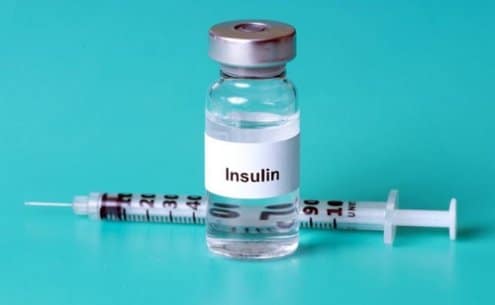
Lantus insulin overdose treatment starts with preventing and correcting hypoglycemia, which means low blood sugar. Check glucose right away if possible, take fast-acting carbohydrate only if the person is awake and can swallow safely, and call emergency services for confusion, seizure, fainting, or unsafe swallowing. Because Lantus is a long-acting basal insulin, glucose can fall again after an early correction.
The risk depends on the amount taken, usual dose, timing, recent meals, activity, alcohol use, kidney or liver function, and other glucose-lowering medicines. A normal first reading does not rule out later hypoglycemia. If the dose is large, unknown, intentional, or hard to monitor safely, treat the situation as urgent.
Key Takeaways
- Check glucose early: confirm the direction of blood sugar if supplies are available.
- Treat lows safely: use rapid carbohydrate only when swallowing is safe.
- Escalate quickly: severe symptoms need emergency evaluation.
- Monitor longer: long-acting insulin can cause recurrent lows.
- Prevent repeats: labels, logs, and dose routines reduce future errors.
Lantus Insulin Overdose Treatment Steps That Matter First
If a dosing error just happened, the first goal is to keep the person safe while you arrange help when needed. Lantus insulin overdose treatment should stay conservative: correct low readings, avoid choking risk, and keep monitoring after symptoms improve.
- Pause and verify: check the insulin name, pen or vial, time, and estimated amount.
- Check glucose: use a meter or CGM if one is available.
- Treat a low: follow the person’s hypoglycemia plan if swallowing is safe.
- Recheck soon: many adult plans use 15 to 20 grams of rapid carbohydrate, then repeat testing.
- Stay observed: avoid being alone, driving, alcohol, or exercise.
- Call for help: seek emergency care for severe symptoms, repeated lows, or unclear dosing.
Do not try to “balance out” a rebound high with extra correction insulin unless a clinician gives specific instructions. Extra insulin can make a delayed low more dangerous, especially after a basal insulin error. For a step-by-step low-glucose refresher, see What To Do When Blood Sugar Is Low.
Why it matters: Symptoms may improve before the long-acting dose has finished absorbing.
What Happens If You Inject Too Much Lantus?
Too much Lantus can keep moving glucose from the bloodstream into body tissues for longer than intended. The main danger is hypoglycemia, not irritation from the injection itself. Since insulin glargine forms a depot under the skin, a larger-than-usual dose may have a prolonged or unpredictable effect.
Early signs can include shaking, sweating, hunger, anxiety, a fast heartbeat, tingling, or feeling weak. More serious brain-related symptoms, sometimes called neuroglycopenic symptoms, can include confusion, drowsiness, blurred vision, odd behavior, poor coordination, seizure, or loss of consciousness. These warning signs overlap with other diabetes problems, so glucose testing helps guide the next step.
Overnight lows can be harder to detect. A caregiver may notice restlessness, nightmares, unusual movements, damp sheets, or trouble waking the person. The person may wake with a headache, heavy fatigue, or no memory of the episode. For a deeper review of severe low-glucose warning patterns, see Insulin Shock Signs.
High and low glucose can both make someone feel unwell. If symptoms and device readings do not match, confirm with a fingerstick when possible. A plain-language overview of warning signs is available at Low Sugar Level Symptoms.
Home Monitoring After Too Much Basal Insulin
Home monitoring is only reasonable when symptoms are mild, glucose can be checked reliably, and another person can help watch for changes. A person who is confused, vomiting, repeatedly low, or unable to swallow safely needs urgent medical evaluation rather than watchful waiting.
Keep quick carbohydrate in more than one place, such as a bedside table, bag, workplace, and car. Useful supplies may include glucose tablets, glucose gel, juice, regular soda, a meter, compatible test strips, backup batteries, CGM supplies, and prescribed glucagon. If using a meter, examples of compatible supply pages include OneTouch Verio Flex Meter and OneTouch Verio Test Strips.
Use a written log during the risk period. Include the suspected dose, usual dose, injection time, glucose readings, symptoms, carbohydrate amounts, and calls to clinicians or emergency services. This record helps the care team judge whether home observation remains safe.
Some people track glucose in mg/dL while others use mmol/L. This converter can help compare units in a log, but it does not decide treatment or replace clinical guidance.
Blood Glucose Unit Converter
Convert glucose readings between mg/dL and mmol/L without changing the clinical value.
These calculations are for education only and do not replace clinical advice, diagnosis, or treatment. Always confirm medical decisions with a qualified healthcare professional.
Continuous glucose monitor trend arrows can show whether glucose is falling quickly. Still, CGM values may lag behind blood glucose during rapid changes. If symptoms do not match the sensor reading, confirm with a fingerstick when possible.
When Emergency Care Is the Safer Choice
Emergency care is safer when brain symptoms, unsafe swallowing, or unreliable monitoring are present. Do not force food or drink into the mouth of someone who is unconscious, seizing, or too confused to swallow. That can cause choking.
- Confusion or seizure: call emergency services immediately.
- Loss of consciousness: use prescribed glucagon if trained, then get help.
- Repeated lows: seek care if carbohydrate does not hold readings up.
- Persistent vomiting: urgent care is safer when oral treatment fails.
- Unknown amount: treat unclear or large dosing as higher risk.
- No observer: consider emergency evaluation if safe monitoring is not possible.
Insulin overdose treatment in hospital commonly focuses on repeated glucose checks, oral carbohydrate when safe, intravenous dextrose when needed, and observation until readings stay stable without IV support. Clinicians may also monitor electrolytes, especially potassium, because insulin can shift potassium into cells.
Glucagon can help when a person cannot safely swallow, but it does not replace emergency care for severe or prolonged events. It works by prompting the liver to release stored glucose. It may be less reliable when liver glucose stores are low, such as after fasting, heavy alcohol use, or prolonged illness.
Why Long-Acting Insulin Overdose Can Recur
Long-acting insulin overdose can behave differently from a rapid-acting insulin mistake. Insulin glargine is designed for steady background coverage, so an overdose may cause delayed or repeated lows rather than one short episode.
Several factors can change the pattern. Missed meals, extra activity, alcohol, kidney disease, liver disease, and other diabetes medicines may increase hypoglycemia risk. Illness can add another problem if nausea or vomiting prevents oral carbohydrate from staying down.
A rebound high after treatment does not always mean the overdose has resolved. It may reflect the carbohydrate used to correct a low while extra basal insulin is still active. This is why Lantus insulin overdose treatment often requires continued observation after the first normal reading.
For background on how this insulin is expected to work under usual conditions, see Lantus Onset And Duration. For broader medication safety context, Lantus Side Effects reviews common safety considerations.
Higher-Risk Situations and Caregiver Clues
Risk is higher when the person cannot describe symptoms, eat reliably, or respond quickly to falling glucose. Children may show irritability, clumsiness, sleepiness, or unusual behavior instead of classic shakiness. Caregiver handoffs are also a common weak point, especially when more than one adult gives insulin.
Older adults may have weaker warning symptoms, memory problems, or medicines that mask palpitations and tremor. Kidney or liver impairment can prolong low blood sugar. Heart disease, frailty, and prior severe hypoglycemia can also make recurrent lows more dangerous.
People with type 1 diabetes and type 2 diabetes can both have serious outcomes after an accidental insulin overdose. The underlying diagnosis affects background insulin needs, other medicines, meal patterns, and backup support. Browse condition-specific product collections through the Diabetes hub if you need a navigation page for diabetes-related items.
Preventing Repeat Dose Errors
Most accidental insulin overdose events come from a mismatch between the intended dose and the insulin actually taken. Look-alike pens, rushed routines, missed documentation, schedule changes, and nighttime dosing all increase risk. Prevention should be simple enough to work when you are tired.
Practical Insulin Safety Habits
- Match the insulin: confirm basal versus rapid-acting before injection.
- Read the dose: pause before pressing the pen or filling a syringe.
- Record immediately: log the dose before leaving the area.
- Separate devices: use different storage spots, labels, or color bands.
- Review changes: update routines after illness, travel, or new medicines.
If you miss a dose or suspect a double dose, do not guess. Use your written missed-dose instructions or contact your diabetes care team. A clear plan should say whom to call, when to check glucose, and when emergency care is safer.
Quick tip: Store basal and rapid-acting devices in separate, clearly labeled areas.
If prescription details or diabetes supplies need confirmation, CanadianInsulin.com may help verify required prescription information with the prescriber. Dispensing and fulfilment, where permitted, are handled by licensed third-party pharmacies.
Authoritative Sources
- The official prescribing information describes insulin glargine hypoglycemia warnings: Lantus Prescribing Information.
- The American Diabetes Association outlines hypoglycemia definitions and treatment priorities: ADA Standards Of Care.
- A peer-reviewed review discusses clinical monitoring after insulin overdose: Insulin Overdose Review.
Recap
An accidental Lantus overdose is dangerous mainly because of severe hypoglycemia and delayed recurrence. Early glucose checks, safe carbohydrate treatment, careful observation, and prompt emergency care for severe symptoms reduce risk.
Keep supplies ready, involve another person when possible, and document what happened. If monitoring is unreliable, symptoms are serious, or the amount is unclear, in-person care is the safer path.
This content is for informational purposes only and is not a substitute for professional medical advice.


