
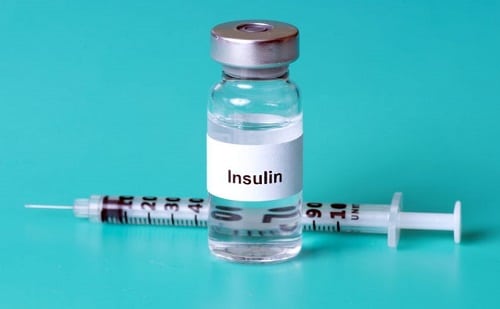
Animal insulin is insulin purified from pig or cattle pancreas. It was once the main treatment for people with diabetes, but most human care now uses recombinant human insulin or insulin analogs made with biotechnology. This matters because older records, special-access discussions, and veterinary prescriptions may still mention porcine or bovine products.
Today, the main questions are practical: how animal-derived insulin differs from modern products, why it is less common, and what safety issues need monitoring. The answer depends on the source species, purification quality, local availability, and whether the product is intended for humans or animals.
Key Takeaways
- Two main sources: Porcine and bovine pancreas.
- Current human use: Limited in many regions.
- Main risks: Hypoglycemia, allergy, and injection-site reactions.
- Modern standard: Recombinant human and analog insulin.
- Veterinary role: Still relevant for some pets.
What Animal Insulin Is and Why It Became Less Common
Animal insulin is a hormone preparation extracted from animal pancreas tissue and purified for injection. Historically, it allowed people with diabetes to survive before biotechnology made human insulin widely available. Early products came mainly from pigs and cattle because their pancreatic insulin could lower blood glucose in humans.
Porcine insulin is closer to human insulin than bovine insulin. It differs from human insulin by one amino acid. Bovine insulin differs by three amino acids. These small structural differences can affect immune recognition, which means the body may be more likely to form antibodies against some animal-derived products.
Animal insulin became less common because recombinant manufacturing improved consistency, scale, and purity. Modern recombinant products are made using engineered cells that produce insulin matching human insulin, or analogs designed to adjust absorption and duration. This shift reduced dependence on animal tissue supply and helped standardize production.
Why it matters: Older insulin names may not match current prescribing standards or device systems.
People often ask, “is insulin made from pigs?” Historically, some insulin was made from pig pancreas. In current human diabetes care, most insulin is not made from pigs or cattle. It is usually made through recombinant DNA technology. Some veterinary products and niche human-access pathways may still involve animal-derived or species-specific formulations.
Porcine, Bovine, and Human Insulin Compared
The main difference between animal insulin and human insulin is molecular structure and manufacturing source. Human insulin is usually produced by genetically engineered organisms. Animal-derived insulin is extracted from pancreas tissue and purified. Both can lower blood glucose, but they are not interchangeable without clinical supervision.
In practical terms, animal insulin vs human insulin involves four decision points: immune response, predictability, formulation choice, and availability. Human and analog products generally offer broader options, including basal, mealtime, and premixed formulations. Animal-derived products may have fewer formulations and more restricted supply.
Porcine insulin is sometimes called pork insulin. In pork insulin vs human insulin discussions, the one-amino-acid difference is often emphasized. That difference does not automatically mean a product is unsafe or unsuitable, but it helps explain why clinicians monitor allergy, antibodies, and glucose variability when animal-derived products are used.
Bovine insulin has a larger sequence difference from human insulin. Some expert reviews have described bovine insulin as more immunogenic than porcine insulin, meaning it may be more likely to trigger antibody formation. The clinical importance varies by patient, product purity, and monitoring history.
For readers comparing modern options, Human Insulin vs Analog Insulin explains how recombinant human insulin differs from modified analog formulations. For historical background, The Discovery of Insulin gives useful context on how insulin therapy developed.
How Animal Insulin Is Made
Animal insulin is made by collecting pancreas tissue, extracting insulin, and purifying it through multiple processing steps. Older production relied on large quantities of animal pancreas tissue from slaughterhouse supply chains. Manufacturers then separated insulin from other proteins, enzymes, and tissue material.
The process typically involved extraction, crystallization, filtration, and purification. Later generations of animal insulin used more advanced purification methods than early products. These improvements reduced impurities and helped improve tolerability, but tissue-derived production still depends on biological source material and rigorous batch controls.
Manufacturers must also test potency, sterility, and product consistency before release. Potency testing helps confirm that a labeled unit amount produces the expected biological activity. Sterility testing matters because insulin is injected under the skin and contamination can cause serious harm.
Modern recombinant insulin is made differently. Scientists insert the genetic instructions for insulin into production cells, often bacteria or yeast. Those cells produce insulin or insulin precursors, which are then purified and processed. This is what people usually mean when they ask how insulin is made artificially.
The important distinction is not simply “natural” versus “artificial.” It is source control, purity, reproducibility, and regulatory oversight. Modern insulin products must meet quality standards regardless of how they are made.
Side Effects and Safety Issues to Watch
The side effects of animal insulin overlap with those of other insulin products. Hypoglycemia, or low blood glucose, is the most common serious practical risk across all insulin types. It can occur when insulin action does not match food intake, activity, illness, alcohol use, or other glucose-lowering medicines.
Injection-site reactions can also occur. These may include redness, itching, swelling, soreness, or small lumps under the skin. Repeated injections into the same area can contribute to lipohypertrophy, which means thickened or fatty tissue that may affect insulin absorption.
Allergic reactions are another concern. Mild reactions may stay local, but generalized allergy can involve widespread rash, hives, swelling, wheezing, or faintness. Severe symptoms need urgent medical attention. Anyone with a history of insulin allergy needs careful clinical review before changing formulations.
Antibody formation may reduce predictability in some patients. Antibodies are immune proteins that can bind insulin. In some cases, they may be associated with fluctuating glucose patterns, higher dose requirements, or delayed insulin action. This is one reason older animal-derived products were closely monitored.
Practical safety steps usually focus on technique and observation. Use the correct device for the product, rotate injection sites, inspect the insulin as directed by the label, and track unexplained highs or lows. Do not change insulin type, dose, or schedule without prescriber guidance.
Quick tip: Keep a written list of insulin names, concentrations, devices, and recent reactions.
Can Humans Still Use Animal Insulin?
Humans can use some animal insulin products only when an appropriate human-labeled product is available and prescribed under local rules. In many countries, routine prescribing has shifted away from animal insulin. Recombinant human and analog products now dominate because they are widely available and fit current diabetes care systems.
Availability varies by jurisdiction. Some animal-derived human products may be discontinued, restricted, or accessed only through special pathways. Formularies, import rules, and product registrations can change. A product that appears in older records may no longer be available in the same form, strength, or device.
Why is animal insulin no longer used routinely? The main reasons are manufacturing consistency, supply reliability, broader formulation choice, and lower immunogenicity with modern products. This does not erase the historical value of animal insulin. It explains why newer options became standard.
If someone previously used animal insulin and is reviewing a transition, clinicians usually compare glucose records, allergy history, injection technique, and the exact formulation involved. They may also review A1C, self-monitoring records, or continuous glucose monitoring data. Any switch between insulin types needs close follow-up because timing and absorption can differ.
For general diabetes education and product browsing, the Diabetes Articles collection can help readers explore related topics. The Diabetes condition page lists related products in one place for navigation.
Pet Insulin and Human Insulin Are Not the Same Context
Pet insulin is prescribed under veterinary guidance and should not be treated as a human substitute. Dogs and cats have different treatment needs, monitoring plans, and product labeling. A product used in veterinary care may have a different intended species, concentration, syringe type, or handling instruction.
Some veterinary insulins are animal-derived or species-focused. Others may be human insulin products used in pets under veterinary direction. The key point is that pet diabetes management and human diabetes management are separate clinical contexts.
For pet-specific reading, Insulin for Dogs explains common veterinary considerations. A specific veterinary product page such as ProZinc Vial can also show how pet-labeled insulin information differs from human insulin labeling.
Never use another person’s or pet’s insulin without professional direction. Even when product names sound similar, the intended patient, concentration, device, and monitoring plan may differ.
Brands, Access, and Cost Context
Animal insulin brands have changed over time as manufacturers discontinued older lines or moved toward recombinant platforms. Older names may appear in historical medical records, research papers, or patient recollections. They should be checked against current product monographs or local formularies before any clinical interpretation.
Cost comparisons are difficult because access rules vary. A discontinued product cannot be compared like a routinely stocked medicine. Coverage, special-access requirements, pharmacy supply, and jurisdiction all affect what a patient can actually receive.
Modern human insulin examples include intermediate-acting and short-acting recombinant products. For context on commonly referenced human insulin formulations, see Humulin N Vials or Humulin R Vial. These examples are included for formulation context, not as treatment recommendations.
CanadianInsulin.com is a prescription referral platform, so access discussions may involve confirming prescription details when required. Dispensing and fulfilment are handled by licensed third-party pharmacies where permitted. Eligibility and cross-border rules can affect whether a product pathway is available.
Practical Questions to Ask Before Any Insulin Change
A structured review helps prevent confusion when animal insulin appears in a record or care discussion. The goal is not to choose a product independently. It is to clarify the source, formulation, and monitoring plan with a qualified clinician.
- Exact product name: Confirm brand and generic wording.
- Source and type: Ask whether it is porcine, bovine, human, or analog.
- Formulation profile: Clarify rapid, short, intermediate, long, or premixed action.
- Device match: Confirm vial, pen, cartridge, syringe, and concentration.
- Safety history: Review allergy, site reactions, and severe lows.
- Monitoring plan: Discuss glucose checks after any approved change.
- Availability status: Verify current local registration or access rules.
Readers with type 1 diabetes need especially careful oversight because missed or inadequate insulin can lead to dangerous hyperglycemia and diabetic ketoacidosis. For related education, the Type 1 Diabetes Articles collection can support broader reading.
Authoritative Sources
For a systematic review comparing human and animal insulin, see the Cochrane review on human versus animal insulin. It discusses evidence quality and immunogenicity considerations.
For veterinary diabetes treatment context, the AAHA insulin therapies guidance outlines products used in dogs and cats.
For Canadian drug status checks, the Health Canada Drug Product Database provides official searchable product listings.
Recap
Animal insulin refers mainly to porcine or bovine insulin extracted from pancreas tissue. It played a central role in diabetes history, but most human treatment now uses recombinant human insulin or analogs. The shift reflects improvements in manufacturing consistency, supply, purification, and formulation choice.
Animal-derived products may still appear in older records, niche access discussions, and veterinary care. If animal insulin is part of a current question, confirm the exact product, intended species, formulation, device, and monitoring plan with a qualified healthcare professional.
This content is for informational purposes only and is not a substitute for professional medical advice.


