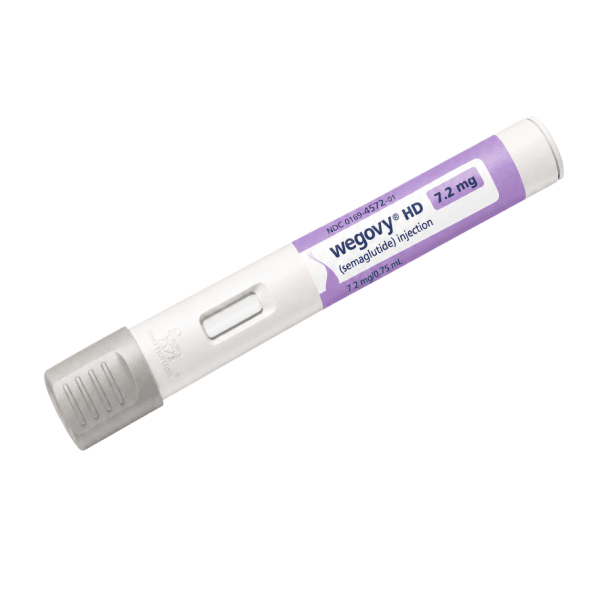



Ozempic and chronic kidney disease are now linked by stronger clinical evidence, especially for adults with type 2 diabetes and CKD. Semaglutide may lower the risk of major kidney outcomes and cardiovascular events in this group, while all-cause mortality findings look encouraging but still need careful interpretation. The practical question is not only whether it helps, but who may benefit, what risks need monitoring, and when symptoms should prompt medical review.
Key Takeaways
- Evidence is strongest in people with type 2 diabetes and CKD.
- Kidney and cardiovascular outcomes improved in major trial data.
- All-cause mortality signals are favorable, but interpretation remains cautious.
- No routine renal dose adjustment is generally required, but monitoring matters.
- Vomiting, diarrhea, and dehydration can worsen kidney function.
What the Kidney Outcome Evidence Shows
The strongest evidence comes from trials studying semaglutide in people with type 2 diabetes and chronic kidney disease. These studies measured hard outcomes, not only blood sugar or weight. That matters because CKD care focuses on preventing kidney failure, cardiovascular events, and premature death.
The FLOW trial reported fewer major kidney disease events and fewer cardiovascular deaths among participants assigned to semaglutide compared with placebo. The published NEJM FLOW trial report describes a composite endpoint that included kidney failure, substantial loss of kidney function, and death from kidney or cardiovascular causes. This is why clinicians now discuss Ozempic and chronic kidney disease as a cardiorenal topic, not only a diabetes topic.
All-cause mortality means death from any cause during the study period. It is a broad endpoint and can be harder to interpret than a kidney-specific outcome. In CKD, people may face overlapping risks from heart disease, infection, frailty, and medication complications. A favorable mortality signal is important, but it should be read alongside the trial design, follow-up length, and patient population.
Why it matters: A kidney benefit does not automatically mean every person with CKD should use the same medication plan.
Who the Findings Apply To Most Clearly
The evidence applies most clearly to adults with type 2 diabetes and chronic kidney disease who resemble trial participants. Many had reduced eGFR, albuminuria, or both. eGFR, or estimated glomerular filtration rate, is a blood-test-based estimate of kidney filtering capacity. Albuminuria means albumin protein is leaking into urine, which can signal kidney damage.
People often ask, can you take Ozempic with kidney disease? In general, semaglutide labeling has not required routine dose adjustment solely because kidney function is reduced. However, suitability depends on the reason for CKD, current symptoms, other medicines, gastrointestinal tolerance, and overall risk. A prescriber should review these factors before starting or continuing therapy.
For stage 4 CKD or very low eGFR, the decision becomes more individualized. Trial data may include people with advanced CKD, but dialysis populations and very unstable kidney function are often less represented. If someone has an eGFR near 15, recurrent dehydration, severe nausea, or recent acute kidney injury, clinicians usually monitor more closely and reassess risk.
Readers comparing kidney-protective diabetes therapies may also want background on SGLT2 inhibitors. The overview of SGLT2 Inhibitors explains how that class fits into diabetes and kidney care. For a kidney-specific example, Jardiance For Kidney Disease reviews another cardiorenal treatment pathway.
Dosing, eGFR, and Monitoring in CKD
Ozempic renal dosing is usually not adjusted based only on eGFR. Semaglutide is not cleared by the kidneys in the same way as many older drugs. Still, CKD changes the safety margin because dehydration, poor intake, and acute illness can affect kidney blood flow.
There is no simple Ozempic eGFR cut off that applies to every patient. Instead, clinicians usually look at the full picture: kidney stage, urine albumin, blood pressure, heart disease, diabetes control, and side effect history. This approach is especially important when Ozempic and chronic kidney disease overlap with diuretics, blood pressure medicines, or SGLT2 inhibitors.
Monitoring often includes baseline and follow-up kidney labs during titration or after significant gastrointestinal symptoms. Common checks include eGFR, creatinine, electrolytes, A1C, blood pressure, weight trend, and urine albumin-creatinine ratio when indicated. These tests do not prove the medication is right for someone, but they help clinicians identify changes early.
The calculator below can help readers understand what eGFR represents as a general kidney filtration estimate. It does not diagnose CKD, confirm eligibility for treatment, or replace clinical interpretation.
eGFR Calculator
Estimate kidney filtration using the 2021 CKD-EPI creatinine equation.
These calculations are for education only and do not replace clinical advice, diagnosis, or treatment. Always confirm medical decisions with a qualified healthcare professional.
Practical monitoring questions to ask
- Baseline labs: Which kidney tests should be repeated?
- Sick-day plan: What should happen during vomiting or diarrhea?
- Other medicines: Which drugs raise dehydration or kidney risk?
- Red flags: Which symptoms require urgent care?
- Follow-up timing: When should tolerability be reviewed?
Safety Issues That Matter Most for Kidney Patients
The most common side effects are gastrointestinal, including nausea, vomiting, diarrhea, constipation, reflux, and reduced appetite. These symptoms are often manageable, but they matter more in CKD because fluid loss can reduce kidney perfusion. In plain terms, dehydration can temporarily lower blood flow through the kidneys.
Can Ozempic damage kidneys? The medication is not usually described as directly toxic to kidney tissue. However, post-marketing reports have described acute kidney injury or worsening kidney function, often in people who had significant nausea, vomiting, diarrhea, or dehydration. The NIH case report review discusses this safety concern in the context of semaglutide and kidney injury reports.
Is kidney damage from Ozempic reversible? Sometimes kidney function improves when dehydration, low blood pressure, medication interactions, or acute illness are corrected. But reversibility depends on the cause and severity of the injury. CKD can also progress for reasons unrelated to semaglutide, so lab follow-up is important after any sudden change.
Serious symptoms need prompt attention. Possible pancreatitis symptoms include persistent severe abdominal pain, pain spreading to the back, and repeated vomiting. Gallbladder symptoms may include right upper abdominal pain, fever, yellowing of the skin or eyes, or pale stools. Severe allergic reactions, fainting, confusion, very low urine output, or dark urine also warrant urgent medical care.
Some people search for long-term side effects of Ozempic or ask whether Ozempic can kill you. Serious events are uncommon, but any medication can contribute to harm in the wrong setting. The safest approach is structured prescribing, clear sick-day instructions, and early reporting of severe or persistent symptoms.
Food, Hydration, Stones, and Digestive Symptoms
There is no universal list of Ozempic foods to avoid, but some foods can worsen nausea, reflux, sulfur burps, or diarrhea during dose escalation. Large, greasy meals are common triggers. Very spicy meals, alcohol, carbonated drinks, and oversized portions can also aggravate symptoms in some people.
For people with CKD, food advice should also account for potassium, phosphorus, sodium, protein intake, diabetes control, and stage of kidney disease. Yogurt, for example, may be suitable for some people but not ideal for others depending on potassium, phosphorus, added sugar, and portion size. A renal dietitian can help tailor choices when CKD, diabetes, and weight change overlap.
Can Ozempic cause kidney stones? There is no clear evidence that semaglutide directly creates stones. The more practical concern is dehydration from poor intake, vomiting, or diarrhea. Low fluid intake can raise stone risk in people already prone to calcium oxalate or uric acid stones. Anyone with flank pain, fever, blood in urine, or severe one-sided pain should seek medical evaluation.
For a related GLP-1 discussion, Wegovy And Kidney Stones reviews how dehydration and digestive effects may influence stone risk. For semaglutide formulation context, Semaglutide Uses And Dosage gives a broader class overview.
Quick tip: Track vomiting, diarrhea, fluid intake, and urine changes during dose changes.
Special Cases: Women, Polycystic Kidney Disease, and Non-Diabetic CKD
Women may report gastrointestinal side effects, constipation, or appetite changes, though side effects vary widely between individuals. Menstrual changes, pregnancy planning, anemia, migraine history, and gallbladder disease can also affect symptom interpretation. Anyone who is pregnant, planning pregnancy, or breastfeeding should discuss medication safety with a clinician.
Ozempic and polycystic kidney disease is a separate question from diabetic kidney disease. Polycystic kidney disease involves cyst growth, kidney enlargement, blood pressure issues, pain, stones, and infection risk. GLP-1 receptor agonists are not established as cyst-control treatments. They may still be considered for approved metabolic indications in some patients, but nephrology input is useful when kidney anatomy or pain drives symptoms.
Ozempic for CKD without diabetes is less straightforward. Current evidence and regulatory decisions have focused mainly on people with type 2 diabetes and CKD. Some people without diabetes may use semaglutide under other approved indications, but kidney protection alone should not be assumed across all CKD causes. The underlying diagnosis matters.
For browsing related kidney topics, the Nephrology Articles collection can help readers find broader CKD content. People reviewing diabetes-related resources can also use the Type 2 Diabetes Articles collection for connected education.
How It Fits With Other CKD Treatments
Semaglutide does not replace the foundation of CKD care. Blood pressure control, glucose management, kidney-appropriate nutrition, smoking cessation, and cardiovascular risk reduction remain central. In many people with diabetes and CKD, clinicians also consider RAS blockers, SGLT2 inhibitors, statins, and nonsteroidal mineralocorticoid receptor antagonists when appropriate.
That layered approach matters because kidney disease progresses through several pathways. One medicine may reduce glucose, appetite, weight, inflammation, or cardiovascular stress. Another may reduce pressure inside the kidney filtering units. A third may target albuminuria or heart failure risk. Combining therapies requires monitoring for dehydration, low blood pressure, electrolyte changes, and tolerability.
For product navigation only, readers may see medication pages such as Ozempic Semaglutide Pens, Dapagliflozin, or Kerendia. These pages should not replace clinical advice about eligibility, combinations, or monitoring.
Access, Indications, and Insurance Questions
Coverage for Ozempic and chronic kidney disease depends on current approved indications, the person’s diagnosis, plan rules, and documentation. Many insurers focus on type 2 diabetes criteria, cardiovascular risk, prior therapy, or kidney-related labeling where applicable. CKD alone may not be enough for coverage if the plan has narrower rules.
Patients often ask whether insurance will cover Ozempic for kidney disease. The answer varies. A prescriber may need to document type 2 diabetes, CKD stage, albuminuria, previous treatments, contraindications, or intolerance to other therapies. Appeals can require lab records and clinical rationale, but approval is never guaranteed.
CanadianInsulin.com functions as a prescription referral platform, and prescription details may need prescriber confirmation where required. Dispensing and fulfillment are handled by licensed third-party pharmacies where permitted. This access context is separate from deciding whether semaglutide is medically suitable for CKD.
Authoritative Sources
For primary trial data, review the semaglutide CKD outcomes trial published in the New England Journal of Medicine.
For kidney and diabetes care principles, see the KDIGO diabetes in CKD guideline, which summarizes evidence-based management across therapies.
For safety context on kidney injury reports, the semaglutide acute kidney injury review provides case-based discussion and cautions.
Recap
Semaglutide has shifted the discussion around diabetic kidney disease because trial evidence shows fewer major kidney and cardiovascular outcomes in high-risk patients. Mortality results are promising, but they should be interpreted in context rather than treated as a guarantee. For people with CKD, the main safety priorities are hydration, gastrointestinal tolerance, lab monitoring, and a clear plan for severe symptoms.
Ozempic and chronic kidney disease decisions should be individualized. The best next step is a clinician-led review of kidney stage, albuminuria, diabetes status, current medicines, side effects, and treatment goals.
This content is for informational purposes only and is not a substitute for professional medical advice.