
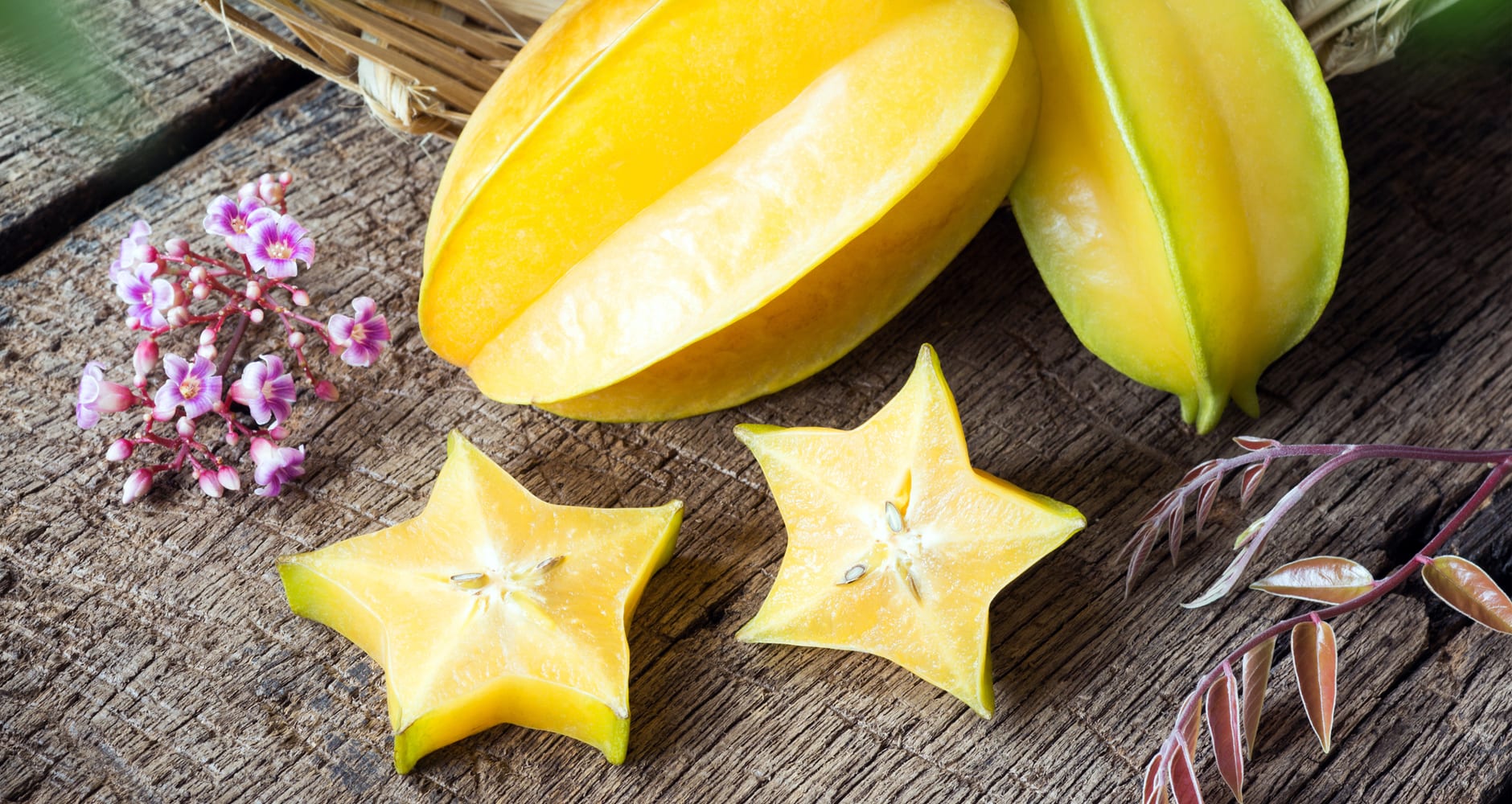
Star fruit can be eaten by some people with diabetes, but it is not automatically safe. Star fruit and diabetes need extra caution because kidney health changes the risk more than blood sugar does. A small serving of whole fruit may fit some meal plans, while star fruit juice, large portions, or frequent intake may be a poor choice. People with kidney disease, reduced kidney function, or unexplained kidney test changes should avoid star fruit unless their clinician says otherwise.
That distinction matters because diabetes care often includes routine kidney monitoring. If you do not know your kidney status, discuss star fruit before making it a regular habit.
Key Takeaways
- Kidney status matters most. Reduced kidney function can make star fruit unsafe.
- Whole fruit is different. Juice, extracts, and large portions concentrate exposure.
- It is not a treatment. Star fruit should not replace diabetes medication or meal planning.
- Symptoms need urgency. Hiccups, confusion, vomiting, weakness, or seizures after eating it need care.
- Portions still count. Track total carbohydrate and your own glucose response.
Star Fruit and Diabetes: The Short Answer
Star fruit, also called carambola, is a yellow-green tropical fruit with edible skin and a crisp texture. For diabetes, it belongs in the fruit category rather than the treatment category. It contains carbohydrate, fiber, fluid, and micronutrients, but it does not cure diabetes or reliably lower blood sugar.
The best way to think about star fruit and diabetes is as a portion and safety question. If your kidneys are healthy, a small amount of whole fruit may be tolerated as part of a balanced meal plan. If kidney function is reduced, the same fruit may carry a much higher risk because certain compounds may not clear from the body well.
For broader nutrition and diabetes-care context, browse the Diabetes Articles hub. It can help you place fruit choices within the larger pattern of food, medication, activity, and monitoring.
Why it matters: A fruit with modest carbohydrate can still be unsafe when kidney clearance is impaired.
Why Kidney Health Changes The Risk
Star fruit contains oxalate and a neurotoxin often called caramboxin. In people with healthy kidneys, small food exposures are usually cleared more easily. In people with chronic kidney disease, kidney failure, or dialysis dependence, these compounds can build up and affect the brain, nerves, and kidneys.
This is why the question is not only, is star fruit good for health. A food can have useful nutrients and still be dangerous for a specific person. Published reports describe neurologic symptoms and kidney injury after star fruit intake, especially in people with existing kidney disease. Severe cases have been fatal, particularly among people with kidney failure.
People with diabetes should pay attention because kidney checks are often part of diabetes follow-up. Diabetes does not mean you automatically have kidney disease. It does mean you should know whether your kidney tests, such as estimated glomerular filtration rate and urine albumin, are normal before treating star fruit as a regular food.
People who should avoid star fruit unless cleared
- Known kidney disease. This includes chronic kidney disease or kidney failure.
- Dialysis treatment. Star fruit poisoning has been reported in dialysis patients.
- Unclear kidney results. Avoid it until your clinician explains your tests.
- Recurrent kidney stones. Ask about oxalate if stones are a concern.
- Strict renal diet. Limits on potassium, fluid, or oxalate may matter.
If a clinician has told you to restrict certain fruits, minerals, or fluids, do not assume star fruit is an exception. The answer to why is star fruit bad for kidneys depends on clearance. When the kidneys cannot remove enough of its compounds, symptoms can escalate quickly.
Benefits People Ask About, With Realistic Limits
Star fruit benefits are often described in broad wellness terms. The fruit is water-rich, usually low in calories, and can provide vitamin C and some fiber. Its tart flavor can also make a small portion satisfying in salads or alongside unsweetened yogurt, nuts, or other foods that fit your plan.
Those qualities do not prove that star fruit lowers blood sugar, lowers cholesterol, or improves diabetes outcomes. Some research explores extracts or plant compounds, but an extract is not the same as eating a serving of fruit. It is also not the same as using a prescribed medication or a structured nutrition plan.
- Fiber supports fullness. It may slow digestion compared with juice.
- Water adds volume. This can help a serving feel refreshing.
- Tart flavor helps variety. It may reduce the need for sweet toppings.
- Whole fruit is preferable. Juice removes some portion-control advantages.
Questions about cholesterol, weight, and insulin resistance often overlap with fruit choices. The Insulin Resistance And Weight Gain resource explains why the overall pattern usually matters more than one food.
If you are considering star fruit for a specific health claim, pause first. Use glucose data, kidney status, lipid labs, and clinician guidance rather than relying on a single fruit as a health strategy.
How To Eat Star Fruit If It Is Safe For You
When people ask how to eat star fruit, the preparation is simple. Wash the fruit, slice it crosswise into star-shaped pieces, and remove seeds if you prefer. The skin is commonly eaten, and ripe fruit is usually yellow with light brown edges. Avoid fruit that looks spoiled, fermented, or unusually damaged.
If kidney health is not a concern and your care team has not advised avoidance, keep the serving measured. A cautious approach is to treat it like any other fruit with carbohydrate, not as a free food. Pairing fruit with a meal may also make glucose patterns easier to interpret than eating several new foods at once.
- Start with a small portion so you can observe your response.
- Choose whole fruit rather than juice or sweetened preparations.
- Avoid star fruit extracts unless your clinician specifically approves them.
- Count the total carbohydrate in your meal, not only the fruit.
- Review repeated glucose highs or lows with your care team.
Use this calculator to translate a measured portion’s total carbohydrate into carb servings. It helps with arithmetic, not personal carbohydrate targets.
Carb Serving Calculator
Convert total carbohydrate grams into carb choices for meal planning and diabetes education.
These calculations are for education only and do not replace clinical advice, diagnosis, or treatment. Always confirm medical decisions with a qualified healthcare professional.
Quick tip: Enter total carbohydrate from a measured portion, not an estimate from memory.
Food databases and labels can vary, especially for fresh produce. If you use carbohydrate counting, consistency helps. Record the portion size, the meal context, and your glucose response rather than assuming one fruit will affect everyone the same way.
Glucose Checks, Medications, And Meal Context
Star fruit does not require a special diabetes medication change by itself. The more practical issue is how it changes your total carbohydrate intake. If you use insulin or a medication that can cause hypoglycemia, skipped meals or sudden carbohydrate reductions can increase the chance of low blood sugar.
Do not use star fruit, or any fruit, to adjust medication on your own. Ask your clinician, pharmacist, or registered dietitian before changing carbohydrate targets, meal timing, or medication routines. This is especially important during pregnancy, kidney disease, gastroparesis, eating-disorder recovery, or repeated unexplained highs or lows.
Many readers asking about star fruit and diabetes are also changing weight, carbohydrates, or meal schedules. A single fruit choice usually has less impact than consistent meals, portions, sleep, activity, and medication use. For broader lifestyle context, see Lose Weight With Insulin Resistance.
Very low-carbohydrate eating patterns need extra care when diabetes medications are involved. If you are comparing lower-carb approaches, the Ketogenic Diet For Weight Loss And Diabetics guide explains why medical context matters.
Glucose response varies from person to person. If you use a meter or continuous glucose monitor, checking your pattern around a new fruit can be useful. Look for trends over time, not a single reading taken during stress, illness, or unusual activity.
Star Fruit Poisoning Symptoms Need Prompt Attention
Star fruit poisoning is uncommon in healthy adults eating a small amount, but it can become serious. Reported symptoms include persistent hiccups, nausea, vomiting, abdominal discomfort, weakness, numbness, confusion, agitation, altered consciousness, and seizures. These symptoms are more concerning after star fruit intake in anyone with kidney disease.
Seek urgent medical care if neurological symptoms, severe vomiting, chest discomfort, fainting, or seizures occur after eating star fruit. Tell the care team what was eaten, how much, when symptoms started, and whether kidney disease or dialysis is part of the medical history.
The question can star fruit kill you sounds extreme, but it deserves a careful answer. Severe poisoning has been fatal in published case reports, mainly among people with kidney failure or serious kidney impairment. That does not mean a healthy adult is expected to die from one small serving. It does mean kidney-related warnings should be taken seriously.
Is There A Most Diabetes-Friendly Fruit?
No single fruit is the most diabetes-friendly choice for everyone. A useful fruit choice fits your portion plan, does not worsen your glucose pattern, and does not conflict with kidney or digestive restrictions. Whole fruits with fiber are usually easier to portion than juices, syrups, sweetened dried fruit, or smoothies with several servings blended together.
Star fruit can seem appealing because it tastes tart and is often described as lower in sugar than some fruits. Still, lower sugar does not erase the kidney warning. In that sense, star fruit and diabetes is not a yes-or-no topic for everyone. It is a decision that depends on kidney function, total carbohydrate, medication context, and symptoms.
There is also no miracle fruit for diabetes. Foods can support a pattern, but they do not replace monitoring, medication when prescribed, or regular care. If you feel pressure to use one fruit, supplement, or juice as a shortcut, that is a sign to slow down and verify the claim with a qualified professional.
A Practical Way To Decide
If your kidney function is reduced, the safest choice is to avoid star fruit unless your kidney specialist or clinician gives specific guidance. If your kidney function is normal, you can discuss whether a small, measured serving makes sense within your meal plan. Either way, avoid using star fruit juice or extracts as a diabetes remedy.
For condition navigation, the Diabetes Condition Hub lists diabetes-related options, while Diabetes Products is a browseable product category. Where prescriptions are required, details may need prescriber confirmation.
For star fruit and diabetes, the safest decision is usually the least dramatic one. Know your kidney status, keep portions measured, avoid concentrated forms, and seek care quickly if unusual symptoms appear after eating it.
Authoritative Sources
- Read the National Kidney Foundation guidance on starfruit poisoning for kidney-specific warnings.
- See a case series and literature review on star fruit nephrotoxicity for clinical reports.
- Use American Diabetes Association guidance on understanding carbohydrates for carb-counting context.
This content is for informational purposes only and is not a substitute for professional medical advice.


