
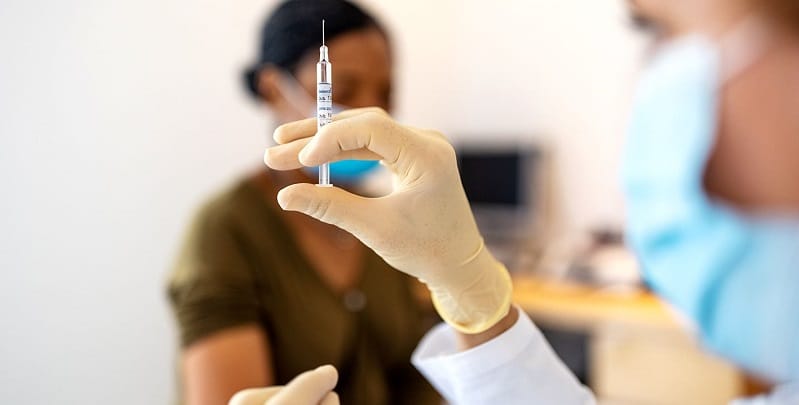
For most people living with diabetes, COVID vaccination is generally recommended because diabetes can raise the risk of severe illness from COVID-19. The main diabetes and covid vaccine issue is not usually the shot itself, but how your body reacts afterward. Fever, stress hormones, less activity, and dehydration can temporarily change blood glucose. Planning ahead helps you monitor safely without making rushed medication changes.
Key Takeaways
- Higher COVID risk: Diabetes can increase severe illness risk.
- Vaccines help: Protection can reduce serious outcomes.
- Glucose may shift: Short-term highs are possible after shots.
- Side effects overlap: Most reactions resemble the general population.
- Plan follow-up: Seek help for ketones, severe allergy, or persistent symptoms.
This article focuses on practical diabetes and covid vaccine questions: side effects, blood sugar changes, booster eligibility, and warning signs. It does not replace personal medical advice, especially if you use insulin, have kidney disease, are pregnant, or have repeated hypoglycemia.
Why COVID-19 Matters More When You Have Diabetes
Diabetes can make COVID-19 harder on the body because high glucose can affect immune response and inflammation. This does not mean every person with diabetes will have severe illness. It means the risk profile is different, especially when glucose is unstable or other conditions are present.
During infection, the body releases stress hormones such as cortisol and adrenaline. These hormones can increase glucose production by the liver and reduce insulin sensitivity. Appetite, hydration, sleep, and activity may also change. Together, these shifts can make blood sugar less predictable.
That risk is one reason vaccination remains important for many people with type 1 or type 2 diabetes. Vaccines train the immune system to recognize the virus before a serious infection develops. They do not remove all risk, but they can reduce the chance of severe outcomes for many people.
For broader context on infection severity, prevention choices, and glucose management during illness, see Covid And Diabetes. You can also browse the Infectious Disease collection for related prevention topics.
Why it matters: The infection itself can be more disruptive to glucose than a short vaccine reaction.
Common Side Effects and Diabetes-Specific Concerns
The side effects of COVID vaccine doses are usually similar in people with and without diabetes. Common reactions include a sore arm, fatigue, headache, chills, muscle aches, mild fever, and feeling unwell for a day or two. These symptoms reflect immune activation, not infection from the vaccine.
For someone managing diabetes, the practical concern is how these symptoms affect food intake, fluids, sleep, and medication routines. A mild fever can push glucose higher. Nausea may make eating harder. Extra rest may reduce activity, which can also raise readings for some people.
Low blood sugar can also happen in some situations. This may occur if you eat less than usual while taking insulin or medicines that can cause hypoglycemia, such as sulfonylureas. Keep fast-acting carbohydrate nearby if you are prone to lows.
Serious reactions are uncommon, but they matter. Seek urgent help for trouble breathing, swelling of the face or throat, chest pain, fainting, confusion, severe weakness, or symptoms that feel rapidly worse. If you have a history of severe allergic reactions, discuss vaccine planning with your clinician or vaccine provider before the appointment.
Some readers also ask whether the COVID vaccine causes diabetes. Case reports have described new-onset diabetes or diabetic ketoacidosis after vaccination, but case reports cannot prove cause and effect. COVID-19 infection itself has also been linked with new or worsening diabetes in research. If you develop increased thirst, frequent urination, unexplained weight loss, vomiting, or very high readings, seek clinical assessment rather than assuming the cause.
Can the COVID Shot Raise Blood Sugar?
Yes, a COVID shot can raise blood sugar for a short time in some people. This is usually related to the immune response, fever, stress hormones, reduced activity, or dehydration. For many people, readings settle as symptoms improve.
The phrase “can vaccines raise blood sugar” often sounds alarming, but the pattern is usually temporary. A mild rise for 24 to 72 hours is different from a sustained change in diabetes control. The safest response is structured monitoring, not large unsupervised dose changes.
If you use a continuous glucose monitor, review trends more often during the first two or three days. If you use fingerstick testing, consider checking before meals, at bedtime, and when symptoms feel unusual. Follow the sick-day plan your diabetes team has already provided.
Use the converter below if your readings, lab reports, or care instructions use different glucose units. It helps convert mg/dL and mmol/L, but it does not interpret your results or replace clinical advice.
Blood Glucose Unit Converter
Convert glucose readings between mg/dL and mmol/L without changing the clinical value.
These calculations are for education only and do not replace clinical advice, diagnosis, or treatment. Always confirm medical decisions with a qualified healthcare professional.
Short-Term Highs
Temporary hyperglycemia may appear the day of vaccination or the next day. Fever, poor sleep, and dehydration can all contribute. Drink fluids, eat as normally as you can, and avoid skipping prescribed basal insulin unless your clinician has told you otherwise.
Low Blood Sugar Risk
Hypoglycemia is less commonly discussed, but it can happen if your appetite drops. This matters most for people using insulin or insulin-releasing medicines. Keep glucose tablets, juice, or another fast carbohydrate within reach.
Ketones and Sick-Day Rules
People with type 1 diabetes, and some people with insulin-treated type 2 diabetes, may need ketone checks during illness or persistent high glucose. Ketones with vomiting, abdominal pain, rapid breathing, or marked fatigue need prompt medical advice. Do not wait if symptoms suggest diabetic ketoacidosis.
For a deeper look at baseline immune questions, Are Diabetics Immunocompromised explains how diabetes can affect infection risk in plain terms.
Type 1, Type 2, and Medication Considerations
Type 1 and type 2 diabetes can both require extra monitoring after vaccination, but the main concerns differ. People with type 1 diabetes need to watch for persistent hyperglycemia and ketones. People with type 2 diabetes may need to consider insulin resistance, dehydration, and medicines that affect lows or sick-day risk.
For type 2 diabetes and COVID-19 vaccine side effects, the expected symptom pattern is usually the same as in the general population. The difference is the follow-through. If you use metformin, SGLT2 inhibitors, sulfonylureas, GLP-1 receptor agonists, or insulin, ask your care team what to do if fever, vomiting, or poor intake occurs.
Metformin is often continued during routine vaccination, but dehydration or significant vomiting may change sick-day instructions. SGLT2 inhibitors may require special caution during illness because ketones can develop even when glucose is not extremely high. Insulin users should follow their established correction and ketone plan.
Do not stop or change diabetes medicines on your own because you received a vaccine. Instead, prepare a simple plan before the appointment. Know when to test, which symptoms to watch, and who to call if readings remain outside your usual range.
If you want background on diabetes medicines and how they affect glucose, see Metformin And Long COVID. For navigation across broader diabetes topics, the Diabetes Articles collection may also help.
Boosters, Timing, and Practical Preparation
Booster eligibility depends on age, health status, previous vaccine timing, prior infection, and current public health recommendations. People with diabetes are often included in groups considered at higher risk for severe COVID-19, but schedules change as variants and vaccine formulations change.
Check current local guidance before scheduling. The CDC vaccine schedule page provides updated information on staying current with COVID vaccination. Your clinician or pharmacist can help apply that guidance to your situation.
Preparation does not need to be complicated. Choose a day when you can monitor readings and rest if needed. Eat a usual meal if you can. Bring your glucose meter or confirm that your CGM is working. Keep water and fast carbohydrate available.
Quick tip: Set phone reminders for glucose checks during the first 48 hours.
If possible, avoid scheduling vaccination right before a major travel day, intense exercise event, or appointment where a brief fever would cause problems. This is not because the vaccine is unsafe for diabetes. It simply gives you room to respond to short-term symptoms.
- Before the shot: Confirm your usual monitoring supplies.
- Same day: Hydrate and keep meals predictable.
- First night: Watch for fever, highs, or lows.
- Next two days: Review glucose trends more often.
- If unwell: Follow your sick-day plan.
- If severe symptoms occur: Seek urgent medical care.
If you use insulin supplies or need to understand diabetes product categories, the Diabetes Products collection can support general navigation. CanadianInsulin.com is a prescription referral platform, and dispensing or fulfilment is handled by licensed third-party pharmacies where permitted.
A1C Changes, New Symptoms, and Long-Term Questions
A brief glucose rise after vaccination usually has a small effect on A1C because A1C reflects average glucose over roughly three months. If vaccination happens near a lab draw, a few high days may slightly affect the average, but sustained changes usually point to broader factors.
Elevated A1C after COVID vaccine reports should be interpreted carefully. Stress, infection, reduced activity, steroid use, sleep disruption, diet changes, and missed medicines can all affect A1C. If your readings remain higher for weeks, review the pattern with your diabetes team.
Long-term side effects from COVID vaccines are monitored by public health systems and regulators. Most side effects appear soon after vaccination and resolve. Rare serious events have been reported, including severe allergic reactions and certain heart inflammation events, but individual risk depends on age, sex, vaccine type, health history, and current guidance.
Blood disorders are another common concern. Rare clotting conditions were mainly associated with specific adenovirus-vector vaccines, not all COVID vaccine types. If you develop severe headache, vision changes, chest pain, shortness of breath, leg swelling, unusual bruising, or persistent abdominal pain after vaccination, seek medical care promptly.
People also ask about vaccine-induced autoimmune diabetes. Research includes case reports and small series, but these do not prove that vaccination commonly causes autoimmune diabetes. New diabetes symptoms deserve evaluation, including glucose testing and, when appropriate, ketone assessment or autoimmune markers ordered by a clinician.
For a broader discussion of vaccine research in diabetes, including experimental immune approaches, see Diabetes Vaccine. If you are comparing infection risk with prevention choices, the Diabetes condition page can also help with site navigation.
Authoritative Sources
For current vaccination schedules, product timing, and eligibility details, consult the CDC COVID vaccine guidance. Recommendations may change as formulations and circulating variants change.
For general COVID-19 risk information by medical condition, review the CDC risk factor resource. It summarizes conditions linked with higher risk of severe illness.
For diabetes-specific vaccine information and patient education, the American Diabetes Association vaccine resource offers practical background for people living with diabetes.
Recap
The diabetes and covid vaccine decision is mainly about balancing COVID-19 risk with short-term vaccine reactions. For many people with diabetes, vaccination remains an important protection against severe illness. The most common diabetes-specific issue is temporary glucose variability, especially after fever, poor sleep, reduced activity, or dehydration.
Plan ahead, monitor more often for a short period, and follow your existing sick-day instructions. Contact a clinician for persistent high readings, ketones, repeated lows, severe allergic symptoms, chest pain, breathing trouble, or new diabetes symptoms such as intense thirst and frequent urination.
This content is for informational purposes only and is not a substitute for professional medical advice.


