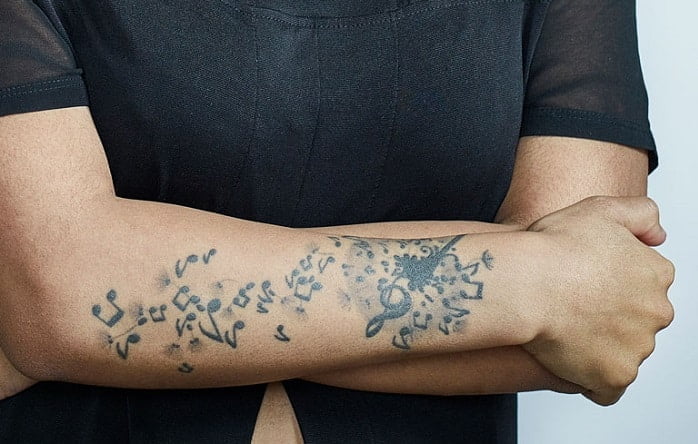
Most people with stable diabetes can get a tattoo, but safety depends on glucose patterns, circulation, nerve health, skin condition, and aftercare. Diabetes and tattoos require extra planning because tattooing creates thousands of small skin wounds. If blood glucose is often high, or if circulation is poor, healing may be slower and infection risk may rise.
This does not mean body art is automatically unsafe. It means you should choose timing, placement, and studio standards carefully. The sections below explain what to check before booking, when to postpone, and how to recognize healing problems early.
Key Takeaways
- Stable glucose helps: Better day-to-day control supports normal wound repair.
- Placement matters: Avoid areas with poor sensation, poor blood flow, ulcers, or frequent injections.
- Studio hygiene is critical: Use licensed artists with single-use needles and clear sanitation practices.
- Aftercare needs attention: Clean gently, avoid soaking, and watch for infection signs.
- Ask before booking: A clinician can advise if you have complications or recent wounds.
Can You Get a Tattoo With Diabetes?
Yes, many adults with type 1 or type 2 diabetes can get tattoos. The safer situation is stable glucose, healthy skin, and no active infection or wound near the planned site. The higher-risk situation includes frequent high glucose, peripheral arterial disease (reduced blood flow), neuropathy (nerve damage), foot ulcers, or repeated skin infections.
Why this matters: tattooing breaks the skin barrier. Your immune system must control bacteria, close the wound, and rebuild the surface layer. High glucose can make that process less efficient. Reduced blood flow can also limit oxygen and nutrients reaching the tattooed skin.
People often ask, can you get a tattoo with type 2 diabetes. In many cases, the answer is yes, but timing matters. Type 2 diabetes and tattoos are usually safer when glucose readings are predictable, the tattoo area is well perfused, and your clinician has no concerns about recent infections, circulation, or medications.
The same principle applies to type 1 diabetes and tattoos. People using insulin may also need to think about appointment length, meals, glucose checks, and where they place pumps or continuous glucose monitors. If you have frequent lows, review your plan for a long sitting before the appointment. For a refresher on recognizing and responding to low glucose, see Low Blood Sugar Steps.
Health Factors That Change Tattoo Risk
The biggest safety question is not the diabetes label alone. It is whether your skin can heal well at that time. Three issues deserve special attention: glucose control, circulation, and sensation.
Glucose patterns and A1C
There is no universal A1C number that guarantees a tattoo will heal well. A1C is a useful three-month average, but it does not show every high or low. Some studios may set their own policies, and some clinicians may advise waiting if recent readings have been unstable.
Use A1C as one piece of the picture. Also consider daily readings, recent illness, steroid use, antibiotics, sleep, hydration, and nutrition. If you are unsure how your A1C relates to estimated average glucose, this calculator can help with a general conversion. It does not replace clinical review.
HbA1c & eAG Calculator
Convert between HbA1c percentage and estimated average glucose using the ADAG relationship.
These calculations are for education only and do not replace clinical advice, diagnosis, or treatment. Always confirm medical decisions with a qualified healthcare professional.
Circulation and nerve health
Poor circulation can slow healing because the skin receives less oxygen. Neuropathy can make injuries harder to feel. This combination is especially important in the feet, ankles, shins, and lower legs.
If you have a history of ulcers, slow-healing cuts, or numbness, avoid tattooing those areas unless your clinician says the risk is acceptable. For deeper context on lower-limb warning signs, read Diabetic Foot Ulcer Warning Signs.
Skin infections and irritation
Do not tattoo over a rash, eczema flare, fungal infection, cracked skin, sunburn, or an unhealed scratch. A tattoo should start on intact, calm skin. People with diabetes may also be more prone to some skin infections, so minor irritation deserves attention before it becomes a bigger problem.
If you have recurring fungal rashes, athlete’s foot, or yeast infections around skin folds, address those before scheduling body art. For related background, see Diabetes and Fungal Infections.
Pre-Tattoo Planning: What to Check First
Good planning lowers avoidable risk. Before booking, choose a time when your diabetes routine is steady and your skin is healthy. Avoid scheduling during illness, after a recent infection, or when glucose readings have been unusually high or low.
- Review recent readings: Look for patterns, not one isolated result.
- Check the skin: Postpone for rashes, cuts, burns, or irritation.
- Ask about complications: Discuss neuropathy, circulation problems, kidney disease, or ulcers.
- Plan meals and monitoring: Bring supplies for long sessions if needed.
- Tell the artist: Identify injection, pump, and sensor areas to avoid.
- Confirm studio licensing: Ask about sterilization and needle handling.
Metformin and tattoos do not have a known pigment interaction. The larger issue is whether glucose control and skin health are stable enough for wound healing. Other medicines may matter more for timing, especially anticoagulants, immune-suppressing drugs, or recent steroid courses. Ask your clinician before booking if you take medicines that affect bleeding or immunity.
If you are reviewing diabetes treatment basics before a tattoo appointment, Common Diabetes Medications explains broad medication classes in plain language. Use it for background, not as a reason to change treatment without professional guidance.
Quick tip: Book a shorter first session if you are unsure how your glucose responds to stress, pain, or sitting still.
Placement Choices: Where Tattoos May Heal Better
Choose skin with good circulation, normal sensation, and low daily friction. Upper arms, shoulders, upper back, or other well-perfused areas may be easier to protect than feet or shins. Individual health matters more than a fixed body map.
Can diabetics get tattoos on their legs? Some can, especially when circulation and sensation are normal. However, lower legs and feet can be riskier for people with neuropathy, peripheral arterial disease, swelling, or past ulcers. Avoid tattooing over scars from slow-healing wounds, even if the area looks quiet now.
Protect injection and device sites. Do not tattoo over current or recent continuous glucose monitor sites, insulin pump infusion sites, or areas you commonly use for injections. Scar tissue, irritation, and adhesive reactions can complicate both tattoo healing and future device placement. If you use CGM supplies, the Dexcom G7 Sensor page can help you identify device-related considerations to discuss with your care team and artist.
Think ahead about clothing and movement. Waistbands, bra straps, socks, and work boots can rub a fresh tattoo. If the skin moves or stretches a lot, a detailed design may need more careful placement. Your artist can help adapt the design, but your medical history should shape the final location.
Studio Hygiene and Infection Prevention
A clean studio is non-negotiable. Choose a licensed tattoo artist who follows local rules and can explain infection-control steps clearly. The artist should wash hands, wear new gloves, disinfect work surfaces, and open sterile needle packages in front of you.
Ask practical questions before the appointment. How are reusable parts sterilized? Are ink caps single-use? Are machine barriers changed between clients? Does the studio document ink lot numbers? A professional artist should answer without pressure or defensiveness.
Do not shave the area yourself immediately before the session unless the studio instructs you to do so. Small nicks can raise infection risk. Avoid alcohol before the appointment because it can affect bleeding and judgment. Eat normally unless your clinician has given different instructions.
Early diabetes tattoo infection signs include worsening redness after the first couple of days, spreading warmth, increasing swelling, pus, red streaks, fever, or pain that escalates instead of settling. People with neuropathy may not feel pain clearly, so visual checks matter. Seek medical care promptly if symptoms suggest infection.
Why it matters: Delayed treatment can allow a small skin infection to spread into deeper tissue.
Healing and Aftercare: What to Expect
Diabetes tattoo healing follows the same basic stages as other tattoo healing, but it may take longer if glucose is high or blood flow is reduced. Mild redness, tenderness, and clear fluid can occur early. Scabbing and peeling may follow. The tattoo should gradually look calmer, not more inflamed.
Follow your artist’s written aftercare instructions unless a clinician gives different guidance. In general, keep the area clean, wash gently with mild fragrance-free cleanser, pat dry, and apply a thin layer of recommended aftercare product. Avoid soaking in baths, pools, hot tubs, lakes, or oceans while the skin is open.
Sun exposure can irritate fresh tattoos and affect appearance. Tight clothing can trap moisture and rub the area. Heavy sweating may also irritate healing skin. Keep glucose monitoring consistent during recovery, especially if pain, stress, or disrupted sleep affects your usual readings.
Diabetes tattoo color change can happen for several reasons. Normal healing may make a tattoo look dull or cloudy before the surface settles. Infection, allergic reaction, heavy scabbing, or trauma can also affect pigment. If color change comes with swelling, drainage, rash, or spreading redness, get medical advice rather than waiting for a touch-up.
Design Ideas With Medical and Personal Meaning
Diabetes tattoos can be personal, practical, or both. Some people choose a medical alert tattoo to communicate insulin use, type 1 diabetes, or device use in an emergency. Others prefer symbols, dates, blue circles, glucose lines, or phrases that reflect resilience without functioning as a medical ID.
If you want a medical alert tattoo, keep readability first. Emergency responders may not recognize a highly stylized design. Clear wording near the wrist or forearm may be easier to interpret than small symbols alone. A diabetic tattoo symbol can add meaning, but it should not hide essential information if emergency communication is your goal.
Type 2 diabetes tattoo ideas often focus on personal milestones, lifestyle changes, family support, or awareness. Type 1 designs may include insulin, CGM patterns, pancreas imagery, or alert text. Both can be meaningful. The best design still respects skin health, future device placement, and healing risk.
If you want broader diabetes education while planning a design, the Diabetes Articles collection offers condition-focused reading. For skin-related topics, the Dermatology Articles collection can help you explore common skin concerns.
Piercings and Other Body Modifications
Many people with diabetes can also get piercings, but the same safety rules apply. Piercings create a puncture wound and require clean technique, appropriate jewelry, and careful aftercare. Cartilage, nipples, navels, and areas with lower blood flow may heal more slowly than earlobes.
Can diabetics get piercings? Often yes, when glucose is stable and the site is healthy. Avoid piercing areas with current irritation, prior non-healing wounds, or repeated infection. Choose implant-grade materials when possible, especially if you react to nickel or costume jewelry.
Seek care for increasing pain, swelling, pus, spreading redness, fever, or jewelry that becomes embedded. Do not remove jewelry from a suspected infected piercing without medical guidance, as drainage can become trapped in some cases.
Authoritative Sources
For safety guidance on body art with diabetes, see Diabetes UK on tattoos and piercings. It explains why glucose control and aftercare matter.
For a clinician-reviewed overview of tattoo considerations, see Cleveland Clinic tattoo safety guidance. It discusses infection risk and body placement.
For Canadian public-health context on safe tattooing and infection prevention, review Government of Canada body art safety.
Recap
Diabetes and tattoos can be compatible when the timing, site, and aftercare are sensible. The safest plan starts with stable glucose, intact skin, and a licensed studio. It also avoids areas with poor circulation, numbness, ulcers, or frequent device use.
Before booking, talk with your clinician if you have complications, repeated infections, recent wounds, or medication changes. After the session, monitor the tattoo closely and seek care early for infection signs. Body art can be expressive, but wound safety should come first.
This content is for informational purposes only and is not a substitute for professional medical advice.