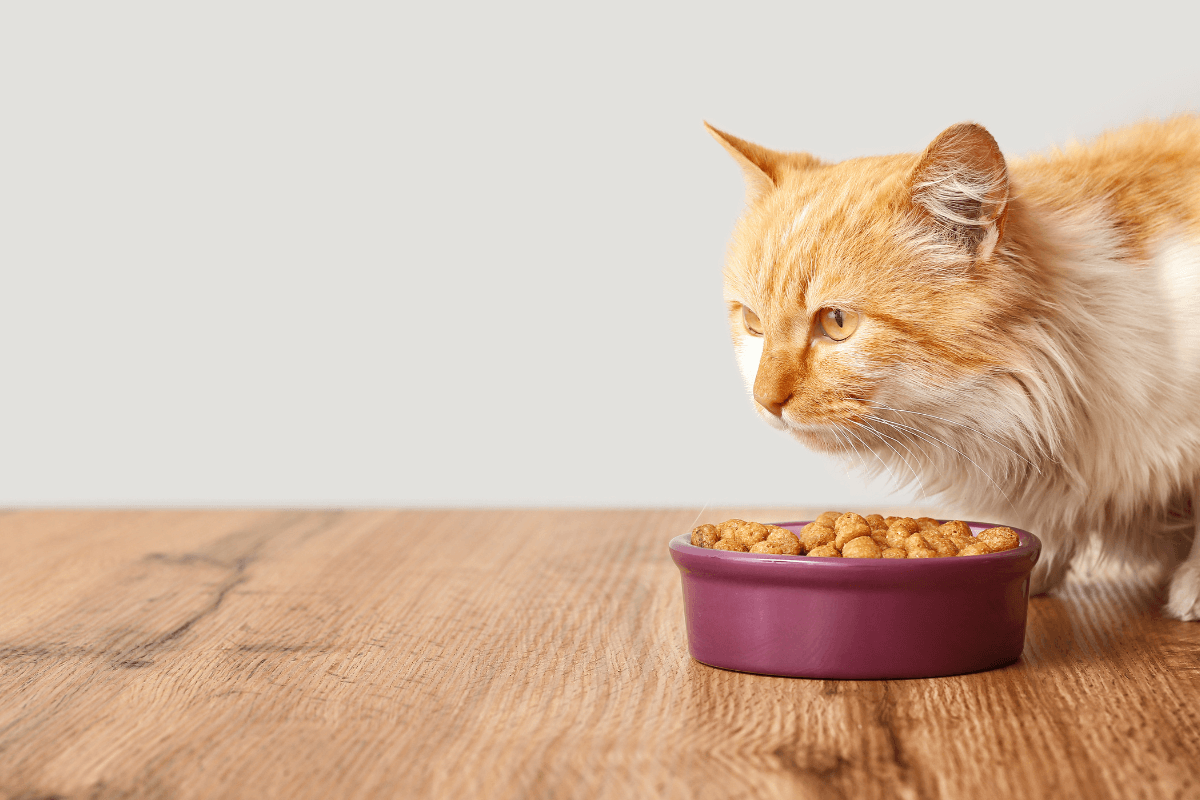
The best diabetic cat food is usually a complete and balanced wet diet with high animal protein and relatively low carbohydrates. That is the short answer behind most vet-reviewed feeding plans. The better question is whether that food matches your cat’s insulin routine, weight goals, kidney health, and appetite. A food that looks ideal on paper can still fail if your cat will not eat it consistently. If you are still sorting out diagnosis, review Feline Diabetes Signs first.
Key Takeaways
- Wet, lower-carbohydrate foods often fit diabetic cats better than dry kibble.
- Complete and balanced nutrition matters more than marketing terms.
- Prescription diets can help, but some non-prescription wet foods may also fit the goal.
- Meal timing and steady calorie intake matter as much as ingredient lists.
- Any major food change can alter insulin needs, so monitoring stays important.
What Makes Food Diabetic-Friendly For Cats?
In most cases, a diabetes-friendly cat food keeps carbohydrate load lower and protein quality higher while still supporting daily nutrition. Cats are obligate carnivores, so protein-forward diets usually make more physiologic sense than heavily starchy menus. Moisture matters too, which is one reason canned foods enter the conversation early.
Moisture is not just an added bonus. Many diabetic cats are older and may also have kidney or urinary concerns. Foods with more water can support daily hydration, although they do not replace treatment for any other underlying illness.
There is no single brand that wins every time. An overweight newly diagnosed cat may need a different plan than a thin senior cat with poor appetite. Kidney disease, pancreatitis, dental pain, bowel disease, and food intolerance can all shift the choice. This broader Feline Diabetes Overview helps explain why diet is only one part of management.
Weight matters as much as ingredients. Many diabetic cats are overweight at diagnosis, and gradual fat loss can improve insulin sensitivity. Others are underweight and need calorie-dense meals that still keep carbohydrates reasonable. The goal is not just lower carbs. It is a diet that supports lean muscle, steady intake, and realistic portions.
Palatability matters too. A nutritionally ideal food does little good if the cat only licks the gravy or refuses the bowl after two days. Texture, smell, can size, and feeding environment all influence whether a plan works in real life.
If your cat already uses insulin, food consistency becomes as important as ingredients. Sudden changes in calories or carbohydrate intake may change glucose patterns and the risk of low or high blood sugar. Review the basics of Insulin For Cats before making a major switch, and tell your veterinarian if meals are being skipped.
Why it matters: The right food is the one your cat will eat reliably enough to support safe monitoring.
Wet Food, Dry Food, and Prescription Diets
Wet food is often the starting point because many canned diets contain less starch and more water than kibble. Dry food is not automatically wrong, but it can be harder to keep carbohydrates lower because kibble needs starch for structure. For many households, the best fit ends up being a wet formula the cat will actually eat every day.
Is Pate Better Than Gravy?
Often, yes. Pate-style foods may be lower in carbohydrate than gravy-heavy foods because gravies commonly rely on starch thickeners. That does not mean every pate is suitable or every gravy recipe is unsuitable. Owners often ask about Fancy Feast pate; some recipes may fit a diabetic plan, but formulas can vary, so treat it as a label-reading question rather than a brand rule.
Prescription diabetic diets can be useful when a veterinarian wants a more consistent nutrient profile, weight-control support, or a diet that also fits another medical issue. They are not automatically better than every store-bought option. Some non-prescription wet foods may also work when they are complete and balanced and match the treatment plan.
Cats that have eaten dry food for years may not switch cleanly to canned food. That does not make the goal wrong, but it does change the process. A slow transition using mixed textures, measured portions, and close follow-up is often safer than abruptly removing a preferred food, especially in a cat that already has a fragile appetite.
Prescription access is separate from food choice; CanadianInsulin.com is a referral platform, not a dispensing pharmacy.
| Option | When It May Fit | Main Cautions |
|---|---|---|
| Wet canned or pate | Often easier to keep lower in carbohydrates and higher in moisture | Some cats reject texture or need slow transitions |
| Dry kibble | May be practical for cats that strongly prefer it | Often higher in starch and easy to overfeed |
| Prescription diabetic diet | Useful when a clinician wants tighter nutrition targets | Not automatically better for every cat or budget |
| Homemade diet | Sometimes considered for ingredient control | Should be formulated by a veterinary nutritionist |
If a cat will only eat dry food, the discussion shifts from finding the perfect food to finding the safest workable one. Consistency, calorie control, and monitoring become even more important. The aim is still lower carbohydrate exposure where possible, but a diet the cat refuses is not a success.
How to Read a Label Before You Switch Foods
If you are comparing food for diabetic cats, ignore the front-label buzzwords first. Start with the statement that the food is complete and balanced for daily feeding, unless your veterinarian recommends a different life-stage plan.
Next, look at texture, calories, and the guaranteed analysis. Protein, fat, fiber, and moisture are listed, but carbohydrate is often not stated directly. That is why two foods that both sound healthy can behave very differently in a diabetic cat. Your veterinary team can help estimate carbohydrate content if the label is unclear.
Ingredients lists can help, but they do not tell the whole story. Seeing named meats near the top may be reassuring, yet the nutrient profile still matters more than ingredient marketing. A food with appealing ingredients can still be energy-dense, starch-heavy, or poorly matched to a cat that needs weight loss.
Do not compare canned and dry foods by protein percentage alone. Water dilutes canned numbers, so two labels can look far apart even when the underlying nutrient balance is similar on a dry-matter basis. If that sounds technical, ask your clinic to compare options side by side rather than guessing from the front of the package.
- Complete-and-balanced statement – suitable for routine feeding
- Named animal proteins – useful context, not the whole story
- Moisture level – canned foods usually provide more water
- Calorie density – helps with portion control and weight goals
- Texture acceptance – the right food must be eaten reliably
Calories per can or cup deserve more attention than many owners give them. Diabetic control is harder when portions drift upward and weight loss stalls. Measuring food for even two weeks can reveal that the issue was not the brand alone but how much was being fed.
Do not assume grain-free, natural, raw, or low-glycemic claims make a food better. Those terms do not guarantee a lower carbohydrate load. Build a short diabetic cat food list with two or three realistic choices, then review it with your veterinarian before a full switch. That is usually more useful than copying an online ranking.
Feeding Schedule, Insulin Timing, and Treats
A consistent routine is usually more useful than chasing a perfect ingredient list. Many diabetic cats do best when meals and insulin follow the same general schedule each day, but the exact timing depends on the insulin prescribed and your veterinarian’s plan. If you are learning technique, see Giving A Cat Insulin Shot and this overview of Lantus Glargine In Cats for background.
Some cats do well with two main meals. Others manage better with smaller scheduled meals or an automatic feeder. Either approach can work if total calories stay steady and the pattern matches monitoring. What matters most is avoiding big swings between eating well one day and barely eating the next.
Automatic feeders can help reduce late meals or middle-of-the-day gaps, but they should reinforce a plan, not create constant grazing. Free feeding tends to hide appetite changes, which makes it harder to know whether a cat truly ate enough before insulin.
The most important feeding question is what happens when the routine breaks. If your cat refuses a meal, vomits, or seems unwell, that is not the moment for internet advice or an automatic refill of treats. Contact your veterinarian promptly because safety decisions depend on the insulin being used and the cat’s current status.
Treats should be small, simple, and predictable. Freeze-dried meat or tiny pieces of plain cooked protein often make more sense than crunchy biscuits, gravy toppers, or semi-moist chews. Treat calories still count, especially in overweight cats.
Pay attention to behavior around the bowl. A cat that suddenly begs for food, seems disoriented, or hides after an injection needs prompt assessment. Food is part of the response, but the bigger issue may be glucose safety rather than simple hunger.
When required, prescription details may be checked with the prescriber.
- Should meals happen before each insulin dose?
- Can small snacks fit between injections?
- What should I do if my cat will not eat?
- Which treats fit the overall plan?
- When should home data prompt a call?
If your cat seems weak, trembly, disoriented, or suddenly ravenous, review the warning signs of Hypoglycemia In Cats. Ongoing excessive thirst or urination can point the other way toward Hyperglycemia In Cats.
Quick tip: Keep a one-week log of food offered, food eaten, insulin time, and any vomiting or low appetite.
Foods and Habits That Can Cause Problems
There is no single ‘number one enemy’ food for every diabetic cat, but high-carbohydrate habits are a common problem. Frequent gravy-heavy meals, free-choice dry kibble, sugary or sticky treats, and table scraps can all make glucose control harder.
The bigger issue may be inconsistency. A cat that eats half a can one day and nothing the next is harder to manage than a cat on a merely decent diet that is eaten reliably. Appetite changes can signal nausea, dental disease, stress, pancreatitis, or worsening diabetes rather than simple pickiness.
Food changes should be deliberate. Switching three diets in one week can create loose stool, food aversion, or confusing glucose patterns. A structured trial with measured portions usually tells you more than constant swapping between cans.
Human foods also create confusion. Bread, crackers, sweet yogurt, milk-based desserts, and starchy leftovers do not fit well with diabetic feeding goals. Even small extras can blur the picture when you are trying to judge whether the main diet is working.
Cats with dental pain or nausea may start preferring softer foods, licking gravy, or refusing chunks. That pattern can look like a brand problem when it is actually a medical one. In those cases, the menu matters less than finding the reason the cat’s eating behavior changed.
Homemade diabetic cat food also deserves caution. Unless a veterinary nutritionist formulates the recipe, homemade plans can miss taurine, minerals, calories, or essential fatty acids. If your cat stops eating, vomits repeatedly, or seems painful, review Pancreatitis In Cats and urgent Diabetic Ketoacidosis In Cats warning signs instead of focusing only on the bowl.
When Diet Is Not Enough
Food helps, but diabetic cat food does not replace insulin or follow-up when those are needed. If thirst, urination, weight loss, weakness, or lethargy continue after a diet change, the next step is reassessment, not endless brand switching.
Problems with insulin timing, injection technique, infections, dental disease, or concurrent illness can matter as much as nutrition. If you are troubleshooting unstable control, review common Insulin Dosing Mistakes. Wide swings in behavior, appetite, or thirst deserve medical review even when the food looks reasonable on paper.
Some cats can reach better control after weight loss, lower carbohydrate intake, and insulin therapy, but that possibility is exactly why unplanned changes are risky. A food that reduces post-meal glucose may also change how much insulin is needed. Monitoring should tighten when a major diet change is made.
Rechecks go better when you bring simple notes. Write down what food was offered, how much was eaten, when insulin was given, and any vomiting, lethargy, or unusual thirst. That record often shows whether the problem is the menu, the timing, or something else entirely.
If the case is complicated by kidney disease, obesity, bowel disease, or repeated pancreatitis, ask whether a veterinary nutritionist is appropriate. Complex cats often need a diet plan that balances several problems at once instead of chasing a single low-carbohydrate rule.
Where permitted, licensed third-party pharmacies handle dispensing and fulfilment.
Authoritative Sources
- For broad nutrition standards, see the WSAVA Global Nutrition Guidelines.
- For diabetes-specific feeding context, see Nutritional Strategies for Cats With Diabetes.
In practice, the best diabetic cat food is usually wet, protein-forward, and consistent from day to day. The safer choice is the food your cat eats well and your veterinarian can monitor over time. For broader reading, browse the Pet Health Hub.
This content is for informational purposes only and is not a substitute for professional medical advice.