
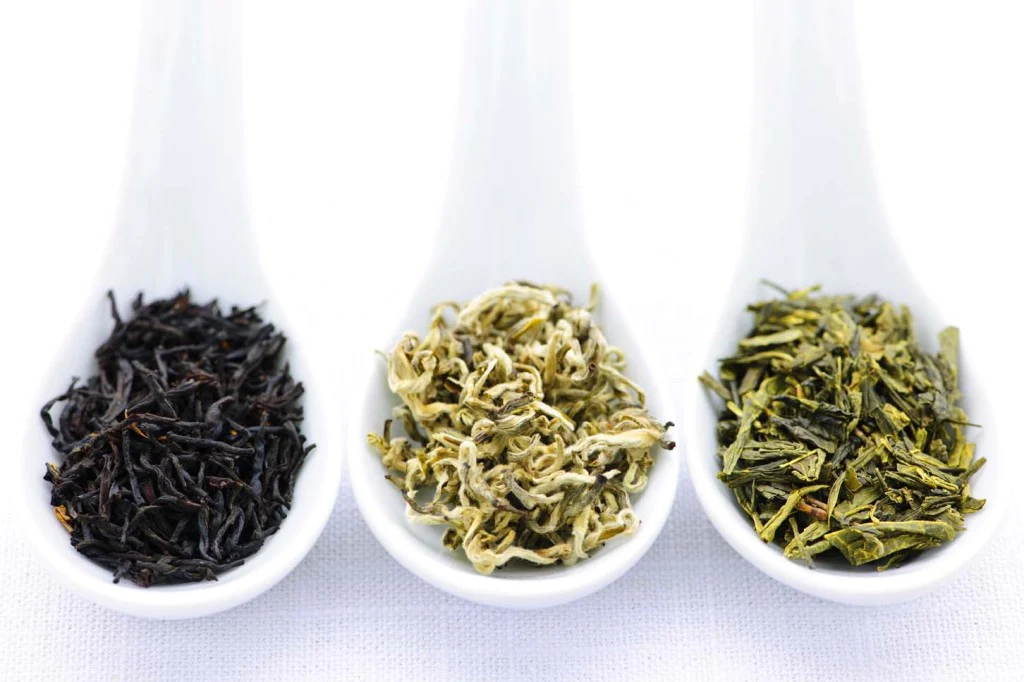
The best teas for diabetes are usually plain, unsweetened teas that replace higher-sugar drinks. Green tea has the strongest research signal, but the effect appears modest. Black tea, oolong tea, chamomile tea, and ginger tea can also fit because they are low in carbohydrate when brewed without sugar. No tea treats diabetes, flushes sugar from the blood, or replaces medication.
Why this matters: many tea drinks look healthy but contain sugar, syrups, sweetened milk, or toppings. The drink pattern often matters more than the tea leaf. A plain cup may support hydration and reduce added sugar intake, while a sweet café tea may raise glucose like a dessert drink.
Key Takeaways
- Green tea has the most consistent, modest evidence signal.
- Black, oolong, chamomile, and ginger teas can fit well unsweetened.
- Sweeteners and toppings often affect glucose more than tea type.
- No tea rapidly lowers A1C or replaces prescribed treatment.
- Caffeine, herb interactions, pregnancy, and kidney disease need extra caution.
Which Teas Have the Best Evidence?
The best teas for diabetes are not miracle drinks. They are low-sugar beverage choices with limited evidence for metabolic support. Research is strongest for green tea, while black tea, oolong tea, chamomile tea, and ginger tea have smaller or less consistent human data.
This does not mean those teas are useless. It means they should be judged realistically. A tea that helps you avoid soda, juice, sweet bottled tea, or high-sugar coffee drinks may improve your overall carbohydrate pattern. That practical replacement effect is often more meaningful than any single plant compound.
| Tea | Why it may fit | Evidence signal | Main caution |
|---|---|---|---|
| Green tea | Low-sugar, widely available, rich in catechins | Most consistent but modest | Caffeine may affect sleep or jitters |
| Black tea | Familiar daily drink for many adults | Mixed but plausible | Bottled versions may contain sugar |
| Oolong tea | Stronger flavor without sweetener | Limited human data | Usually caffeinated |
| Chamomile tea | Caffeine-free evening option | Small studies only | Herbal interactions are possible |
| Ginger tea | Easy to drink plain, often used for digestion | Early and variable | Blends vary widely |
These five teas are common choices because they can be brewed simply. They are also easier to evaluate than proprietary blends with long ingredient lists. If a product is marketed as a diabetes detox or blood sugar cure, treat the claim with caution.
Other teas appear often in online discussions. Cinnamon, turmeric, hibiscus, and lemon balm may still fit an unsweetened routine for some people. However, evidence specific to diabetes varies, and concentrated herbal products may raise more safety questions. For more context on cinnamon specifically, see Cinnamon And Diabetes.
Green tea leads, but expectations should stay modest
Green tea gets the most attention because it contains catechins, including EGCG. These plant compounds have been studied for possible effects on insulin sensitivity, oxidative stress, and glucose metabolism. Still, results in people are mixed, and benefits appear small when they occur.
If you are asking what tea is good for diabetes, plain green tea is a reasonable first answer. You do not need a premium blend or a medicinal label. Standard brewed green tea is enough for most people who tolerate caffeine. Matcha can contain more caffeine because it uses powdered tea leaves, so it may not suit everyone.
Black and oolong teas are practical choices
Black, green, and oolong teas come from the same plant, Camellia sinensis. Processing changes their flavor, color, and compound profile. Black tea is more oxidized, while oolong sits between green and black tea.
Human research for black tea and oolong tea is less consistent than for green tea. Even so, both can work well as everyday unsweetened drinks. For many adults, enjoyment matters. A plain tea you drink regularly is more useful than a stronger-tasting tea you only tolerate with sugar.
Chamomile and ginger offer caffeine-free options
Chamomile tea and ginger tea are useful because they are usually caffeine-free. Chamomile is often used in the evening, while ginger tea is popular as a warming drink after meals. Their evidence base is narrower than green tea’s, but they may still support a lower-sugar beverage routine.
Quick tip: Choose the tea you can enjoy plain most often.
What Tea Can and Cannot Do for Blood Sugar
Tea can support blood sugar management indirectly, but it does not act like diabetes medication. Blood glucose is influenced by food, activity, stress, sleep, hormones, illness, and prescribed treatments. A cup of tea cannot override those factors.
Tea may help in three limited ways. First, plain tea supports hydration. Second, it can replace drinks that contain sugar. Third, tea compounds may have modest effects on carbohydrate digestion, inflammation, oxidative stress, or insulin sensitivity in some studies. Those effects are supportive, not curative.
This distinction matters when people search for tea to lower blood sugar fast. No brewed tea reliably lowers high blood sugar quickly. If your glucose readings are repeatedly high, or if you feel unwell, a beverage is not the right tool to solve the problem. Follow the plan provided by your clinician and seek care when symptoms suggest urgency.
A1C is also not changed by one drink. Hemoglobin A1C reflects average blood glucose over roughly the past two to three months. Replacing sugary drinks with unsweetened tea may support a better pattern over time, but it should sit beside food planning, movement, sleep, monitoring, and medication when prescribed.
If you want a broader nutrition foundation, Plant-Based Nutrition For Diabetes covers food-pattern thinking beyond beverages. Fruit choices can also matter, and related context is available in Apples And Diabetes and Worst Fruits For Diabetics.
There is also no single Japanese tea, homemade recipe, or traditional blend that reliably treats diabetes. Some traditional drinks can be pleasant and low in sugar. That is different from being a treatment.
What Matters More Than the Tea Leaf
The main blood sugar issue is often what gets added to the cup. Plain brewed tea has little to no carbohydrate. Sweetened bottled teas, milk teas, chai lattes, boba drinks, honey-heavy herbal teas, and fruit-flavored café drinks can be very different.
- Added sugar: raises carbohydrate load quickly.
- Honey or agave: still counts as sugar.
- Sweetened milk: adds carbs and calories.
- Boba toppings: can turn tea into dessert.
- Large portions: increase the total sugar exposure.
- Powdered mixes: may hide added sugars.
Which tea does not spike blood sugar? In general, unsweetened tea is the clearest answer. Plain green, black, oolong, chamomile, and ginger tea are low-sugar choices when nothing caloric is added. Lemon, mint, cinnamon sticks, or unsweetened spices can add flavor without changing the drink into a sweet beverage.
Milk tea needs closer label reading. A splash of unsweetened milk is not the same as a café milk tea made with syrup, sweetened condensed milk, flavored powder, or tapioca pearls. The tea base may be low in carbohydrate, but the finished drink may not be.
Ready-to-drink teas also deserve attention. A bottle may look like a wellness drink while still containing several servings or a high sugar load. Check total carbohydrate, added sugars, and serving size. If you track carbohydrate servings, a calculator can help convert label grams into a rough serving count for comparison. It does not give personal medical advice.
Carb Serving Calculator
Convert total carbohydrate grams into carb choices for meal planning and diabetes education.
These calculations are for education only and do not replace clinical advice, diagnosis, or treatment. Always confirm medical decisions with a qualified healthcare professional.
Caffeine is another practical factor. Some people notice little glucose effect from caffeinated tea. Others feel jittery, hungrier, more anxious, or sleep worse. Poor sleep can make day-to-day glucose management harder. If caffeine affects you, decaf tea or herbal tea may be easier later in the day.
Why it matters: A low-sugar drink can become high-sugar through additions.
Tea for Type 2 Diabetes, High Blood Pressure, and Daily Routine
Tea for type 2 diabetes works best as part of a consistent routine, not as a stand-alone intervention. People often ask about tea and diabetes because they want a simple daily habit. That is reasonable, as long as the habit does not replace treatment, meals, monitoring, or medical follow-up.
For people also managing high blood pressure, caffeine and product labels matter. Green, black, and oolong teas usually contain caffeine. Herbal teas are often caffeine-free, but blends may include licorice root or other botanicals that are not appropriate for everyone. People with heart rhythm issues, uncontrolled blood pressure, pregnancy, kidney disease, liver disease, or complex medication regimens should be more cautious with concentrated herbal products.
Timing can also affect how a drink fits your day. Sweet tea on an empty stomach may cause a different glucose response than plain tea with a balanced meal. Tea late in the evening may disturb sleep if it contains caffeine. Tea used to skip meals can also make patterns harder to interpret, especially for people using insulin or medicines that can cause hypoglycemia (low blood sugar).
Individual response matters. If you monitor glucose at home, compare drinks under similar conditions. Note the tea type, serving size, additions, meal timing, and activity. One unusual reading may not prove much. Repeated patterns are more useful.
For broader condition navigation, the Diabetes Articles collection includes related education. The Diabetes Hub is a browseable condition page for diabetes-related information and products.
Safety Limits and Red Flags
Tea is generally safe for many adults, but safety depends on caffeine, ingredients, quantity, and your health context. Brewed tea is not the same as concentrated extracts, detox teas, or supplement blends. Stronger is not automatically better.
Caffeinated tea may cause palpitations, reflux, anxiety, tremor, or poor sleep in sensitive people. Herbal teas may interact with medicines or worsen certain conditions. This is especially relevant during pregnancy, while breastfeeding, with kidney or liver disease, before surgery, or when taking blood thinners, sedatives, blood pressure medicines, or glucose-lowering treatments.
Be careful with claims that promise to reverse diabetes, flush sugar, replace insulin, or work better than prescribed medications. Those claims are red flags. They often shift attention away from proven care and may encourage unsafe delays.
Symptoms matter more than the drink. Shaking, sweating, confusion, weakness, extreme thirst, vomiting, rapid breathing, or worsening illness should not be treated with tea. Those symptoms may need prompt medical assessment, especially for people using insulin or other glucose-lowering medicines.
Tea can also complicate appetite and meal timing. If you use tea to suppress hunger or replace meals, glucose readings may become less predictable. People with a history of eating disorders, gastroparesis, kidney disease, pregnancy, repeated highs or lows, or medication-related hypoglycemia should discuss nutrition changes with a clinician or registered dietitian.
How to Choose Tea Without Overthinking It
A good tea choice is one you enjoy plain, tolerate well, and can fit into your usual meals. The decision does not need to be complicated. Start with the drink pattern, then adjust for caffeine and ingredients.
- Start plain: brew tea without sugar first.
- Read labels: check carbohydrates and added sugars.
- Watch portions: count the full bottle or cup.
- Limit syrups: flavor does not need sugar.
- Match caffeine: choose decaf or herbal when needed.
- Track patterns: compare repeated readings, not one sip.
- Review herbs: ask about interactions when unsure.
If you like stronger flavors, black tea or oolong may help you avoid sweeteners. If you want a lighter drink, green tea may fit better. If you prefer evening tea, chamomile or ginger may be more practical because they are usually caffeine-free.
There is no need to chase a long list of specialty teas. A small number of unsweetened options can cover most situations. For example, you might keep green tea for mornings, ginger tea after dinner, and decaf black tea when you want a familiar taste without late-day caffeine.
People comparing diabetes supplies or browsing related categories can use the Diabetes Product Category as a navigation page. Prescription-related decisions should still come from a licensed clinician, not from a beverage article.
Where Tea Fits in a Diabetes Care Plan
Tea fits best as a low-sugar hydration choice. It is not the centerpiece of diabetes care. The strongest reason to use it is practical: it can replace sweet drinks and support a routine that is easier to maintain.
Diabetes management is cumulative. Food quality, carbohydrate amounts, medication use, movement, sleep, stress, and access to care all interact. A plain cup of tea may support that system, but it cannot compensate for frequent high-sugar beverages, missed medicines, or untreated symptoms.
For people using insulin or other glucose-lowering medicine, consistency is especially important. Keep meals, monitoring, and medication instructions aligned with your care plan. If a new tea or herbal product seems to change your readings, document the pattern and bring it to your healthcare team.
The most useful summary is simple. Green tea has the clearest research signal, but the best teas for diabetes are usually the unsweetened ones you can drink comfortably and consistently. Black tea, oolong, chamomile, and ginger can all fit when the goal is fewer added sugars, better hydration, and realistic expectations.
Authoritative Sources
- For diabetes nutrition and healthy living basics, see the CDC healthy eating guidance for diabetes.
- For general diabetes diet and activity information, review the American Diabetes Association food and nutrition resources.
- For mechanisms studied in tea research, see this NIH-hosted review of tea effects and mechanisms.
This content is for informational purposes only and is not a substitute for professional medical advice.


