
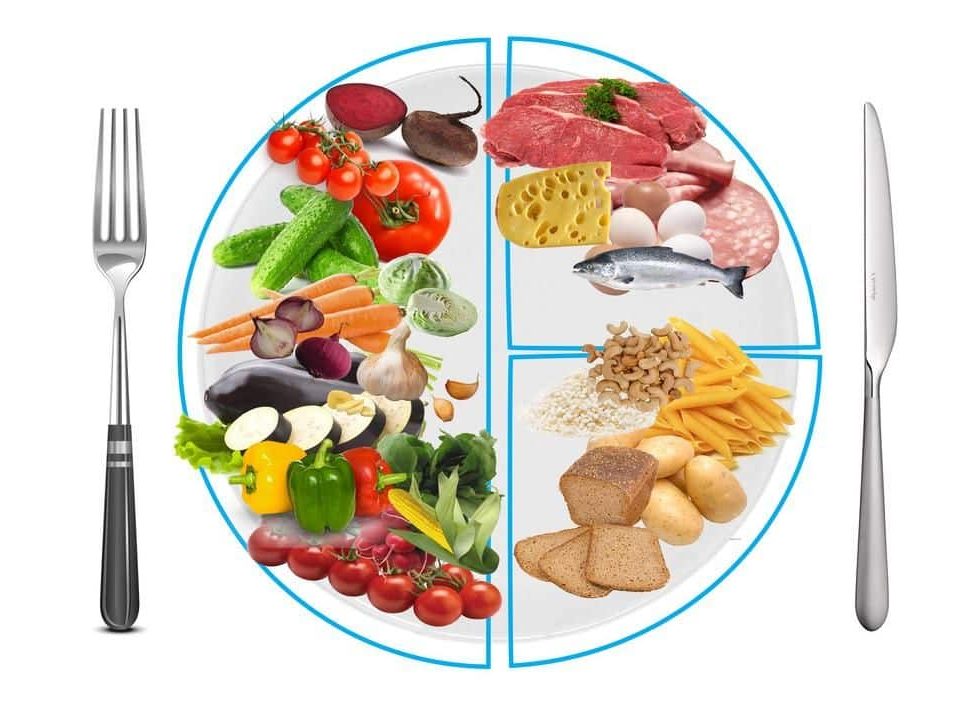
Food for Diabetics refers to meals and snacks that support steadier blood glucose while still providing enough nutrients, satisfaction, and flexibility. It is not one strict diet or a universal banned-food list. Most diabetes-friendly eating patterns focus on high-fiber carbohydrates, lean proteins, unsaturated fats, non-starchy vegetables, and portions that fit your glucose goals and medicines.
This matters because food affects blood sugar in different ways. Carbohydrate usually has the biggest short-term effect, but protein, fat, fiber, meal timing, activity, stress, sleep, and medications also matter. A practical plan should help you eat regularly, read labels, and notice patterns without turning every meal into a test.
Key Takeaways
- Balance comes first: pair carbohydrate with protein, fiber, and healthy fats.
- Portions matter: even nutritious foods can raise glucose if portions are large.
- No single food fixes diabetes: patterns usually matter more than one ingredient.
- Individual response varies: glucose checks can show how meals affect you.
- Extra guidance helps: ask a clinician or dietitian if you have lows, kidney disease, pregnancy, or major medication changes.
Food for Diabetics Starts With Balanced Patterns
A balanced diabetes eating pattern aims to reduce sharp glucose swings while protecting heart, kidney, and overall health. The phrase food for diabetics is common, but people-first language is often more accurate. The goal is not special food for a separate group. The goal is regular food chosen and portioned with diabetes in mind.
One simple starting point is the plate method. Fill about half the plate with non-starchy vegetables, one quarter with protein, and one quarter with a higher-fiber carbohydrate. Add water or another unsweetened drink. This visual method helps many people build meals without counting every gram.
Carbohydrate still deserves attention. Bread, rice, pasta, fruit, milk, yogurt, beans, lentils, potatoes, corn, sweets, and many packaged foods contain carbohydrate. Some choices bring more fiber, protein, vitamins, or minerals. Others bring mostly refined starch or added sugar. That difference can affect fullness and glucose response.
Why it matters: Two meals with the same calories can affect blood sugar differently.
Glucose targets and readings are personal. If you are trying to understand numbers after meals, Blood Sugar Normal Range Chart explains common ranges and how context changes interpretation. Use your care team’s targets if they differ.
A Practical Diabetic Diet Food List
The most useful diabetic diet food list groups foods by how they fit into meals, not by whether they are magically good or bad. Many foods can fit with the right portion and pairing. The table below gives broad categories for planning. It does not replace medical nutrition therapy for people with complex needs.
| Food group | Examples | How to use it |
|---|---|---|
| Non-starchy vegetables | Leafy greens, broccoli, cauliflower, peppers, zucchini, mushrooms, cucumbers | Use generously at meals for volume, fiber, and micronutrients. |
| Higher-fiber carbohydrates | Oats, barley, quinoa, brown rice, beans, lentils, chickpeas, sweet potato, whole-grain bread | Keep portions consistent and pair with protein or fat. |
| Protein foods | Fish, poultry, eggs, tofu, tempeh, Greek yogurt, cottage cheese, lean meats, legumes | Add to meals and snacks to support fullness. |
| Fruits | Berries, apples, pears, oranges, peaches, kiwi, melon | Choose whole fruit more often than juice. |
| Fats | Olive oil, avocado, nuts, seeds, nut butters | Use modest portions because fats are calorie-dense. |
| Dairy or alternatives | Plain yogurt, milk, unsweetened fortified soy beverage, kefir | Check labels for carbohydrate and added sugar. |
A practical approach to Food for Diabetics also considers budget, culture, cooking skill, and appetite. Frozen vegetables, canned beans, eggs, canned fish, plain oats, peanut butter, and bulk grains can support inexpensive meals. Rinsing canned beans and vegetables can reduce sodium.
Beans and lentils deserve special mention. They contain carbohydrate, but they also provide fiber and protein. For many people, that combination supports slower digestion than refined grains or sugary drinks. Portions still count, especially if you use insulin or track carbohydrate closely.
Nuts, seeds, avocado, and olive oil can fit well, but they are not unlimited foods. They are high in calories. If weight management is part of your diabetes care, portion size still matters. If you have digestive symptoms, gallbladder disease, or appetite changes, talk with your clinician before making major changes to fat intake.
Foods To Limit Without Creating a Fear-Based List
Most people with diabetes do not need a rigid list of forbidden foods. A safer food for diabetics plan limits items that raise glucose quickly or add calories, saturated fat, sodium, or little nutrition. The key is frequency, portion size, and what the food replaces.
- Sugary drinks: soda, sweet tea, juice drinks, sports drinks, and sweetened coffee drinks.
- Refined grains: large portions of white bread, pastries, white rice, and regular pasta.
- Sweets and desserts: candy, cookies, cakes, sweet cereals, and sweetened yogurt.
- Fried foods: fries, fried chicken, chips, and similar high-fat foods.
- Processed meats: bacon, sausage, deli meats, and hot dogs, especially if sodium is high.
- Alcohol: discuss safe limits if you use insulin, sulfonylureas, or have liver disease.
Some searches ask for the worst foods for diabetes. That framing can be misleading. A regular soda usually affects glucose faster than a small serving of fruit, but context still matters. A person treating low blood sugar may need fast carbohydrate. Someone with high triglycerides, kidney disease, or high blood pressure may need different limits.
Instead of asking whether a food is allowed, ask how often it appears, how much you eat, and what happens to your glucose afterward. This approach is less stressful and usually more useful.
Breakfast, Dinner, and Low-Cost Meal Ideas
A good diabetes-friendly breakfast usually includes fiber and protein, not just refined carbohydrate. That combination can help reduce hunger later and may soften the glucose rise after eating. The right breakfast depends on your schedule, morning readings, medicines, and appetite.
Breakfast ideas
- Oats with protein: plain oats with nuts, seeds, and Greek yogurt.
- Egg plate: eggs with vegetables and one slice of whole-grain toast.
- Yogurt bowl: plain Greek yogurt with berries and chia seeds.
- Bean option: small bean-and-vegetable wrap on a high-fiber tortilla.
- Savory leftovers: grilled chicken, vegetables, and a small portion of rice.
Breakfast cereal can fit, but labels matter. Many cereals contain added sugar and limited fiber. Look at serving size, total carbohydrate, fiber, and added sugars. Measure once or twice so you know what the serving looks like in your bowl.
Dinner ideas
Dinner does not need special ingredients. Try a plate with salmon, roasted vegetables, and a small baked potato. Another option is turkey chili with beans and a side salad. Stir-fry tofu or chicken with frozen vegetables and a modest portion of brown rice. Lentil soup with vegetables and plain yogurt can also be filling and low-cost.
For easy cheap diabetic meals, build from repeatable parts. Choose one protein, one non-starchy vegetable, one higher-fiber carbohydrate, and one fat. Rotisserie chicken, canned tuna, eggs, tofu, frozen vegetables, canned beans, and whole-grain tortillas can shorten prep time.
If you use insulin or medicines that can cause low blood sugar, skipped meals may be risky. Repeated lows, overnight lows, shakiness, sweating, confusion, or severe hunger should be discussed with your care team. For more context on low glucose patterns, see Fasting Hypoglycemia.
Simple Meal Planning With Carbs, Labels, and Glucose Checks
Meal planning works best when it is simple enough to repeat. Start with one meal you eat often, then adjust portions and pairings. You do not need a perfect seven-day plan to make progress. You need a pattern you can follow most days.
Carbohydrate consistency can be useful, especially for people using insulin or medications with hypoglycemia risk. This means eating similar amounts of carbohydrate at similar meals unless your clinician has advised otherwise. It does not mean avoiding all carbohydrate. It means choosing amounts that fit your treatment plan.
The calculator below can help estimate standard carb servings from total carbohydrate on a food label. It is a general math aid, not a personalized meal plan.
Carb Serving Calculator
Convert total carbohydrate grams into carb choices for meal planning and diabetes education.
These calculations are for education only and do not replace clinical advice, diagnosis, or treatment. Always confirm medical decisions with a qualified healthcare professional.
After estimating carbohydrate, consider the rest of the meal. A slice of bread eaten alone may affect you differently than bread eaten with eggs, avocado, and vegetables. Fat and protein can slow digestion. Fiber can also change how quickly glucose rises.
Blood glucose monitoring can reveal patterns, but testing schedules vary. Some people check fasting levels, before meals, after meals, or around activity. Others use continuous glucose monitoring. If you are unsure how often to check, Blood Sugar Monitoring discusses common factors that influence monitoring plans.
How to read a nutrition label
Start with serving size. Then check total carbohydrate, fiber, added sugars, saturated fat, sodium, and protein. Total carbohydrate matters more than sugar alone because starches also raise glucose. Fiber can make a carbohydrate choice more filling, but it does not make portions irrelevant.
For packaged meals, compare the label with what you actually eat. If the package lists two servings and you eat the full package, double the listed nutrients. This simple step prevents many portion errors.
How Type 2 Diabetes, Weight, and Medicines Change Food Choices
Type 2 diabetes often involves insulin resistance, which means the body has more difficulty using insulin effectively. Food choices, activity, sleep, weight changes, and medications can all influence glucose patterns. That does not make nutrition a cure-all. It makes nutrition one part of care.
If weight management is part of your plan, focus on meals that preserve protein, fiber, and enjoyment while reducing excess calories. Extreme restriction can backfire, especially if it causes hunger, binge eating, or medication-related lows. Improving Insulin Sensitivity covers lifestyle factors that may support metabolic health more broadly.
Some diabetes and weight-management medicines can change appetite, digestion, or meal size. GLP-1 receptor agonists, for example, are medications that act on incretin pathways involved in glucose regulation and appetite. If you are learning how these medicines fit into care, GLP-1 Medications provides background. Nutrition while using these treatments may require smaller meals, enough protein, and attention to nausea or dehydration. For broader context, see Diet And Weight Loss.
Body weight and diabetes risk are related, but not identical. Many people with type 2 diabetes also have high blood pressure, high cholesterol, fatty liver disease, sleep apnea, or other metabolic concerns. Obesity Type 2 Diabetes explains that overlap in more detail.
A food plan should fit the medication plan, not fight it. Do not stop, start, or change diabetes medicines because of a diet change without medical guidance. If your glucose readings shift after major nutrition or weight changes, ask your prescriber whether your treatment plan needs review.
When To Tailor a Diabetes Food Plan
General lists are useful, but some situations need individual nutrition advice. A registered dietitian or diabetes educator can help translate glucose goals, medicines, lab results, and preferences into a realistic plan.
Ask for extra support if you have frequent low blood sugar, repeated high readings, pregnancy, kidney disease, gastroparesis, pancreatitis history, an eating disorder, major unintentional weight loss, or trouble affording food. People who use insulin often need more precise carbohydrate guidance than people managing diabetes without insulin.
Kidney disease is a common reason to avoid generic advice. Some people need to watch sodium, potassium, phosphorus, or protein. Others do not. A standard type 2 diabetes food list may not address those details safely.
Eating disorders and disordered eating also deserve care. Strict tracking, food rules, and weight-focused plans can worsen distress for some people. If food fear, binge eating, purging, or insulin omission occurs, seek professional support promptly.
When you meet with a clinician or dietitian, bring practical information. Include typical meals, snack patterns, glucose logs if you have them, medication timing, activity levels, and your main barriers. That information helps create a plan that fits real life.
Authoritative Sources
- American Diabetes Association food guidance reviews nutrient-dense food groups for diabetes.
- CDC diabetes meal planning guidance explains plate planning and carbohydrate basics.
- MedlinePlus diabetic diet information summarizes healthy eating concepts for diabetes.
Food for Diabetics works best as a flexible framework: choose higher-fiber carbohydrates, add protein, use non-starchy vegetables often, limit sugary drinks, and adjust portions based on your glucose patterns and care plan. For more diabetes education, browse the Diabetes Article Hub.
This content is for informational purposes only and is not a substitute for professional medical advice.


