Key Takeaways
- Broad indications: type 2 diabetes, heart failure, and CKD.
- Common effects: genital infections, dehydration risk, and dizziness.
- Standard strength: 10 mg once daily; 5 mg in select starts.
- Hydration matters: monitor fluids, especially with diuretics or illness.
Understanding farxiga uses helps patients and caregivers discuss realistic benefits, safety steps, and day-to-day routines with healthcare professionals.
Understanding farxiga uses and Mechanism
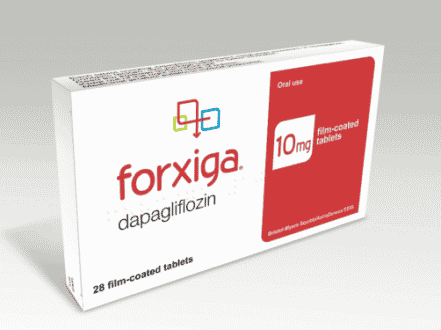
Forxiga (dapagliflozin) belongs to the sodium-glucose cotransporter 2 (SGLT2) inhibitor class. It lowers blood glucose by promoting urinary glucose excretion. This renal action also causes modest diuresis (water loss) and natriuresis (salt loss), which can reduce blood pressure and fluid congestion. These combined effects help explain benefits in diabetes management, heart failure, and kidney protection.
In practical terms, patients may notice more frequent urination early on. That is part of the medication’s mechanism. Clinicians also monitor renal function, electrolytes (like potassium), and volume status during treatment. For a stepwise view of dose timing and adjustments, see How Does Farxiga Dosing Work for context on daily administration and clinic follow-up.
Regulatory guidance supports these uses. The current FDA prescribing information outlines indications in type 2 diabetes, heart failure, and chronic kidney disease. For broader diabetes care context, the ADA Standards of Care discuss SGLT2 inhibitors among other therapies.
Indications: Type 2 Diabetes, Heart Failure, and CKD
For type 2 diabetes (T2D), dapagliflozin improves glycemic control and may support weight reduction. It is typically added when metformin alone is not enough or when cardiorenal protection is desired. Clinicians consider comorbidities, hypoglycemia risk, and kidney function when deciding on therapy. Patients with established cardiovascular disease or kidney disease may gain added protective benefits beyond glucose lowering.
Heart failure treatment with SGLT2 inhibitors has expanded. Evidence supports risk reduction in hospitalization for heart failure across reduced and preserved ejection fraction phenotypes. This matters even when diabetes is not present, as benefits extend to non-diabetic patients. In practice, teams align therapy with guideline-directed care and monitor volume status closely.
In chronic kidney disease (CKD), dapagliflozin can slow progression and reduce cardiorenal events. Decisions consider eGFR thresholds and albuminuria, which signal kidney stress. Clinicians tailor monitoring to renal function and concurrent medications, including diuretics or RAAS blockers. For a deeper look at renal outcomes, see Improving Kidney Health for evidence highlights and clinical scenarios.
Across subgroups, patients and clinicians may ask about Changing Heart Failure Care; this overview explains why SGLT2 inhibitors entered standard therapy and how teams integrate them with diuretics, ACE inhibitors, or beta blockers. In non-diabetic cardiology clinics, farxiga for heart failure without diabetes often reflects this shift toward comprehensive heart failure management.
Dosing Overview: 5 mg vs 10 mg
Most adults start on 10 mg once daily, taken with or without food. The tablet can be taken in the morning or another consistent time that fits the person’s routine. Some clinicians begin with 5 mg for cautious initiation in sensitive settings, such as borderline volume status or interacting diuretics. Dose adjustments are individualized and based on tolerance and lab trends.
Clinicians consider renal function thresholds before starting therapy and during follow-up. A small initial dip in eGFR may occur due to hemodynamic changes and often stabilizes. Ongoing monitoring helps ensure safe use and identify dehydration, dizziness, or lab abnormalities early. For brand and strength details, see Farxiga Dapagliflozin for a quick view of available formulations used in practice.
Some readers ask about farxiga 10mg because it is the common maintenance strength in adults. Your healthcare professional may tailor decisions based on kidney function, volume status, and concurrent medications. When comparing regimen options in T2D, Farxiga Dapagliflozin Dosage provides more structure on timing, labs, and clinic checkpoints.
Safety Profile and Common Adverse Effects
Most adverse effects relate to genitourinary infections and volume changes. Mild genital yeast infections occur more often and can be managed with hygiene measures and antifungals when needed. Urinary tract infections may also appear. Patients should report fever, flank pain, or persistent urinary symptoms promptly, especially when risk factors exist.
Volume depletion can cause dizziness, low blood pressure, or faintness. Risks rise in hot weather, with vomiting or diarrhea, or alongside loop diuretics. Monitoring blood pressure, weight, and hydration helps. For a structured side effect overview and self-check steps, see Exploring Farxiga Side Effects for practical red flags and clinic follow-up tips.
Serious but rare risks include ketoacidosis, severe urinary infections, and Fournier’s gangrene. Patients should understand sick-day rules and temporarily pause the drug during acute illness, surgery, or prolonged fasting after clinician guidance. Teams will also watch for lab shifts, including creatinine, eGFR, and ketones in specific presentations. In clinical notes, providers document predisposing factors and re-evaluate benefit-risk after any safety event.
Patients often summarize this section as farxiga side effects, but the pattern varies by individual. Shared decision-making and early reporting improve outcomes and comfort during long-term therapy.
Hydration, Alcohol, and Practical Daily Tips
Set a consistent time to take the tablet each day. Some prefer mornings to align with daily routines and reminders. Others take it with their largest meal to build a habit. Consistency reduces missed doses, while flexibility allows personalization based on work shifts or caregiver schedules.
Maintain steady hydration, especially during illness, heat, or exercise. Sudden weight drops, dizziness, or very dark urine can signal dehydration. Those also taking loop diuretics may need closer volume monitoring and occasional dose adjustments. For broader heart health context and related therapies, the Cardiovascular category groups relevant guides that frame combined regimens and monitoring.
Alcohol can worsen dehydration and increase genitourinary infection risks. Moderation and hydration are sensible, particularly on hot days or during activity. Review sick-day plans with your clinician before travel or events. If symptoms persist or escalate, seek prompt medical advice. People often ask about farxiga and alcohol; your personal risk depends on comorbidities, diuretics, and prior tolerance.
Special Populations: Elderly, Kidney Function, and Diuretics
Older adults may be more sensitive to volume shifts and dizziness. Falls can have serious consequences, so clinicians may adjust other blood pressure medicines when starting therapy. Home blood pressure checks, weight logs, and symptom diaries help teams intervene early. Where kidney risk is prominent, prioritizing hydration and slow positional changes can reduce symptoms.
Concurrent diuretics require careful coordination. Examples include loop agents such as furosemide and thiazide diuretics. Dose timing may be spaced to minimize nocturia and lightheadedness. If symptoms worsen, clinicians reconsider drug combinations and adjust the plan. For comparison of renal-protective options, see Kerendia for a non-SGLT2 alternative used in specific CKD scenarios.
Many caregivers specifically ask about farxiga side effects in elderly because of frailty and polypharmacy. Individual factors matter most, including hydration habits, mobility, and prior falls. Teams may use shorter follow-up intervals while adjusting regimens. Consider bringing a medication list to visits and noting any new dizziness, confusion, or functional decline.
Weight and Appetite: What to Expect
Weight changes with SGLT2 inhibitors result mainly from caloric loss in urine and mild diuresis. Early reductions may reflect fluid, while later changes relate to sustained glucose excretion. Appetite can vary, but most people do not report major shifts. Healthy nutrition and activity still drive long-term metabolic gains.
The question does farxiga affect appetite often arises in nutrition counseling. Minor changes may occur, yet significant appetite suppression is uncommon. If unexpected weight loss or reduced intake persists, clinicians review other causes and medications. For a focused discussion on body weight trends, see Farxiga Weight Loss for real-world observations, goals, and monitoring pointers.
Combination Therapy and Alternatives
SGLT2 inhibitors often combine with metformin, GLP-1 receptor agonists, or DPP-4 inhibitors. Combination tablets can simplify routines. An example is dapagliflozin/metformin hcl 10mg/1000mg in appropriate patients, which merges glycemic control with cardiorenal benefits. Clinicians tailor combinations to A1C targets, weight goals, and kidney function.
Alternative SGLT2 options include empagliflozin and canagliflozin. If comparing across brands, consider cardiovascular outcome data, kidney thresholds, and side-effect profiles. For an overview of dapagliflozin with metformin, Xigduo 60 Tablets offers an example of fixed-dose pairing that may reduce pill burden. For non-SGLT2 comparisons, see Janumet XR and Glumetza to understand typical metformin-based roles in T2D regimens.
Clinicians sometimes compare classes during medication review. For additional context on alternative SGLT2 options and data, see Invokana Drug Class and Jardiance Drug Class to contrast trial outcomes, side effects, and kidney thresholds.
When to Take It and Daily Routines
Consistency is more important than a specific hour. Many patients pick mornings because routines are stable and reminders are easier. Others align doses with breakfast or a daily alarm. Choose a time that you can repeat reliably, and build it into your day.
People often ask why take farxiga in the morning. Morning dosing can reduce nocturia for those sensitive to nighttime urination. It also fits work and meal schedules, which reduces missed doses. For dose strength comparisons and timing examples, see What Is Farxiga Used For to connect benefits with practical routines.
Tip: Set a hydration goal that matches your clinician’s advice. Adjust with heat, exercise, or illness, and track weight if fluid shifts are likely.
Note: Watch for warning signs such as severe abdominal pain, vomiting, confusion, or fruity breath. Contact your healthcare professional promptly if these occur.
Recap
Dapagliflozin supports glucose control and provides cardiorenal protection in eligible adults. Benefits extend to heart failure and CKD, including patients without diabetes. Safety hinges on hydration, infection prevention, and early reporting of concerning symptoms. Work with your healthcare professional to personalize timing, monitoring, and combinations for your overall goals.
This content is for informational purposes only and is not a substitute for professional medical advice.