
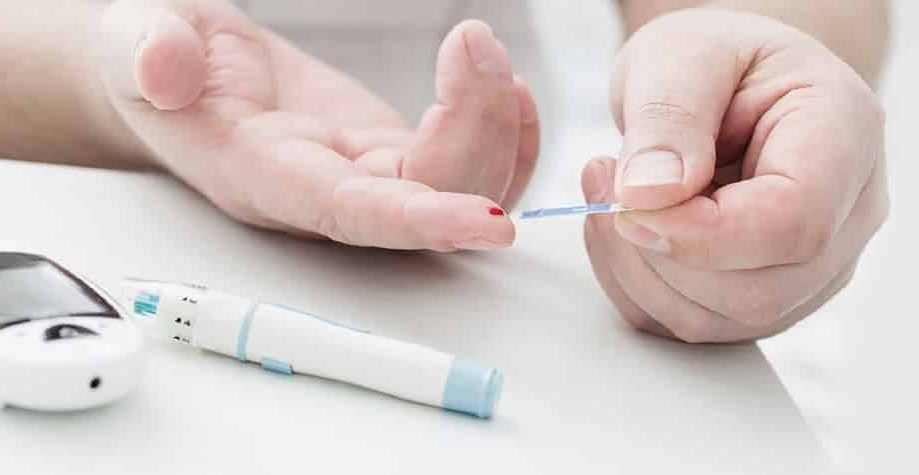
If your glucose is high, the safest way to lower blood sugar quickly without insulin is to confirm the reading, drink water, avoid more carbohydrates, check ketones if possible, and watch for emergency symptoms. These steps can help while you decide whether home monitoring is enough or urgent care is needed.
High blood sugar, or hyperglycemia, can sometimes improve with fluids, rest, and time. It can also become dangerous, especially during illness, dehydration, missed medication, or ketone buildup. Use the steps below as a safety-focused plan, not as a substitute for your clinician’s instructions.
Key Takeaways
- Confirm first: Wash your hands and repeat the test before acting.
- Hydrate steadily: Water is usually the safest first drink.
- Check ketones: Ketones change the safety of exercise and home care.
- Avoid hard exercise: Skip strenuous activity if you feel ill or have ketones.
- Escalate early: Vomiting, confusion, or breathing changes need urgent help.
How to Lower Blood Sugar Quickly at Home
The first step is to make sure the number is real. Food residue on your fingers, an old test strip, or a meter issue can cause a misleading result. Wash and dry your hands, use a fresh strip, and recheck. If you use a continuous glucose monitor, confirm a sudden high with a fingerstick when the result does not match how you feel.
After confirmation, drink water in small, steady amounts unless your clinician has placed you on fluid restriction. Water supports circulation and helps correct dehydration, which often makes glucose readings look and feel worse. Unsweetened electrolyte fluids may be useful if you have been sweating, vomiting, or unable to eat, but avoid drinks with sugar.
Next, stop adding glucose. Pause sweetened beverages, juice, candy, desserts, and large starch portions while you monitor. If you need food, choose a small meal or snack built around lean protein and non-starchy vegetables. Food does not usually lower a high reading within minutes, but it can prevent another sharp rise.
Movement can help some people lower glucose, but it is not always safe. Gentle walking may be reasonable if you feel well, have no ketones, and your clinician has said activity is appropriate. Avoid vigorous exercise when you are sick, dehydrated, nauseated, short of breath, or ketone-positive.
Quick tip: Write down the glucose value, time, symptoms, fluids, and recent meals.
If readings stay high, review your usual diabetes plan and contact your care team for individualized instructions. For a broader explanation of high glucose and treatment concepts, see Hyperglycemia Treatment.
What to Do First: A Simple Safety Sequence
A calm sequence helps prevent both delay and overreaction. Use this order when you are trying to bring a high reading down without making medication changes on your own.
- Recheck the reading: Clean hands, use a fresh strip, and verify the result.
- Assess symptoms: Note nausea, vomiting, abdominal pain, thirst, weakness, confusion, or breathing changes.
- Start fluids: Sip water or unsweetened electrolyte fluid if allowed.
- Check ketones: Use urine or blood ketone testing if available, especially during illness.
- Avoid added carbs: Skip sugary drinks and large carbohydrate portions.
- Recheck glucose: Test again in about one to two hours, or sooner if symptoms worsen.
- Seek help: Contact a clinician or urgent care for dangerous symptoms or persistent very high readings.
This sequence is especially important if you are searching for how to lower blood sugar quickly during an unexpected spike. Fast action should still be measured action. Do not double up medications, skip prescribed medicines, or change doses unless your clinician has given you a written plan.
Testing supplies matter during these moments. If you use fingerstick monitoring, accurate strips and technique are essential. Product pages such as OneTouch Verio Test Strips and Contour Next Meter can help readers identify the type of device or supplies they may already use, but device instructions should come from the manufacturer and your care team.
What Is a Dangerous Blood Sugar Level?
A dangerous level depends on both the number and the person’s condition. Symptoms, ketones, pregnancy, kidney disease, infection, dehydration, and medication type all change the risk. A single high reading after a meal may be less urgent than a high reading with vomiting, confusion, or rapid breathing.
Many care plans treat persistent readings above 250 mg/dL as a point to recheck, hydrate, and consider ketone testing. Persistent readings above 300 mg/dL are often more concerning, especially during illness. A reading around 400 mg/dL or higher should be taken seriously, even if you feel better than expected.
If blood sugar is over 500 mg/dL, seek urgent medical advice or emergency care, particularly if the reading repeats. Very high glucose can lead to severe dehydration and altered thinking. It can also signal diabetic ketoacidosis, or DKA, which is acid buildup related to ketones, or hyperosmolar hyperglycemic state, a severe dehydration-related emergency.
Do not rely on the number alone. Emergency symptoms include repeated vomiting, abdominal pain, fruity-smelling breath, deep or rapid breathing, severe weakness, chest pain, fainting, confusion, or inability to keep fluids down. If these occur, urgent care is safer than continued home management.
People taking SGLT2 inhibitors can sometimes develop ketoacidosis with only moderately elevated glucose. This is one reason ketone testing and symptom awareness matter. For more background on ketone differences, read Ketosis vs Ketoacidosis.
Can You Lower Blood Sugar in Minutes?
You usually cannot safely lower a high glucose reading in just a few minutes without medication directed by a clinician. Hydration and activity take time, and the body’s response varies. The goal in the first minutes is safer triage: verify the reading, stop further glucose intake, start fluids, and identify red flags.
If your blood sugar is 250 mg/dL and you feel well, recheck the result and follow your written care plan. Drink water, avoid sugary foods, and consider light movement only if you have no ketones and feel stable. If you are ill, pregnant, have ketones, or have repeated highs, contact a clinician for instructions.
If you are trying to learn how to bring blood sugar down quickly without insulin, it helps to separate immediate safety from longer-term control. Immediate steps may reduce dehydration and prevent worsening. Durable improvement usually comes from the right medication plan, meal pattern, activity routine, sleep, stress management, and illness planning.
Why it matters: A very fast drop is not always safer than a controlled response.
If you track glucose in mmol/L and mg/dL, conversion can help you understand readings from different meters, lab reports, or care instructions. This calculator only converts units and does not interpret whether a result is safe for you.
Blood Glucose Unit Converter
Convert glucose readings between mg/dL and mmol/L without changing the clinical value.
These calculations are for education only and do not replace clinical advice, diagnosis, or treatment. Always confirm medical decisions with a qualified healthcare professional.
What to Drink and Eat During a Spike
Water is the best first drink for most people with high blood sugar. It contains no carbohydrate and can help address dehydration. Sip rather than chug, especially if you feel nauseated. If you have heart failure, advanced kidney disease, or a fluid limit, follow your clinician’s instructions.
Unsweetened tea, plain sparkling water, or broth may help if plain water is hard to tolerate. An unsweetened electrolyte drink can be reasonable after vomiting, sweating, or poor intake. Check labels carefully, because many sports drinks contain sugar.
Avoid regular soda, juice, sweet tea, energy drinks, and sweetened coffee drinks. These can raise glucose quickly. Alcohol is also not a safe correction strategy, because it can impair judgment and interact with diabetes medications.
Food choices should focus on avoiding another rise. There is no food that reliably lowers blood sugar immediately. If you need to eat, choose smaller portions and emphasize protein, non-starchy vegetables, and high-fiber foods. Examples include eggs with vegetables, plain Greek yogurt if tolerated, tuna with salad greens, tofu with vegetables, or a small portion of beans with a balanced meal.
If nausea is present, bland options may be easier. Broth, small protein portions, or clinician-approved sick-day foods may be more realistic than a full meal. If you cannot keep fluids down, do not wait at home for numbers to improve.
For everyday meal patterns that reduce repeated spikes, it may help to review how fast food, refined carbohydrates, and portion size affect glucose. A related discussion is available in Fast Food and Diabetes Risk.
Ketones, Exercise, and When Home Steps Are Not Enough
Ketones are a key safety signal during high blood sugar. They form when the body breaks down fat for energy and may rise during insulin deficiency, illness, fasting, dehydration, or some medication situations. High ketones with symptoms can indicate DKA, which needs urgent medical care.
Check ketones when glucose is high and you feel unwell, especially with nausea, vomiting, abdominal pain, rapid breathing, or unusual fatigue. Use blood or urine ketone tests if you have them. If ketones are moderate or high, avoid exercise, hydrate if you can, and seek medical advice promptly.
Exercise can lower glucose when insulin is working and ketones are absent. It can also worsen risk when ketones are present. During stress or illness, hard exercise may raise counter-regulatory hormones, which can push glucose higher. This is why a short walk and a strenuous workout are not the same intervention.
Call your clinician, urgent care, or emergency services if you have severe symptoms, repeated very high readings, positive ketones with symptoms, or signs of dehydration. If you are unsure whether symptoms are serious, choose the safer path and seek medical guidance.
Why Spikes Happen and How to Prevent the Next One
High blood sugar can happen for many reasons. Common triggers include missed medication, larger-than-usual carbohydrate intake, infection, pain, poor sleep, dehydration, stress hormones, steroid medicines, and reduced activity. Sometimes a spike is the first sign that an illness is starting.
Prevention starts with patterns. Review your glucose log for timing, meals, stress, illness, and medication adherence. Repeated morning highs may have different causes than repeated after-dinner highs. A clinician or registered dietitian can help interpret patterns without blaming a single food or habit.
Improving insulin sensitivity can also support steadier readings over time. Regular movement, resistance training, sleep consistency, and fiber-rich meals may help many people, though results vary. For a deeper look at these longer-term strategies, see Improving Insulin Sensitivity.
Medication plans should be reviewed when high readings repeat. Some people may need changes to diabetes medicines, timing, or sick-day instructions. Do not adjust prescription therapy on your own. For general background on treatment classes, read Common Diabetes Medications.
Keep a high-glucose kit if your care team recommends one. It may include your meter, strips, ketone tests, water or unsweetened electrolyte fluids, a medication list, emergency contacts, and written instructions. Browseable diabetes resources are also available through the Diabetes Articles collection.
Authoritative Sources
For patient-friendly background on high blood sugar symptoms and causes, see MedlinePlus information on high blood sugar.
For public health guidance on managing diabetes day to day, review CDC resources for living with diabetes.
For medication safety context on SGLT2 inhibitors and ketoacidosis warnings, see FDA safety information on SGLT2 inhibitors.
Recap
When you need to know how to lower blood sugar quickly, start with safety rather than speed. Confirm the reading, drink water, avoid more sugar, check ketones if possible, and monitor symptoms closely. Seek urgent care for vomiting, confusion, breathing changes, positive ketones with illness, or repeated very high readings.
Home steps can help some spikes, but they do not replace an individualized diabetes plan. Repeated highs deserve follow-up, especially if they occur during illness or despite taking medicines as prescribed. For broader browsing by condition, the Diabetes Condition page can help readers find related diabetes topics and products.
This content is for informational purposes only and is not a substitute for professional medical advice.


