
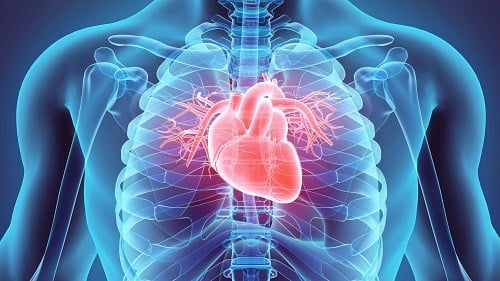
Cardiovascular Disease and Diabetes are closely linked because high glucose, insulin resistance, blood pressure, cholesterol changes, and inflammation can damage blood vessels and strain the heart. This raises the chance of coronary artery disease, heart attack, stroke, and heart failure. The risk is not fixed, though. Early warning-sign awareness, routine monitoring, and coordinated care can lower complications over time.
This page explains how diabetes affects the heart, why symptoms may look different, and what to discuss with your care team. It also covers glucose patterns during cardiac events, heart failure clues, and practical monitoring steps.
Key Takeaways
- Shared pathways: high glucose, inflammation, and vessel injury raise risk.
- Symptoms may be subtle: shortness of breath or fatigue can matter.
- Silent ischemia happens: nerve damage can reduce chest pain signals.
- Glucose swings matter: severe lows and stress highs need review.
- Risk is modifiable: blood pressure, lipids, smoking, activity, and medicines all count.
How Diabetes Affects the Heart and Blood Vessels
Diabetes can affect the heart by changing the structure and function of blood vessels over many years. Chronic hyperglycemia (high blood sugar) can injure the endothelium, the inner lining of blood vessels. When that lining works poorly, arteries become more prone to stiffness, plaque buildup, and impaired blood flow.
Insulin resistance also changes lipid handling. Many people develop higher triglycerides, lower HDL cholesterol, and smaller LDL particles. These patterns can promote atherosclerosis, the gradual buildup of plaque inside arteries. If a plaque ruptures, a clot can block blood flow and cause a heart attack or stroke.
The relationship between diabetes and heart disease is not only about glucose. Blood pressure, kidney function, sleep apnea, smoking, body weight distribution, and family history also shape risk. That is why heart protection usually requires a broad plan, not a single lab target.
Why it matters: Heart risk often starts before chest pain or shortness of breath appears.
Type 2 diabetes and cardiovascular disease commonly overlap because insulin resistance, high blood pressure, abnormal cholesterol, and abdominal weight gain often cluster together. Type 1 diabetes and heart disease can also overlap, especially with longer diabetes duration, kidney disease, high blood pressure, or repeated glucose variability. The risk drivers differ, but the care goals often include safer glucose patterns, lower LDL cholesterol, blood pressure control, and smoking avoidance.
Warning Signs, Silent Ischemia, and When to Seek Help
Heart warning signs in diabetes can be typical, subtle, or nearly absent. Chest pressure, squeezing, pain spreading to the arm or jaw, sweating, and sudden breathlessness still require urgent attention. However, diabetic heart attack symptoms may also include nausea, unusual fatigue, lightheadedness, indigestion-like discomfort, or back pain.
Silent ischemia means the heart muscle receives too little blood without obvious pain. This can occur when autonomic neuropathy (nerve damage affecting automatic body functions) blunts pain signals from the heart. People may notice reduced exercise tolerance, breathlessness, or unexplained exhaustion instead of chest pain.
Seek emergency care for chest pressure, severe shortness of breath, fainting, sudden weakness on one side, confusion, or new trouble speaking. Do not wait to see whether symptoms pass if they are intense, new, or concerning. People with diabetes may need a lower threshold for evaluation because symptoms can be less classic.
What heart failure can feel like
Heart failure means the heart cannot pump or fill as well as the body needs. Four common clues include worsening shortness of breath, swelling in the ankles or abdomen, rapid weight gain from fluid, and trouble lying flat because breathing feels harder. Fatigue and reduced stamina can also appear early.
These symptoms do not always mean heart failure, but they deserve review. Kidney disease, anemia, lung disease, and medication effects can mimic some signs. A clinician may use a physical exam, blood tests, ECG, chest imaging, or echocardiography (heart ultrasound) to sort out the cause.
Blood Sugar Swings During Heart Stress
Both low and high glucose can matter during heart stress. Hypoglycemia (low blood sugar) can trigger adrenaline release, palpitations, sweating, blood pressure changes, and electrical instability in susceptible people. This is one reason severe lows should be discussed promptly with a clinician, especially after a cardiac event.
The phrase low blood sugar and heart attack reflects a real safety concern, but it does not mean every low causes a heart attack. Risk depends on heart history, medications, age, kidney function, and how severe or frequent the low is. If lows happen overnight, during exercise, or after medication changes, the pattern should be reviewed rather than ignored.
High blood sugar after heart attack can also occur because acute illness raises stress hormones. Hospitals often monitor glucose closely after myocardial infarction (heart attack) and may adjust treatment temporarily. The goal is usually to avoid dangerous highs while also preventing severe lows.
For people comparing glucose units across lab reports or devices, this converter can help translate values between mg/dL and mmol/L. It is a unit tool only and does not set a treatment target.
Blood Glucose Unit Converter
Convert glucose readings between mg/dL and mmol/L without changing the clinical value.
These calculations are for education only and do not replace clinical advice, diagnosis, or treatment. Always confirm medical decisions with a qualified healthcare professional.
Ask your care team what glucose range is appropriate during recovery, exercise, illness, and medication changes. Targets can vary for people with heart disease, kidney disease, frailty, pregnancy, or hypoglycemia unawareness.
Risk Factors That Often Travel Together
Cardiovascular Disease and Diabetes often develop alongside other conditions that increase vascular stress. High blood pressure is one of the most important. It increases force against artery walls and can contribute to heart failure, kidney disease, stroke, and coronary artery disease.
Cholesterol patterns also matter. LDL cholesterol contributes to plaque formation, while high triglycerides can signal insulin resistance or other metabolic stress. Many people with diabetes are assessed for statin therapy based on age, cardiovascular history, LDL levels, and overall risk. For more background on statins and LDL lowering, see Lipitor as a medication reference, and discuss suitability with a licensed clinician.
Kidney disease raises risk because the kidneys help regulate blood pressure, fluid balance, and mineral handling. Urine albumin testing can detect early kidney stress. Sleep apnea is another risk amplifier because repeated oxygen dips can increase blood pressure and strain the heart overnight.
Lifestyle factors still count. Smoking damages blood vessels and increases clot risk. Long sedentary periods, low fitness, poor sleep, and high alcohol intake can worsen blood pressure and glucose patterns. These factors are not moral issues. They are modifiable risk inputs that can be addressed step by step.
Cold weather and heart strain
Cold weather can be harder on the heart for some people because blood vessels narrow, blood pressure may rise, and exertion can feel more demanding. Shoveling snow, walking quickly in cold air, or exercising without a warmup can add strain. People with diabetes-related neuropathy may also miss early discomfort or temperature cues.
Practical planning helps. Dress in layers, warm up gradually, avoid sudden intense exertion, and keep rescue plans clear if you have known heart disease. If cold exposure triggers chest discomfort, unusual breathlessness, or dizziness, seek medical advice promptly.
Care Planning: What to Track and Discuss
Heart-protective care usually combines monitoring, lifestyle changes, and evidence-based medication decisions. Your clinician may review A1C, home glucose data, blood pressure readings, lipid levels, kidney function, urine albumin, weight changes, smoking history, and symptoms. The best plan depends on your full risk profile, not one number.
Home blood pressure records can be especially useful because office readings may miss patterns. Bring the cuff, your technique, and a written log to appointments. If you are averaging home readings, use the same position, rest period, and cuff placement each time.
Some diabetes medicines have heart or kidney considerations beyond glucose lowering. SGLT2 inhibitors, for example, are often discussed in people with type 2 diabetes, heart failure, or chronic kidney disease when appropriate. For a broader class-level explanation, read SGLT2 Inhibitors for Diabetes, Heart, and Kidney Care. For heart failure context, see SGLT2 Inhibitors in Heart Failure.
Blood pressure medicines may also be used to reduce vascular and kidney strain in selected patients. ACE inhibitors such as Lisinopril or Ramipril are examples clinicians may consider when appropriate. Do not start, stop, or change these medicines without professional guidance.
Practical discussion points can make visits more productive:
- Symptom pattern: note chest, breathing, fatigue, or swelling changes.
- Glucose timing: record lows, highs, meals, exercise, and illness.
- Blood pressure log: include morning and evening readings when requested.
- Medication review: ask about heart, kidney, and hypoglycemia risks.
- Lab trends: discuss A1C, LDL, triglycerides, eGFR, and urine albumin.
- Emergency plan: know when to call emergency services.
Quick tip: Bring actual device reports when possible, not only memory-based estimates.
Type 1 and Type 2 Diabetes: Similar Goals, Different Nuances
Type 1 and type 2 diabetes share many cardiovascular goals, but the management details differ. In type 1 diabetes, insulin therapy is essential, and hypoglycemia prevention often becomes a central safety issue. Continuous glucose monitoring may help identify overnight lows, rapid drops, and exercise-related patterns.
Type 1 diabetes heart attack symptoms may still be atypical, particularly when autonomic neuropathy or long disease duration is present. Kidney disease, high blood pressure, smoking, and cholesterol changes can raise risk further. A prevention plan may include lipid management, blood pressure control, exercise planning, and individualized glucose targets.
Type 2 diabetes and heart disease often involve insulin resistance, high blood pressure, fatty liver disease, sleep apnea, and abnormal lipids. Weight management, physical activity, nutrition, and medication selection can all affect risk. Some people need insulin; others use non-insulin medicines. The right plan depends on glucose patterns, cardiovascular history, kidney function, side effects, and preferences.
Metformin is commonly used in type 2 diabetes when appropriate, and its role in broader metabolic care is often discussed. For background, see Metformin Cardioprotective Effects. For a wider look at complications linked with type 2 diabetes, see Type 2 Diabetes Complications.
Practical Prevention Steps That Support Heart Health
Cardiovascular Disease and Diabetes care works best when prevention is specific and measurable. Your care team may set targets for blood pressure, cholesterol, glucose, kidney markers, and activity based on your age, history, and risk level. Targets may be less aggressive when severe hypoglycemia, frailty, falls, or multiple conditions are present.
Nutrition plans should focus on patterns rather than single “best” foods. Common strategies include choosing high-fiber carbohydrates, moderating saturated fat, limiting highly processed foods, and matching carbohydrate intake to medications and activity. People with kidney disease, gastroparesis, pregnancy, eating disorders, or frequent lows should seek individualized guidance from a clinician or registered dietitian.
Movement improves insulin sensitivity, blood pressure, fitness, and mood. A mix of aerobic and resistance activity is often recommended when safe. If you have chest symptoms, advanced neuropathy, foot ulcers, eye complications, or known heart disease, ask what activity level is appropriate before increasing intensity.
Smoking cessation is one of the strongest heart-protective steps. Even reducing exposure to secondhand smoke can help. Sleep also deserves attention because short sleep and untreated sleep apnea can worsen glucose control and blood pressure.
For awareness-focused reading, Diabetes Heart Connection Day discusses why prevention conversations matter. You can also browse the Cardiovascular Articles collection or the Diabetes Articles collection for related educational topics.
Prognosis, Life Expectancy, and Interpreting Risk
Prognosis varies widely because no single statistic can predict an individual outcome. Age, prior heart attack or stroke, kidney function, heart pumping strength, blood pressure, cholesterol, smoking status, mobility, social support, and medication tolerance all influence risk. Early treatment and consistent follow-up can improve the risk profile.
Online life expectancy tools may use population averages, but they cannot account for your full clinical picture. A type 2 diabetes life expectancy calculator may miss factors such as cardiac rehabilitation, kidney trends, hypoglycemia history, or access to regular care. Use such tools cautiously, if at all, and discuss concerns with a clinician who knows your history.
After a heart attack, recovery planning often includes cardiac rehabilitation, medication review, glucose monitoring, blood pressure checks, and symptom tracking. Some people need closer follow-up for high blood sugar after heart attack, while others need help preventing lows during appetite changes or new activity. Both patterns deserve attention.
Authoritative Sources
For a patient-focused overview of diabetes and cardiovascular risk, see the American Heart Association diabetes and cardiovascular disease page.
For public health guidance on diabetes and heart complications, review the CDC diabetes and your heart resource.
For clinical standards covering glucose, cardiovascular risk, kidney care, and medication safety, consult the ADA Standards of Care in Diabetes.
Putting the Plan Together
Cardiovascular Disease and Diabetes require ongoing attention because risk can change with age, kidney function, medications, symptoms, and daily routines. The most useful plan is usually practical: know your warning signs, track meaningful numbers, review medication effects, and keep follow-up appointments.
If new chest discomfort, severe breathlessness, fainting, stroke-like symptoms, or sudden weakness occurs, seek emergency care. If patterns change more gradually, bring records to your clinician and ask what they mean for your heart, kidneys, and glucose plan.
CanadianInsulin.com provides educational medication and condition content alongside prescription referral information where relevant. Dispensing and fulfilment, when applicable, are handled by licensed third-party pharmacies where permitted.
This content is for informational purposes only and is not a substitute for professional medical advice.


