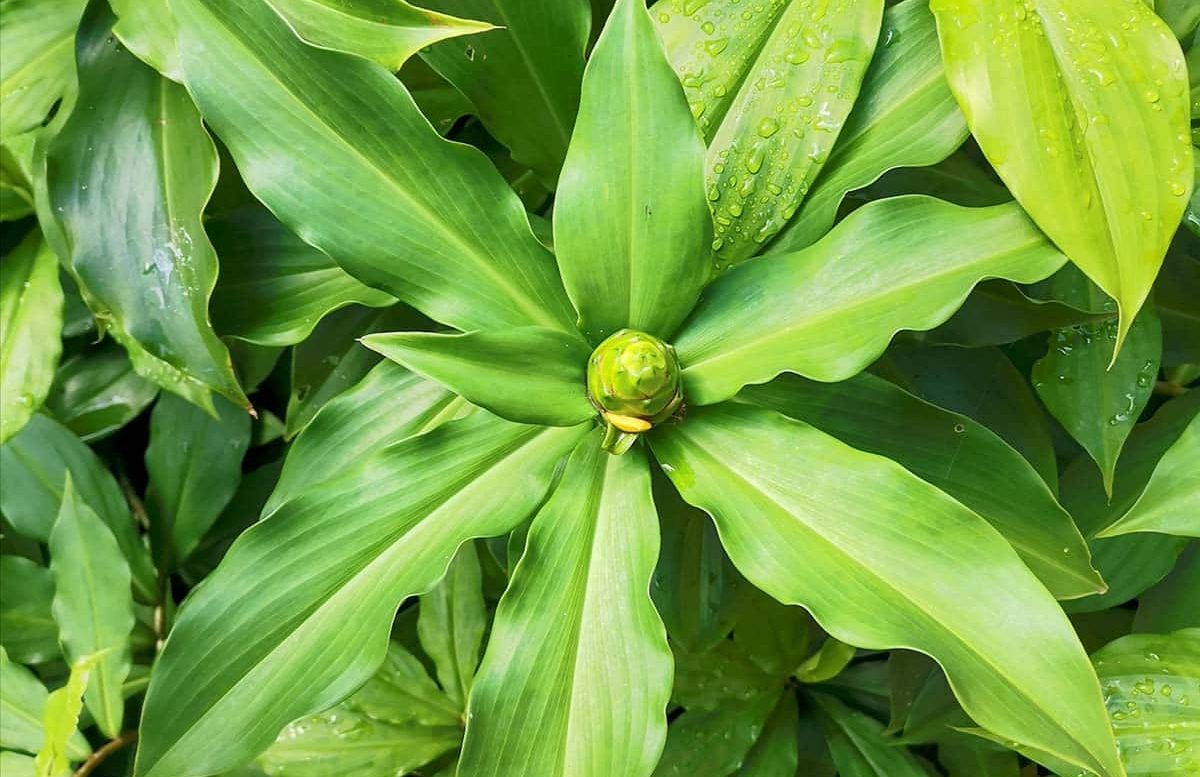
The insulin plant is a tropical plant promoted for blood sugar support, but it is not a proven diabetes treatment. Early research on Costus igneus suggests possible glucose-lowering effects, yet human evidence remains small and inconsistent. That matters because people taking insulin, sulfonylureas, or other glucose-lowering medicines may face a higher risk of low blood sugar if they add unstandardized plant products without monitoring.
Key Takeaways
- Evidence is early: most data come from lab, animal, and small human studies.
- Not a substitute: it should not replace prescribed diabetes care.
- Products vary: leaves, teas, powders, and capsules are not standardized.
- Safety needs attention: digestive upset, allergy, and hypoglycemia are possible.
- Clinician input helps: review use if you take glucose-lowering medication.
What the Insulin Plant Is
The insulin plant usually refers to Costus igneus, also called Chamaecostus cuspidatus in some botanical sources. It belongs to the Costaceae family and grows as a tropical ornamental with spiral stems, broad leaves, and bright flowers. Common names include fiery costus, spiral flag, and painted spiral ginger, though naming can vary by region and nursery.
The name can create confusion. The plant does not contain prescription insulin, and it does not work like injected insulin. Instead, traditional use and early research focus on whether compounds in the leaves may influence glucose metabolism, oxidative stress, or carbohydrate handling. Those ideas remain under study.
Correct identification matters if someone plans to grow or consume the plant. Nursery labels, online listings, and local names may use different terms. Lookalike plants can be sold under similar common names. If identification is uncertain, consult a qualified horticulture source before any use.
Why it matters: A common name is not enough to confirm safety or species.
Is It Really Effective for Blood Sugar?
The short answer is that the insulin plant may affect blood sugar, but evidence is not strong enough to rely on it for diabetes control. Research includes laboratory studies, animal models, and limited human trials. Some findings suggest glucose-lowering activity, but study designs, preparations, and participant groups differ widely.
Small studies can raise useful questions, but they cannot prove consistent benefit for the wider population. They also do not answer practical questions well, such as which preparation is most reliable, what amount is safe, or how it interacts with diabetes medications. For that reason, claims about insulin plant benefits should stay cautious.
People with diabetes need care plans that can be measured and adjusted. A1C, home glucose readings, continuous glucose monitor data, nutrition patterns, activity, sleep, and medication use all influence results. A plant product with variable strength can make it harder to interpret changes, especially when several habits change at once.
For broader context on diabetes and non-prescription supplements, see the National Center for Complementary and Integrative Health summary on diabetes and dietary supplements. It explains why evidence quality and medication interactions matter.
Common Uses and Preparation Methods
People use insulin plant leaves in several ways, including fresh leaves, tea, powders, and capsules. These forms can differ in taste, strength, and quality control. None should be assumed equivalent, even when labels use the same plant name.
Fresh Leaves
Fresh insulin plant leaves are often chewed or added to home preparations. This is the least standardized method. Leaf size, growing conditions, harvest timing, and storage can all affect what a person consumes. Washing leaves carefully reduces surface contamination, but it does not solve dosing uncertainty.
Searches such as “how many insulin leaves a day” reflect a practical concern. There is no well-established, medically accepted daily leaf amount for diabetes care. Asking a clinician or pharmacist is especially important if you use insulin, sulfonylureas, or other medicines that can lower glucose.
Tea
People interested in how to make insulin plant tea often use rinsed leaves steeped in hot water. Tea may feel gentler than chewing leaves, but strength still varies. Water volume, leaf size, simmering time, and whether the leaves are fresh or dried can change the final drink.
If someone chooses to try a tea after clinician review, a simple log can help separate patterns from guesswork. Track the time, amount used, meals, activity, symptoms, and glucose readings. Avoid changing several routines at once, because it becomes difficult to tell what caused any change.
Powders and Capsules
Insulin plant capsules and powders may seem more convenient, but supplement labels often do not verify active compounds. Some products combine multiple botanicals, which makes side effects and glucose changes harder to attribute. Third-party testing can help with contamination and identity concerns, but it does not prove effectiveness for diabetes.
People comparing botanicals may also review other supplement-focused resources, such as Cinnamon and Diabetes, Ginger and Diabetes, and Turmeric and Diabetes. These topics raise similar questions about evidence quality, product variation, and medication safety.
Safety, Side Effects, and Interactions
Side effects of insulin plant can include nausea, stomach discomfort, loose stools, or a bitter aftertaste. Allergic reactions are possible with any botanical product. Stop use and seek urgent help for swelling, breathing trouble, widespread rash, fainting, or severe weakness.
The most important diabetes-related concern is hypoglycemia, which means blood glucose that drops too low. Symptoms can include shakiness, sweating, hunger, dizziness, confusion, headache, or a fast heartbeat. The risk may be higher when a plant product is combined with insulin or medicines that stimulate insulin release.
People who are pregnant, breastfeeding, or planning pregnancy should avoid experimenting without medical guidance, because safety data are limited. Children should not use it without pediatric review. Extra caution is also reasonable for people with kidney disease, liver disease, gastroparesis (delayed stomach emptying), eating disorders, or a history of frequent low glucose.
Costus igneus side effects may also depend on the product source. Plants grown near roads, sprayed with pesticides, or stored in damp conditions may carry added risks. Supplements can contain undeclared ingredients or inconsistent amounts of plant material.
Quick tip: Bring the product label or plant photo to your next appointment.
How to Monitor Changes Safely
Monitoring helps you detect patterns before they become problems. If you and your care team decide to track a new routine, use the same meter or CGM method consistently. Record readings alongside meals, activity, sleep, illness, medication timing, and any plant preparation.
Blood glucose units can differ by country and device. Some readings appear as mg/dL, while others appear as mmol/L. A unit converter can help you compare values from labels, studies, or devices without changing your care plan.
Blood Glucose Unit Converter
Convert glucose readings between mg/dL and mmol/L without changing the clinical value.
These calculations are for education only and do not replace clinical advice, diagnosis, or treatment. Always confirm medical decisions with a qualified healthcare professional.
This tool only converts units. It does not interpret whether a reading is safe for you or recommend treatment changes.
Contact a clinician if you notice repeated low readings, unexpected highs, or new symptoms after using the insulin plant. Do not stop, reduce, or replace prescribed medication based on supplement use unless a qualified professional advises you. For general diabetes browsing, the Diabetes Articles collection can help you explore related education topics.
Where It Fits in Diabetes Care
The insulin plant fits, at most, as a complementary topic to discuss within a larger diabetes plan. Core care still depends on individualized nutrition, physical activity, sleep, weight goals when relevant, monitoring, and evidence-based medicines. Botanicals should not distract from those foundations.
Nutrition changes often have clearer and more measurable effects than unstandardized supplements. For example, carbohydrate quality, portion size, fiber intake, and meal timing can influence post-meal glucose. If you are exploring supplement use more broadly, the Vitamins and Supplements collection provides related educational reading.
Some readers compare plant products with established diabetes therapies. That comparison should be cautious. Prescription treatments go through formal testing, labeling, and monitoring standards. Supplement products are regulated differently and should not be treated as equivalent to medicines.
CanadianInsulin.com provides educational content and serves as a prescription referral platform where medication access, when relevant, involves prescription verification and licensed third-party pharmacy fulfilment where permitted. For navigation rather than medical advice, the Diabetes Condition page and Diabetes Products category can help readers understand related site resources.
Buying, Growing, and Identification Questions
People often search for insulin plant seeds, live plants, dried leaves, or capsules. Buying a plant for gardening is different from buying a product to consume. A live plant may be mislabeled, exposed to chemicals, or confused with related ornamental species.
If you grow it at home, use clean soil, avoid pesticide exposure, and keep the plant away from roadside dust or contaminated water. Basic insulin plant care usually includes warm temperatures, bright indirect light, and moist but well-drained soil. Overwatering can damage roots.
If you buy capsules, powders, or dried leaves, look for clear labeling, a lot number, ingredient details, and independent quality testing where available. Avoid products that promise to cure diabetes or replace medication. Strong claims are a warning sign, not proof of quality.
Access and cost questions are common, but they should not drive medical decisions. A low-cost supplement can still be unsafe if it causes hypoglycemia or delays proven care. A registered dietitian, pharmacist, or diabetes clinician can help you weigh the role of any non-prescription product.
Authoritative Sources
For plant-specific research background, see this peer-reviewed review on Costus igneus and traditional use. It summarizes botanical features and early research, while also showing why stronger clinical evidence is needed.
For an example of early human research, review the published study on Costus igneus leaves and diabetes. Interpret the results cautiously because small studies cannot establish broad treatment recommendations.
For safety context around non-prescription products, the FDA explains how dietary supplements are regulated. This helps explain why supplement quality, claims, and evidence need careful review.
Recap
The insulin plant remains popular because it is easy to grow and has a long history of traditional use. Current evidence, however, does not support using it as a replacement for diabetes medication or structured medical care. The biggest practical issues are uncertain strength, limited human data, product quality, and possible low blood sugar when combined with glucose-lowering therapies.
If you are considering insulin plant leaves, tea, capsules, or powder, discuss it with your care team first. Bring labels, photos, ingredient lists, and glucose logs. Careful monitoring is more useful than relying on testimonials or broad claims.
This content is for informational purposes only and is not a substitute for professional medical advice.