
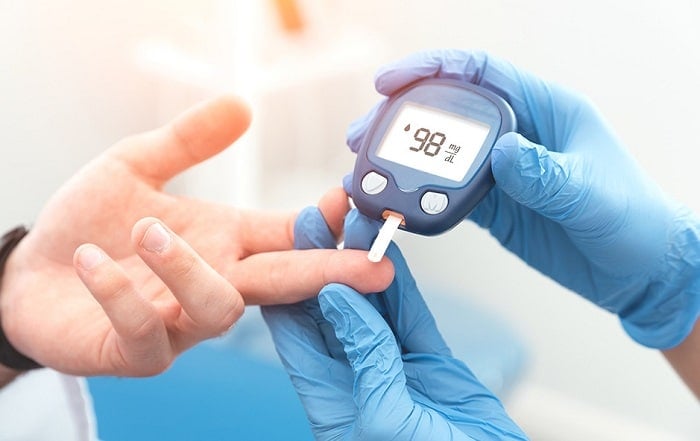
The short answer to is diabetes a disability is usually yes under major U.S. civil rights laws. Diabetes can substantially limit endocrine function, so many people with type 1 or type 2 diabetes are protected from discrimination at work, at school, and in public settings. That does not mean every person automatically qualifies for monthly disability payments. Cash benefits use a stricter standard and often depend on complications, functional limits, and the ability to keep working.
This distinction matters because the same diagnosis can raise different questions in different places. Someone may need meal breaks, a safe place to treat low blood sugar, or a school plan years before they meet the rules for government income support. The sections below explain diabetes legal rights, common accommodations, benefit basics, and the records that tend to matter most.
Key Takeaways
- Diabetes is often protected under U.S. disability laws.
- Type 1 and type 2 diabetes can both qualify.
- Legal protections differ from cash disability benefits.
- Workplace and school supports should be specific.
- Benefits claims usually focus on complications and work limits.
When Diabetes Counts as a Legal Disability
Diabetes often counts as a legal disability when it substantially limits a major life activity or a major bodily function. Under the Americans with Disabilities Act, major bodily functions include endocrine function. That point matters because diabetes affects how the body regulates glucose, insulin, and related hormones.
The legal analysis does not depend only on whether a person looks sick. A person may work full time, use insulin or other medicines, monitor glucose, and still have a protected medical condition. Civil rights laws often consider the underlying impairment, not only how well daily management reduces symptoms.
This is why diabetes ADA rights can apply even when diabetes is well managed. The condition may still require planning around meals, medication timing, glucose checks, supplies, concentration, exercise, driving, or response to hypoglycemia (low blood sugar) and hyperglycemia (high blood sugar).
Type 1 and Type 2 Diabetes
Both type 1 diabetes and type 2 diabetes may fall under disability protections. The label alone does not decide the issue. The key question is whether the condition affects a protected bodily function or limits daily activities in a meaningful way.
Type 1 diabetes often requires insulin and close glucose monitoring. Type 2 diabetes can also involve medication, insulin, complications, or serious glucose swings. In both cases, protections can apply at work, school, housing, public programs, and some public accommodations, depending on the law and setting.
For broader medical background, the site’s Diabetes Articles collection and Diabetes Hub can help you review common terms, treatment burdens, and monitoring concepts before reading legal paperwork.
Rights, Protections, and Benefits Are Different
Diabetes disability protections usually prevent unfair treatment or support access. Disability benefits, by contrast, may provide money or services only when a separate program’s eligibility rules are met. A person can have diabetes-related legal rights without qualifying for Social Security disability payments.
Why it matters: A protected disability does not automatically create benefit eligibility.
| Setting | Main Question | Possible Support |
|---|---|---|
| Employment | Does diabetes require a reasonable workplace adjustment? | Breaks, supply access, food or drink, scheduling changes, safe treatment space |
| School | Does the student need equal access and a written plan? | 504 plan, nurse access, glucose checks, exam changes, field trip participation |
| Government benefits | Do diabetes complications prevent sustained work? | Possible SSI or SSDI when medical and work rules are met |
This is also the simplest answer to what benefits a person with diabetes may receive. There is no single list for everyone. Some people mainly need anti-discrimination protection. Others need school planning, job-protected leave, or workplace adjustments. A smaller group may qualify for cash benefits because complications cause serious, long-term functional loss.
Leave adds another layer. In the U.S., job-protected leave may come from separate leave laws, employer policies, or state programs rather than disability law itself. That is why it helps to sort the issue by setting instead of using disability as one catch-all term.
Diabetes Workplace Rights and Reasonable Accommodations
Diabetes workplace rights can support a request for reasonable accommodations when glucose management affects the schedule, workspace, or safety of job tasks. A reasonable accommodation is a practical change that helps someone perform the essential parts of a job.
Common examples include easier access to water, food, or the restroom; short breaks to check glucose; a place to store supplies; permission to carry insulin, glucose tablets, snacks, or devices; and time to treat a low. Some roles may also require discussion about shift timing, driving duties, protective gear, or recovery after a severe glucose episode.
What Diabetes Accommodations Can Look Like
- Food and water access during shifts.
- Breaks for glucose checks.
- Permission to carry supplies.
- Time to treat low blood sugar.
- Flexible medical appointment scheduling.
- Adjusted meal or shift timing.
Many requests are simple. A cashier may need immediate access to glucose tablets. A warehouse worker may need a continuous glucose monitor receiver nearby. An office worker may need a short recovery break after symptoms such as shaking, sweating, confusion, or blurred vision.
Employers do not have to grant every request exactly as written. They can look for an effective alternative and may ask for limited medical documentation when the need is not obvious. They may also refuse a change that removes essential job duties or creates undue hardship. Still, a flat refusal based only on the word diabetes can raise discrimination concerns.
There is also no universal 3-hour rule for diabetics in U.S. disability law. Some workplaces, driving policies, medical plans, or individual care plans may use timing rules. But there is no general federal rule that every person with diabetes must eat, test, or take a break every three hours. The better question is whether a specific person needs a specific adjustment.
If treatment details become part of a workplace discussion, keep the focus on practical needs rather than private information that is not relevant. A medication list, device list, or clinician note may help explain why a break, supply access, or schedule change is needed. CanadianInsulin.com is a prescription referral platform, and where required, prescription details may be checked with the prescriber; dispensing is handled by licensed third-party pharmacies where permitted.
For diabetes treatment context, the Diabetes Treatment page can help you review broad categories of care. The Diabetes Products category is a browseable collection, not a substitute for legal or medical advice.
School Protections and Diabetes Care Plans
Diabetes school accommodations help students participate safely and fairly in class, testing, meals, sports, transportation, and field trips. In many U.S. K-12 schools, these supports may appear in a 504 plan under Section 504 of the Rehabilitation Act.
A strong school plan should be specific. It may cover glucose checks, insulin administration, snacks, water, bathroom access, nurse visits, physical education, absences tied to glucose events, and what happens during exams if symptoms interfere. The plan should also address severe hypoglycemia or ketone-related illness when those risks apply.
This is one reason families ask whether is diabetes a disability in the school setting. The answer can shape more than classroom rules. It may affect lunch timing, bus procedures, extracurricular activities, testing policies, emergency response, and whether a student can self-manage supplies.
A 504 plan is usually about access, not specialized instruction. Some students may also have an individualized education program for a separate learning need, but diabetes alone often fits under Section 504. Colleges may use disability services offices rather than K-12 style planning, yet the need for clear medical documentation remains similar.
Quick tip: Keep the school plan specific about symptoms, supplies, responsible staff, testing rules, travel, and emergencies.
When Diabetes May Qualify for Disability Benefits
Diabetes disability benefits use a narrower test than civil rights protections. A diagnosis alone usually is not enough. Programs such as Social Security Disability Insurance and Supplemental Security Income often look at whether diabetes or its complications cause severe, long-term limits that prevent sustained work.
In U.S. Social Security cases, diabetes is generally evaluated through the body systems it affects. That may include neuropathy (nerve damage), retinopathy (diabetes-related eye disease), nephropathy (kidney damage), cardiovascular disease, repeated severe hypoglycemia, or other complications that make reliable work difficult or unsafe.
The evidence often matters as much as the diagnosis. A stronger claim usually connects medical records to real functional limits. Records may show emergency care, worsening complications, specialist treatment, unsafe glucose swings, or limits in standing, walking, lifting, seeing, concentrating, or keeping a regular schedule.
This is the clearest answer to can you get disability for diabetes. Possibly, but not automatically. The standard is usually sustained functional loss, not the presence of diabetes alone.
What Often Matters in a Benefits Review
- Documented complications and symptoms.
- Emergency visits or hospital care.
- Specialist notes and test results.
- Functional limits at work.
- Consistency of treatment records.
- Expected duration of impairment.
Private disability insurance, workers’ compensation, state programs, and employer leave policies may follow different rules. A person might qualify under one system and not another. That mismatch is common, so it helps to read each program’s standard carefully.
Some complications have their own medical and functional implications. For example, Diabetic Nephropathy explains kidney-related diabetes complications in plain language. The overview on Type 2 Diabetes Complications may also help readers understand terms that appear in medical records.
What to Prepare for Accommodations or Benefits
Good documentation is usually more persuasive than broad labels. If diabetes affects your job, school participation, or daily function, gather records that connect the condition to specific problems and specific supports.
A practical file may include a diagnosis summary, recent clinic notes, medication and device list, glucose logs, records of low or high episodes, attendance issues, task limits, emergency visits, and written requests already made to an employer or school. For benefit programs, details about complications and how long they have lasted can matter as much as the diagnosis itself.
Example: a delivery driver with recurrent severe lows may need medical notes about timing, warning symptoms, recovery time, and safety limits. A college student may need documentation showing how glucose swings interfere with attendance, exams, or concentration. Both examples are stronger when the requested support is specific and tied to real functional problems.
When people talk about proving diabetes is a disability, this is usually what they mean in practice. They are not proving that diabetes exists. They are showing how it affects endocrine function, daily activities, school access, or work capacity in a setting where evidence matters.
Glucose units can also appear differently across records. A simple converter can help you compare mg/dL and mmol/L values when reviewing logs, though it does not interpret results or determine legal eligibility.
Blood Glucose Unit Converter
Convert glucose readings between mg/dL and mmol/L without changing the clinical value.
These calculations are for education only and do not replace clinical advice, diagnosis, or treatment. Always confirm medical decisions with a qualified healthcare professional.
If records mention long-term diabetes burden, the page on Type 1 Diabetes Life Expectancy may help explain why modern management and complication monitoring are often discussed together. The article on Diabetes and Immune Function may also help clarify a related question that sometimes appears in school or workplace discussions.
How to Match the Question to the Right Standard
The best next step depends on the setting. If the concern is discrimination, focus on equal access and reasonable accommodations. If the concern is income support, focus on medical evidence, complications, duration, and functional limits. If the concern is school, focus on a written plan that staff can follow consistently.
Use different questions for different systems. At work, ask what change would help you perform essential duties safely and effectively. At school, ask what plan supports equal participation. For Social Security or a private disability policy, ask whether medical records show limits that meet that program’s definition of disability.
It can also help to separate privacy from proof. You may not need to disclose every detail of your diabetes history to receive an accommodation. But you may need enough documentation to explain the condition, the limitation, and the requested support. For benefits, the evidence burden is usually broader.
If the facts are complex, consider professional guidance. Employment lawyers, school disability coordinators, benefits representatives, clinicians, and diabetes educators may each answer different parts of the problem. None of them replaces the others.
Authoritative Sources
- EEOC guidance on diabetes in the workplace
- ADA.gov overview of disability rights laws
- Social Security guidance on endocrine disorders
In short, diabetes is often a protected disability for civil rights purposes, but disability benefits use a narrower test. Match the question to the setting: work, school, public access, leave, or income support. Then gather records that show the condition, the practical limitation, and the specific support being requested.
This content is for informational purposes only and is not a substitute for professional medical advice.


