
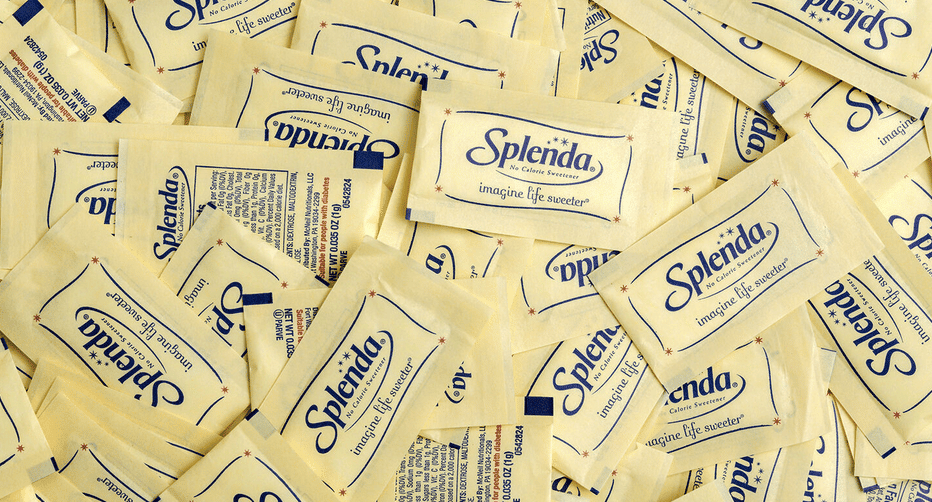
Is Splenda Good for Diabetics? For many people with diabetes, Splenda can be a useful sugar substitute because sucralose adds sweetness with little to no digestible carbohydrate. It usually does not raise blood glucose the way table sugar does. The main cautions are portion size, added fillers, personal tolerance, and how often sweet foods or drinks appear in your overall eating pattern.
Splenda is the best-known brand name for sucralose, a high-intensity sweetener. It tastes much sweeter than sugar, so only small amounts are needed. That makes it appealing when you are trying to reduce added sugar, manage carbohydrate intake, or limit glycemic load. Still, it is not a free pass for unlimited sweet foods. Labels, ingredients, and glucose patterns still matter.
Key Takeaways
- Blood sugar impact: Sucralose itself generally has minimal direct glucose effect.
- Labels still matter: Splenda packets and blends may contain small carbohydrates.
- Responses vary: Some people notice digestive symptoms or glucose pattern changes.
- Alternatives exist: Stevia, monk fruit, and sugar alcohols each have tradeoffs.
- Best use: Treat sweeteners as tools, not daily dietary anchors.
How Splenda Fits Into Diabetes Meal Planning
Splenda may help reduce added sugar when it replaces regular sugar in drinks, desserts, or recipes. This matters because table sugar contains carbohydrate that can raise blood glucose after meals. Replacing some sugar with a non-nutritive sweetener can lower the carbohydrate load of a food or beverage.
That benefit is most clear in simple swaps. For example, using a small amount in coffee instead of several teaspoons of sugar removes a predictable source of carbohydrate. The picture becomes less simple in baked goods, flavored yogurts, sauces, and packaged snacks. Those foods can still contain flour, starch, fruit concentrates, or other carbohydrate sources.
Why it matters: The sweetener name is less important than the total carbohydrate on the label.
When people ask whether Splenda is better than sugar, the practical answer depends on the goal. For glucose control, replacing sugar with sucralose can reduce immediate carbohydrate exposure. For overall nutrition, the rest of the food still counts. A sugar-free cookie may still contain refined flour, calories, and fats that affect weight, appetite, and glucose patterns.
If you are reviewing sweeteners as part of a broader diabetes plan, the Diabetes Sugar resource offers helpful context on how sugar fits into everyday glucose management. For a wider set of condition resources, you can also browse the Diabetes Articles collection.
Does Sucralose Raise Blood Sugar or Insulin?
Sucralose does not break down into glucose like table sugar, so it usually does not directly raise blood sugar when used by itself. This is why many diabetes-focused meal plans allow non-nutritive sweeteners in moderate amounts. However, “no sugar” does not always mean “no glucose effect.”
Food context can change the result. Sucralose in plain coffee is different from sucralose in a muffin made with wheat flour. A “sugar-free” drink may have little carbohydrate, while a “no added sugar” dessert may still contain starches or naturally occurring sugars. This is why glucose monitoring remains more useful than relying only on front-of-package claims.
Insulin response is also more nuanced. Some controlled studies have examined whether sucralose affects insulin, incretin hormones, or glucose handling under specific test conditions. Findings are mixed, and study designs vary. Some people may show small hormonal changes, while others show little measurable effect. These findings do not mean everyone with diabetes must avoid sucralose.
If you want a deeper look at the research question, see Sucralose And Insulin. For broader context across sweetener types, Artificial Sweeteners Raise Insulin reviews why study results can differ.
Quick tip: Test one change at a time so glucose patterns are easier to interpret.
What Is in Splenda, and Why Fillers Matter
Sucralose is the active sweetening ingredient in Splenda. It is much sweeter than sugar, so products use very small amounts. Many tabletop packets also include bulking agents, such as dextrose or maltodextrin, to make the product easier to measure and pour.
These fillers can add small amounts of carbohydrate per serving. For most people, one packet is unlikely to make a major difference. Several packets per day, large recipe amounts, or baking blends can add more than expected. This is especially important if you use carbohydrate counting for insulin dosing or track post-meal glucose closely.
Label wording can also be confusing. “Zero calories” on a small serving does not always mean the food contains no meaningful carbohydrate when used in larger quantities. Serving sizes may be tiny. Baking blends may combine sucralose with sugar, starches, or sugar alcohols to improve texture.
Label details to check
- Total carbohydrate: Use the Nutrition Facts panel, not marketing claims.
- Serving size: Compare the listed serving with your actual amount.
- Bulking agents: Look for maltodextrin, dextrose, or starches.
- Sugar alcohols: Note erythritol, xylitol, sorbitol, or maltitol.
- Recipe blends: Check whether sugar is still included.
A simple carb-serving estimate can help when comparing sweetened foods. This calculator estimates carbohydrate servings from total carbohydrate and a chosen serving target; it does not replace advice from your clinician or dietitian.
Carb Serving Calculator
Convert total carbohydrate grams into carb choices for meal planning and diabetes education.
These calculations are for education only and do not replace clinical advice, diagnosis, or treatment. Always confirm medical decisions with a qualified healthcare professional.
Safety, Side Effects, and Who Should Be Cautious
Sucralose is permitted for use in foods and beverages in many countries. Regulatory reviews have set acceptable daily intake limits, which are safety thresholds based on body weight. Most people using modest amounts stay well below those limits. Still, safety approval does not mean every person tolerates every product well.
Commonly discussed Splenda side effects include bloating, gas, loose stools, nausea, or an aftertaste. These symptoms may come from sucralose itself, but they may also come from fillers, sugar alcohols, or other ingredients in the same product. People with irritable bowel symptoms or inflammatory bowel conditions may prefer a slower trial and careful symptom tracking.
Some people should be especially cautious with any sweetener change. This includes people with repeated unexplained highs or lows, pregnancy, kidney disease, gastroparesis (delayed stomach emptying), eating disorder history, or medication-related hypoglycemia. In these situations, discuss carbohydrate targets and sweetener use with a clinician or registered dietitian.
Heat and cooking use deserve a practical note. Sucralose is often marketed as suitable for baking, but recipes can vary in texture and ingredient balance. A dessert made with a sucralose blend may still contain flour, fruit, milk, or chocolate. Check the full recipe, not just the sweetener swap.
For people comparing digestive effects, Sugar Alcohols explains why some low-sugar products can still cause gas or bloating.
Splenda, Stevia, Monk Fruit, and Aspartame Compared
No single sweetener is safest or best for every person with diabetes. The better choice depends on glucose response, taste, digestive tolerance, cooking needs, and how much sweetness you use each day. Splenda, stevia, monk fruit, and aspartame all reduce sugar exposure when they replace regular sugar, but they differ in source, flavor, and product format.
Stevia comes from stevia leaf extracts. It provides strong sweetness with little to no digestible carbohydrate. Some people prefer it because it is plant-derived. Others dislike its bitterness or licorice-like aftertaste. Monk fruit extract is another non-nutritive option. It is often blended with erythritol or other ingredients, so labels still matter.
Aspartame is another low-calorie sweetener used in many beverages and tabletop products. It is different from sucralose and is not heat-stable in the same way. People with phenylketonuria, a rare inherited condition, must avoid phenylalanine from aspartame. That warning appears on products that contain it.
When comparing sucralose vs stevia, focus on the real-world product. A pure stevia drop, a stevia-erythritol blend, a Splenda packet, and a baking blend can behave differently. The ingredient list often tells you more than the sweetener category.
For a broader comparison of options, see Healthiest Sweetener. It can help you weigh taste, tolerance, and label reading without assuming one option fits everyone.
Decision factors that matter most
- Glucose readings: Compare your usual response before and after changes.
- Digestive tolerance: Track bloating, cramps, or loose stools.
- Use case: Drinks, yogurt, sauces, and baking need different products.
- Ingredient blends: Watch fillers, starches, and sugar alcohols.
- Sweetness habits: Consider gradually lowering overall sweetness preference.
Practical Ways to Use Sweeteners More Safely
People with diabetes can use sweeteners more safely by keeping amounts consistent and checking the whole food. A small amount in coffee is easy to evaluate. A packaged dessert or flavored drink requires more label reading because total carbohydrate, serving size, and calories may still be relevant.
Start with the smallest amount that tastes acceptable. If you use a continuous glucose monitor or finger-stick checks, compare similar meals on different days. Avoid changing several variables at once, such as the sweetener, portion size, exercise timing, and medication timing. Too many changes make patterns harder to understand.
Sweeteners can also affect appetite and food choices. Some people find that very sweet foods keep cravings high, even when the sweetener has few calories. Others use them successfully to reduce sugar intake. A reasonable goal is not perfection. It is a pattern that supports glucose stability, nutrition, and satisfaction.
If you use insulin or medications that can cause hypoglycemia, do not treat low blood sugar with a non-nutritive sweetener. Follow the plan provided by your care team for fast-acting carbohydrate. Sugar-free candy or drinks may taste sweet but may not provide enough glucose to correct a low.
For product navigation related to diabetes care, the Diabetes condition page can help readers browse relevant categories. Keep medication decisions separate from sweetener choices and review changes with your care team when needed.
Authoritative Sources
Regulatory and clinical sources can help separate common claims from evidence-based guidance. The FDA overview of sweeteners in food explains how high-intensity sweeteners are reviewed in the United States. Diabetes UK also provides practical background on sugar, sweeteners, and diabetes. For a controlled trial example, the Diabetes Care sucralose study discusses hormonal and glycemic responses under specific test conditions.
Bottom Line
Is Splenda Good for Diabetics? It can be a reasonable option when it replaces sugar and helps reduce carbohydrate intake. Sucralose usually has little direct effect on blood glucose, but individual responses, fillers, blends, and food context can change the practical result.
Use sweeteners in modest, consistent amounts. Read labels carefully. Track glucose and digestive symptoms when trying a new product. If you notice repeated highs, lows, or discomfort, step back and review the pattern with a clinician or registered dietitian.
This content is for informational purposes only and is not a substitute for professional medical advice.


