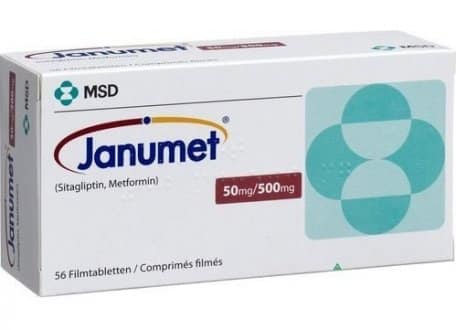
Janumet dosage is individualized for adults with type 2 diabetes based on current treatment, kidney function, tolerability, and glucose goals. The medicine combines sitagliptin with metformin, so dosing decisions must account for both components. Most people take immediate-release tablets with meals, while extended-release tablets are usually taken once daily with food. This matters because timing, tablet strength, and kidney monitoring can affect both glucose control and side effects.
Key Takeaways
- Individualized dose: Prescribers consider prior metformin use, A1C, kidney function, and stomach tolerance.
- Food matters: Taking tablets with meals can reduce nausea, diarrhea, and stomach upset.
- XR handling: Swallow extended-release tablets whole; do not crush, split, or chew them.
- Daily limits: Sitagliptin and metformin components have labeled maximum daily amounts.
- Safety checks: Kidney function and vitamin B12 may need periodic monitoring during long-term use.
How Janumet Works in Type 2 Diabetes Care
Janumet combines two diabetes medicines in one tablet: sitagliptin and metformin. Sitagliptin is a DPP-4 inhibitor, which helps the body use incretin hormones after meals. Metformin lowers glucose production in the liver and improves insulin sensitivity, meaning the body can use insulin more effectively.
The combination can support both fasting and after-meal glucose control. It is not insulin, and it is not used to treat type 1 diabetes or diabetic ketoacidosis. The immediate-release form is typically taken more than once daily with meals. The XR form releases metformin more slowly and is designed for once-daily use in many patients.
If you need a broader medication background, Janumet Uses and Dosage explains how the components fit together. For product navigation, Janumet XR lists the extended-release option in more detail.
Why it matters: Fixed-dose combinations simplify schedules, but they also limit how separately each ingredient can be adjusted.
Understanding Strengths and Daily Limits
The main Janumet dosage decision is how much sitagliptin and metformin a person receives each day. Immediate-release tablets pair sitagliptin 50 mg with metformin 500 mg or 1000 mg. Extended-release versions include strengths such as 50/500, 50/1000, and 100/1000, depending on the specific product label and market.
Two component limits guide prescribing. The labeled maximum daily dose is generally 100 mg of sitagliptin and 2000 mg of metformin hydrochloride. A tablet labeled 50/1000 contains 50 mg sitagliptin and 1000 mg metformin. If taken twice daily as an immediate-release product, that reaches 100 mg sitagliptin and 2000 mg metformin per day.
The difference between Janumet 50/500 and 50/1000 is mainly the metformin amount. The 50/500 strength gives a lower metformin dose per tablet. The 50/1000 strength gives a higher metformin dose per tablet and may be more likely to cause stomach-related effects in people who are not used to metformin.
For someone not already taking metformin, prescribers often start lower and increase gradually if tolerated. For someone already stable on metformin, the chosen strength may try to match the previous daily metformin amount while adding sitagliptin. These decisions should come from the prescriber, not from tablet substitution at home.
Metformin formulation also matters. Immediate-release metformin may cause more early gastrointestinal symptoms for some people, while extended-release formulations can be easier to tolerate. For more context, Metformin vs Metformin ER compares release patterns and practical differences.
Best Timing With Meals and XR Tablets
The best time to take Janumet 50/1000 is usually with a meal that you can take consistently. Food helps reduce metformin-related nausea, diarrhea, cramping, and appetite changes. For many people, this means breakfast and dinner for immediate-release tablets, or the evening meal for XR tablets.
Janumet 50/1000 before or after food is a common question. The practical answer is to take it with food, not on an empty stomach, unless your prescriber gives different instructions. Taking it during or right after a meal often improves comfort. Skipping meals can make stomach effects more noticeable.
Extended-release tablets need extra care. Swallow them whole with food. Do not crush, cut, or chew XR tablets, because that can alter the release pattern. Some people notice a tablet-like shell in stool with extended-release medicines. This can happen with certain XR designs and does not always mean the dose failed.
People often ask why take Janumet XR in the evening. Evening dosing can be convenient, and taking XR with dinner may reduce daytime stomach upset for some patients. However, the right routine depends on the prescribed product, other medicines, meal timing, and glucose patterns.
Quick tip: Keep the dose linked to the same meal each day to reduce missed doses.
Immediate-Release Versus XR Schedules
Immediate-release and XR products are not used the same way. Immediate-release Janumet is commonly taken twice daily with meals. Janumet XR dosage is commonly once daily with food, often with the evening meal, when it fits the person’s routine and label directions.
Can Janumet XR be taken twice daily? The XR product is generally designed for once-daily dosing. Some clinicians may use divided approaches in specific cases, but this should be directed by the prescriber and checked against the product label. Patients should not change XR frequency on their own.
Questions about Janumet XR 50/1000 twice daily or Janumet XR 50/1000 maximum dose usually reflect confusion between immediate-release and extended-release products. The total daily sitagliptin and metformin amounts still matter. The XR label also includes instructions on swallowing tablets whole and taking them with food.
Switching from separate metformin tablets to a combination product requires careful matching. The prescriber may consider the prior metformin dose, the need for sitagliptin, kidney function, and side effects. If the previous regimen caused diarrhea or nausea, XR may be considered for tolerability, but it is not suitable for every situation.
For broader context on sitagliptin-containing therapy, Januvia provides a product-level reference for sitagliptin alone. The comparison can help readers understand why some people use a single-agent DPP-4 inhibitor while others use a fixed-dose combination.
Side Effects, Warnings, and Monitoring
Janumet 50/1000 side effects usually reflect the combined profile of sitagliptin and metformin. Common metformin-related effects include nausea, diarrhea, abdominal discomfort, gas, and reduced appetite. These symptoms often occur early or after a dose increase. Taking the medicine with food may help.
Sitagliptin-related effects may include headache, upper respiratory symptoms, or mild stomach symptoms. Rare but serious reactions have been reported, including pancreatitis, severe allergic reactions, and severe skin reactions. Seek urgent medical care for severe abdominal pain that does not go away, swelling of the face or throat, trouble breathing, or blistering skin.
Metformin carries a boxed warning for lactic acidosis, a rare but serious buildup of acid in the blood. Risk is higher in situations such as significant kidney impairment, severe dehydration, low oxygen states, heavy alcohol use, or certain acute illnesses. Prescribers may advise temporarily holding metformin-containing medicines around contrast imaging or serious illness, depending on the situation.
Kidney function is central to safe use. Clinicians usually check estimated glomerular filtration rate, or eGFR (a kidney filtration estimate), before starting therapy and periodically during treatment. Older adults and people with changing kidney function may need closer review.
The calculator below can help readers understand the type of kidney estimate clinicians discuss. It is a general educational tool and does not decide whether a medication is appropriate.
eGFR Calculator
Estimate kidney filtration using the 2021 CKD-EPI creatinine equation.
These calculations are for education only and do not replace clinical advice, diagnosis, or treatment. Always confirm medical decisions with a qualified healthcare professional.
Long-term metformin use can also be associated with lower vitamin B12 levels. Periodic B12 checks may be considered, especially if anemia, numbness, tingling, or nerve symptoms develop. Home glucose logs can help clinicians judge whether a regimen is working safely. For related diabetes education, the Type 2 Diabetes Articles collection offers additional reading.
Adjustments and Special Situations
Dose adjustments are common when glucose targets, side effects, or kidney function change. A person using Janumet dosage 50/500 may be building tolerance to metformin or maintaining a lower metformin exposure. A higher-strength regimen may be considered when metformin has already been tolerated, but only within labeled limits.
Acute illness can change the safety picture. Vomiting, diarrhea, fever, poor fluid intake, or dehydration can increase the risk of kidney stress. In these situations, patients should contact their clinician for sick-day instructions. They should not restart or stop diabetes medicines without clear guidance if they are unsure.
Other medicines may also affect glucose and safety. Insulin or sulfonylureas can increase the risk of low blood sugar when used with other diabetes therapies. Symptoms of hypoglycemia (low blood sugar) can include shakiness, sweating, fast heartbeat, confusion, or weakness. Recurrent lows need prompt clinical review.
People with liver disease, heavy alcohol intake, heart failure with low oxygen risk, or a history of pancreatitis may need extra caution. Pregnancy, breastfeeding, or planned surgery also warrants clinician review. These are not situations for self-adjusting a fixed-dose tablet.
For readers comparing related diabetes medication classes, DPP-4 Inhibitors outlines this drug class in plain language. For broader browsing, the Type 2 Diabetes condition page groups related options.
Practical Examples of Dose Conversations
Example: A person new to metformin may start with a lower metformin-containing strength if their clinician feels the combination is appropriate. The goal is often to reduce early stomach effects while assessing glucose response. If symptoms are manageable, the prescriber may later reassess whether a change is needed.
Example: A person already taking metformin 1000 mg twice daily may be evaluated for a combination that keeps a similar daily metformin amount while adding sitagliptin. The clinician still checks kidney function, tolerability, and whether the sitagliptin daily total remains within the labeled maximum.
Example: A person taking several medicines may prefer once-daily extended-release therapy for routine simplicity. That preference is only one factor. The prescriber also weighs kidney function, meal patterns, insurance or access issues, side effects, and whether XR tablets are suitable.
Some patients also ask whether Janumet causes weight loss. The medicine is not primarily a weight-loss drug, but glucose therapy can affect appetite, digestion, and weight patterns differently across individuals. For that specific topic, see Janumet and Weight Loss.
CanadianInsulin.com functions as a prescription referral platform, and prescription details may be confirmed with the prescriber when required. Dispensing and fulfillment are handled by licensed third-party pharmacies where permitted, so medication access questions should stay separate from dosing decisions.
Missed Doses, Consistency, and Follow-Up
If a dose is missed, follow the instructions from your prescriber or product label. In general, patients are often told not to double doses to make up for a missed tablet. Because fixed-dose combinations contain two medicines, doubling can raise the risk of side effects.
Consistency helps clinicians interpret glucose readings. Try to record dose time, meal timing, stomach symptoms, and glucose values when a dose or strength changes. A short two-week log can make follow-up visits more useful.
Bring a current medication list to appointments. Include over-the-counter medicines, supplements, alcohol intake patterns, and recent illnesses. These details can change how clinicians view kidney risk, stomach symptoms, or low blood sugar risk.
People exploring affordability or access sometimes compare cash-pay options without insurance, depending on eligibility and jurisdiction. That may affect how a prescription is filled, but it should not determine the dose. Dose decisions should remain clinical and label-based.
Authoritative Sources
For labeled indications, contraindications, dosing limits, and warnings, review the Janumet prescribing information.
For extended-release instructions and product-specific warnings, consult the Janumet XR prescribing information.
For an additional regulator-backed drug label reference, see DailyMed’s Janumet label.
Recap
Janumet dosage depends on prior therapy, kidney function, stomach tolerance, and the total daily amounts of sitagliptin and metformin. Take tablets with food, swallow XR tablets whole, and keep follow-up labs current. Report severe abdominal pain, allergic symptoms, dehydration, repeated low blood sugar, or signs of serious illness promptly.
This content is for informational purposes only and is not a substitute for professional medical advice.