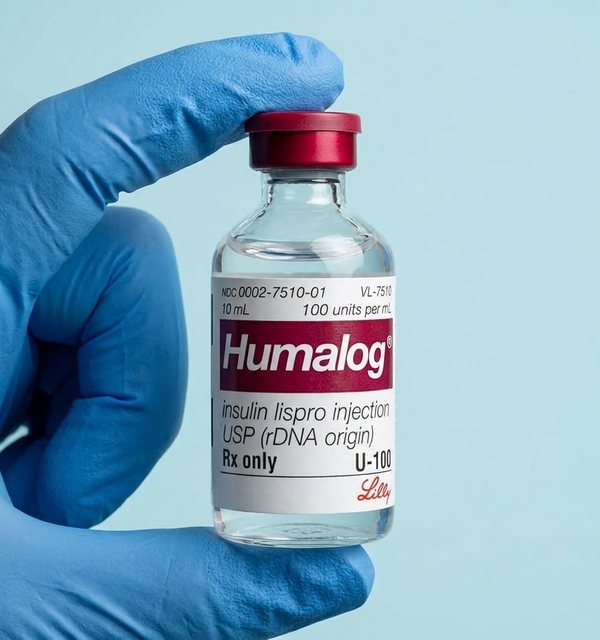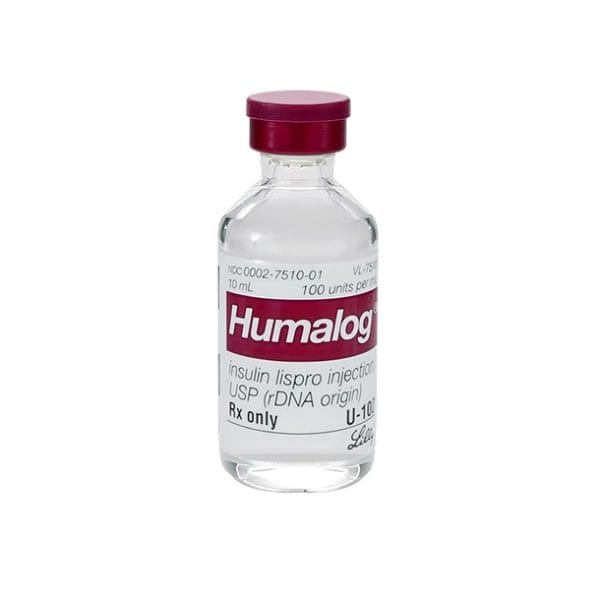


In a Novolin vs Humalog comparison, the biggest difference is insulin type, not just the brand name. Humalog is insulin lispro, a rapid-acting analog usually used for meal coverage. Novolin is a brand family that includes Novolin R, a short-acting regular human insulin, and Novolin N, an intermediate-acting NPH insulin. That matters because timing, peak effect, and safe switching rules can differ in clinically important ways.
Many people ask whether Novolin can replace Humalog. Sometimes another insulin may fill a similar role, but it is not a simple brand-for-brand swap. A safe change depends on the exact product, the reason it is being used, how quickly it starts working, and how blood glucose will be followed during the transition.
Key Takeaways
- Humalog is a rapid-acting insulin lispro product usually used around meals.
- Novolin is not one insulin; Novolin R and Novolin N are clinically different products.
- Humalog and Novolin R are closer comparisons than Humalog and Novolin N, but they still behave differently.
- No insulin switch is a casual brand substitution; timing, role, and monitoring all matter.
- Mixing rules depend on the exact insulin and device, not just the family name.
Why The Novolin Vs Humalog Comparison Gets Confusing
The comparison is confusing because Humalog names one insulin, while Novolin refers to a family of products. If someone says Novolin, the next step is to identify the exact formulation. In everyday use, people often mean Novolin R when they are looking for a meal-time alternative. Others may mean Novolin N, which changes the conversation completely.
That naming issue matters because these insulins come from different clinical categories. Humalog is a rapid-acting analog. Novolin R is regular human insulin. Novolin N is NPH, an intermediate-acting insulin. If you want a refresher on those categories, see Insulin Analogs, Human Insulin Vs Analog Insulin, and Lispro Vs Regular Insulin.
Once you separate the category from the brand, the practical questions become clearer. Is this insulin meant to cover meals, provide background insulin, or both? For broader context on how insulin fits into care, browse the Diabetes Hub.
Why it matters: Using the right insulin at the wrong time can raise both high and low glucose risk.
Prescription details may be checked with the prescriber when required.
Clinical Differences That Matter Day To Day
The day-to-day difference is how fast the insulin starts, when it peaks, and whether it is meant for meals or background coverage.
Meal-Time Timing And Duration
Humalog is designed to act quickly after injection, so it is usually paired more closely with eating. Novolin R acts more slowly and can last longer. In practical terms, Humalog vs Novolin onset and duration is the core clinical difference for most people comparing meal-time insulins.
This is why a simple substitution can cause problems. A later meal, a smaller meal, unexpected exercise, or an extra snack may interact differently with rapid-acting and short-acting insulin. That is also why Humalog and Novolin timing before meals is one of the first issues reviewed during a switch. If you are comparing the mealtime category itself, the Rapid-Acting Insulin overview gives helpful background.
Why NPH Changes The Comparison
Humalog vs Novolin N is not really a same-role comparison. Humalog is commonly used as a bolus insulin, meaning it helps cover food-related rises in glucose. Novolin N is an intermediate-acting insulin with a different peak and a different job in many regimens. If a switch involves NPH, the issue is no longer just meal timing. It becomes a broader regimen question involving basal and bolus balance.
| Insulin | Type | Usual role | Timing pattern | Main caution |
|---|---|---|---|---|
| Humalog | Rapid-acting insulin lispro | Meal-time coverage | Usually taken closer to eating | Not interchangeable with slower insulins by brand name alone |
| Novolin R | Short-acting regular human insulin | Meal-time coverage | Usually needs earlier premeal timing | Longer action can change overlap after meals |
| Novolin N | Intermediate-acting NPH insulin | Background coverage | Later peak and longer effect | Not a direct replacement for Humalog |
If your plan separates meal insulin from background insulin, review Basal Vs Bolus Insulin and Intermediate-Acting Insulin. Those frameworks explain why two insulins can both treat diabetes yet still be poor one-to-one substitutes.
Can Novolin Replace Humalog?
Sometimes a clinician may use another insulin instead of Humalog, but only after matching the job that Humalog was doing.
When people search Novolin vs Humalog, they are usually comparing Humalog with Novolin R, not with Novolin N. That is because Humalog and regular insulin can both be used around meals. Even then, they are not interchangeable in a casual sense. Their action profiles differ, so timing before meals, overlap with later food, and monitoring during the first days of a switch all deserve attention.
If the proposed substitute is Novolin N, the answer is different. NPH is generally used for background coverage, not as a like-for-like mealtime replacement. Swapping a rapid-acting insulin for an intermediate-acting insulin without a clear plan can leave meals under-covered while increasing lows at other times.
If you are asking what insulin can replace Humalog, a closer category match is usually another rapid-acting analog. Regular human insulin may sometimes be used, but its timing is different enough that the switch still needs active review. For a related comparison inside the meal-time category, see NovoLog Vs Regular Insulin.
Safe Conversion Tips Before Any Switch
A safe insulin switch starts with verification, not arithmetic. A Humalog to Novolin conversion chart can help explain broad concepts, especially in emergency planning, but it does not replace an individualized regimen review.
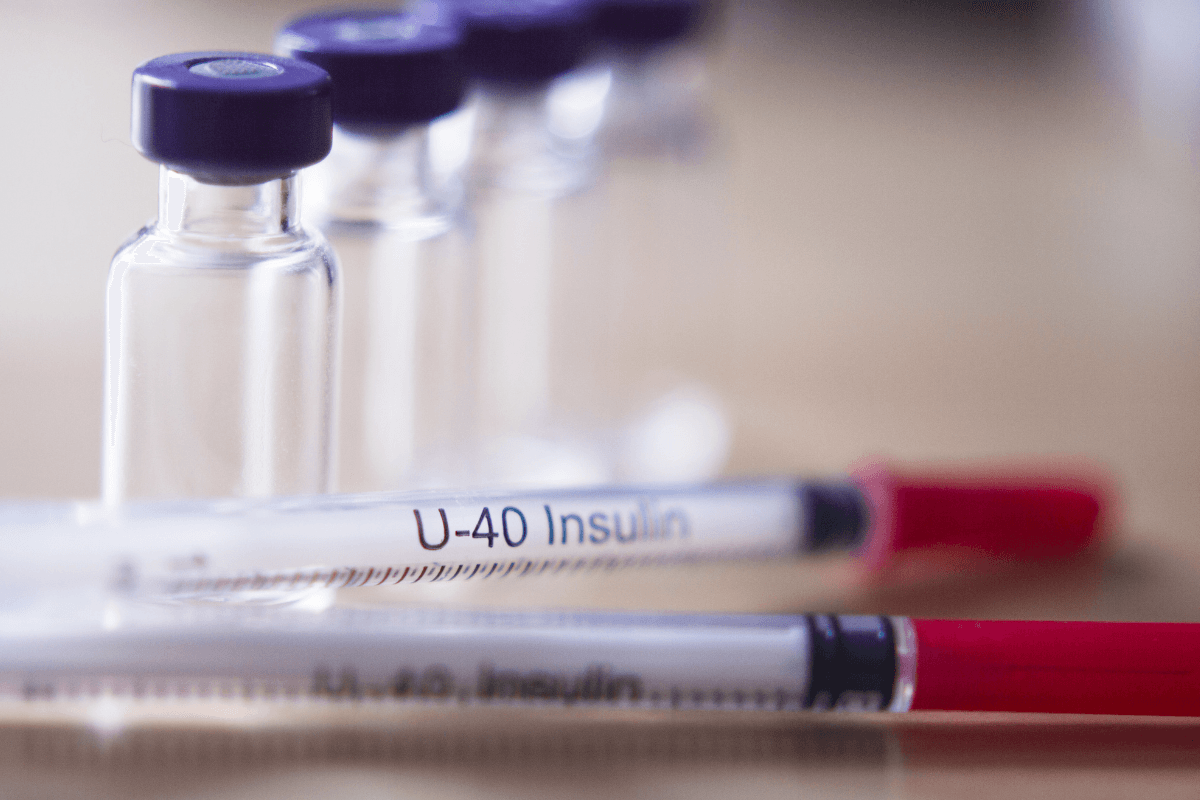
Before any change, confirm the exact insulin name, the reason it is being used, and how it is delivered. A switch from Humalog to Novolin R is different from a switch involving Novolin N. A vial-to-pen or pen-to-vial change also introduces separate technique questions. That is one reason safe insulin switching tips usually focus first on identification, timing, and monitoring rather than on a universal dose formula.
- Full product name: confirm lispro, regular, or NPH, not just the brand.
- Insulin role: separate meal coverage from background coverage.
- Meal timing window: rapid-acting and regular insulin are not usually taken the same way.
- Device check: vial, pen, and syringe changes can add errors.
- Monitoring plan: expect closer glucose checks during a transition.
- Mixing rules: confirm compatibility for the exact product before combining insulins.
- Escalation signs: know what symptoms or readings require prompt review.
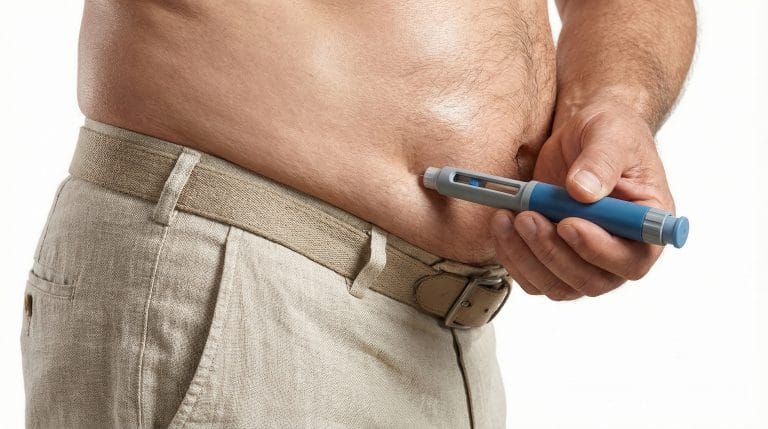
If the switch also changes how insulin is administered, review Insulin Pen Vs Syringe and Where To Inject Insulin. Technique problems can look like a medication problem when the real issue is delivery.
Quick tip: Write the full insulin name, type, and timing on your medication list.
Dispensing is handled by licensed third-party pharmacies where permitted.
Mixing And Substitution Cautions
Mixing rules are product-specific, so there is no safe shortcut based on brand names alone.
A common question is which two insulins should never be mixed. The cautious answer is that many long-acting basal analogs, including glargine and degludec products, are generally not mixed in the same syringe. Some rapid-acting or regular insulins may be mixed with certain intermediate-acting insulins when the label and care team allow it, but that compatibility is not universal. Pens, cartridges, and premixed products have their own limits.
The same principle applies to substitutions. An accidental switch between two rapid-acting analogs may raise different concerns than confusing a rapid-acting insulin with regular insulin or NPH. Similar names, similar packaging, and similar-looking devices can all contribute to errors. Read the full label each time, especially if the brand, color, or delivery method has changed.
Put simply, Humalog and Novolin mixing guidelines depend on the exact formulation. Never assume that one product can be mixed, timed, or substituted the same way as another just because both are insulin.
Where These Insulins Fit In Diabetes Care
Humalog and Novolin fit into care differently because insulin plans are built around speed, duration, and the problem being treated.
Some people need a clear basal-bolus structure. Others use simpler regimens, older human insulins, or different delivery tools based on routine, training, and access. In type 1 diabetes, the separation between background and meal insulin is often more obvious. In type 2 diabetes, regimens vary more widely. Those differences help explain why a brand-name comparison can oversimplify a real treatment plan.
The Novolin vs Humalog question becomes easier once you stop treating insulin as a single category. The more useful comparison is rapid-acting versus regular versus intermediate-acting, plus the role each one plays in a regimen. That framework explains why one insulin may look similar on a shelf yet behave very differently after injection.
Eligibility and jurisdiction can affect cash-pay or cross-border fulfilment options.
Authoritative Sources
- For a federal overview of insulin categories, see NIDDK insulin medicines and treatments.
- For a clinician-reviewed summary of insulin use, see Mayo Clinic insulin therapy overview.
- For emergency substitution principles, see the ADA insulin switching guidance.
Further reading: focus first on the insulin role, then the timing, then the device and monitoring plan. That sequence is usually more useful than comparing brand names alone.
This content is for informational purposes only and is not a substitute for professional medical advice.