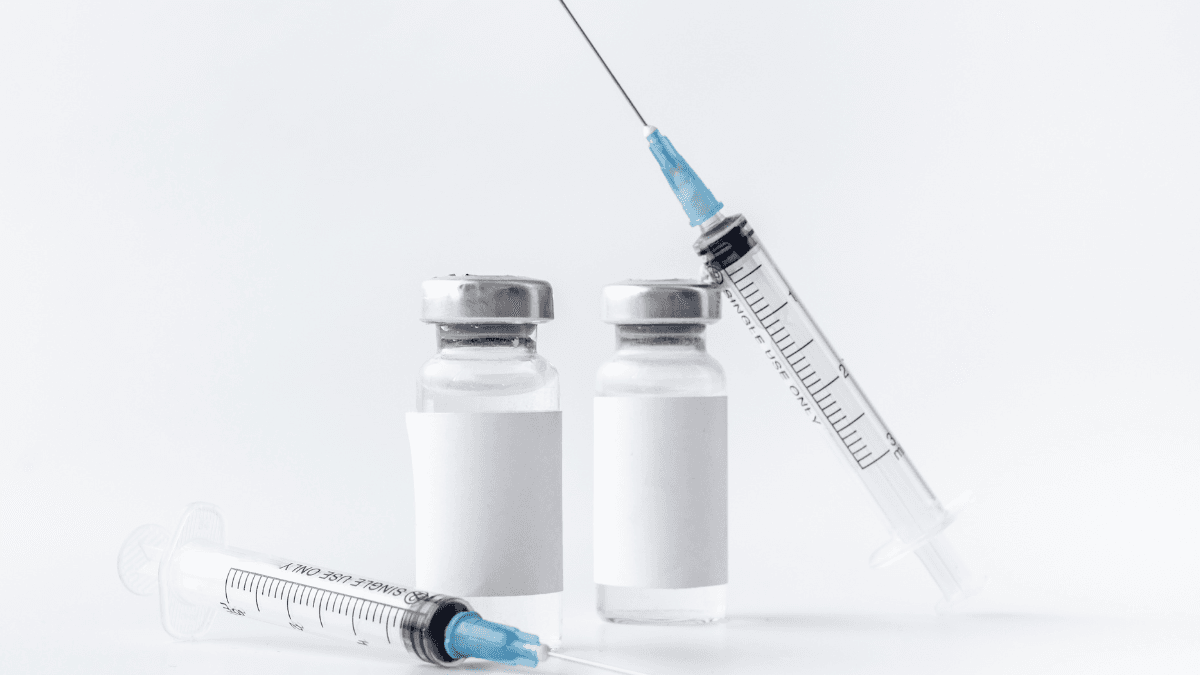
Choosing between humalog vs novolog often comes down to small but meaningful differences. Both are rapid-acting analog insulins used for mealtime (prandial) control. Understanding their formulation, onset, and practical use helps patients and caregivers discuss the safest plan with their clinicians. This overview summarizes similarities, distinctions, and cautious switching strategies.
Key Takeaways
- Therapeutic class match: both are rapid-acting prandial insulins.
- Similar onset and duration, with minor patient-level differences.
- Switching typically uses unit-for-unit principles, with monitoring.
- Devices, infusion sets, and timing can influence variability.
- Safety hinges on hypoglycemia awareness and dose verification.
What Are These Rapid-Acting Insulins?
Humalog and NovoLog are rapid-acting insulin analogs designed for mealtime coverage. They help limit postprandial glucose excursions by acting quickly after injection. Both agents are used across type 1 and type 2 diabetes as part of basal-bolus regimens, correction dosing, or insulin pump therapy.
The humalog generic name is insulin lispro, a modified human insulin that absorbs faster than regular insulin. NovoLog contains insulin aspart, another engineered analog with rapid onset. For context on other fast analogs, see Apidra SoloStar Guide for alternative rapid-acting options and device specifics in a similar class Apidra SoloStar Guide for comparison within rapid-acting analogs.
Humalog vs Novolog: Formulations, Onset, and Duration
Both products are prandial insulins that typically begin lowering glucose within minutes and peak within a few hours. Most patients see comparable glucose curves, though individual variability can occur. The pharmacokinetic profiles are close enough that many clinicians view them as clinically substitutable under supervision.
Typical action windows reported in prescribing information are as follows. Keep in mind that timing can vary with dose, injection site, and physical activity. Always confirm onset and duration trends with self-monitoring or continuous glucose data.
| Property | Insulin Lispro | Insulin Aspart |
|---|---|---|
| Onset | ~15 minutes | ~15 minutes |
| Peak | ~1–2 hours | ~1–3 hours |
| Duration | ~3–5 hours | ~3–5 hours |
For labeling details on lispro, see the manufacturer’s prescribing information (which outlines timing, contraindications, and use with pumps) Humalog prescribing information. For NovoLog, the Novo Nordisk label provides comparable pharmacology and safety guidance NovoLog prescribing information. A deeper brand comparison is also available in Novorapid vs Humalog for regional formulation parallels and naming conventions Novorapid vs Humalog to clarify international naming.
Dosing Principles and Practical Use
Dosing uses individualized insulin-to-carbohydrate ratios and correction factors. Meal timing matters: many patients inject 0–15 minutes before eating, based on glucose trend, food composition, and prior response. In practice, clinicians adjust ratios using structured data from meters or continuous glucose monitors, while avoiding hypoglycemia.
When discussing basal-bolus therapy, understanding lispro vs regular insulin highlights why analogs are preferred for meals. Shorter onset and earlier peak can better match rapid carbohydrate absorption. For a detailed therapeutic comparison, see Lispro vs Regular Insulin for clinical context on action profiles and meal coverage Lispro vs Regular Insulin to understand why analogs are often chosen. For vial administration nuances, see Humalog Vial Guide covering storage, timing, and handling Humalog Vial Guide for technique reminders.
Switching Between Aspart and Lispro
Clinicians often consider unit-for-unit switches when moving between these rapid analogs. Regardless of the plan, verify the product, device, and concentration on every dose change. Increased glucose checks during the first days help detect under- or over-correction early and reduce risk. Pumps may require basal rate, insulin action time, and carb ratio adjustments, which should be conservative at first.
For most patients, a cautious approach to novolog to humalog conversion involves starting with the same total prandial units, then titrating to observed glucose response. Avoid switching during intercurrent illness or major routine changes. The ADA’s Standards of Care describe insulin therapy principles and emphasize individualized adjustment and hypoglycemia prevention ADA Standards of Care for broad insulin-use guidance. For pump-specific considerations, see Humalog Insulin Pump for setting concepts and troubleshooting in continuous infusion Humalog Insulin Pump to plan safe adjustments. If premixed products are used, see Premixed Insulin Overview to understand timing and ratio constraints before any change Premixed Insulin Overview for context on fixed mixes.
Devices and Pen Use
Pen devices simplify mealtime dosing and reduce preparation steps. Always match the correct pen to the correct cartridge, verify concentration (U-100 vs U-200 where applicable), and prime before use per device instructions. For patients new to pens, hands-on teaching improves accuracy and confidence, especially when dose increments are small.
If you need stepwise instruction, search for humalog kwikpen how to use and confirm the device’s priming, dialing, and injection steps. For an overview of portable pen features and tips, see Humalog KwikPen Guide for dose dialing and common pitfalls in daily use Humalog KwikPen Guide to reinforce safe technique. For pediatric-friendly increments, see Humalog KwikPen Junior to understand half-unit dosing options in younger users Humalog KwikPen Junior for device selection. If cartridges are preferred, Novorapid Cartridge provides an aspart option compatible with select reusable pens Novorapid Cartridge for device compatibility notes.
Safety, Side Effects, and Special Scenarios
Hypoglycemia remains the most common adverse effect, especially with missed meals, increased activity, or dosing errors. Rotate injection sites to reduce lipodystrophy, and double-check concentration and device to avoid accidental overdoses. Sick-day rules, ketone monitoring for type 1 diabetes, and carbohydrate availability are practical safeguards.
Data do not show a consistent difference in novolog vs humalog weight gain when used as part of comparable regimens. Weight changes often reflect overall insulin exposure and dietary intake. Patients who previously used human regular insulin may notice different timing of hypoglycemia with rapid analogs. For background on human regular therapy, see Humulin R 100U/mL to understand action profiles that differ from analogs Humulin R 100U/mL for contrast with analog timing. Labeling for each product outlines contraindications and hypoglycemia warnings; consult the official documents for complete safety information Humalog label and NovoLog label for comprehensive safety details.
Cost, Access, and Real-World Considerations
Coverage, co-pays, and device preferences often shape real-world insulin choices. Some formularies prefer one analog over another, which can prompt substitutions. Patients and caregivers can prepare by learning brand-device options in advance, maintaining clear records of doses, and checking supplies and pen types when refills change.
To clarify naming, the novolog generic name corresponds to insulin aspart, while Humalog uses insulin lispro. Differences in coverage policies may influence out-of-pocket cost, training materials, or availability of specific pen formats. For a broader side-by-side discussion of patient-centered factors, see Novolog vs Humalog Insulin for an editorial comparison of user considerations Novolog vs Humalog Insulin to explore practical decision points. For country-specific branding and supply, Novorapid vs Humalog outlines regional names and presentations Novorapid vs Humalog for international naming context. For broader diabetes education topics, see Diabetes for structured learning by condition area Diabetes for general articles.
Recap
Humalog and NovoLog are rapid-acting mealtime insulins with closely aligned profiles. Most patients can expect similar onset and duration, though individual responses vary. When switching, start conservatively, monitor more frequently, and verify devices and concentrations. Collaborate with your healthcare team to tailor timing, ratios, and correction targets.
Note: Labels and professional standards remain the definitive source for safety and dosing instructions. Review product-specific guidance and follow clinician advice when making changes.
This content is for informational purposes only and is not a substitute for professional medical advice.