
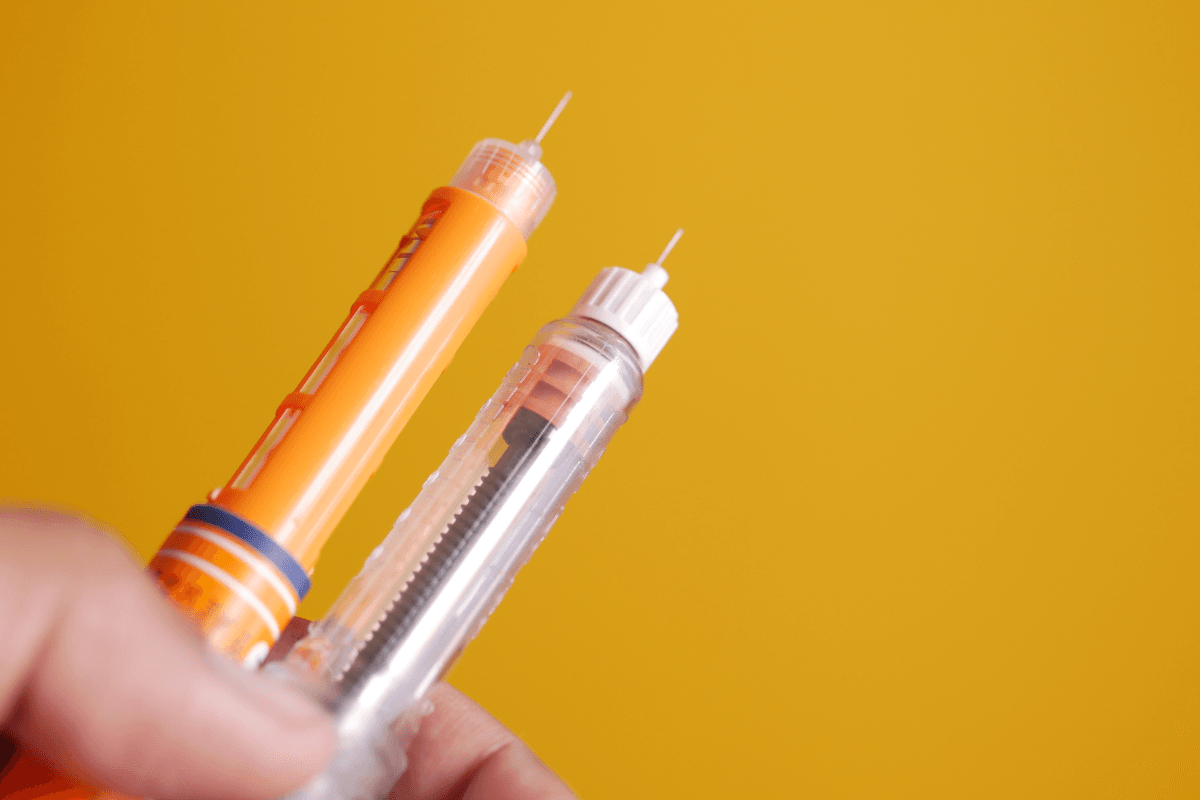
Trulicity and Byetta are both GLP-1 receptor agonists (medicines that mimic a gut hormone) used in adults with type 2 diabetes, but they do not fit the same routine. In trulicity vs byetta, the biggest practical difference is simple: Trulicity is a once-weekly dulaglutide injection, while Byetta is a shorter-acting exenatide injection taken twice daily before meals. That difference affects convenience, side effects, and how each option fits into modern care. For broader class background, see GLP-1 Explained or browse the Type 2 Diabetes Hub.
The comparison matters because these drugs can look similar on paper while feeling very different in daily life. One is built around a weekly routine. The other is tied to mealtimes. Both can help lower blood sugar and may support weight loss, but they carry different warnings and they do not hold the same place in current diabetes treatment decisions.
Key Takeaways
- Both medicines belong to the GLP-1 class and are used in adults with type 2 diabetes.
- Trulicity is usually taken once weekly, while Byetta is taken twice daily before meals.
- Common side effects overlap, especially nausea, vomiting, diarrhea, and reduced appetite.
- Safety details differ, including kidney cautions with exenatide and thyroid-related warnings with dulaglutide.
- Weight and A1C effects can overlap, but newer weekly drugs often fit current practice more easily.
Trulicity vs Byetta at a Glance
The clearest comparison point is that Trulicity and Byetta are in the same drug class but work on different schedules. Dulaglutide and exenatide both help the body release insulin when glucose is high, slow stomach emptying, and reduce glucagon, a hormone that raises blood sugar. If you want a wider look at this medication family, our overview of GLP-1 Receptor Agonists can help place them in context.
| Feature | Trulicity | Byetta |
|---|---|---|
| Active ingredient | Dulaglutide | Exenatide |
| Dosing rhythm | Once weekly | Twice daily |
| Meal timing | Not tied to meals | Given before morning and evening meals |
| Drug type | Longer-acting GLP-1 receptor agonist | Shorter-acting GLP-1 receptor agonist |
| Main practical issue | Simpler weekly routine | More meal-linked planning |
| Shared effects | Can lower A1C and may reduce appetite | Can lower A1C and may reduce appetite |
This does not mean one drug is automatically better for every adult. A weekly injection may be easier for someone with a busy schedule, but a shorter-acting medicine may appeal to someone whose clinician wants a more meal-linked approach. The real value of trulicity vs byetta is understanding which trade-offs matter most before you discuss options with a prescriber.
It also helps to remember that neither drug is insulin. Both are usually part of a broader plan that may include nutrition changes, glucose monitoring, and other medicines. If you are reviewing the bigger medication picture, the summary on Common Diabetes Medications gives useful class-level context.
How Daily Routine Changes the Comparison
For everyday use, Trulicity is usually simpler because it is not tied to meals. Many adults find a weekly schedule easier to remember than a drug that has to be timed before eating. That matters if your work hours change, you skip breakfast, or your mealtimes are unpredictable.
Byetta asks more from the routine. It is taken before meals, so its timing is built into the day. That can be manageable for some people, but it may feel burdensome for others. Missing meals or eating at irregular hours can make the plan harder to follow. In real life, convenience often shapes consistency more than people expect.
Why it matters: A medication that fits daily life is often easier to use consistently.
There is also a difference in how people think about injections. A once-weekly pen may feel like a smaller mental load. A twice-daily injection can feel more present and more medicalized. That does not decide the treatment on its own, but it can influence adherence, travel planning, and how a person experiences treatment overall.
Prescription details may need confirmation with the original prescriber.
Side Effects and Safety Considerations
Side effects overlap quite a bit, but the warning profile is not identical. With either medicine, the most common issues are gastrointestinal. Nausea, vomiting, diarrhea, constipation, and reduced appetite are common early complaints. These symptoms may improve as the body adjusts, but persistent or worsening symptoms deserve review.
Common effects people notice first
Both dulaglutide and exenatide can make large meals feel harder to tolerate. There is no universal banned-food list for GLP-1 therapy, yet greasy or very heavy meals can worsen nausea for some people. Hydration also matters, especially if vomiting or diarrhea develops. Injection-site reactions can happen, but stomach-related symptoms are usually the main reason people compare tolerability.
If low blood sugar happens, it is often because a GLP-1 drug is being used with insulin or a sulfonylurea rather than because the GLP-1 medicine is causing it alone. That is an important distinction when reviewing symptoms.
Warnings that are not the same
Dulaglutide carries a boxed warning about thyroid C-cell tumors seen in rodents. Because of that label warning, clinicians review any personal or family history of medullary thyroid carcinoma or multiple endocrine neoplasia syndrome type 2 before use. Byetta does not carry that same boxed warning, but exenatide generally raises more practical concern around kidney function and dehydration if severe gastrointestinal symptoms occur.
Both products also carry serious precautions that readers should not ignore. Pancreatitis is a known concern across this class. Severe abdominal pain, ongoing vomiting, or symptoms that do not settle can need prompt medical assessment. Allergic reactions are uncommon but still possible.
Quick tip: Keep a short note of when symptoms start and whether meals seem to worsen them.
When people compare trulicity vs byetta side effects, the question is often less about whether nausea can happen and more about how the drug’s schedule changes that experience. A weekly drug may create a different symptom pattern than a meal-timed drug. For some adults, that matters more than the label list itself.
Longer-term monitoring can include kidney status, hydration, gallbladder symptoms, and how well the drug is tolerated over time. That is one reason these medicines are best understood as part of ongoing diabetes care, not just as standalone injections.
Blood Sugar Control and Weight Effects
Both drugs can improve glucose control and may support weight loss, but their roles in practice are not identical. Trulicity is generally discussed as the more current once-weekly option, while Byetta is an older shorter-acting drug. In published comparisons of GLP-1 therapies, longer-acting agents have often shown stronger or more durable A1C improvement than earlier short-acting options, although individual response still varies.
Readers often ask how much Trulicity lowers A1C. A conservative answer is that many adults see about a 1 percentage point change or more, depending on starting A1C, other medicines, and how long they stay on therapy. Dulaglutide’s evidence base also includes cardiovascular outcome data, which can influence its place in therapy. Byetta can also lower A1C, but its twice-daily schedule and older evidence base make it a different kind of conversation.
Weight change is similar in that both medicines may reduce appetite and support modest loss, but neither is usually the first comparison if weight management is the main goal. At a class level, semaglutide has often been associated with greater average weight loss than dulaglutide in comparative studies. If that is your main question, see Tirzepatide Vs Semaglutide, Saxenda Vs Ozempic, or Wegovy Vs Mounjaro for broader context.
That does not make Byetta irrelevant. It means expectations should match the era of the drug and the reason it is being considered. A person focused mainly on fewer injections may value Trulicity more. A person reviewing older class options may still want to understand where exenatide fits.
Dispensing is handled by licensed third-party pharmacies where permitted.
Where Older Exenatide Therapy Fits Now
Byetta still belongs to the same GLP-1 class, but today it is usually viewed as an older option rather than a first stop in class discussions. Adults asking about drugs similar to Byetta are usually comparing it with other GLP-1 receptor agonists such as dulaglutide, liraglutide, or semaglutide, or with extended-release exenatide options such as Bydureon BCise that were developed to reduce injection frequency.
Another common question is whether Byetta has been discontinued. Product status and stocking can shift by country and over time, so it is safer to confirm current availability through an official source or a dispensing pharmacy than to rely on an old listing. What is clear is that newer weekly drugs now dominate most patient-facing comparison discussions.
Access also affects the real-world decision. Some adults compare these older and newer GLP-1 options because coverage changes, supply changes, or out-of-pocket costs shift. For broader educational context, browse Type 2 Diabetes Articles, review GLP-1 Cost Options, or compare browseable Diabetes Products by category.
Cash-pay or cross-border fulfilment can depend on eligibility and jurisdiction.
A Practical Comparison Checklist
If you are preparing for a conversation about trulicity vs byetta, focus on the decision factors that actually change daily use and safety. These points usually matter more than brand recognition alone.
- Schedule fit: weekly routine versus meal-linked injections.
- Side-effect history: past nausea, vomiting, or dehydration issues.
- Kidney context: especially important when exenatide is on the table.
- Thyroid history: relevant because dulaglutide has specific label warnings.
- Main goal: A1C lowering, weight change, simplicity, or class familiarity.
- Access questions: formulary status, stocking, and current market availability.
- Whole-plan view: how the drug fits with other diabetes therapy.
It can also help to bring a medication list and a simple log of meal timing, side effects, and glucose patterns. Those details do not replace medical judgment, but they make comparison more concrete. If you need more condition-level background before that discussion, browse the Diabetes Category and the broader Diabetes Hub.
Authoritative Sources
- For current label-based warnings and administration details, see Trulicity Prescribing Information.
- For exenatide safety notes and routine precautions, review MedlinePlus Exenatide Injection.
- For published head-to-head class context, read GLP-1 Head-To-Head Review.
In short, Trulicity usually stands out for a simpler weekly routine and a more current role in practice, while Byetta remains an older meal-timed GLP-1 option with a different safety and convenience profile. For most readers comparing trulicity vs byetta, the most useful questions are about schedule, side effects, kidney considerations, weight goals, and current access rather than brand name alone.
This content is for informational purposes only and is not a substitute for professional medical advice.


