
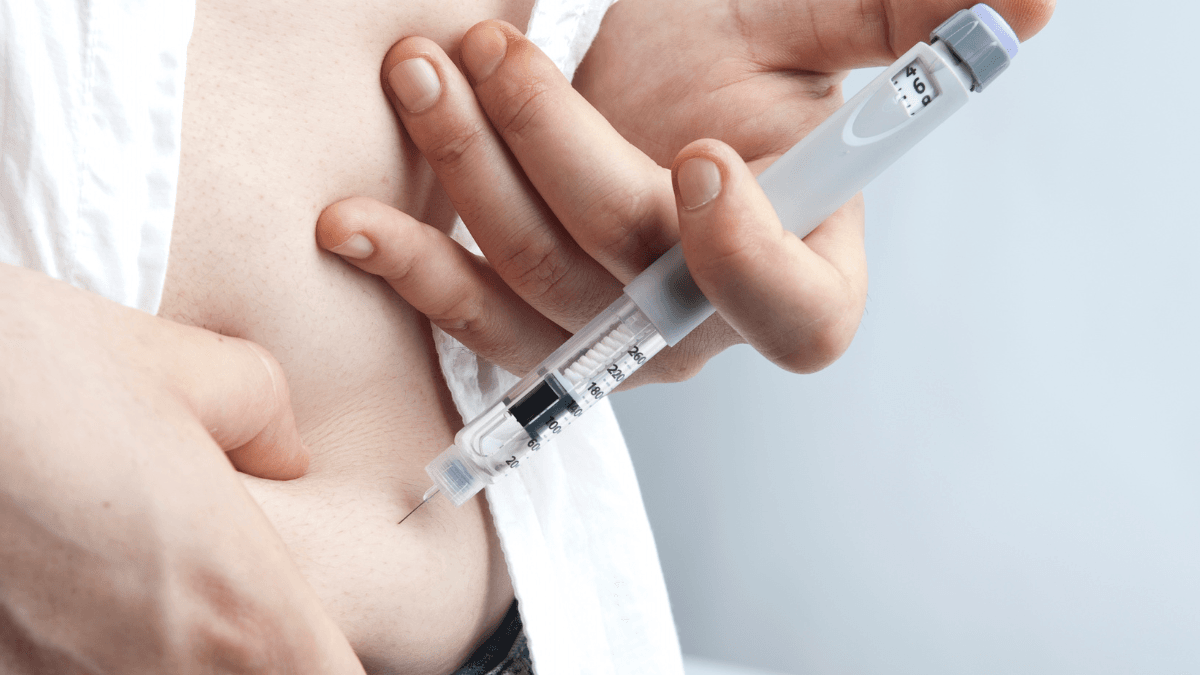
Understanding lantus half life helps you plan steady basal coverage. Half-life describes drug elimination, while duration describes how long glucose-lowering effects persist. With insulin glargine, these ideas diverge because of depot formation in the subcutaneous tissue. Knowing the difference can improve timing decisions with meals, correction doses, and activity. This overview uses clinical and plain-language terms for clarity.
Key Takeaways
- Half-life shows elimination; duration shows effect on glucose.
- Glargine forms a depot that releases slowly, smoothing action.
- Basal insulins aim for minimal peaks and 24-hour coverage.
- Rapid and short-acting insulins cover meals and corrections.
- Individual response varies with dose, site, and renal status.
Lantus Half Life
Insulin glargine (Lantus) does not behave like a simple immediate-release drug. After subcutaneous injection, glargine precipitates in the tissue and dissolves gradually. That depot mechanism makes observed pharmacokinetics different from classic half-life concepts. While laboratory half-life reflects how quickly molecules clear, the clinical duration reflects prolonged basal action from the depot.
Why this matters: people often assume half-life equals duration. With glargine, its flat profile may last close to 24 hours even though individual molecules clear faster. In practice, clinicians dose once daily based on the sustained effect, not the measured molecular half-life. For detailed labeling on pharmacology and duration, review the U.S. prescribing information for Lantus (FDA label), which explains depot-driven release.
Onset and Duration of Insulin Glargine
Typical glargine onset occurs within a few hours of injection, and the glucose-lowering effect then persists for about a day. The action profile stays relatively steady rather than spiking sharply. That steady activity helps maintain fasting and between-meal targets when combined with appropriate mealtime insulin, if needed. Individual timing may vary with dose, injection site, and daily routine.
For a deeper profile of Lantus timing, see Lantus Onset and Duration for context on real-world use. For clinical indications and contraindications of insulin glargine, the overview in Insulin Glargine Uses offers background that informs timing decisions. Authoritative practice guidance is summarized in the American Diabetes Association Standards of Care, which discuss basal-bolus strategies (ADA Standards).
Peak Profile and Basal Coverage
Clinically, providers emphasize that glargine has minimal, if any, pronounced peak. When people ask about lantus peak time, the most accurate answer is that its profile is largely peakless at steady state. This helps reduce variability in overnight and fasting periods, though hypoglycemia remains possible, especially with missed meals or increased activity. Dose timing consistency and site rotation support more predictable coverage.
If you are comparing basal options, see Tresiba vs. Lantus for side-by-side differences in half-life, duration, and dosing flexibility. For formulation contrasts that impact absorption and volume, review Difference Between Toujeo and Lantus for concentration and device considerations.
| Insulin Type | Typical Onset | Relative Peak | Approx. Duration |
|---|---|---|---|
| Rapid-acting (lispro/aspart) | 10–30 minutes | 1–3 hours | 3–5 hours |
| Short-acting (regular) | 30–60 minutes | 2–4 hours | 6–8 hours |
| Intermediate (NPH) | 1–3 hours | 4–12 hours | 12–18 hours |
| Long-acting (glargine/detemir) | 1–3 hours | Minimal | Up to 24 hours |
| Ultra-long (degludec) | 1–2 hours | Minimal | Over 24 hours |
Rapid- and Fast-Acting Mealtime Insulins
Meal coverage depends on the speed of rapid insulins like lispro and aspart. When discussing options such as Humalog, people often look up humalog onset and peak to match boluses with meals and corrections. Pre-bolus timing, carbohydrate absorption, and injection site temperature can shift the curve. Closed-loop systems and smart pens may assist with consistency, although individual response still varies.
For fast analog details and formulation differences, the product page for NovoRapid Cartridge can help with device considerations. Ultra-rapid options are also available; for another fast analog, see Fiasp Insulin Cartridges for product specifications if considering device or stability factors.
Short-Acting Regular Insulin
Short-acting regular insulin remains useful in certain care settings and for specific patient preferences. Understanding regular insulin duration of action helps align dosing with meal timing and late post-prandial glucose rises. Subcutaneous use typically lasts several hours, whereas the intravenous half-life is short due to rapid clearance. That IV property supports hospital use for tight, rapidly adjustable control.
If you use human regular insulin, the Humulin R Vial page provides concentration details and formats. For a broader overview of insulin categories and their use-cases, explore Types of Insulin for a concise classification across rapid, short, intermediate, and long-acting agents.
Intermediate-Acting Insulins (NPH)
NPH has a distinct peak and a shorter duration compared with basal analogs. The timing of nph insulin peak explains why bedtime snacks sometimes help reduce overnight lows. Mixing technique, resuspension, and injection site can change actual peak and duration. Many users prefer analog basals for flatter profiles, though NPH remains effective and affordable for some care plans.
For practical handling of human NPH, see NPH Insulin Guide for resuspension steps and variability notes. Product specifications for NPH delivery formats are in Novolin GE NPH Penfill and Novolin GE NPH Vials, useful when choosing pens versus vials and needles.
Ultra-Long-Acting Options
Insulin degludec provides very stable basal coverage with an ultra-long tail. The reported tresiba half-life reflects its strong, prolonged binding and multi-hexamer formation in the subcutaneous space. That supports flexible dosing windows in some regimens. Yet, consistency still helps, and consultation with a clinician remains essential when switching or adjusting any basal insulin.
The FDA prescribing information describes duration and variability for degludec; review the Tresiba FDA label for pharmacokinetic details. For delivery format specifics and device features, the page for Tresiba FlexTouch Pens can help you compare pen mechanisms and units per injection.
Practical Tools and Dosing Insights
Digital tools can help visualize action curves and organize timing plans. People sometimes search for a tresiba dose calculator, though calculators should never replace individualized clinical guidance. Instead, use them to understand concept curves, then confirm changes with your clinician. Keep logs of glucose trends, timing, and dose adjustments to contextualize future choices.
For storage and handling information that influences absorption, see Lantus Vial Guide for stability and handling tips. For higher-concentration basal comparisons and device ergonomics, review Toujeo Insulin Guide and the Toujeo Dosage Guide for formulation context that affects injection volumes.
How Pharmacokinetics Inform Everyday Use
Practical dosing relies more on duration and variability than on formal half-life. Two glargine injections 12 hours apart may help some users, while others maintain stability with a single daily dose. Changes in weight, renal function, or meal timing can shift basal needs. Continuous glucose monitoring highlights these trends and supports clinician-guided adjustments over time.
To understand how glargine compares clinically with other basals, the article Lantus Insulin Cartridge outlines steady-state aims and device ergonomics. For broader condition context and education, browse Diabetes and Type 2 Diabetes for related metabolic topics and treatment strategies.
Note: Dosing, timing, and product selection should be individualized. Labels and guidelines provide ranges, but personal response varies, especially with comorbidities or concurrent medications.
Recap
Half-life and duration are not interchangeable for depot-forming insulins. Glargine provides flat, day-long basal action, with minimal peaks and steady coverage. Understanding how other insulins peak and wear off helps you match mealtime dosing and activity. Use these principles to discuss timing and basal-bolus coordination with your healthcare professional.
This content is for informational purposes only and is not a substitute for professional medical advice.


