
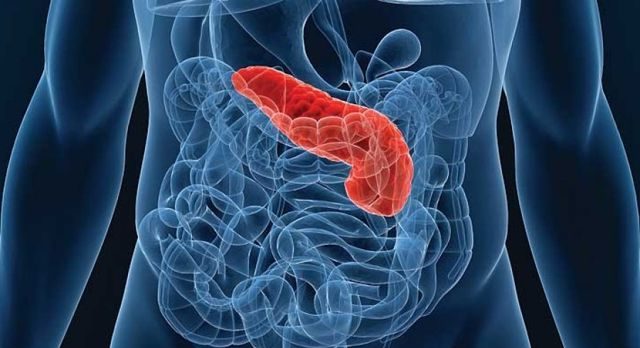
Insulin’s main role is to move glucose from the bloodstream into cells, where it can be used for energy or stored for later. Understanding what is the main role of insulin in the body also explains why blood sugar rises when insulin is missing, too low, or not working well. This hormone helps keep fuel available without letting glucose remain high in the blood for long periods.
Key Takeaways
- Primary job: Insulin lowers blood glucose by helping cells absorb it.
- Storage role: It supports glycogen, fat, and protein building after meals.
- Counterbalance: Glucagon raises blood glucose when food intake pauses.
- Diabetes link: Insulin problems can involve low supply, resistance, or both.
- Safety point: Insulin therapy requires monitoring because low glucose can occur.
How Insulin Controls Blood Glucose
Insulin decreases blood glucose by signaling certain tissues to take in sugar from the blood. After a meal, carbohydrates break down into glucose. Blood glucose rises, and pancreatic beta cells release insulin. The hormone then helps glucose enter muscle and fat cells and reduces new glucose release from the liver.
This is the direct answer to what does insulin do. It moves the body from “fuel arriving” mode into “fuel use and storage” mode. Muscle cells can use glucose during activity or store it as glycogen, a compact form of carbohydrate. The liver also stores glucose as glycogen and releases less glucose while insulin levels are high.
Insulin does not act on every tissue in the same way. The brain can use glucose without insulin-dependent transport, but it still depends on stable blood glucose. Muscle, fat tissue, and the liver are major targets for insulin’s metabolic effects. For a deeper look at cell-level signaling, see Insulin Signaling Pathways.
Why it matters: Steady insulin action helps prevent wide glucose swings after meals.
The 5 Core Functions of Insulin
Insulin is often described as a glucose hormone, but its effects are broader. It helps coordinate carbohydrate, fat, and protein metabolism, especially after eating.
- Glucose uptake: It helps muscle and fat cells absorb glucose.
- Glycogen storage: It promotes glycogenesis, which stores glucose as glycogen.
- Lower liver output: It reduces liver glucose production between meals.
- Fat storage: It supports lipogenesis, the creation and storage of fat.
- Protein building: It encourages protein synthesis and limits protein breakdown.
These actions explain why insulin is called an anabolic hormone. Anabolic means it helps build and store molecules. In plain language, insulin tells the body that nutrients are available and should be used or saved efficiently.
Insulin also promotes glycolysis, a pathway that helps cells break down glucose for energy. At the same time, it limits processes that raise circulating fuel levels, including lipolysis (fat breakdown) and gluconeogenesis (new glucose production). These shifts help the body avoid running storage and fuel-release systems at full speed at the same time.
The structure of insulin supports these actions. Human insulin is a protein hormone made of two peptide chains connected by disulfide bonds. Small structural differences in insulin medicines can change how fast they start and how long they last. For background on the molecule itself, see Insulin Chemical Structure.
Where Insulin Comes From and How It Travels
Insulin is made in the pancreas, mainly by beta cells within clusters called the islets of Langerhans. These cells first make preproinsulin, then proinsulin, and finally active insulin plus C-peptide. Insulin is stored in small secretory granules inside beta cells until glucose signals release.
What stimulates insulin release most strongly is rising blood glucose after eating. Amino acids, gut hormones called incretins, and nervous system signals can also influence release. When glucose enters beta cells, it triggers electrical and calcium changes that cause insulin-containing granules to fuse with the cell membrane. Insulin then enters the bloodstream.
How does insulin travel around the body? It circulates through blood as a hormone and reaches target tissues through the vascular system. The liver sees a large insulin signal first because pancreatic blood drains through the portal vein. After that, insulin reaches the wider circulation and acts on muscle and fat tissue.
Artificial insulin is produced using recombinant DNA technology. Manufacturers use organisms such as yeast or bacteria to make human insulin or insulin analogs, then purify the product to medical standards. Analogs have small changes that affect absorption and duration. This is why different prescribed insulin products can have different timing profiles, even though they share the same core purpose.
Insulin and Glucagon Work as a Pair
Insulin and glucagon work in opposite directions to keep blood glucose within a usable range. Insulin rises after meals and lowers blood glucose. Glucagon rises during fasting and tells the liver to release stored glucose.
The function of glucagon is especially important between meals, overnight, and during longer gaps without food. It triggers glycogen breakdown and supports gluconeogenesis when the body needs more circulating glucose. In simple terms, insulin stores fuel when food is available, while glucagon helps release fuel when intake pauses.
This paired system explains why both high and low glucose can happen. If insulin action is too weak, glucose can remain elevated. If insulin effect is stronger than the available food, activity level, or liver glucose output, blood glucose can drop too low. People using insulin should follow their care plan for monitoring and treatment of lows.
The American Diabetes Association explains blood glucose and insulin in patient-facing terms, including how food and insulin interact.
When Insulin Action Breaks Down
Insulin problems usually involve too little insulin, reduced response to insulin, or both. In type 1 diabetes, the body makes little or no insulin because insulin-producing beta cells are damaged. In type 2 diabetes, insulin resistance often develops first, meaning cells do not respond to insulin as strongly as expected.
Insulin resistance makes the pancreas work harder. Over time, beta cells may not keep up with the body’s insulin needs. This can lead to higher fasting glucose, higher after-meal glucose, or a rising A1C. If you want more detail on testing and interpretation, see Diagnosing Insulin Resistance.
Lifestyle, genetics, body composition, sleep, medications, illness, and hormonal conditions can all affect insulin sensitivity. Improving insulin sensitivity often involves individualized steps, such as physical activity, nutrition changes, weight management when appropriate, and medication review with a clinician. For practical background, see Improving Insulin Sensitivity.
Glucose values may be reported in mg/dL or mmol/L, depending on country and device. This converter can help compare units during general reading, but it does not interpret results or replace clinical advice.
Blood Glucose Unit Converter
Convert glucose readings between mg/dL and mmol/L without changing the clinical value.
These calculations are for education only and do not replace clinical advice, diagnosis, or treatment. Always confirm medical decisions with a qualified healthcare professional.
How Insulin Fits Into Diabetes Treatment
Insulin therapy replaces or supplements the body’s insulin effect when it is not enough for safe glucose control. It may be essential in type 1 diabetes and may be used in type 2 diabetes when other approaches do not meet treatment goals or when clinical circumstances require it.
There is no single blood sugar number that automatically means every person needs insulin. Clinicians consider A1C, fasting and post-meal patterns, symptoms, other health conditions, pregnancy status, risk of hypoglycemia, and current medications. Older adults may also have individualized A1C goals based on overall health, functional status, and hypoglycemia risk.
Common insulin categories include rapid-acting, short-acting, intermediate-acting, long-acting, and premixed options. Rapid-acting products are often used around meals, while long-acting products help cover background needs. Intermediate-acting formulations have different timing and may be used in selected regimens. For broader medication context, see Common Diabetes Medications.
Examples of insulin product pages include Humalog KwikPen, Lantus SoloStar Pens, and Humulin N Vials. These pages are useful for product-specific navigation, not for deciding whether insulin is appropriate for an individual person.
CanadianInsulin.com is a prescription referral platform, and prescription details may be confirmed with a prescriber where required. Dispensing and fulfillment are handled by licensed third-party pharmacies where permitted.
Safety, Side Effects, and When to Be Cautious
The most important safety concern with insulin is hypoglycemia, or low blood glucose. Symptoms can include shakiness, sweating, hunger, fast heartbeat, confusion, weakness, or blurred vision. Severe lows can cause seizure, loss of consciousness, or injury and require urgent help.
Other possible insulin-related issues include weight gain, injection-site irritation, bruising, lipohypertrophy (thickened fatty tissue under the skin), and dosing or timing errors. Rotating injection sites and using correct technique may reduce local skin problems. People should not change insulin doses without guidance from their healthcare team.
Food, alcohol, illness, exercise, kidney function, and other medications can affect glucose patterns. This is why insulin use often involves structured monitoring and clear instructions for missed meals, activity changes, and sick days. If repeated highs or lows occur, or if symptoms feel severe, medical review is important.
Questions about nuts, peanut butter, or other foods should be handled in context. No single food is universally best or unsafe for everyone with diabetes. Portion size, carbohydrate content, fat content, allergies, kidney disease, weight goals, and medication-related hypoglycemia all matter. A registered dietitian or clinician can help personalize targets.
Quick tip: Keep a written list of medicines and glucose patterns for appointments.
Authoritative Sources
The CDC summarizes insulin resistance and type 2 diabetes, including why the body’s response to insulin matters.
The ADA Standards of Care provide clinical guidance on diabetes management, treatment individualization, and hypoglycemia risk.
StatPearls reviews insulin physiology and clinical use for a more technical medical reference.
Recap
What is the main role of insulin in the body? Its central job is to lower blood glucose by helping cells use and store fuel after eating. It also supports glycogen storage, fat storage, protein building, and reduced liver glucose output. Glucagon balances this system by raising glucose when food intake pauses.
Understanding these basics can make glucose readings, diabetes treatment discussions, and medication timing easier to follow. For broader browsing, the Diabetes Article Category and Diabetes Condition Collection can help you explore related education and product categories.
This content is for informational purposes only and is not a substitute for professional medical advice.


