

A Fiasp insulin Cartridge is a PenFill cartridge containing fast-acting insulin aspart for use with compatible reusable insulin pens. For active adults, it may help cover meals when schedules shift, but safe use still depends on the right pen, consistent technique, glucose monitoring, and a clinician-approved plan for exercise days.
This matters because movement can change insulin needs quickly. A commute, gym session, sports practice, or delayed meal can affect glucose trends. The goal is not to make dosing more aggressive. It is to understand where the cartridge format fits, what to check before use, and when to ask your diabetes care team for guidance.
Key Takeaways
- Cartridge format: PenFill cartridges work only with compatible reusable pens.
- Fast action: Fiasp is a rapid-acting mealtime insulin aspart formulation.
- Device choice: FlexTouch, PenFill, vials, and PumpCart formats serve different workflows.
- Exercise planning: Activity can raise or lower glucose depending on timing and intensity.
- Switching caution: Changes from another rapid insulin require professional guidance.
Where a Fiasp insulin Cartridge Fits in an Active Routine
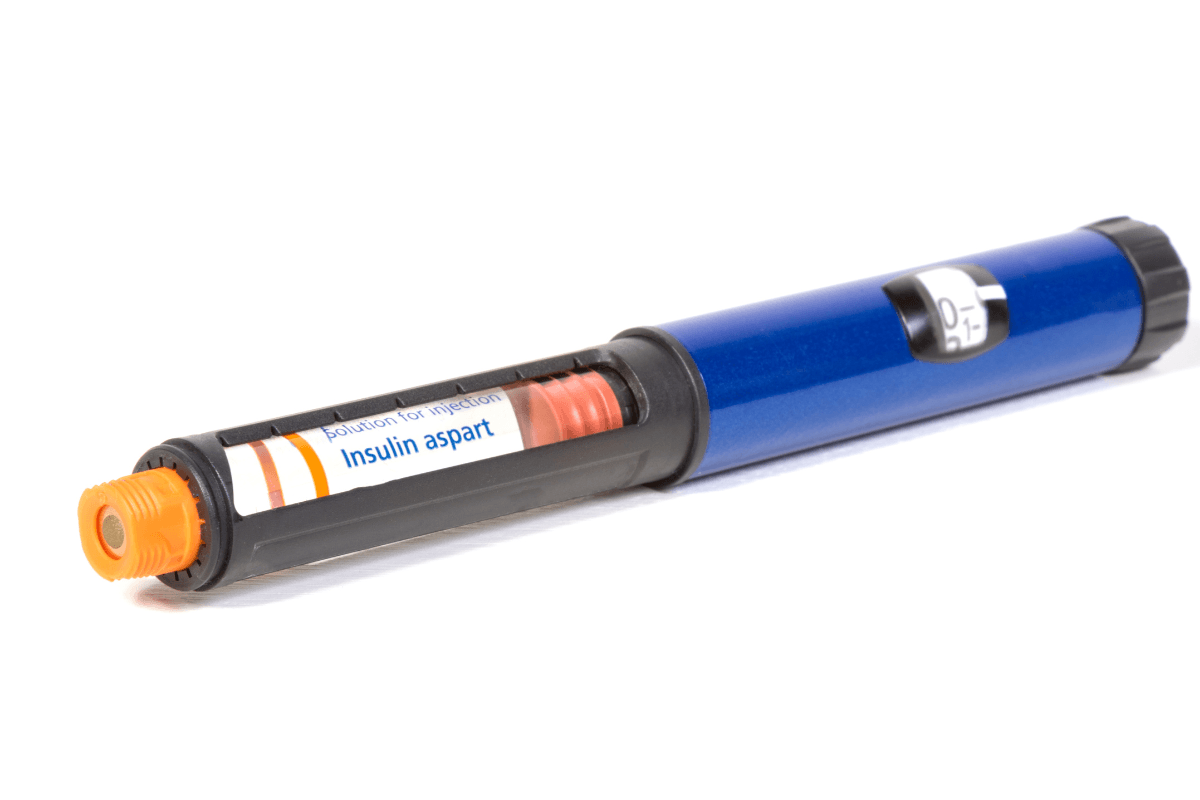
A Fiasp insulin Cartridge can suit people who already use a reusable pen and want a compact mealtime insulin option. The cartridge itself is not a pen. It is loaded into a compatible pen device, such as certain NovoPen systems, then used with disposable pen needles.
Fiasp contains insulin aspart with added ingredients that help speed early absorption. It is used as a mealtime insulin for people with diabetes when prescribed. In plain terms, it is designed to help manage the rise in blood glucose after eating. That makes timing, meal size, and activity level important parts of safe use.
Active routines add another layer. Aerobic exercise, such as jogging or cycling, may increase insulin sensitivity and raise the risk of low blood sugar. High-intensity activity may temporarily increase glucose in some people. Delayed meals, heat, dehydration, and alcohol can also change patterns. For this reason, cartridge convenience should always be paired with a written plan for monitoring and treating lows.
If you want more background on how cartridge systems differ from other delivery formats, the Insulin Cartridges Guide explains cartridge basics and device fit in more detail.
Why it matters: The device format affects handling, but your insulin plan determines safety.
PenFill, FlexTouch, PumpCart, and Vials: What Changes?
Fiasp comes in several formats, and each format changes how the insulin is handled. The medication may be the same active ingredient, but the workflow is different. That matters for people who travel, exercise, or dose away from home.
PenFill cartridges
PenFill cartridges are made for compatible reusable insulin pens. Many people choose this route because a reusable pen can feel sturdy and familiar. It may also offer dose-increment features that match a prescribed plan, depending on the pen model.
Before using a Fiasp insulin cartridge pen, confirm that the cartridge and pen are compatible. Do not assume that all cartridges fit all pens. Reusable pen systems have specific loading steps, priming steps, and dose limits. If the pen is damaged, dropped, or not delivering correctly, use the backup plan recommended by your care team.
For a product-specific navigation page, see Fiasp Insulin Cartridges. For a reusable device example, NovoPen 4 provides device context, including pen-style handling considerations.
FlexTouch pens
The Fiasp FlexTouch pen is a prefilled disposable pen. It does not require loading a cartridge into a reusable device. This can be simpler for people who prefer fewer assembly steps. The trade-off is that the pen is discarded when empty or when it should no longer be used under label instructions.
When comparing Fiasp FlexTouch vs PenFill, think about hand comfort, dose visibility, storage habits, and whether you prefer reusable or disposable devices. Needle choice also matters. A compatible pen needle must be attached for each injection, then removed and discarded safely after use.
For device-format context, see Fiasp FlexTouch. Avoid trying to convert a prefilled pen into a cartridge system. Use each device only as intended by the manufacturer.
PumpCart and vials
Some people search for a Fiasp PumpCart cartridge because pump systems and automated insulin delivery devices may use different cartridge formats. These are not the same as PenFill cartridges. Pump use requires device-specific instructions, infusion-site care, and a backup plan for interruptions.
Vials are another format. They may be used with syringes or certain pump workflows when appropriate and prescribed. A vial can be practical in some clinical routines, but it requires different preparation steps than a pen cartridge. For format comparison, Fiasp Vials can help readers identify the vial-specific page without replacing professional device training.
How Fiasp Acts and Why Timing Still Needs Monitoring
Fiasp is a rapid-acting insulin, but fast action does not remove the need for glucose checks. It begins working sooner than older regular insulin, and its effect continues for several hours. The exact pattern varies by dose, injection site, activity, temperature, and individual response.
If you are asking how long Fiasp insulin lasts, the safest answer is that it can keep affecting glucose after the meal is over. That is why “insulin stacking” can be risky. Insulin stacking means taking extra correction doses while earlier insulin is still active. This can lead to delayed low blood sugar, especially after exercise.
Mealtime timing should follow the prescriber’s instructions and the product label. Some people may be told to dose at the start of a meal or within a defined window after starting. Others may need a different approach because of gastroparesis, pregnancy, kidney disease, variable appetite, or frequent hypoglycemia.
For a deeper look at rapid-acting insulin timing across products, the Insulin Aspart Timing resource explains onset, peak, duration, and side-effect context. You can also review broader mealtime insulin types in Prandial Insulin Types.
People who use meters or CGM systems may need to compare glucose units across devices or care settings. This converter helps translate mg/dL and mmol/L values for general record review; it does not provide dosing advice.
Blood Glucose Unit Converter
Convert glucose readings between mg/dL and mmol/L without changing the clinical value.
These calculations are for education only and do not replace clinical advice, diagnosis, or treatment. Always confirm medical decisions with a qualified healthcare professional.
Using a PenFill Cartridge Safely With a Reusable Pen
Correct technique reduces avoidable dosing errors. It does not replace training from a diabetes educator, pharmacist, nurse, or prescriber. Still, a simple device routine can make daily use more consistent.
Before loading a Fiasp PenFill cartridge, inspect it carefully. The insulin should appear clear and colorless. Do not use a cartridge that looks cloudy, thickened, discolored, cracked, frozen, or past its labeled date. Confirm the pen model, cartridge fit, and dose window before first use.
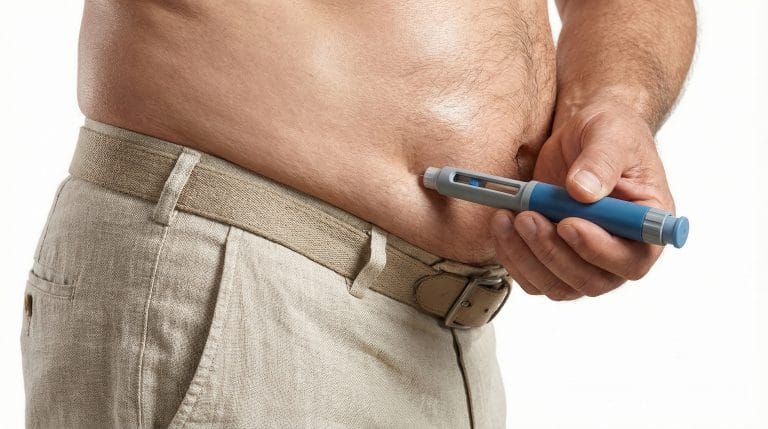
General steps often include loading the cartridge, attaching a new pen needle, priming the pen, dialing the prescribed dose, injecting into subcutaneous tissue (the fatty layer under the skin), and holding the needle in place briefly after pressing the injection button. Follow the exact instructions for your pen because details can vary.
Needle reuse can increase discomfort, contamination risk, bending, blockage, and leakage. Site rotation also matters. Repeated injections into the same small area can cause lipodystrophy, which means fatty tissue changes that may affect absorption. Common injection areas include the abdomen, thigh, upper arm, or buttocks, depending on the instructions you have been given.
Quick tip: Keep a small written backup plan for missed, delayed, or interrupted doses.
Do not refill a disposable Fiasp FlexTouch pen. Do not transfer insulin from a cartridge into another cartridge or pen unless a healthcare professional has specifically trained you and the manufacturer’s instructions allow it. In most routine situations, devices should be used only in their intended format.
Exercise, Corrections, and Low-Glucose Preparedness
Exercise can change how strongly insulin works. This is one reason active people should avoid copying someone else’s correction scale or meal routine. Your plan should reflect your insulin sensitivity, fitness level, usual glucose patterns, and risk of hypoglycemia.
Low blood sugar can develop during activity, soon after activity, or later that day. Symptoms may include shakiness, sweating, fast heartbeat, hunger, confusion, irritability, weakness, or blurred vision. Some people have reduced awareness of lows, especially after long-standing diabetes or repeated hypoglycemia. CGM alerts can help, but they are not a substitute for a treatment plan.
Correction doses require special caution around workouts. A correction that seems reasonable while resting may act more strongly after a run, swim, or long walk. Many clinicians use insulin sensitivity factors and insulin-on-board estimates rather than fixed sliding scales alone. Ask your care team how to adjust for planned activity, unplanned activity, illness, alcohol, or unusually high readings.
For active days, many people prepare the same basic kit: glucose meter or CGM supplies, rapid carbohydrates, water, medical identification, spare pen needles, and backup insulin supplies if advised. If exercise causes repeated highs or lows, bring glucose records to your clinician instead of changing doses independently.
Seek urgent medical help for severe hypoglycemia, loss of consciousness, seizure, persistent vomiting, symptoms of diabetic ketoacidosis, or glucose readings that remain dangerously high or low despite your prescribed plan.
Switching From NovoRapid, NovoLog, or Other Mealtime Insulins
Switching between rapid-acting insulins should be supervised. Fiasp, NovoRapid, NovoLog, and other mealtime insulins may share similar roles, but their timing and individual response can differ. Even small changes can matter when meals and exercise vary.
Fiasp vs NovoRapid is a common comparison because both involve insulin aspart formulations in many markets. The practical question is not which one is universally better. It is whether timing, device format, absorption pattern, and safety monitoring fit your prescribed regimen.
If a clinician recommends a switch, ask what to watch during the first days and weeks. Useful questions include whether meal timing changes, whether correction guidance changes, how often to check glucose, and what to do if exercise produces new lows. People using pumps or automated insulin delivery systems should also ask whether device settings require review.
For more detailed comparison context, see Fiasp and NovoLog Differences. If you use another insulin aspart cartridge, NovoRapid Cartridge provides related product-format context.
Storage, Travel, and Access Considerations
Insulin can lose potency if exposed to unsuitable temperatures. Store unopened and in-use cartridges according to the product label. Avoid leaving insulin in a hot car, gym locker, sauna bag, freezing environment, or direct sunlight. During travel, protect cartridges from cracking and carry extra supplies when your clinician recommends it.
Inspect supplies before each use. A cartridge that has been frozen, overheated, cracked, leaking, or visually changed should not be used. If you are unsure whether insulin has been stored correctly, ask a pharmacist or healthcare professional before relying on it.
Access questions are separate from clinical suitability. CanadianInsulin.com is a prescription referral platform, and prescription details may need confirmation with a prescriber where required. Dispensing and fulfilment are handled by licensed third-party pharmacies where permitted. Some patients also review cash-pay options or cross-border fulfilment depending on eligibility and local rules.
For broader diabetes navigation, the Diabetes Articles collection groups educational content. The Diabetes Products page is a browsable condition collection, not a substitute for clinical advice.
Authoritative Sources
For official prescribing details, dosing-route language, warnings, and storage instructions, review the DailyMed Fiasp label. Product labeling should be the main reference for device-specific and medication-specific instructions.
For diabetes care standards, hypoglycemia safety, and glucose monitoring principles, see the American Diabetes Association Standards of Care. These standards provide clinician-oriented guidance and should be interpreted with your care team.
For Canadian regulatory product information, search Health Canada’s drug database through the Drug Product Database. This can help verify authorized product monographs and regulatory status in Canada.
Recap
A Fiasp insulin Cartridge is a PenFill format for compatible reusable pens. It can fit active routines because it is compact and supports mealtime insulin use, but convenience does not replace careful timing, site rotation, storage, and glucose monitoring.
Choose between PenFill, FlexTouch, PumpCart, or vial formats based on your prescribed regimen, device compatibility, hand comfort, and daily routine. Ask your clinician before switching from another rapid-acting insulin or changing correction strategies around exercise.
This content is for informational purposes only and is not a substitute for professional medical advice.