
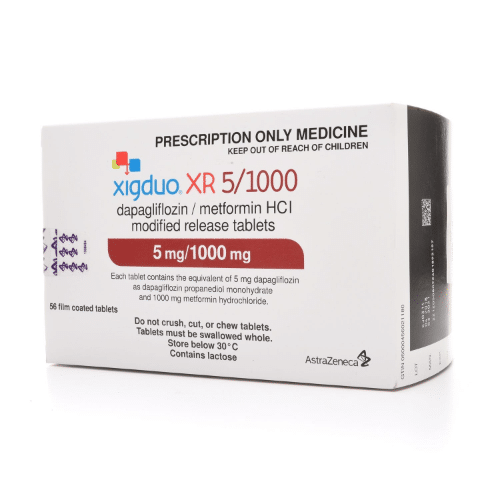
Xigduo uses center on improving blood sugar control in adults with type 2 diabetes, alongside diet and exercise. The medicine combines dapagliflozin, an SGLT2 inhibitor, with metformin, a biguanide. This pairing helps lower glucose in two different ways, which can be useful when one medicine is not enough. It also means safety checks matter, especially kidney function, hydration, infection risk, and symptoms that suggest rare but serious reactions.
This article explains where the combination fits, how clinicians think about dose timing, what side effects to watch for, and when alternatives may be considered. Use it to prepare for a focused discussion with your prescriber, not to change your regimen on your own.
Key Takeaways
- Two mechanisms: dapagliflozin and metformin work differently.
- Main use: blood sugar control in type 2 diabetes.
- Timing matters: take it consistently with food.
- Safety checks: kidneys, hydration, and infections need review.
- Alternatives exist: choices depend on goals and tolerability.
What Xigduo Combines and Why It Matters
Xigduo combines dapagliflozin with metformin in one tablet. Dapagliflozin belongs to the sodium-glucose cotransporter 2 class, often called SGLT2 inhibitors. These medicines help the kidneys remove some glucose through urine. Metformin mainly reduces glucose production by the liver and improves insulin sensitivity.
That dual action is the main reason this medicine is used in type 2 diabetes care. It targets fasting and day-to-day glucose patterns through complementary pathways. A combination tablet can also simplify routines for some adults who already need both medicines.
The exact product name and formulation can vary by region. Many readers search for Xigduo XR, which refers to an extended-release version. Extended-release metformin releases more slowly than immediate-release metformin. That design may improve stomach tolerability for some people, although it does not remove all gastrointestinal risk.
For class-level background, the site’s SGLT2 Inhibitors Guide explains how these medicines are used across diabetes, heart, and kidney care. For component-level context, the Dapagliflozin page can help you recognize the SGLT2 ingredient during medication reconciliation.
Why it matters: Combination tablets can simplify treatment, but they also combine two sets of precautions.
Xigduo Uses in Type 2 Diabetes Care
The primary indication is improved glycemic control in adults with type 2 diabetes, used with diet and exercise. Clinicians may consider this combination when metformin alone is not enough, when a person is already taking both ingredients separately, or when early combination therapy fits the overall care plan.
This medicine is not used to treat type 1 diabetes. It is also not a treatment for diabetic ketoacidosis, a serious condition involving high ketone levels. SGLT2 inhibitors have been linked to ketoacidosis that can occur even when glucose is not extremely high, so symptoms matter more than the number alone.
Decision-making usually includes more than glucose readings. Your care team may review kidney function, heart failure risk, cardiovascular disease, weight goals, blood pressure, genital infection history, stomach tolerance, and other medicines. These factors help determine whether the benefits of the dapagliflozin-metformin pairing outweigh its risks.
People often ask about Xigduo benefits beyond A1C. The dapagliflozin component may support modest weight reduction and blood pressure lowering in some adults because it causes glucose and fluid loss through urine. These effects vary and should not be treated as guaranteed weight-loss treatment.
For broader treatment context, see Farxiga Uses, which discusses dapagliflozin as a single-ingredient medicine. You can also browse the Type 2 Diabetes collection for related education.
How Dosing and Timing Are Usually Approached
Dosing is individualized, and the right strength depends on current therapy, kidney function, glucose goals, and tolerability. Clinicians commonly consider the person’s prior metformin dose before choosing a combination strength. Starting too high with metformin can increase nausea, diarrhea, and abdominal discomfort.
Some people search specific strengths such as Xigduo XR 5mg/1000mg, Xigduo 5/1000, or Xigduo XR 10mg/1000mg. Strength names describe the dapagliflozin and metformin amounts in the tablet. They should not be used to self-select a dose. Your prescriber chooses a strength based on your existing regimen and safety profile.
Many extended-release versions are taken once daily with food, but directions can vary by formulation and country labeling. Some people ask, “Can I take Xigduo at night?” The practical answer is that timing should match the prescribed instructions and your ability to take it consistently with a meal. Evening dosing may suit some people, while morning dosing may fit others better.
Another common question is whether you can take Xigduo twice a day. Do not split, duplicate, or add doses unless your prescriber specifically instructs you. Extended-release tablets generally should be swallowed whole. Crushing, splitting, or chewing them can change how the medicine releases.
If metformin tolerance is the main issue, your clinician may discuss slower titration, a different metformin formulation, or another regimen. For more background, the site’s Metformin Side Effects resource explains common tolerability problems and warning signs. The Glumetza page may also help readers understand an extended-release metformin option.
When Effects Start and How Monitoring Helps
Xigduo can start affecting glucose within days, but full assessment usually takes longer. Dapagliflozin begins increasing urinary glucose removal relatively early. Metformin’s effect may build over time, especially when the dose is raised gradually for tolerability.
That is why “how long does it take for Xigduo to start working” has two answers. Some home glucose readings may shift sooner, while A1C reflects an average over several months. Your care team may use both home readings and lab results to judge response.
People also ask how long Xigduo stays in your system. The answer depends on the individual ingredients, kidney function, formulation, and timing of the last dose. Rather than using a general estimate to make decisions, ask your prescriber how missed doses, procedures, illness, or temporary medication holds apply to you.
Tracking glucose units can reduce confusion when comparing lab reports, meters, or international resources. The calculator below converts A1C and estimated average glucose for general education. It does not replace clinical interpretation.
HbA1c & eAG Calculator
Convert between HbA1c percentage and estimated average glucose using the ADAG relationship.
These calculations are for education only and do not replace clinical advice, diagnosis, or treatment. Always confirm medical decisions with a qualified healthcare professional.
For a deeper look at dapagliflozin timing and safety thresholds, see Farxiga Dosing. Although it discusses a single-ingredient product, the class principles can help explain why kidney function and hydration are part of dosing conversations.
Side Effects, Warnings, and When to Seek Care
Xigduo side effects can come from either ingredient. Metformin commonly causes gastrointestinal symptoms, such as nausea, diarrhea, gas, or abdominal discomfort. These effects may improve for some people as the body adjusts, but persistent or severe symptoms deserve medical review.
Dapagliflozin can increase urination and may raise the risk of genital yeast infections. Urinary tract infections can also occur. Dehydration, dizziness, or low blood pressure may be more likely in older adults, people taking diuretics, or anyone who becomes unwell with vomiting, diarrhea, fever, or poor fluid intake.
Rare risks need special attention. SGLT2 inhibitors can be associated with ketoacidosis, including cases where blood glucose is not extremely high. Warning symptoms include nausea, vomiting, abdominal pain, unusual tiredness, trouble breathing, or fruity-smelling breath. Metformin carries a rare risk of lactic acidosis, a serious buildup of lactic acid, especially with severe kidney impairment, low oxygen states, heavy alcohol use, or acute illness.
Seek urgent care for severe abdominal pain, repeated vomiting, rapid breathing, confusion, fainting, chest symptoms, or signs of severe dehydration. Contact your clinician promptly for genital symptoms, painful urination, fever, unexpected weakness, or side effects that interfere with eating or hydration.
Some readers ask whether Xigduo causes hair loss. Hair loss is not usually considered a defining side effect of the dapagliflozin-metformin combination. However, diabetes, thyroid disease, iron deficiency, weight changes, stress, and other medicines can contribute. Report new or sudden shedding so your clinician can review possible causes.
Kidney Safety, Hydration, and Sick-Day Questions
Kidney function is central to safe use because both ingredients involve renal considerations. Dapagliflozin works at the kidney, and metformin clearance depends partly on kidney function. Prescribers typically review estimated glomerular filtration rate, or eGFR, before starting and during treatment.
People often ask, “Is Xigduo safe for kidneys?” The safer answer is that suitability depends on your kidney function, current labeling, and clinical context. Some SGLT2 inhibitors have kidney-related benefits in selected populations, but a combination product may still be inappropriate below certain kidney-function thresholds or during acute illness.
Hydration also matters. Because dapagliflozin increases glucose and fluid loss through urine, volume depletion can occur. Tell your care team if you use water pills, have low blood pressure, follow fluid restriction, or develop vomiting and diarrhea. These details can change how clinicians manage temporary risks.
Before surgery, fasting, major procedures, or acute illness, ask whether any diabetes medicines should be held. Do not stop medicines without individualized instructions, but do plan ahead. Sick-day guidance is especially important for people at risk of dehydration or ketoacidosis.
Weight, Heart, and Practical Expectations
Xigduo weight loss is usually modest when it occurs. The SGLT2 component causes some calories to leave through urine as glucose. Appetite, food choices, physical activity, insulin use, and other medicines can all influence weight changes.
This medicine should not be viewed as a stand-alone weight-loss drug. If weight management is a major goal, ask how nutrition, activity, sleep, other medications, and diabetes targets fit together. A registered dietitian can help if carbohydrate targets, kidney disease, gastroparesis, pregnancy, eating disorder history, or frequent low glucose episodes are part of your situation.
Some adults with type 2 diabetes also have heart failure, chronic kidney disease, or established cardiovascular disease. In those settings, clinicians may consider SGLT2 therapy because the class has evidence in certain heart and kidney outcomes. Still, the combination product must match the person’s metformin suitability and renal status.
For additional reading on the dapagliflozin component, see Dapagliflozin Benefits. Keep in mind that a component discussion does not replace product-specific labeling or your prescriber’s assessment.
Alternatives and Access Considerations
Xigduo XR alternatives may be considered when side effects, kidney limits, cost, availability, or treatment goals make another option more suitable. Alternatives can include separate dapagliflozin and metformin tablets, metformin alone, another SGLT2 combination, or a different drug class. The right comparison depends on the reason for switching.
For example, a person with metformin intolerance may need a different metformin strategy or a non-metformin regimen. A person with recurrent genital infections may need a different class. Someone with changing kidney function may need close review of both ingredients. These are prescribing decisions, not simple product substitutions.
Relevant options may include Metformin as a separate component or Synjardy, another SGLT2-metformin combination. Product pages are best used for orientation and medication-list review, not as proof that a medicine is appropriate for you.
If you are comparing access options, CanadianInsulin.com functions as a prescription referral platform. When required, prescription details may be confirmed with the prescriber, while licensed third-party pharmacies handle dispensing and fulfilment where permitted. Some patients also ask about cash-pay options depending on eligibility and jurisdiction, but clinical suitability comes first.
You can browse related therapies in the Diabetes Products category, or review the Type 2 Diabetes condition collection for navigation across relevant items.
Questions to Bring to Your Prescriber
Before starting or reviewing this medicine, bring a current medication list and recent kidney labs if available. Also mention diuretics, blood pressure medicines, insulin, sulfonylureas, alcohol use, recurrent infections, pregnancy plans, and recent episodes of dehydration.
- Use reason: confirm why this combination was chosen.
- Kidney review: ask which lab value guides safety.
- Timing plan: clarify meal timing and missed doses.
- Sick days: ask what to do during vomiting or fasting.
- Side effects: define which symptoms need urgent care.
- Alternatives: discuss options if tolerability becomes difficult.
Quick tip: Keep the tablet bottle or medication photo available during appointments.
Authoritative Sources
Official product and guideline sources provide the most reliable details on indications, contraindications, and warnings. The European Medicines Agency Xigduo review summarizes approved use and regulatory context. The FDA label for Xigduo XR details U.S. prescribing information, including warnings and renal considerations. The ADA Standards of Care outline evidence-based treatment principles for diabetes management.
Recap
Xigduo uses are mainly tied to blood sugar control in adults with type 2 diabetes when a dapagliflozin-metformin combination fits the care plan. The medicine can simplify treatment for some people, but it requires attention to kidney function, hydration, genital infection risk, gastrointestinal tolerance, and rare emergency symptoms. Ask your clinician how timing, monitoring, sick-day plans, and alternatives apply to your health history.
This content is for informational purposes only and is not a substitute for professional medical advice.


