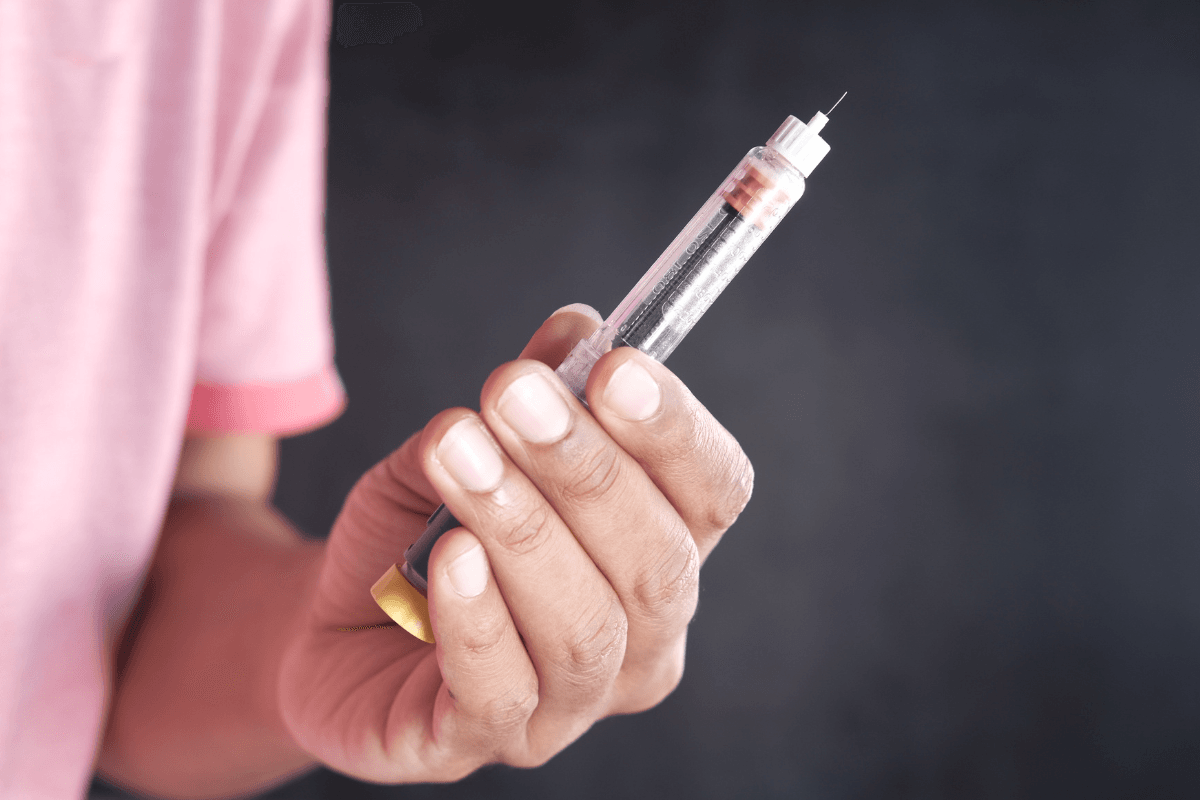
This guide explains Zepbound storage so your medication stays effective. You will learn temperature limits, how long doses can stay unrefrigerated, travel practices, and what to do if a pen warms or freezes. We also cover injection prep and how to check expiration labels.
Key Takeaways
- Refrigerate unused pens; avoid freezing or heat.
- Track time spent at room temperature carefully.
- Use a protective case when traveling.
- Let a cold pen warm before injection.
- Discard pens exposed to extreme temperatures.
Zepbound storage
Store unused tirzepatide pens in a refrigerator between 36°F and 46°F (2°C to 8°C). Keep each pen in its original carton to protect it from light. Do not store pens with needles attached. Avoid door shelves because temperature swings can be larger there.
If refrigeration is unavailable for a short period, Zepbound may tolerate room temperatures up to a labeled limit. Confirm the allowable room-temperature window on your carton or Medication Guide. Never freeze the pen. If a pen freezes at any point, replacing it is the safer choice. According to the FDA prescribing information, labeled temperatures and time limits must be followed to maintain quality and potency (FDA prescribing information).
Safe Temperatures and Time Limits
Patients often ask, how long can zepbound be out of the fridge. The label permits room-temperature storage for a limited duration, provided the ambient temperature does not exceed 86°F (30°C). Track this time carefully, starting when you first remove a pen from refrigeration. If you later return the pen to the refrigerator, the elapsed room-temperature time still counts toward the limit.
Heat is more damaging than cold. Temperatures above 86°F (30°C), such as a hot car, may degrade the active ingredient quickly. If you suspect overheating, do not use the pen. For step-by-step packing strategies that reduce heat exposure during trips, see Travel With Zepbound for packing and TSA rules.
Refrigeration vs Room Temperature
Many users wonder, does zepbound need to be room temperature before use. Injecting a pen at room temperature can reduce stinging and help the fluid flow. You can remove a refrigerated pen about 30 minutes before your dose and set it aside, away from heat or sunlight.
Returning a pen to the refrigerator is acceptable if it has remained within the labeled time and temperature ranges. However, repeated temperature cycling is not helpful. Keep a simple log to track time out of the refrigerator. If you also use similar GLP-1/GIP medicines, principles overlap; for broader context, the Travel With Ozempic guide explains comparable cold-chain concerns.
Handling Warmed or Frozen Pens
It’s important to know what happens if zepbound is not refrigerated. Short, labeled periods at room temperature are expected and considered within product instructions. Going beyond those limits, or exposure to heat above 86°F (30°C), may reduce potency and reliability. Visual checks help but cannot confirm stability; when in doubt, replace the pen.
Never use a pen that has been frozen. Freezing can denature proteins and crack internal components, making dosing unreliable. If you think a pen partially froze during transport, treat it as compromised and discard it. The manufacturer’s instructions emphasize protecting pens from light and avoiding extreme temperatures (manufacturer instructions).
Expiration, Shelf Life, and Label Checks
You should verify the zepbound expiration date on every pen and carton before use. Use the earliest expiring pen first, and separate any pen whose label is smudged or unreadable. If a pen has passed its expiration date, do not inject it, even if it looks normal.
Check your time-out-of-refrigerator log against the labeled allowance. If the allowable days at room temperature are reached, discard the pen. To reduce waste, keep only the next scheduled dose at room temperature, and store the rest refrigerated. For comparison of related therapies, see Tirzepatide vs. Semaglutide for differences that may inform storage expectations.
Injection Site Selection and Preparation
Choosing appropriate zepbound injection sites helps dosing consistency and comfort. Common subcutaneous locations include the abdomen (stomach), thigh, and upper arm. Rotate sites weekly to reduce irritation. If using the abdomen, inject at least two inches away from the navel and avoid areas with scars, moles, or bruises.
Allow refrigerated pens to reach room temperature to ease injection. Clean the skin with an alcohol swab and let it dry. If you prefer legs, a controlled Best Zepbound Injection Sites walkthrough explains angles and spacing to prevent site fatigue. Comparable techniques appear in our Wegovy Injection Guide to show shared subcutaneous principles.
Travel and Storage Containers
Use a purpose-built zepbound storage container or insulated medication case when traveling. Include reusable gel packs if ambient temperatures may exceed 86°F (30°C). Keep pens away from direct sunlight, heater vents, and car dashboards. When flying, carry pens in your hand luggage; cargo holds can freeze or overheat unpredictably.
Pack a simple thermometer and a spare gel pack. Add a printed copy of your prescription and the Medication Guide to ease checkpoint discussions. For packing checklists, see Travel With Zepbound for storage thresholds, and review Use an Insulin Pen Guide for steady technique under travel conditions. If you are comparing therapies for trip planning, Wegovy vs. Mounjaro offers useful context on dosing and device formats.
Putting It Back and Salvaging Doses
Users commonly ask, can i put zepbound back in fridge. Yes, if the pen stayed within the labeled room-temperature window and did not exceed 86°F (30°C), you may return it to the refrigerator. Track cumulative time out; once the limit is reached, discard the pen even if it is cold again.
If you left a pen out longer than allowed, or in a hot environment, do not inject it. Replace it and document what happened for future prevention. For a broader lifestyle plan that supports medication success, the Zepbound Diet Plan shows nutrition strategies that complement dosing schedules.
Visual Checks and When to Discard
Inspect each pen through the window. The solution should be clear and colorless. Do not use it if you see particles, cloudiness, or discoloration. Confirm the pen is intact, with no cracks or leaks, and that the cap seals firmly.
Before injecting, attach a new sterile needle and prime if your device requires it. Never reuse needles. If a pen was dropped or exposed to extreme cold or heat, discard it. For readers stocking multiple therapies, Ozempic Semaglutide Pens has comparable handling points, which can reinforce safe habits across medications.
Related Reading and Categories
To plan seamless trips, our guide Travel With Ozempic discusses cold-chain steps that also apply to tirzepatide pens. If you want a quick overview by condition, browse Weight Management Articles for practical storage and dosing context across therapies.
For product references, labeling excerpts, and device specifics, see Zepbound for official resources and patient materials. If you are evaluating alternatives with similar storage needs, review How Long Can You Take Ozempic for long-term planning considerations.
Recap
Refrigerate unused tirzepatide pens and avoid temperature extremes. Track any room-temperature time and discard pens that exceed labeled limits or show damage. Warm a refrigerated pen briefly before injecting to reduce discomfort, rotate sites, and use fresh needles.
Keep a travel-ready case, a thermometer, and written instructions on hand. When uncertain about heat exposure or time out, err on the side of safety and replace the pen. For additional comparisons and practical strategies, browse our weight management articles.
Note: Always follow your Medication Guide and speak with a healthcare professional if you are unsure about a pen’s integrity.
This content is for informational purposes only and is not a substitute for professional medical advice.