
Shipping with this method takes 3-5 days
A valid prescription is required for prescription medications.
Compare Prices. See Your Savings.
Zepbound is an approved medication that supports weight loss*
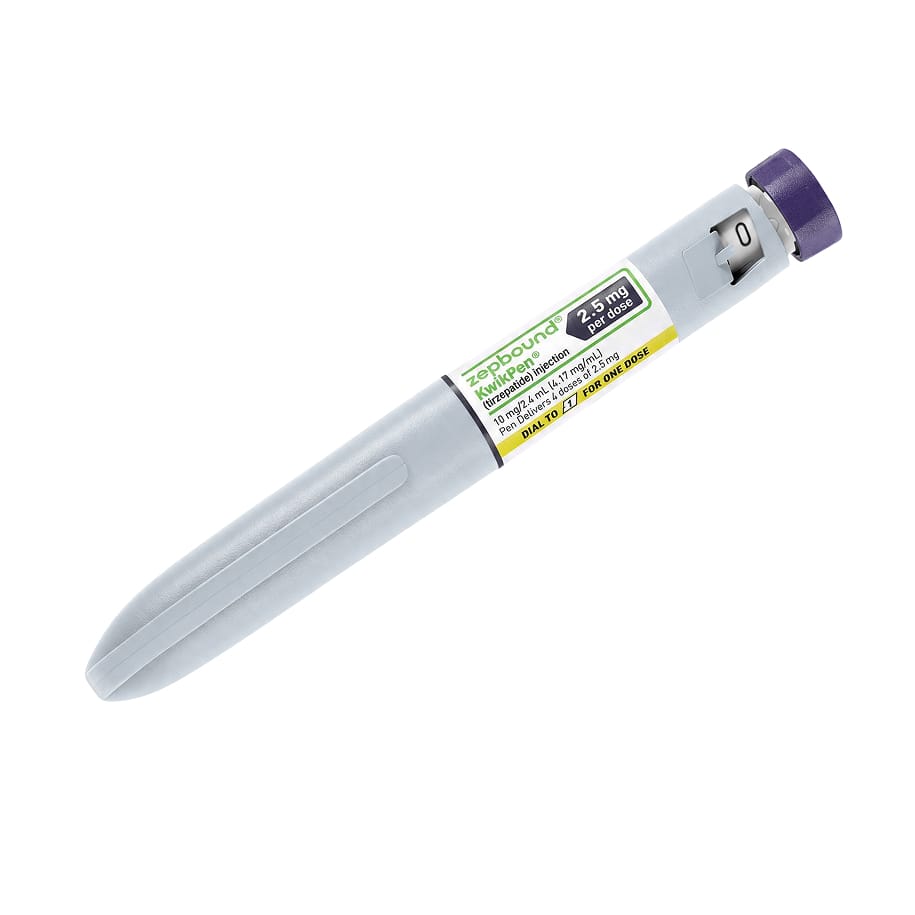
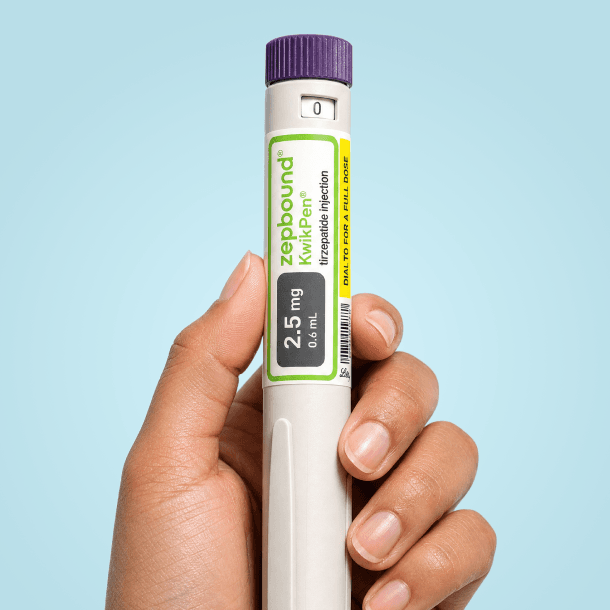
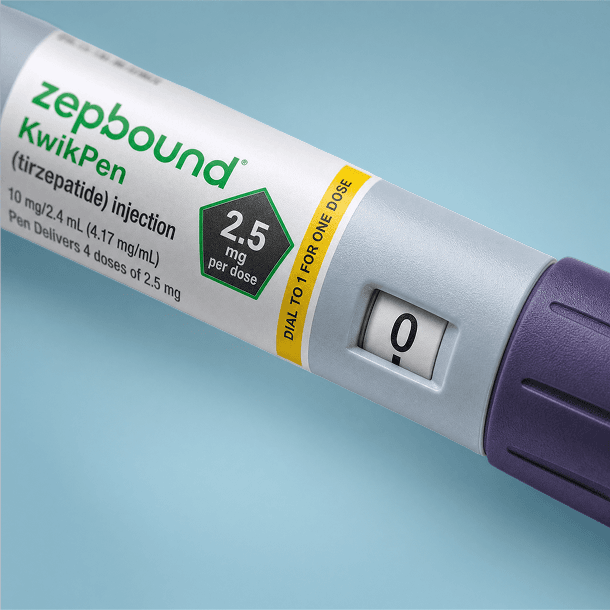
Zepbound® KwikPen®
Buy Zepbound Online
Clinical studies showed up to 21% total body weight loss*
Targets two hormone pathways to reduce hunger
Helps maintain weight loss long term
Fast secure shipping worldwide
Price Match Guarantee. Found a lower price? We’ll match it.
What is Zepbound and how does it work?
Zepbound (tirzepatide) is a once-weekly injectable prescription medicine that activates both the GLP-1 and GIP hormone receptors to improve blood sugar control and reduce appetite.
What are the side effects of Zepbound?
Common temporary side effects include nausea, diarrhea, vomiting, constipation, and indigestion, particularly when first starting treatment or moving to a higher dose.
How much weight can you lose on Zepbound?
Clinical studies show those taking Zepbound lost an average of up to 21% of their initial body weight over roughly 72 weeks on maintenance doses.
*Participants in the SURMOUNT clinical trial program lost an average of 20.9% of their body weight (about 48 pounds) taking the highest 15 mg weekly dose. Published in the New England Journal of Medicine.
Zepbound is a tirzepatide injection used for chronic weight management in adults who meet labeled treatment criteria. You can buy Zepbound online, view the current Zepbound price, and choose the strength and form that match the directions from your clinician. The medicine is taken once weekly and should be used with nutrition and physical activity changes planned with a healthcare professional.
Zepbound may be offered in different injection presentations, including prefilled pens and single-dose vials. The right choice depends on the dose strength, device or vial form, and total quantity intended for your treatment plan. Because tirzepatide is temperature-sensitive, storage and handling instructions should be part of the decision before checkout.
Zepbound Price, Strength, and Quantity
Zepbound cost depends on the exact strength, form, and quantity chosen during ordering. A prefilled pen carton, single-dose vial supply, or different total quantity can change how the amount should be read. Compare the displayed Zepbound price with the medicine form and dose strength, not the brand name alone.
Zepbound price without insurance is a common cash-pay question because many people want to estimate monthly treatment expense. The monthly cost can vary when the dose changes, the form changes, or the total supply changes. If insurance or coverage benefits are involved, the amount paid may depend on plan rules, deductible status, prior authorization requirements, and whether weight-management medicines are covered.
Quick tip: Match the strength, form, and total quantity together before judging the displayed amount.
| Ordering detail | Why it matters |
|---|---|
| Form | Prefilled pens and single-dose vials can have different handling steps. |
| Strength | The mg amount should follow your clinician’s dosing directions. |
| Quantity | Total supply affects the monthly cost estimate. |
| Cash-pay or coverage path | Your final out-of-pocket amount may differ from the general product amount. |
Manufacturer and pharmacy prices can differ across markets, programs, and product forms. A general retail number does not always reflect what you see for a specific strength or vial or pen format. For broader browsing across similar therapies, the Weight Management category groups prescribed options used in obesity and overweight care.
How to Order Zepbound Online
Order Zepbound online by choosing the form, strength, and quantity that align with your clinician’s instructions. Keep your dose schedule and device directions available while completing the order, especially if you are moving from one strength to another. We may help confirm order details when a medication order requires additional clinical information.
Do not choose a different strength because it appears less expensive or easier to obtain. Zepbound is usually titrated in steps, and dose changes are meant to be guided by tolerability and clinical response. Pens and vials should also not be treated as interchangeable, because preparation and injection instructions differ.
- Match the mg strength: Confirm the exact strength before ordering.
- Choose the correct form: Use the pen or vial format intended for you.
- Review the supply: Make sure the total quantity fits your dosing interval.
- Keep instructions separate: Follow clinician directions, not checkout notes, for dosing.
US delivery from Canada may be part of the service context for some medication orders. Temperature-sensitive products may use prompt, express, cold-chain shipping so the package can be handled according to storage requirements. Inspect the carton and medicine when it arrives, then refrigerate it according to the label.
Injection Forms and Labeled Strengths
Zepbound injections are given once weekly. Labeled strengths include Zepbound 2.5 mg, Zepbound 5 mg, Zepbound 7.5 mg, Zepbound 10 mg, Zepbound 12.5 mg, and Zepbound 15 mg. The strength used at any point in treatment should follow the plan already set by a healthcare professional.
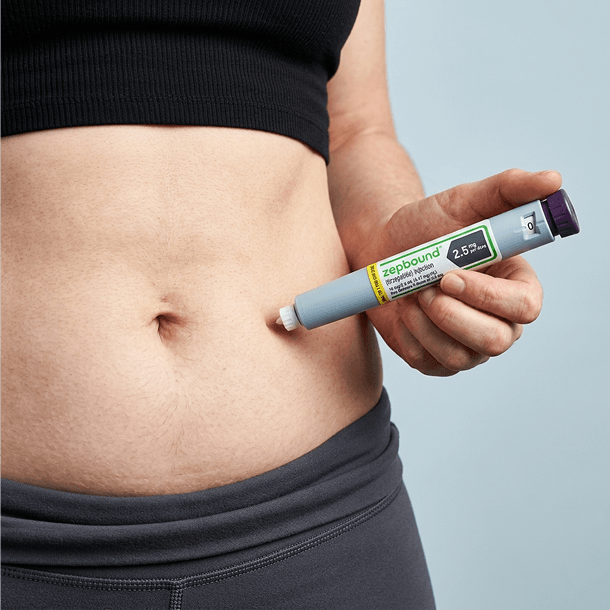
The Zepbound prefilled pen is designed to deliver one labeled dose. The Zepbound single-dose vial also contains one dose but may require separate injection supplies and different preparation steps. Read the instructions for the exact form you receive, because device steps should not be mixed between a pen and a vial.
| Strength | Practical ordering check |
|---|---|
| 2.5 mg | Often used as an initiation strength when clinically appropriate. |
| 5 mg | Confirm the mg amount before continuing or escalating therapy. |
| 7.5 mg | Check whether the intended form is a pen or vial. |
| 10 mg | Review quantity and weekly-use supply details. |
| 12.5 mg | Match the label to current dosing instructions. |
| 15 mg | Do not move to a higher strength without clinician guidance. |
Needles, syringes, sharps disposal, and injection training may be relevant for vial use. Pen users should still understand site rotation, single-use device disposal, and what the medicine should look like before injection. If the solution is cloudy, discolored, frozen, or contains particles, do not use it until a healthcare professional or pharmacist has advised you.
What Zepbound Treats
Zepbound is indicated for chronic weight management in adults with obesity or adults with overweight who also have at least one weight-related condition. It is used with a reduced-calorie diet and increased physical activity. The obesity and overweight condition pages provide broader context on the conditions involved in weight-management treatment decisions.
Tirzepatide activates GIP and GLP-1 receptors. These are incretin hormone pathways involved in appetite, fullness, insulin secretion, and glucose regulation. Because of this mechanism, tirzepatide is discussed near other incretin-based medicines, although Zepbound’s use should follow the indication and directions chosen by your clinician.
Zepbound is not insulin. It should not be used as a substitute for insulin in people who need insulin treatment, and it is not intended to treat type 1 diabetes or diabetic ketoacidosis. People who also live with blood sugar concerns may find related background in the type 2 diabetes section, but individual therapy decisions should remain clinical.
Cash-Pay and Monthly Planning
Zepbound monthly cost is best estimated from the actual strength, form, and quantity you plan to order. A starter strength may not have the same monthly cost as a later maintenance strength. A vial amount may also differ from a pen amount, even when both contain tirzepatide.
If you are checking Zepbound cost without insurance, separate the medicine amount from other possible expenses, such as injection supplies, clinical visits, monitoring, or plan-related requirements. Cash-pay amounts may be easier to compare when the form and total supply are identical. Comparing different strengths or package sizes can make two numbers look similar when they represent different treatment supplies.
Insurance coverage is not determined by a medication name alone. Plans may apply formulary tiers, step requirements, prior authorization, deductibles, or exclusions for weight-management medicines. Ask your insurer or benefits administrator how your plan treats anti-obesity medicines, then compare that answer with the exact form and strength being ordered.
Storage, Handling, and Travel
Zepbound should be stored in a refrigerator at 2°C to 8°C (36°F to 46°F). Keep the medicine in its original carton to protect it from light, and do not freeze it. A pen or vial that has been frozen should not be used, even if it later thaws.
If needed, Zepbound may be kept at room temperature not above 30°C (86°F) for up to 21 days. Track the date it leaves refrigeration, especially during travel or after receiving a shipment. Do not return it to use if storage conditions are uncertain and the medicine appears damaged or abnormal.
Travel planning should include refrigeration access, protection from heat, and safe sharps disposal. Keep injectable medicines out of direct sunlight and do not store them in a vehicle glove box or checked luggage exposed to extreme temperatures. The weight-management articles section can support general treatment planning, while official labeling should remain the final source for storage requirements.
Side Effects, Warnings, and Monitoring
Zepbound carries a boxed warning about thyroid C-cell tumors observed in animal studies. It should not be used by people with a personal or family history of medullary thyroid carcinoma or by people with multiple endocrine neoplasia syndrome type 2. Tell a healthcare professional about a neck lump, trouble swallowing, hoarseness, or shortness of breath.
Do not use tirzepatide if you have had a serious hypersensitivity reaction to tirzepatide or any ingredient in the medicine. Seek urgent medical help for swelling of the face, lips, tongue, or throat; trouble breathing; severe rash; dizziness; or fainting after an injection.
Common side effects include nausea, diarrhea, vomiting, constipation, abdominal pain, indigestion, injection-site reactions, fatigue, burping, hair loss, and reduced appetite. Gastrointestinal effects can lead to dehydration, which may worsen kidney problems. Contact a clinician if vomiting or diarrhea is severe, persistent, or prevents normal fluid intake.
- Pancreatitis symptoms: Severe stomach pain that may spread to the back needs urgent evaluation.
- Gallbladder symptoms: Right upper abdominal pain, fever, or yellowing skin should be reported.
- Low blood sugar: Risk can increase with insulin or sulfonylurea medicines.
- Mood changes: New depression or suicidal thoughts require prompt medical attention.
Why it matters: Safety history helps ensure the strength and treatment plan still fit your current health status.
Before using or reordering, tell a healthcare professional about pancreatitis, gallbladder disease, kidney disease, severe stomach problems, diabetic eye disease, planned surgery, pregnancy, breastfeeding, or plans to become pregnant. Monitoring may include body weight, hydration, gastrointestinal tolerability, glucose readings when relevant, and injection-site reactions.
Interactions and Use Considerations
Tirzepatide slows gastric emptying, meaning food and some oral medicines may leave the stomach more slowly. This can affect how certain medicines are absorbed. Tell a healthcare professional about all medicines, vitamins, and supplements, especially drugs where small blood-level changes matter.
People using insulin or medicines that stimulate insulin release, such as sulfonylureas, may need closer glucose monitoring because low blood sugar can occur. Symptoms may include shakiness, sweating, fast heartbeat, confusion, hunger, or weakness. Do not adjust diabetes medicines based on product information alone.
Oral hormonal contraceptives may be less reliable around tirzepatide initiation and dose increases because delayed gastric emptying can affect absorption. The official label advises using a non-oral method or adding a barrier method for a period after starting and after each dose escalation. Ask a clinician which approach applies to your situation.
If you are scheduled for anesthesia or a medical procedure, tell the care team that you use a medicine that slows stomach emptying. Procedure teams may ask about the last dose, gastrointestinal symptoms, and food intake before sedation.
How It Compares With Related Medicines
Zepbound contains tirzepatide. Wegovy contains semaglutide, and Saxenda contains liraglutide. These medicines all relate to incretin pathways, but they have different active ingredients, dosing schedules, labeled uses, and device instructions. They should not be substituted without a clinical decision.
For browsing by class, the GLP-1 agonists category includes related non-insulin medicines. Broader medication browsing is available through non-insulin diabetes medications and the main diabetes category.
Choosing between tirzepatide, semaglutide, liraglutide, or another therapy depends on diagnosis, treatment goals, tolerability, other medicines, medical history, and coverage or cash-pay considerations. If your clinician has discussed more than one option, compare the active ingredient, injection schedule, storage needs, and safety warnings rather than focusing only on one monthly amount.
Authoritative Sources
Use official labeling and manufacturer information for final safety, dosing, storage, and access details. These sources are especially important for boxed warnings, contraindications, side effects, and handling requirements.
- Official prescribing information: Zepbound Prescribing Information.
- Manufacturer cost information: Zepbound Cost Information.
This content is for informational purposes only and is not a substitute for professional medical advice.
BMI Calculator
Estimate adult body mass index from height and weight, with metric and imperial units.
BMI
-
kg/m2 equivalent
Category
-
Adult screening range
These calculations are for education only and do not replace clinical advice, diagnosis, or treatment. Always confirm medical decisions with a qualified healthcare professional.
Calorie & TDEE Calculator
Estimate resting energy needs and daily calorie range from age, sex, body size, and activity level.
Hold Ctrl or Cmd to select more than one calculator.
BMR
-
estimated calories/day at rest
Maintenance
-
BMR multiplied by activity
Weight loss guide
-
maintenance minus 500 kcal/day
These calculations are for education only and do not replace clinical advice, diagnosis, or treatment. Always confirm medical decisions with a qualified healthcare professional.
Protein Intake Calculator
Estimate daily protein grams from body weight and nutrition goal.
Daily protein
-
grams/day
Per meal
-
daily target divided by meals
Protein calories
-
4 kcal per gram
These calculations are for education only and do not replace clinical advice, diagnosis, or treatment. Always confirm medical decisions with a qualified healthcare professional.
Weight Loss Timeline Calculator
Estimate a simple timeline from current weight, goal weight, and average daily calorie deficit.
Estimated weekly change
-
based on 3,500 kcal per lb
Estimated time
-
simple arithmetic estimate
Approx. date
-
if average deficit is maintained
These calculations are for education only and do not replace clinical advice, diagnosis, or treatment. Always confirm medical decisions with a qualified healthcare professional.
Weight-Loss Progress Calculator
Track percentage body-weight change and progress toward a target weight.
Weight change
-
current vs starting weight
Body weight change
-
percent of starting weight
Goal progress
-
change achieved toward goal
These calculations are for education only and do not replace clinical advice, diagnosis, or treatment. Always confirm medical decisions with a qualified healthcare professional.
Customer Reviews
3.5 Based on 4 Reviews
Write a Review Ask a Question - Reviews
- Questions
Filter Reviews:
KR
03/05/2026
Katherine R.  US
UShave not received meds
poor very difficult to enroll bureaucratic long wait sent but cd not deliver blizzard in a post office
03/05/2026
CanadianInsulin.com
Hi Katherine!Thank you for bringing this to our attention, and we sincerely apologize for the inconvenience and frustration this experience has caused.We understand how important it is to receive your medication on time, and we regret the difficulties you encountered during the delivery of your order. We truly understand how concerning this situation can be, especially when it involves essential medication. Please be assured that we take your concerns very seriously. An Account Manager will be reaching out to you shortly to personally review your order, provide an update, and assist with the next steps to ensure this matter is resolved as quickly as possible. We kindly ask that you please keep your phone lines open so they can connect with you.In the meantime, we sincerely appreciate your patience and understanding while we work to address this issue. Our goal is to make this process as smooth as possible and ensure that you receive the support you need.Thank you for choosing Canadian Insulin. We truly value the opportunity to serve you and are committed to improving your experience moving forward.
OH
10/08/2025
Omar H. US2 pens failed
I paid for 4 dose pens and twice the pen failed after 3 doses. So wasted 25% of what I paid for this product
10/09/2025
CanadianInsulin.com
Hi Carol,Thank you for taking the time to share feedback on behalf of Omar. We’re very sorry to hear that two of his Zepbound pens did not dispense the full number of doses. We completely understand how disappointing and frustrating this must have been, especially given the importance of his treatment.Please rest assured that we’ve forwarded this concern to our management team for review. Omar’s account manager will be reaching out to you shortly to discuss the matter and provide further assistance.We truly appreciate your patience and understanding, and we value the trust you and Omar have placed in us. Thank you for choosing Canadian Insulin. Have a great day!
NH
09/17/2025
Neil H. USDisappointed with shipping
USPS attempts to deliver ONE TIME ONLY, and then one must go to the post office to pick up
09/17/2025
CanadianInsulin.com
Hi NeilThank you for sharing your experience with us.We’re sorry to hear about the inconvenience with USPS delivery attempts and understand how frustrating it can be to have to pick up your package. Your concern will be relayed to USPS, and we will continue to review how we can help make the delivery process more convenient for you.We truly appreciate your trust and look forward to continuing to support your health and wellness journey. Thank you for choosing Canadian Insulin, and have a wonderful day!
GK
06/20/2024
Georgia K. United StatesGreat results.
I’ve been using this for 7 weeks and have lost 35.6 lbs. it never made me sick in any way. No hanger. Had to remind myself to eat.
06/21/2024
CanadianInsulin.com
Hi Georgia,Thank you for sharing your fantastic results! We're thrilled to hear about your weight loss success and that you haven't experienced any negative side effects. If you have any questions or need further assistance, please don't hesitate to reach out. We're here to support you.Thank you for choosing Canadian Insulin. Have a great day!
Express Shipping - from $29.99
Prices:
- Dry-Packed Products $29.99
- Cold-Packed Products $39.99
Standard Shipping - $19.99
Shipping with this method takes 5-10 days
Prices:
- Dry-Packed Products $19.99
- Not available for Cold-Packed products
What is Zepbound used for?
Zepbound is a tirzepatide injection used for chronic weight management in adults with obesity or adults with overweight who have at least one weight-related condition. It is used with diet and physical activity changes planned with a healthcare professional.
How much does Zepbound cost without insurance?
Zepbound cost without insurance depends on the strength, form, quantity, and cash-pay path. Compare the displayed amount with the exact pen or vial supply because different strengths or package quantities can change the monthly estimate.
Are Zepbound pens and vials the same?
Both contain tirzepatide, but Zepbound pens and single-dose vials have different preparation and injection steps. Use the form intended for your treatment plan and do not mix device instructions between formats.
What strengths does Zepbound come in?
Labeled strengths include 2.5 mg, 5 mg, 7.5 mg, 10 mg, 12.5 mg, and 15 mg. The strength used should match the dosing plan from a healthcare professional, especially during titration.
What are common Zepbound side effects?
Common side effects include nausea, diarrhea, vomiting, constipation, abdominal pain, indigestion, injection-site reactions, fatigue, burping, hair loss, and reduced appetite. Severe or persistent symptoms should be discussed with a clinician.
How should Zepbound be stored?
Store Zepbound in the refrigerator at 2°C to 8°C (36°F to 46°F), keep it in the original carton, and do not freeze it. If needed, it may be kept at room temperature not above 30°C (86°F) for up to 21 days.
Can Zepbound interact with other medicines?
Yes. Tirzepatide slows gastric emptying and may affect absorption of some oral medicines. Low blood sugar risk can increase with insulin or sulfonylureas, and oral hormonal contraceptive reliability may be affected around starting treatment or dose increases.
Rewards Program
Earn points on birthdays, product orders, reviews, friend referrals, and more! Enjoy your medication at unparalleled discounts while reaping rewards for every step you take with us.
You can read more about rewards here.
POINT VALUE
How to earn points
- 1Create an account and start earning.
- 2Earn points every time you shop or perform certain actions.
- 3Redeem points for exclusive discounts.
You Might Also Like
Select options
This product has multiple variants. The options may be chosen on the product page
Select options
This product has multiple variants. The options may be chosen on the product page
Select options
This product has multiple variants. The options may be chosen on the product page
Select options
This product has multiple variants. The options may be chosen on the product page