
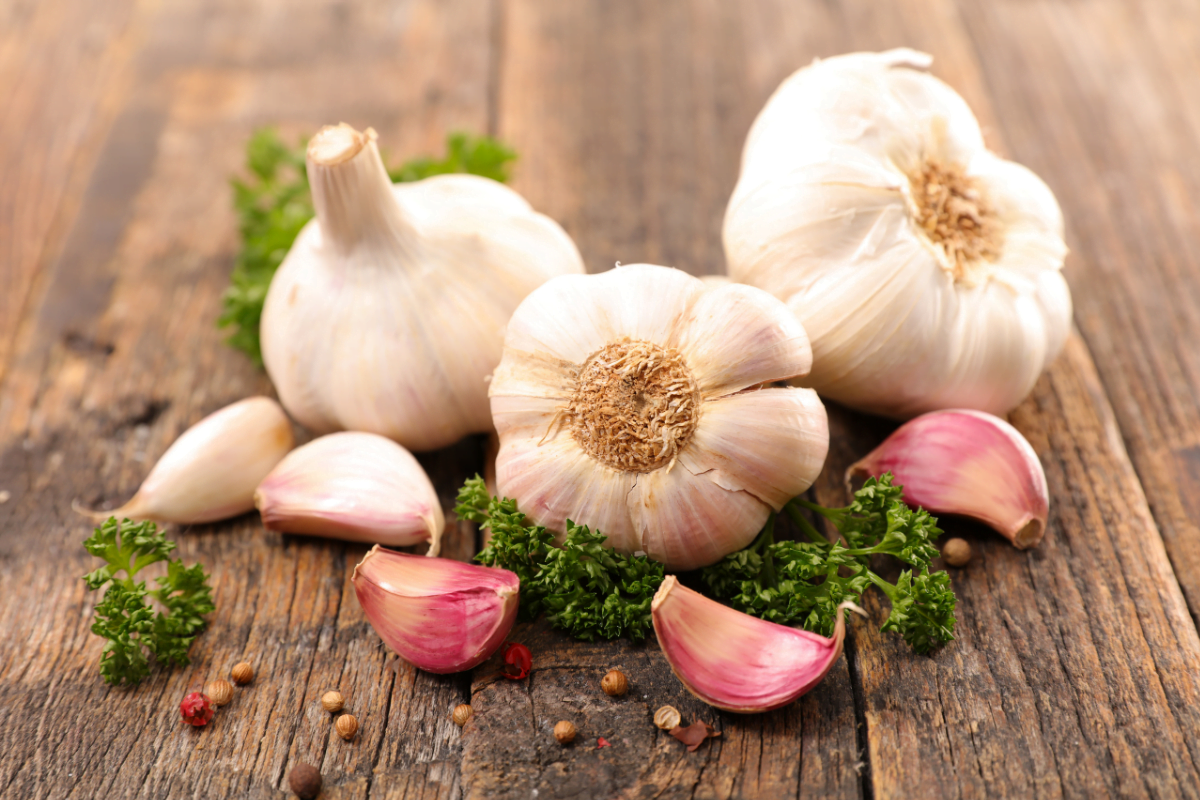
The short answer on garlic and diabetes is cautious: garlic can be a useful flavoring, and it may have small metabolic effects, but it is not a treatment for high glucose. It does not lower blood sugar quickly in a predictable way, and it should not replace diabetes medication, meal planning, physical activity, or glucose monitoring. This matters because many people try garlic, honey, ginger, lemon drinks, or bedtime mixtures without counting carbohydrates or checking for interactions.
Think of garlic as a supportive food choice, not a stand-alone glucose strategy. It fits best inside a plan built around carbohydrate awareness, fiber-rich foods, regular movement, prescribed medication when needed, and routine monitoring.
Key Takeaways
- Evidence is mixed: garlic may have modest effects, but results vary.
- Food use is safer: culinary garlic is usually better tolerated than high-dose supplements.
- Supplements need caution: bleeding risk and medication interactions matter.
- Honey still counts: honey adds sugar, even when paired with garlic.
- Track your response: use readings, symptoms, and clinician guidance.
Garlic and Diabetes: What Evidence Can and Cannot Say
Garlic has not been shown to lower blood sugar fast enough or reliably enough to treat high readings. Most human studies look at changes over weeks, not minutes or hours after a meal. Some trials and reviews report modest improvements in fasting glucose, A1C (a roughly three-month glucose marker), triglycerides, or cholesterol. Other studies find little or no clear benefit compared with placebo.
The main limitation is inconsistency. Studies use different garlic forms, different doses, and different follow-up periods. Participants also differ in baseline glucose, weight, blood pressure, cholesterol, diet, and medication use. That makes it hard to answer questions like how much blood sugar is lower after eating garlic. There is no reliable number that applies to everyone.
Garlic also does not act like metformin. Metformin is a regulated prescription medicine with studied dosing, monitoring, contraindications, and safety information. Garlic is a food and supplement ingredient with variable composition. It may affect some metabolic markers, but it should not be treated as an equivalent substitute.
If your goal is to understand your own numbers, start with consistent tracking. The Blood Sugar Range Chart can help you review common glucose terms and timing patterns.
Why it matters: A single lower reading after garlic does not prove cause and effect.
Why Garlic Form Matters
Different garlic preparations are not interchangeable. Raw garlic, cooked garlic, roasted garlic, pickled garlic, garlic powder, garlic oil, and aged garlic extract can contain different amounts of sulfur-containing compounds. Allicin forms when raw garlic is chopped or crushed, but it is unstable and changes with heat, storage, and processing.
Researchers study garlic compounds because they may influence oxidative stress, inflammation, lipid metabolism, and insulin sensitivity. Insulin sensitivity means how well the body responds to insulin. These mechanisms sound promising, but laboratory findings do not always translate into meaningful outcomes for people living with diabetes.
Raw, Cooked, Roasted, and Pickled Garlic
Raw garlic may contain more pungent sulfur compounds, but it can also cause more burning, reflux, and stomach upset. Some people tolerate small culinary amounts well. Others find raw garlic uncomfortable, especially when eaten alone or before bed.
Cooked or roasted garlic is usually milder. Roasted garlic can taste sweeter because heat changes flavor, but it is not automatically high in sugar unless the recipe adds sweeteners. It can work well with vegetables, fish, poultry, tofu, beans, or lentils.
Pickled garlic depends on the brine. Some products are high in sodium, and some contain added sugar. If you use pickled garlic often, check the nutrition label and serving size. This is especially important when you also monitor blood pressure, kidney health, or fluid intake.
How to Use Garlic in Meals Without Chasing a Dose
The safest use of garlic and diabetes meal planning is culinary, not dose-driven. Garlic can help food taste better without relying on sugary sauces, large amounts of salt, or highly processed condiments. That benefit may matter more than any direct glucose effect from garlic itself.
Use garlic in meals that already support steadier blood sugar. Good pairings include non-starchy vegetables, beans, lentils, plain yogurt sauces, fish, poultry, tofu, eggs, and whole grains in measured portions. If you are unsure how fruit fits into your pattern, Fruits for Diabetics explains portions, fiber, and glucose response.
- Vegetable sautés: add minced garlic near the end to avoid burning.
- Bean soups: combine garlic with herbs and low-sodium broth.
- Protein dishes: pair garlic with lemon, herbs, and olive oil.
- Yogurt sauces: mix grated garlic into plain yogurt and cucumber.
- Roasted vegetables: add whole cloves for a milder flavor.
People often ask how to eat garlic to lower blood sugar. A safer way to frame the question is how garlic can improve the meal around it. Pairing garlic with fiber and protein matters more than eating it alone. The same meal with fewer refined carbohydrates may affect glucose more than the garlic itself.
If you are changing meals because of type 2 diabetes, avoid adjusting many variables at once. A large change in carbohydrate intake, alcohol, activity, stress, sleep, or medication timing can affect readings more than garlic. For broader condition-specific reading, the Type 2 Diabetes Articles collection can help you compare related topics.
Quick tip: Use garlic to replace salty sauces, not to justify larger carb portions.
Blood Pressure, Cholesterol, and Insulin Resistance
Garlic may modestly support blood pressure or cholesterol markers in some people, but it is not dependable enough to replace treatment. Some studies, especially those using aged garlic preparations, report small blood pressure reductions. Results still vary by baseline blood pressure, sodium intake, overall diet, medication use, and study design.
There is no standard amount of garlic to take for high blood pressure. Food use is mainly about flavor and meal quality. Supplements are different because they concentrate active compounds and may increase side effects. If you monitor blood pressure at home, look at trends across several readings rather than one isolated number.
Insulin resistance is another reason people search for garlic and diabetes. Insulin resistance means the body does not respond to insulin as well as expected. It can contribute to type 2 diabetes, fatty liver, abnormal lipids, and weight-related metabolic risk. Garlic may be one small dietary adjunct, but weight management, physical activity, sleep, medication adherence, and fiber intake have stronger evidence. For a deeper look at these lifestyle levers, see Improving Insulin Sensitivity.
Some people also compare garlic with other supplements or plant compounds. The evidence is usually limited, product-specific, and not a reason to stop prescribed care. If you are interested in supplement research more broadly, the Vitamins and Supplements collection offers related educational topics.
Supplement Safety and Interaction Risks
Garlic supplements need more caution than garlic used in cooking. Concentrated capsules, extracts, and oils can cause stronger effects and more interaction concerns. Product labels also vary, so one supplement may not match another in active compounds.
Common garlic side effects include breath odor, body odor, heartburn, gas, nausea, diarrhea, and mouth or stomach irritation. Allergic reactions are less common but possible. Raw garlic can irritate the mouth or digestive tract, especially when taken alone.
- Bleeding risk: higher intakes may matter with anticoagulants or antiplatelet drugs.
- Surgery planning: tell your surgical or dental team about supplements.
- Glucose medicines: added glucose-lowering effects could complicate low readings.
- Stomach conditions: reflux, ulcers, or nausea may worsen.
- Pregnancy or complex illness: ask a clinician before concentrated products.
People taking insulin, sulfonylureas, or other medicines that can cause hypoglycemia should be especially careful with any supplement that might affect glucose. Hypoglycemia means blood sugar is too low. Garlic is not usually the only cause, but adding supplements can make patterns harder to interpret.
If you have repeated lows, repeated highs, kidney disease, gastroparesis, pregnancy, an eating disorder history, or major medication changes, review diet experiments with your clinician or a registered dietitian. The goal is not to avoid all herbs. The goal is to avoid unsafe self-treatment.
Honey, Ginger, Lemon, and Tea Combinations
Honey changes the glucose question because it is still sugar. It contains carbohydrates and can raise blood glucose, even when marketed as natural, raw, local, or medicinal. No honey variety is best for blood sugar in a universal way. If you use honey, measure it and count it within your carbohydrate plan.
Honey and garlic mixtures are popular online, especially before bed. The concern is that honey can raise glucose overnight, while raw garlic may trigger reflux or stomach upset. Claims about detox effects or overnight glucose control are not well supported. The same caution applies to lemon and garlic drinks. Lemon adds flavor and acidity, but it does not turn garlic into a diabetes treatment.
Ginger is another common add-on. Culinary ginger and unsweetened ginger tea are usually low in carbohydrate. The idea that people with diabetes cannot take ginger is too broad. Many tolerate food-level ginger, but high-dose supplements may cause heartburn and may matter for people on blood thinners or those with bleeding risk.
Does ginger increase blood sugar? Culinary amounts are not known for causing glucose spikes on their own. The bigger issue is what goes with it. Sweetened ginger drinks, honey-sweetened tea, syrups, and concentrated powders can change carbohydrate intake. Plain water, unsweetened tea, or coffee without sugar are lower-carbohydrate choices for many people first thing in the morning.
How to Track Your Own Response
Personal monitoring is the safest way to evaluate garlic and diabetes changes in your routine. Keep the rest of your routine steady when possible. That includes meal timing, carbohydrate portions, activity, sleep, alcohol, and medication timing. Otherwise, you may credit garlic for a change caused by something else.
Try a simple log for two to three weeks. Record the meal, garlic form, approximate amount, glucose timing, symptoms, and any unusual activity. For post-meal checks, use the timing your care team recommends. If you use a continuous glucose monitor, look for patterns rather than single peaks.
If your records include both mmol/L and mg/dL, this converter can help you read results consistently. It only converts units; it does not decide whether a number is safe for you.
Blood Glucose Unit Converter
Convert glucose readings between mg/dL and mmol/L without changing the clinical value.
These calculations are for education only and do not replace clinical advice, diagnosis, or treatment. Always confirm medical decisions with a qualified healthcare professional.
Watch for low-glucose symptoms such as shakiness, sweating, confusion, weakness, or a racing heartbeat. Seek urgent help for severe symptoms, fainting, inability to keep fluids down, or confusion that does not quickly improve.
Some readers also need broader navigation for diabetes care and supplies. The Diabetes condition collection lists related site resources, while the Diabetes Articles collection focuses on educational reading.
Authoritative Sources
- For garlic research and safety, review the NCCIH Garlic Fact Sheet.
- For ginger research and cautions, see the NCCIH Ginger Fact Sheet.
- For diabetes food, activity, and healthy-living basics, use the NIDDK Healthy Living With Diabetes resource.
Practical Recap
Garlic can be a helpful ingredient for people managing diabetes, mainly because it adds flavor without relying on sugar or high-sodium sauces. It may offer small metabolic benefits for some people, but evidence is not strong enough to treat it as glucose therapy.
Use culinary garlic first, be cautious with supplements, and count carbohydrates from honey or sweetened drinks. If you want to test your response, change one thing at a time and review patterns with your care team when readings are unclear or unsafe.
This content is for informational purposes only and is not a substitute for professional medical advice.