
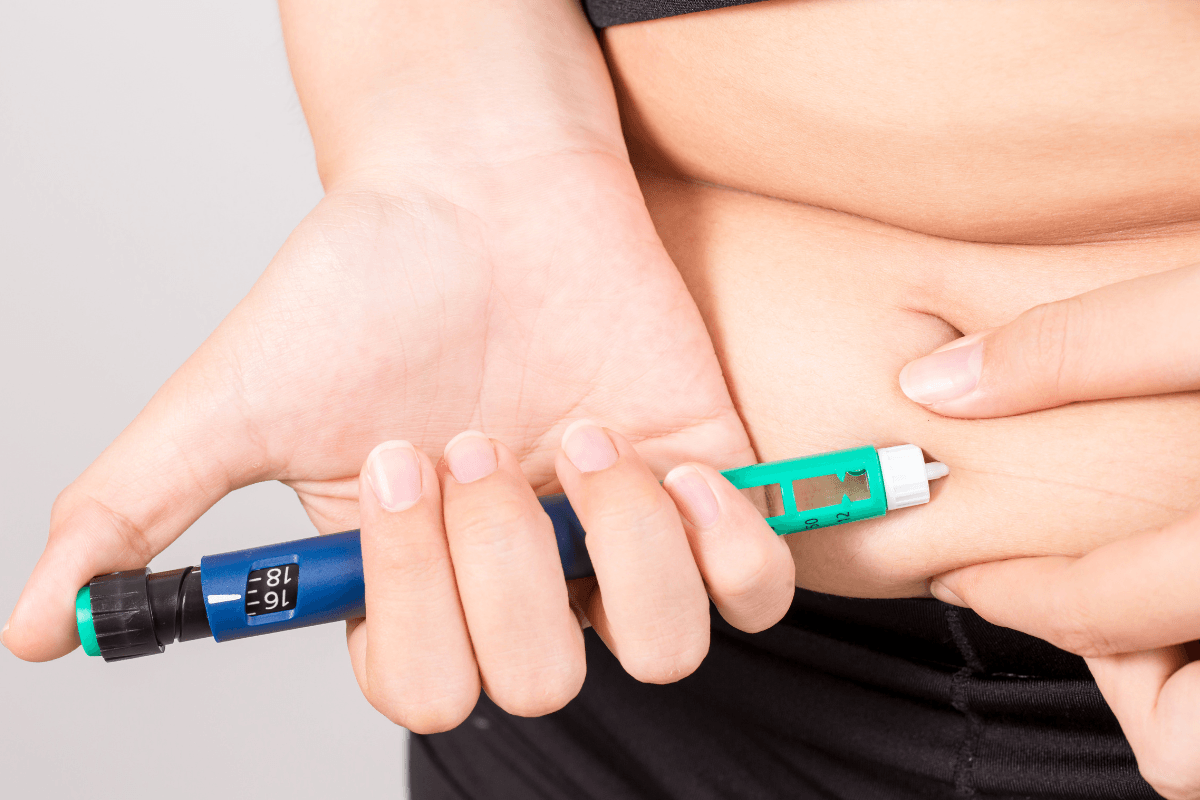
Learning how to use insulin pen builds confidence and reduces errors. This guide covers device setup, priming, injection, rotation, troubleshooting, and safe disposal in clear steps. It pairs clinical terms with everyday language so you can follow along.
Key Takeaways
- Prepare supplies, prime the pen, then inject into subcutaneous tissue.
- Rotate sites within a region to prevent lipohypertrophy and dose variability.
- Short, thin needles (e.g., 4 mm, 32G) fit most adults.
- Hold the needle in the skin for 10 seconds to avoid leakage.
- Store opened pens at room temperature; discard needles in a sharps container.
How to Use Insulin Pen: Step-by-Step
Here is a structured sequence you can adapt to your prescribed insulin (basal or prandial). The same core technique applies to most disposable and reusable pens, though device specifics vary by brand. Keep the pen label visible, and check insulin type before each dose to prevent mix-ups. If the pen has a cloudy formulation (e.g., NPH or premix), resuspend gently as directed.
- Gather supplies: pen, new needle, alcohol swab, tissue, and sharps container.
- Inspect insulin: verify name, concentration (e.g., U-100), and expiration date. Check solution appearance per label.
- Attach a new needle: remove the paper tab, twist to secure, then remove the outer and inner caps.
- Prime the pen: dial 2 units and expel into the air to see a steady stream. Repeat until a consistent drop appears.
- Set the dose: dial the prescribed units carefully; confirm the window shows the correct number.
- Choose an injection site: clean the skin; avoid scars, moles, and lipohypertrophy.
- Insert the needle: push straight in at 90 degrees; consider a skinfold for very lean areas.
- Deliver the dose: press and hold the button fully; count to 10 before removing.
- Withdraw and recap: remove the needle straight out; recap with the outer cap only.
- Dispose safely: detach the needle and place it in a sharps container immediately.
Tip: Most manufacturers recommend a 2-unit prime and a 10-second hold after dose delivery to minimize underdosing; see the device’s instructions for use for specifics (manufacturer instructions).
For comparisons between pen and syringe technique, see our concise overview for context and pros/cons in Insulin Pen vs. Syringe, useful when discussing devices with your clinician.
Site Selection and Rotation
Insulin is delivered into subcutaneous tissue (the fat layer under the skin). Common sites include the abdomen, outer thighs, upper buttocks, and back of the upper arms. Absorption tends to be fastest in the abdomen, moderate in the arms, and slower in thighs and buttocks. Consistency helps; use the same region for the same insulin type when possible.
Rotate within a grid to avoid injecting into the exact same spot repeatedly. This lowers the chance of lipohypertrophy, which can cause erratic absorption and glucose swings. Many starters ask where to inject insulin pen; choose a hairless, unbruised area at least two finger-widths away from the navel if using the abdomen. For a fuller discussion of needle and site strategy, see our practical Insulin Pen Needles Guide to align needle choice with anatomy.
Needle Selection and Safety
Modern pen needles are short and thin to reduce pain while reaching subcutaneous tissue. Typical sizes include 4 mm, 5 mm, and 6 mm lengths with gauges from 31G to 33G. Shorter needles reduce the need for angling or skinfolds in most adults, while still providing reliable delivery. A 4 mm, 32G option is widely used across body types.
When comparing insulin pen needles sizes, consider comfort, skinfold needs, and your clinician’s guidance. If you’re exploring options like insulin pen needles 32g 4mm, practice with correct insertion to avoid intradermal placement. For brand specifics, including BD’s portfolio and safety-engineered designs, see our summary in BD Needles Guide, which outlines use cases and safety features.
Priming, Air Bubbles, and Dose Accuracy
Priming expels air and fills the needle with insulin, reducing underdosing. If you skip priming, trapped air can compress during injection and cause incomplete delivery. Dial two units and press to see drops at the tip; repeat until you see a consistent stream. This should be done before the first dose of a new needle and whenever dosing seems off.
Air bubbles inside cartridges are common and usually harmless if priming is correct. If bubbles persist or doses feel inaccurate, re-prime, check for leaks, and confirm the dose window. Manufacturer instructions for use detail these checks; review your pen’s guide for exact steps (ADA administration basics). For cartridge types and handling tips, the Insulin Cartridges Guide explains formats and benefits.
Troubleshooting and Device-Specific Notes
If the pen does not click or deliver, check for a bent needle, an engaged safety shield, or an empty cartridge. Unsupported mixing, freezing, or expired insulin can also cause problems. Users sometimes report a Novo Nordisk insulin pen not working; try replacing the needle, re-priming, and confirming the cartridge is seated. If issues persist, switch to backup supplies and contact your care team.
Reusable pens like Novopen 4 Novo Nordisk can improve durability; consider them if you change cartridges frequently. For those watching dose reminders and connectivity, the latest models offer memory features; many seek a Novopen 6 how to use video before upgrading. If you need guidance on how to refill Novo Nordisk insulin pen, refer to your device’s manual and verify cartridge compatibility. For basal options and dosing context, see the Toujeo Dosage Guide for clinician-aligned concepts.
Storage, Handling, and Disposal
Unopened pens usually require refrigeration per the label. Once opened, most pens can be kept at room temperature for the labeled in-use period to reduce injection discomfort from cold insulin. Avoid heat, direct sunlight, and freezing. Always check the product’s storage section for temperature thresholds and in-use durations (FDA storage guidance).
Discard used needles in an approved sharps container, never in household trash. Community pharmacies often accept filled containers. If a container is unavailable, follow local regulations for temporary solutions. For basal cartridges, see Lantus Insulin Cartridge to understand formulation stability and handling, which helps prevent waste from early spoilage.
Training Options and Visual Aids
Hands-on training improves technique, especially for new starters. Many patients ask for a how to use insulin pen video from device manufacturers or diabetes educators. You can also request printed materials like a how to use insulin pen step by step pdf for quick reference. For brand-specific visuals, look for modules covering Lantus SoloStar, NovoRapid, and Fiasp to match your prescription.
Some learners prefer brand-focused clips, including a how to use Lantus SoloStar pen video or guidance on how to use insulin pen Novo Nordisk devices. Rapid-acting users may search for how to use insulin pen Novorapid tutorials. If you inject in the abdomen, terms like how to inject insulin pen in stomach can surface demonstrations of technique angles and skinfolds. For dose planning before visits, our Insulin Dosage Chart outlines general concepts you can discuss with a clinician.
To learn fundamentals by topic, browse the Diabetes Articles section, which groups guides on devices, dosing, and safety. For supplies across brands, see our Diabetes Category pages to compare pen and cartridge formats side-by-side when planning refills. If you’re starting combination therapy, reviewing the Xultophy Prefilled Pen listing can help clarify delivery form factors. For concentrated basal formats, the Toujeo DoubleStar Prefilled Pen page illustrates pen ergonomics and dosing ranges.
Technique Refinements and Common Pitfalls
Pinching a small skinfold can be helpful for very lean patients or when using longer needles. However, with short needles, a straight 90-degree angle without a fold is usually sufficient. Do not inject through clothing, as fabric can damage the needle and alter depth. Watch for leakage at the site; if you see a drop, consider extending the hold time.
New users often ask about how to inject insulin for beginners. Start slow, confirm each step aloud, and avoid distractions during dosing. Keep a log of lot numbers and device issues to discuss at follow-up. If you prefer video refreshers, many educators share clips that complement clinic training; these can reinforce what you learned in person.
Recap
Safe pen use follows a predictable flow: inspect, prime, set dose, inject, hold, and dispose. Rotate sites, choose suitable needles, and verify storage to maintain reliability. When questions arise, lean on manufacturer guides and educator materials, then practice until the steps feel routine. Good technique helps insulin work as intended with fewer surprises.
This content is for informational purposes only and is not a substitute for professional medical advice.


