
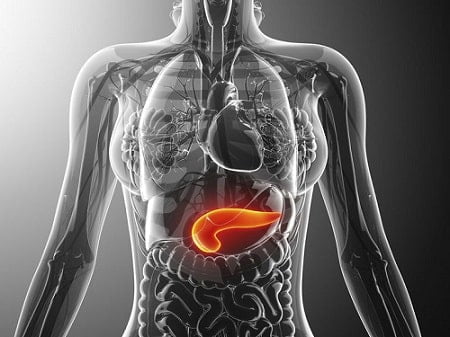
Understanding the relationship between januvia and pancreatitis helps patients and clinicians make informed decisions. This overview explains the signal, who may be at higher risk, and practical steps to reduce harm while preserving glucose benefits.
Key Takeaways
- Risk signal exists: monitor for persistent severe abdominal pain.
- Stop the drug and seek urgent care if symptoms appear.
- Consider comorbid risks: gallstones, alcohol use, high triglycerides.
- Use renal‑appropriate dosing; review interacting medicines regularly.
Understanding januvia and pancreatitis Risk
Sitagliptin is a dipeptidyl peptidase‑4 inhibitor (DPP‑4 inhibitor). It enhances incretin activity, which helps the pancreas release insulin after meals. Postmarketing reports describe acute pancreatitis (sudden pancreatic inflammation) in some patients exposed to this class. The mechanism is not fully defined, and a direct causal pathway remains uncertain.
Regulators require warnings on product labels because rare, sometimes severe cases have occurred. According to the FDA prescribing information, patients should stop the medication and seek medical care if they develop persistent severe abdominal pain, with or without vomiting. For specific safety wording and updates, see the FDA prescribing information for sitagliptin (opens in a new tab) prescribing information. A similar caution appears in the Canadian product monograph, reflecting aligned safety expectations across regulators; see the Health Canada monograph for current warnings Canadian product monograph.
Recognizing Pancreatitis Symptoms and When to Act
Acute pancreatitis often presents with sudden, severe upper abdominal pain that can radiate to the back. Nausea, vomiting, and abdominal tenderness commonly accompany the pain. Some patients notice worsened pain after eating fatty meals. These symptoms merit rapid clinical evaluation, particularly in people using DPP‑4 inhibitors.
While these problems can be considered potential januvia side effects, they are not specific to one drug. Clinicians typically check serum lipase or amylase and may order imaging to confirm diagnosis. Because early management improves outcomes, do not wait for symptoms to resolve on their own. The NIDDK provides a plain‑language overview of the common symptoms and testing steps; review the symptoms of pancreatitis here symptoms of pancreatitis.
Evidence, Incidence, and Risk Factors
Evidence includes randomized trials, observational studies, and spontaneous reports. Overall, trial data show low absolute event numbers, while observational databases and case reports suggest a small but present signal. Researchers have not established a definitive causal relationship, yet regulators maintain warnings because the clinical consequences can be serious.
Published estimates vary, and study methods differ, but clinicians often discuss januvia pancreatitis incidence in terms of rare events per thousand patient‑years. Known pancreatitis risks independent of medication include gallstone disease, heavy alcohol use, severe hypertriglyceridemia, and prior pancreatitis episodes. Additional considerations include high triglycerides, obesity, and certain autoimmune or biliary conditions. Patients with these factors may need closer monitoring and a lower threshold for evaluation if symptoms occur.
Dosing and Adjustments
Use an individualized approach that reflects kidney function, age, and concomitant therapy. Labeling emphasizes renal dose adjustments and periodic renal assessment, especially in chronic kidney disease. Discuss targets, meals, and home glucose checks to support safe day‑to‑day use.
When discussing treatment plans, clinicians may consider trends in A1C, hypoglycemia risk, and preferences before selecting a regimen. Guidance on practical titration strategies and follow‑up intervals is covered in this in‑depth resource; for adjustment scenarios and monitoring, see Fine‑Tuning Januvia Dosage. Conversations should also include sick‑day rules and backup plans for missed doses. The term januvia dosage should always be interpreted within the context of approved labeling and individual risk profiles.
Drug Interactions and Special Precautions
Clinicians should review all prescriptions, over‑the‑counter products, and supplements at each visit. Although sitagliptin has a focused metabolic pathway, potential pharmacokinetic and pharmacodynamic interactions still matter. Chronic kidney disease, hepatic disease, and heart failure may alter risk‑benefit decisions and monitoring frequency.
Discuss any antihyperglycemic combinations thoughtfully, and reassess if new drugs are added. For a grounding in class mechanisms that inform safe combinations, see Januvia Drug Class for how DPP‑4 inhibitors work. Routine medication reconciliation helps detect duplications and interacting therapies. A periodic review of januvia interactions supports safer long‑term use and clearer patient counseling.
Combination Therapy and Metformin Considerations
Metformin remains a cornerstone in type 2 diabetes. Combining sitagliptin with metformin can improve postprandial and fasting glucose without major hypoglycemia. Fixed‑dose combinations, such as Janumet, simplify regimens for suitable patients. Extended‑release options help some users with gastrointestinal tolerability and convenience.
Monitor for overlapping gastrointestinal effects when therapies are combined, and ensure hydration if illness leads to reduced intake. Patients often ask about side effects of januvia with metformin; these commonly include nausea or diarrhea in some users, typically mild to moderate. For an orientation to the combination’s role and benefits, see Unlock the Benefits of Janumet for why dual therapy is selected. If timing questions arise, consistent daily dosing with meals may help tolerability. For strengths and formulations, review Janumet XR to understand extended‑release combination options.
Patient Factors, Strengths, and Ingredients
Age, renal function, and comorbidities influence both safety and efficacy. Older adults may be more sensitive to dehydration, infection, or reduced renal reserve, which can complicate adverse event profiles. A careful review of baseline risk helps tailor monitoring intensity. Report persistent abdominal pain swiftly, regardless of age.
Formulations include several strengths, and clinicians often consider januvia 100 mg for many appropriate adults, with renal adjustments as required. Excipients and tablet composition rarely trigger reactions, but individuals with known sensitivities should review product information. For patients exploring alternatives within the DPP‑4 class, see Linagliptin vs. Januvia for class differences that may matter clinically. Those comparing brands can also review Nesina vs. Januvia to weigh pharmacologic and practical trade‑offs.
What To Do If Symptoms Occur and Monitoring
Persistent, severe upper abdominal pain—especially with vomiting—warrants urgent medical evaluation. Clinicians may order serum lipase and abdominal imaging to rule in or out pancreatitis. While awaiting direction, patients should avoid alcohol and maintain hydration if able. Do not restart the medicine until a clinician advises on next steps.
After evaluation, teams often reassess risk factors, alternative therapies, and glycemic goals. Documentation of the event informs future prescribing decisions and counseling. For patient‑friendly strategies to reduce adverse events and recognize early warning signs, see Navigating Side Effects for practical mitigation tips. Diet can influence gastrointestinal comfort; for structured guidance on meal choices with this therapy, see Januvia Diet Tips for meal planning considerations.
Alternatives and Related Options
Some patients may transition within the class or to other categories. Linagliptin (Tradjenta) offers once‑daily dosing without renal adjustment, which is attractive in advanced kidney disease. Saxagliptin (Onglyza) and alogliptin (Nesina) are additional DPP‑4 options with their own labeling nuances. Choice should reflect comorbidities, potential interactions, and patient preference.
Compare features across DPP‑4 inhibitors to align with clinical priorities. For head‑to‑head differences, see Sitagliptin vs. Saxagliptin for class contrasts worth noting. If considering broader regimen changes, review Januvia vs. Janumet to understand when combinations help. For product‑level details that may inform selection, see Tradjenta for linagliptin specifics and Onglyza for saxagliptin considerations. Broader background across conditions appears under Diabetes Articles, and pancreas‑related topics are grouped in Gastrointestinal Articles for additional context.
Recap
The pancreatitis signal with DPP‑4 inhibitors is uncommon but clinically important. Recognize symptoms quickly, pause treatment, and seek evaluation. Personalize therapy using renal function, comorbid risk, and medication review, and consult authoritative labeling for the latest safety language.
Note: For more on mechanisms and class effects, see What to Expect on DPP‑4 Inhibitors for typical benefits and tolerability patterns.
This content is for informational purposes only and is not a substitute for professional medical advice.


