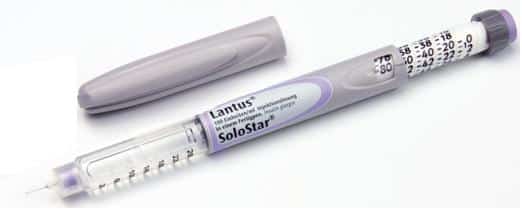
The Lantus SoloStar insulin pen is a prefilled device for giving insulin glargine under the skin. Lantus SoloStar pen instructions focus on four essentials: confirm the insulin, attach a new needle, prime the pen, and inject the prescribed dose correctly. These steps matter because missed priming, poor site rotation, or storage errors can affect dose delivery and blood glucose patterns.
This article explains how the device fits into basal insulin care, how to prepare and inject safely, and what to check when something does not look right. It does not replace the Instructions for Use that come with the pen or the plan from your diabetes care team.
Key Takeaways
- Device role: Lantus contains long-acting insulin glargine for basal coverage.
- Technique matters: prime before each injection and hold the button fully.
- Needles are separate: use a new compatible pen needle every time.
- Storage affects potency: follow label temperature and in-use instructions.
- Safety comes first: seek help for severe low blood sugar symptoms.
What the Pen Does in Basal Insulin Care
The SoloStar device delivers insulin glargine, a long-acting insulin analog used for background insulin needs. Basal insulin helps cover glucose released by the liver between meals and overnight. It is not the same as rapid-acting mealtime insulin.
Lantus is commonly used in diabetes care when a clinician decides basal insulin is appropriate. Some people use it with mealtime insulin. Others may use it with non-insulin diabetes medicines, depending on their care plan. Your prescribed dose, timing, and monitoring plan should come from your clinician.
Insulin glargine forms small deposits under the skin after injection. These deposits release insulin gradually. This is why consistent timing and reliable injection technique can support more predictable daily coverage. For more background on timing and duration, see Lantus Onset and Duration.
Why it matters: A pen can simplify injections, but it still requires careful setup.
The pen is prefilled and disposable. It is not designed to be refilled, dismantled, or used as a cartridge system. If you are comparing formats, Lantus Insulin Pen explains broader pen basics.
How to Use the Pen Step by Step
Safe use starts before the needle touches the skin. Check the label, expiration date, appearance of the insulin, and your dose setting. The solution should look clear and colorless. Do not use the pen if it looks cloudy, colored, or contains particles.
These Lantus SoloStar pen instructions summarize the usual workflow. Always follow the official leaflet and your clinician’s training if they differ.
- Wash hands and choose a clean work surface.
- Remove the pen cap and inspect the insulin.
- Wipe the rubber seal if instructed.
- Attach a new pen needle securely.
- Remove the outer and inner needle caps.
- Prime the pen until insulin appears at the needle tip.
- Dial the dose prescribed by your clinician.
- Insert the needle into subcutaneous fat.
- Press the injection button fully and hold it down.
- Count slowly before removing the needle.
- Remove the needle and place it in a sharps container.
Priming is a safety check, not an optional step. It helps remove air from the needle and confirms that insulin can flow. If no drop appears after priming, replace the needle and try again according to the device instructions.
After dialing the dose, check the dose window again. If the pen does not contain enough insulin for the full dose, follow the instructions provided with the device and ask your diabetes team how they want you to handle partial remaining amounts. Do not guess or combine doses without guidance.
For device presentation details, the Lantus SoloStar Pens page can help you identify the format. Keep product pages for navigation only; your clinical instructions should come from labeling and your care team.
Injection Sites, Rotation, and Technique
Lantus is injected into the fatty layer under the skin, also called subcutaneous tissue. Common areas include the abdomen, thigh, and upper arm. The exact site plan should match your clinician’s instruction and your ability to inject safely.
Site rotation helps reduce lipohypertrophy, which means thickened or lumpy fatty tissue. Injecting repeatedly into the same small area can change absorption and make injections less predictable. Rotate within the same body region when advised, and avoid injecting into scars, bruises, or irritated skin.
Technique also affects comfort and dose delivery. Insert the needle as trained, press the button all the way, and keep the needle in place for the recommended hold time. Pulling away too soon may leave insulin on the skin or reduce the delivered dose.
If injections often hurt, leak, or leave large marks, ask a clinician to watch your technique. Small changes in needle length, angle, site choice, or hold time can make a difference. For a deeper discussion, review Lantus Injection Sites.
Needles, Priming, and Device Setup
Lantus SoloStar pen needles are usually supplied separately because needle length and gauge can vary. Your prescriber, diabetes educator, or pharmacist can help choose a compatible single-use pen needle. Do not share needles or pens, even with family members.
Use a new needle for every injection. Reused needles can become dull, bend, clog, or increase discomfort. They can also affect insulin flow. After injecting, remove the needle from the pen. Leaving it attached can allow leakage, air entry, or contamination.
People often ask whether the SoloStar pen is a refillable device. It is not a refill pen. When the prefilled pen is empty, expired, damaged, or past its in-use period, follow disposal instructions. If you prefer a different format, Lantus Cartridges shows a cartridge-based option, while Lantus Vial shows vial presentation details.
Quick tip: Keep spare needles available so a blocked needle does not interrupt an injection.
Some needle issues are simple to troubleshoot. If the pen is hard to press, do not force it. Replace the needle and repeat the flow check as directed. If the dose dial will not move, the pen may be empty, locked, or damaged. Use the official instructions before deciding what to do next.
Storage, Travel, and Sharps Disposal
Storage rules protect insulin potency. Unopened pens are usually stored in the refrigerator within the temperature range listed on the label. In-use pens may have different room-temperature instructions and a defined use period. Always follow the product leaflet for exact limits.
Do not freeze insulin. Do not use a pen that has been frozen, exposed to high heat, or left in direct sunlight. When traveling, carry insulin in a way that avoids temperature extremes. Avoid checked luggage if temperatures cannot be controlled.
Keep the cap on when the pen is not in use. Store it without a needle attached. This helps reduce leakage and protects the cartridge from contamination. Keep pens out of reach of children and pets.
Used needles belong in a puncture-resistant sharps container. Rules for disposal vary by community. For safe handling at home or during travel, review the FDA’s page on using sharps safely at home and work. Do not place loose needles in household trash unless local rules specifically allow a prepared container.
Side Effects and Safety Checks
The most important safety risk with insulin is hypoglycemia, or low blood sugar. Symptoms can include shakiness, sweating, fast heartbeat, hunger, confusion, weakness, or headache. Severe hypoglycemia can cause seizures, loss of consciousness, or injury and needs urgent medical help.
Other possible concerns include injection-site reactions, itching, rash, swelling, or changes in fatty tissue under the skin. Some people may experience weight gain while using insulin. Allergic reactions are uncommon but can be serious. Seek urgent care for trouble breathing, swelling of the face or throat, widespread rash, or fainting.
Lantus SoloStar safety tips also include checking for medication mix-ups. Basal insulin should not be confused with rapid-acting insulin. Read the label every time, especially if you use more than one injectable diabetes medicine. Never use a pen that belongs to another person.
Alcohol intake, missed meals, illness, increased activity, kidney or liver problems, and other medicines can affect glucose patterns. These factors do not mean you should change insulin on your own. They mean you should have a clear sick-day and low-glucose plan from your care team.
For broader medication safety context, see Lantus Side Effects. The Diabetes medical-condition collection can also help you browse related diabetes products and categories.
Common Problems and What to Check First
Troubleshooting starts with the simplest checks. Confirm the pen is not expired, damaged, empty, frozen, or overheated. Then check the needle, dose window, and flow of insulin during priming.
No insulin appears during priming
A blocked or poorly attached needle is a common cause. Attach a new needle and repeat the flow check as the leaflet describes. If flow still does not appear after the allowed attempts, use the official device instructions and contact a pharmacist or clinician.
Insulin leaks after injection
A small drop at the needle tip can happen. Larger leakage may mean the needle was removed too soon, the button was not held fully, or the needle was not attached correctly. Review hold time and technique with a diabetes educator if this repeats.
The injection feels unusually painful
Pain can relate to a dull needle, tense muscle, injection site irritation, or injecting into a less suitable area. Use a new needle each time and avoid bruised or hardened spots. Persistent pain, swelling, warmth, or spreading redness should be assessed.
The dose dial does not behave normally
Do not force the dial or injection button. Mechanical resistance may signal a needle blockage, insufficient insulin, or device damage. If the device appears faulty, follow the replacement instructions from the product leaflet or ask a pharmacist how to proceed.
Costs, Access, and Format Decisions
Access decisions often involve insurance coverage, formulary rules, pharmacy availability, and device preference. Some patients explore cash-pay options or cross-border fulfilment depending on eligibility and jurisdiction. CanadianInsulin.com is a prescription referral platform, and where required, prescription details may be confirmed with the prescriber before licensed third-party pharmacies handle dispensing where permitted.
A pen may be easier for some people with vision, dexterity, or convenience concerns. A vial may fit others better, especially when a clinician wants a different administration setup. Cartridge systems can be another option for people using compatible reusable pens.
Do not choose a format only because it looks simpler. Consider training, needle compatibility, dose range, storage routines, travel, and disposal. If you use other injectable medicines, ask how to avoid mix-ups between devices.
For related diabetes reading, the Type 1 Diabetes and Type 2 Diabetes article collections provide more condition-specific context. These collections are for browsing, not a substitute for individualized care.
Authoritative Sources
For official device-specific details, read the Sanofi Lantus prescribing information and patient instructions. Use the instructions packaged with your pen if they are more current.
The DailyMed listing provides regulator-hosted labeling for insulin glargine injection, including SoloStar. Labeling can help confirm indications, warnings, storage, and administration language.
The American Diabetes Association offers patient education on insulin basics and safe use. It is a useful companion to device-specific instructions, especially when learning general injection principles.
Recap
The Lantus SoloStar insulin pen can support basal insulin therapy when it is prescribed and used correctly. The key habits are simple but important: inspect the insulin, attach a new needle, prime the pen, inject into appropriate subcutaneous sites, rotate sites, and store the device as labeled.
If you are new to insulin or have repeated device problems, ask your diabetes care team to observe one injection. A short technique review can catch issues that written instructions may miss.
This content is for informational purposes only and is not a substitute for professional medical advice.