
Key Takeaways
- Balanced macros matter: pair carbs with protein and fiber.
- Most snack portions fit 15–20 grams of carbohydrates.
- Plan bedtime options to reduce nocturnal glucose swings.
- Use labels to spot added sugars and refined starches.
Choosing healthy snacks for diabetics starts with steady energy and stable glucose. Aim for foods that combine complex carbohydrates, lean protein, and fiber. This mix helps moderate post-meal glucose rises and keeps you fuller between meals. Consistency also supports pattern recognition and easier adjustments with your care team.
Healthy Snacks for Diabetics: How to Choose
Think about macronutrient balance first. Combine a modest portion of carbohydrates with protein and healthy fats to slow gastric emptying and reduce post-prandial hyperglycemia (after-meal high blood sugar). Favor fiber-rich whole foods, like nuts, legumes, vegetables, and intact grains, which digest more slowly and deliver micronutrients.
Scan for added sugars and refined starches in everyday options. If you use alternative sweeteners, review safety and usage in this neutral overview on Healthiest Sweetener Tips for context on taste and glycemic impact. When rethinking your pantry, the guide on Foods and Beverages to Avoid explains common triggers, which helps refine your snack picks.
20 Satisfying Snack Ideas and Portions
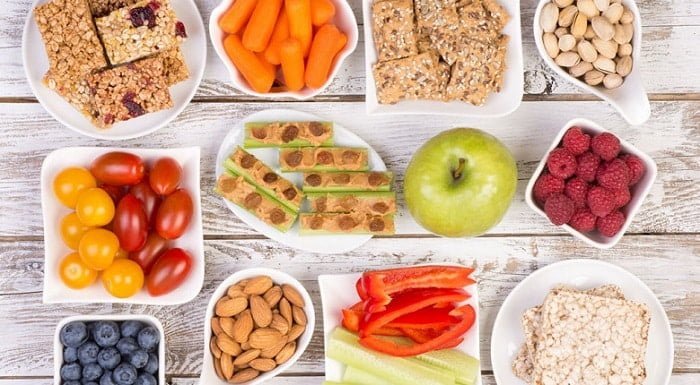
Use these ideas as building blocks, then adjust portions to your plan. Include protein or fiber whenever possible to blunt glucose spikes and improve satiety. For sweet cravings, these suggestions include sweet snacks for diabetics that emphasize fiber or minimal added sugars. Portions below are starting points; individual needs vary.
Rotate choices during the week. Repeating the same food daily can mask patterns or create taste fatigue. Consider how these fit around meals, medications, and activity. When dairy or chocolate appear, see supporting deep-dives for protein content, fat types, and cocoa percentage guidance.
- Plain Greek yogurt (3/4 cup) with cinnamon and chia. See Best Yogurt for Diabetics for protein differences.
- One cheese stick with a small pear. Browse Cheese Choices for Diabetes for lower-sodium picks.
- Almonds or walnuts (a small handful, about 1 ounce).
- Hummus (3 tablespoons) with cucumber and bell peppers.
- Hard-boiled egg with cherry tomatoes and a pinch of salt.
- Cottage cheese (1/2 cup) with sliced strawberries. Insights in Berries and Diabetes explain fiber benefits.
- Whole-grain crispbread with 1 tablespoon peanut butter. For fat and carb details, see Peanut Butter and Diabetes.
- Roasted chickpeas (1/3 cup), seasoned with paprika.
- Edamame (3/4 cup, shelled), lightly salted.
- Air‑popped popcorn (3 cups). See Eat Popcorn with Diabetes for portion control tips.
- Avocado (1/3 medium) on two rye crispbreads.
- Turkey lettuce roll‑ups with mustard, 2–3 small rolls.
- Chia pudding (1/2 cup) made with unsweetened milk substitute.
- Apple (small) with 1 tablespoon almond butter.
- Dark chocolate (70%+, two small squares) with a few nuts. Guidance in Dark Chocolate Diabetes covers cocoa content.
- Overnight oats (1/3 cup dry) with milk and flaxseed.
- Baby carrots (1 cup) with 2 tablespoons tzatziki.
- Whole‑grain toast (1 slice) with smashed avocado and lemon.
- Plain kefir (3/4 cup) with a dash of nutmeg.
- Sweet potato wedges (1/2 cup, roasted). See Sweet Potato and Diabetes for carb context.
Portion Targets: 15–20 Grams of Carbs
Many adults find snacks with approximately 15–20 grams of carbohydrates easier to dose for and track. This range pairs well with 8–12 grams of protein or a source of healthy fats, which may reduce rapid glucose excursions. If you prefer lower carb targets, emphasize nonstarchy vegetables and protein, and add a small fruit serving when activity is higher.
For those who like structure, bedtime snacks for diabetics 15-20 grams can be a steady anchor, especially when evening activity or insulin sensitivity fluctuates. For portioning and label math, this CDC guidance on carb counting provides examples of calculating grams from packaged and fresh foods. Always align ranges with your clinician’s advice, especially if you use insulin or medications that can cause hypoglycemia.
Late-Night and Bedtime Strategies
Evening routines can influence overnight control. A small protein‑containing bedtime snack to lower blood sugar variability may help reduce nocturnal highs after late dinners or drinks. Conversely, if you experience nighttime lows, discuss patterns, insulin timing, and carbohydrate amounts with your care team before making changes. Monitor trends with your meter or CGM to check effects.
Consider taste and digestion. Some people sleep better with dairy or oats, while others prefer eggs or nut butter. If you often feel hungry at night, front‑load fiber at dinner and hydrate earlier. When using alternative sweeteners in evening options, the summary in Healthiest Sweetener Tips offers neutral context on taste and tolerance. For safety basics around low glucose, see the NIDDK overview of hypoglycemia.
Smart Packaged Choices and Label Reading
Convenience can fit your plan if you read labels carefully. Focus on fiber per serving, short ingredient lists, and modest sodium. Look for nuts, seeds, legumes, and whole grains as first ingredients. Prefer minimally sweetened options, especially for bars or yogurts. When possible, pair a packaged item with fresh produce to add bulk without excess carbs.
For on‑the‑go planning, packaged snacks for diabetics should prioritize 10%–20% daily value fiber per serving and limited added sugars. To sharpen your label skills, this FDA guide to the Nutrition Facts label explains serving sizes and added sugars. Keep an eye on sugar alcohols if they cause GI discomfort; net carb claims can be inconsistent across brands.
Sample Snack Lists You Can Save
Use the templates below to streamline your week. Mix and match components to align with personal carb targets, activity, and medication timing. If you print these or save to your phone, you effectively create a simple printable diabetic snack list for everyday reference. Think of it as a rotating menu that reduces decision fatigue.
| Scenario | Snack Ideas |
|---|---|
| Workday, mid‑afternoon | Greek yogurt + chia; carrots + hummus; nuts + fruit |
| Post‑workout | Kefir + berries; turkey roll‑ups + crispbread; edamame |
| Travel day | Roasted chickpeas; cheese stick + pear; dark chocolate + nuts |
| Movie night | Air‑popped popcorn; cottage cheese + strawberries; avocado crisps |
| Bedtime | Overnight oats; egg + tomato; rye crispbread + peanut butter |
Tip: If weight management is also a goal, see Snacks for Weight Loss for ideas with higher satiety and fewer calories. For broader reading across nutrition and monitoring, browse our Diabetes Articles to compare plans and meal structures.
Cultural and Preference Variations
Food culture drives taste and sustainability. For example, snacks for diabetics indian style can include roasted chana (roasted chickpeas), dhokla (steamed fermented batter), or spiced paneer cubes. Keep portions consistent, and balance chutneys or sweets with protein. Aim for whole spices and minimal refined flours to maintain fiber and lower glycemic impact.
Mediterranean, East Asian, and Latin American patterns offer diverse, practical pairings. Olives with feta, tofu with cucumbers, or ceviche with avocado may fit your day. For pattern-level guidance, the overview on Mediterranean Diet and Diabetes explores cardiometabolic benefits, which can inform snack structure. Reflect on your own staples and build a short list you enjoy and can prep quickly.
Recap
Stable snacking supports consistent glucose and energy. Center choices on fiber‑rich carbohydrates, lean proteins, and healthy fats. Keep portions predictable and adjust to activity. Use labels to limit added sugars and refined grains.
Build a small rotation you actually like. When evenings are variable, plan a structured option to simplify decisions. Monitor results and revise with your clinician’s guidance. Over time, small, repeatable choices can add up to steadier days.
This content is for informational purposes only and is not a substitute for professional medical advice.


