

Insulin resistance drugs are medicines that help lower glucose by improving insulin sensitivity, reducing liver glucose output, increasing glucose loss in urine, or supporting weight management. They are usually considered when lifestyle measures are not enough, when A1C or fasting glucose is rising, or when type 2 diabetes, prediabetes, PCOS, fatty liver risk, or cardiometabolic risk changes the treatment plan.
There is no single “best” medicine for every person. Metformin remains the common first-line option for many adults with type 2 diabetes and insulin resistance. GLP-1 receptor agonists, SGLT2 inhibitors, thiazolidinediones, and other diabetes medicines may fit different goals, such as weight reduction, heart risk, kidney protection, or low hypoglycemia risk.
Key Takeaways
- Metformin role: Often the first medication considered.
- Weight-focused options: GLP-1 therapies may support appetite control.
- Cardiorenal goals: SGLT2 inhibitors may help selected patients.
- Testing matters: A1C, fasting glucose, and kidney function guide choices.
- Lifestyle remains central: Food, activity, sleep, and weight changes affect response.
How Insulin Resistance Drugs Fit Into Treatment
Medication choice depends on the reason insulin resistance is being treated. Some people have prediabetes. Others have type 2 diabetes, polycystic ovary syndrome, fatty liver risk, or weight-related metabolic concerns. Each situation changes the balance of benefits, risks, and monitoring.
Insulin resistance means muscle, liver, and fat tissue respond less effectively to insulin. The pancreas may produce more insulin to compensate. Over time, glucose can rise, triglycerides may worsen, and beta-cell function may decline. Treatment aims to reduce that metabolic strain.
Many care plans start with nutrition, physical activity, sleep, and weight management. Medicines are added when lab results, symptoms, risk factors, or related conditions justify them. For a deeper testing-focused discussion, see Diagnosing Insulin Resistance.
Why it matters: The same glucose number can lead to different medication choices depending on kidney function, weight goals, heart disease, pregnancy plans, and side-effect risk.
Main Medication Classes and What They Target
An insulin resistance medication list is easiest to understand by mechanism. Some medicines directly improve insulin sensitivity. Others lower glucose through related pathways, such as kidney glucose loss, appetite regulation, or slower carbohydrate absorption.
Metformin and Biguanides
Metformin is the best-known biguanide. It mainly lowers liver glucose production and can improve how the body responds to insulin. Clinicians often consider Metformin when medication is appropriate and there are no contraindications, such as certain kidney-function concerns.
Metformin is usually weight-neutral or associated with modest weight change. It can cause gastrointestinal effects, especially early in treatment. Vitamin B12 monitoring may be considered during longer-term use, particularly when symptoms or risk factors suggest deficiency.
Thiazolidinediones
Thiazolidinediones, often shortened to TZDs, improve insulin sensitivity in fat, muscle, and liver tissue. Pioglitazone is a common example. These medicines can be useful in selected people, but they are not ideal for everyone.
Clinicians weigh fluid retention, weight gain, fracture risk, liver monitoring, and heart failure history before using this class. These trade-offs explain why TZDs may appear in insulin resistance treatment discussions but are not always the first choice.
GLP-1 Receptor Agonists and Related Incretin Medicines
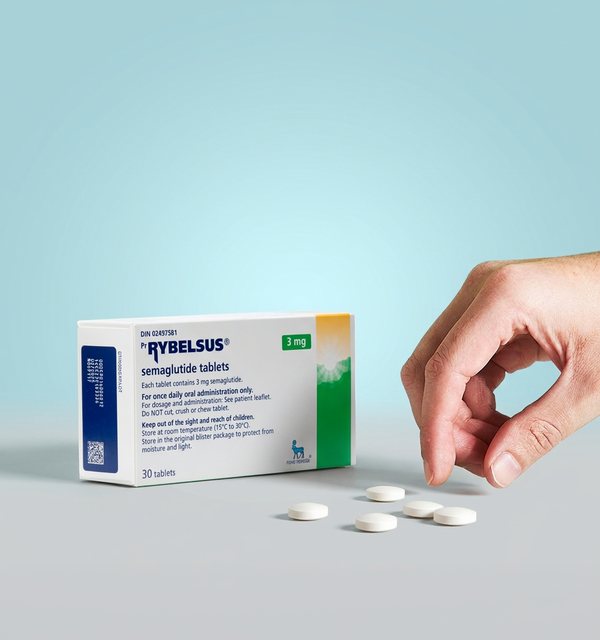
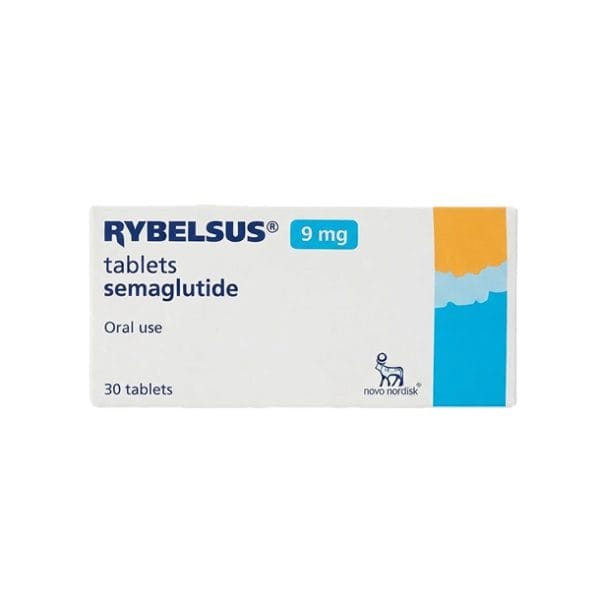
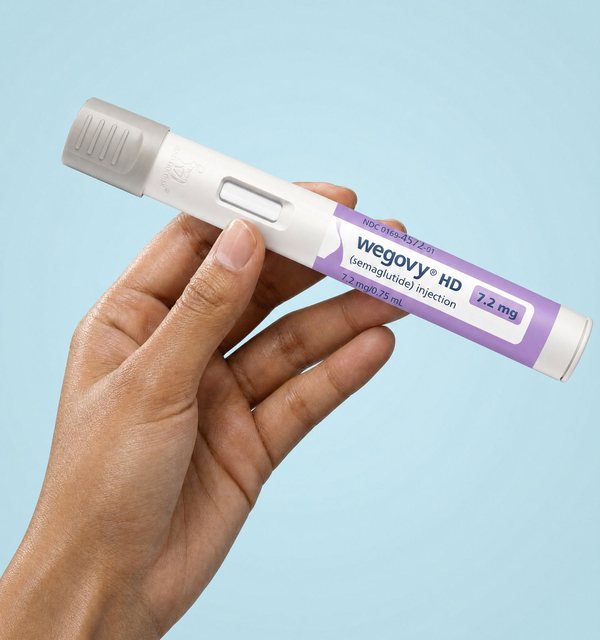
GLP-1 receptor agonists mimic incretin hormones, which help regulate glucose after meals. They increase glucose-dependent insulin release, slow stomach emptying, reduce glucagon, and often decrease appetite. Some are used in type 2 diabetes care, and some related therapies are also used for chronic weight management when criteria are met.
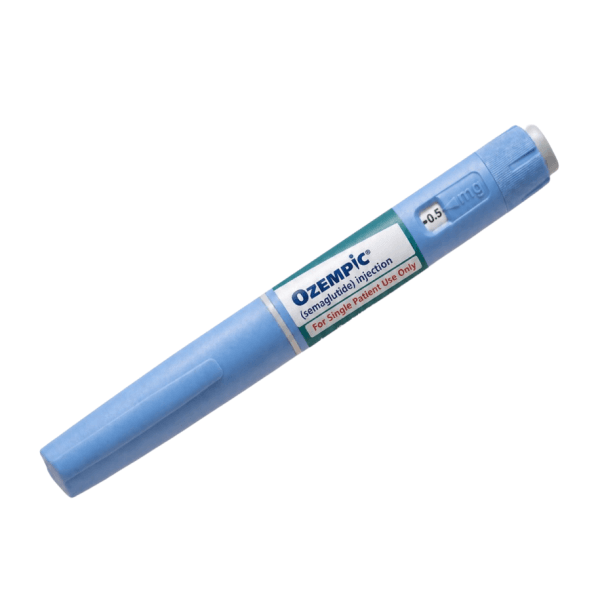
Examples include semaglutide and other agents in the incretin family. Ozempic Semaglutide Pens is one example of a GLP-1 receptor agonist used in type 2 diabetes care. Tirzepatide is a dual incretin therapy that acts through GIP and GLP-1 pathways; Mounjaro KwikPen is one example used in type 2 diabetes care.
These medications may cause nausea, vomiting, constipation, or diarrhea. They may not be suitable for people with certain personal or family endocrine tumor histories, pancreatitis concerns, severe gastrointestinal disease, or pregnancy-related considerations. Label details and clinician review matter.
SGLT2 Inhibitors
SGLT2 inhibitors lower glucose by helping the kidneys remove excess glucose through urine. They are not classic insulin-sensitizing drugs, but they often appear in modern insulin resistance treatment because they address glucose, weight, blood pressure, and heart-kidney risk in selected patients.
Examples include empagliflozin and dapagliflozin. For class context, see SGLT2 Inhibitors. Product examples include Jardiance and Farxiga Dapagliflozin, both of which should be considered only within an individual treatment plan.
Important risks include genital yeast infections, urinary symptoms, dehydration, and rare ketoacidosis. Kidney function affects whether this class is appropriate. People who are fasting, acutely ill, having surgery, or following very low-carbohydrate diets should discuss safety planning with their clinician.
Other Diabetes Medicines
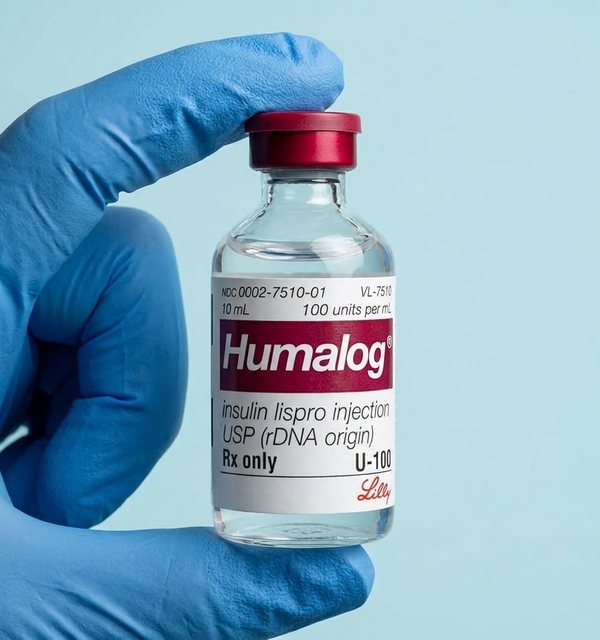
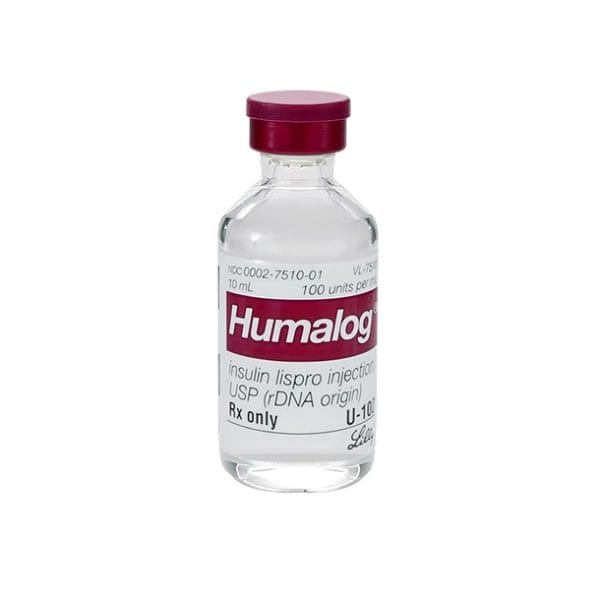
DPP-4 inhibitors, alpha-glucosidase inhibitors, sulfonylureas, and insulin can also be part of diabetes care. They do not all treat insulin resistance directly. Their role depends on A1C, meal patterns, hypoglycemia risk, cost, tolerability, and other diagnoses.
For a broader class-by-class comparison, see Common Diabetes Medications. Injectable non-insulin options are also discussed in Injectable Alternatives.
Metformin, GLP-1 Medicines, and the “Best Drug” Question
The best drug to improve insulin resistance is the one that matches the patient’s diagnosis, risks, goals, and monitoring needs. Metformin is often the starting point because it is well studied, usually affordable, and targets liver glucose output. It is not the only option.
People often ask whether metformin helps with insulin resistance and weight loss. It may support modest weight change for some people, but it is not mainly a weight-loss drug. Its main role is glucose and insulin-resistance management, especially in type 2 diabetes and sometimes in selected prediabetes or PCOS contexts.
GLP-1 drugs for weight loss are different. They act on appetite and glucose-regulating pathways and may be considered when weight management is a major treatment goal. Still, the “best GLP-1 for insulin resistance” depends on the approved indication, side effects, contraindications, access, and whether type 2 diabetes is present.
Newer antidiabetic drugs, including dual incretin therapies and updated SGLT2 indications, have expanded treatment choices. “New” does not automatically mean better for a specific person. Established medicines may be safer, simpler, or more appropriate depending on the clinical picture.
Quick tip: Bring a current medication list, lab results, and weight-history notes to appointments so treatment discussions stay specific.
Testing and Monitoring Before Medication Changes
Testing helps confirm the pattern and reduce unsafe prescribing. Common measures include fasting glucose, A1C, lipids, blood pressure, kidney function, liver enzymes, and sometimes fasting insulin. A fasting insulin result can help estimate insulin resistance, but it is not always needed for routine care.
HOMA-IR is one tool that estimates insulin resistance using fasting glucose and fasting insulin. It can support discussion, but it does not diagnose every case by itself or replace clinical judgment.
HOMA-IR Calculator
Estimate insulin resistance from fasting glucose and fasting insulin values collected from the same blood draw.
These calculations are for education only and do not replace clinical advice, diagnosis, or treatment. Always confirm medical decisions with a qualified healthcare professional.
This calculator can help estimate HOMA-IR from fasting values for general discussion. It should not be used to start, stop, or change medication without a clinician.
Kidney function is especially important for metformin and SGLT2 inhibitors. Liver history, heart failure, fracture risk, pancreatitis history, pregnancy plans, and gastrointestinal disease can also change the medication conversation. Monitoring may become more frequent when therapy changes, symptoms appear, or glucose levels shift quickly.
Tracking can include home glucose readings, CGM patterns, weight, waist circumference, blood pressure, and lab trends. A1C reflects average glucose over roughly two to three months, while fasting glucose can show shorter-term changes. For practical non-drug steps that support medication response, see Improving Insulin Sensitivity.
Female-Specific Patterns, PCOS, and Reproductive Planning
Insulin resistance symptoms in females can include irregular periods, acne, excess facial or body hair, weight changes around the waist, and fertility concerns, especially when PCOS is present. Some people have few symptoms until blood tests show prediabetes or type 2 diabetes.
Medication decisions may change during pregnancy planning, pregnancy, or breastfeeding. A history of gestational diabetes also raises future type 2 diabetes risk. Clinicians may screen earlier or more often when family history, PCOS, weight changes, or past pregnancy complications are present.
Metformin is sometimes discussed in PCOS care, but decisions depend on menstrual symptoms, glucose status, pregnancy goals, and other treatments. GLP-1 and SGLT2 medicines need careful review when pregnancy is possible, because labels and safety considerations differ by drug and indication.
Lifestyle Care That Makes Medication Work Better
Insulin resistance drugs work best when paired with sustainable daily habits. Food quality, carbohydrate portions, resistance training, sleep regularity, alcohol use, and stress can all influence glucose and insulin demand. These measures are not “natural remedies” in the casual sense; they are core metabolic care.
An insulin resistance diet usually emphasizes minimally processed foods, adequate protein, fiber-rich carbohydrates, unsaturated fats, and fewer sugar-sweetened drinks. The right carbohydrate target varies. People using insulin or medicines that can cause hypoglycemia need individualized guidance before making major changes.
Resistance training can improve muscle glucose uptake. Aerobic activity helps glucose use and cardiovascular health. Sleep matters because short or disrupted sleep can worsen appetite signals and glucose regulation. Weight loss, when appropriate and safe, can improve insulin sensitivity, but the goal should be realistic and medically supervised when risks are present.
Dietitian support is especially useful for pregnancy, kidney disease, eating disorders, gastroparesis, repeated lows, or frequent high glucose readings. Medication plans and nutrition plans should fit together, not compete.
Safety Questions to Ask Before Starting or Switching
Every insulin resistance treatment plan should include a safety check. Side effects often determine whether a medicine is practical long term. Ask about what symptoms to watch, which labs need monitoring, and what to do during illness or before procedures.
- Kidney function: Ask how eGFR affects options.
- Low glucose risk: Clarify hypoglycemia warning signs.
- GI tolerance: Discuss nausea, diarrhea, or constipation.
- Pregnancy plans: Review safety before conception.
- Heart history: Mention heart failure or vascular disease.
- Infection risk: Ask about urinary or genital symptoms.
- Current medicines: Include steroids, antipsychotics, and HIV therapies.
Some drugs can worsen insulin resistance or raise glucose. Examples include systemic corticosteroids, some antipsychotics, certain HIV medicines, and some hormonal or blood pressure medications. Do not stop a prescribed medicine on your own. Ask the prescriber whether alternatives, monitoring, or dose adjustments are appropriate.
Seek urgent care for severe dehydration, persistent vomiting, confusion, chest pain, trouble breathing, severe abdominal pain, or signs of ketoacidosis such as nausea, rapid breathing, and unusual fatigue. These symptoms need prompt medical review.
Access and Care Coordination
Medication access can affect which option is realistic. Some therapies require prior authorization, prescription documentation, or careful pharmacy coordination. CanadianInsulin.com is a prescription referral platform, and when required, prescription details may be confirmed with the prescriber. Dispensing and fulfilment are handled by licensed third-party pharmacies where permitted.
Some patients explore cash-pay options and cross-border fulfilment depending on eligibility and jurisdiction. Access should not replace clinical suitability. The safer sequence is diagnosis, treatment selection, prescription review, then logistics.
For browseable product groupings, the Diabetes Products category can help orient readers to medication types. For condition-based navigation, the Type 2 Diabetes collection groups related options by condition.
Authoritative Sources
For insulin resistance physiology and prediabetes background, review the NIDDK insulin resistance overview.
For current diabetes care recommendations, see the ADA Standards of Care in Diabetes.
For official medication labeling and safety details, use the Health Canada Drug Product Database.
Recap
Insulin resistance drugs include metformin, TZDs, GLP-1 receptor agonists, SGLT2 inhibitors, and other diabetes medicines used for specific goals. Metformin often anchors treatment, while newer options may fit weight, heart, kidney, or glucose priorities.
The right choice depends on diagnosis, lab results, side-effect risk, pregnancy plans, kidney function, and medication access. Pairing medicines with food, activity, sleep, and follow-up monitoring usually gives the clearest path forward.
This content is for informational purposes only and is not a substitute for professional medical advice.