
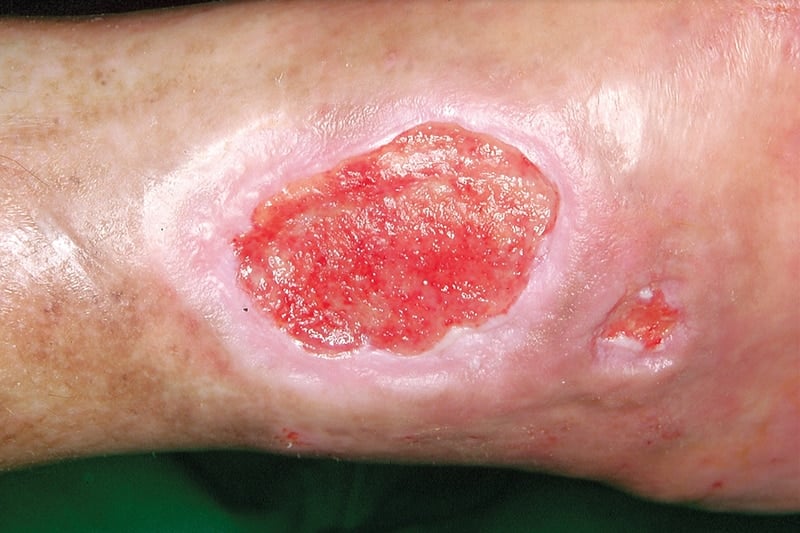
Diabetes can slow wound healing because high blood sugar, nerve damage, reduced circulation, and infection risk can all interfere with normal repair. This matters because a small cut, blister, burn, or surgical incision may worsen before pain becomes obvious, especially when sensation is reduced.
Key Takeaways
- High glucose can weaken immune response and tissue repair.
- Nerve damage may hide pressure, blisters, and burns.
- Poor circulation limits oxygen and nutrients at the wound.
- Foot wounds need early attention because ulcers can deepen.
- Urgent care is needed for spreading redness, fever, or black tissue.
Understanding diabetes and wound healing helps you spot problems earlier and prepare better questions for your care team. The goal is not to treat every wound at home. It is to know which changes are expected, which ones suggest trouble, and why pressure relief, glucose management, and follow-up matter.
How Diabetes Affects Each Stage of Healing
Normal wound healing moves through overlapping stages: clotting, inflammation, tissue building, and remodeling. Diabetes can disrupt each step, especially when blood glucose stays above the target range set by a clinician.
High blood sugar can reduce how well white blood cells move toward bacteria and kill them. It can also support biofilm, a slimy layer of bacteria that can make wounds harder to clear. Over time, excess glucose may affect collagen, the protein scaffold that gives new tissue strength.
Blood flow matters just as much. Microvascular disease affects small vessels, while peripheral artery disease can narrow larger vessels. Both can reduce oxygen delivery to the wound bed. Without enough oxygen, the body may struggle to build new tissue and fight infection.
Nerve damage adds another problem. Peripheral neuropathy means reduced feeling, tingling, burning, or numbness, often in the feet. A person may keep walking on a blister, callus, or pressure spot because pain signals are weak. That repeated pressure can turn a surface injury into a deeper wound.
Why it matters: A wound can look small on the surface while deeper tissue is already stressed.
For a deeper clinical overview, see our related explainer on Diabetes and Wound Healing.
Why Diabetic Wounds Heal Slowly
Delayed wound healing in diabetes usually reflects several problems working together, not one single cause. The most common contributors are high glucose, reduced blood flow, pressure, swelling, infection, and repeated trauma.
Pressure is especially important in foot wounds. Tight shoes, seams in socks, abnormal gait, or standing for long periods can keep damaging the same area. Callus may look protective, but it can increase pressure under the skin and hide bleeding or tissue breakdown.
Dry skin also raises risk. Cracks around the heel or between the toes can become entry points for bacteria or fungus. Diabetes-related skin changes may make the barrier more fragile, and scratching can create small breaks. Our overview of Diabetes Skin Problems explains how dryness, itching, and infections can overlap.
Swelling can slow closure because excess fluid stretches skin and reduces efficient oxygen exchange. Leg wounds may involve venous disease, edema, or minor trauma from scratching. Compression may help some venous wounds, but it must be used carefully when arterial flow is uncertain.
Some medications, kidney disease, smoking, poor nutrition, and limited mobility may also affect recovery. These factors do not mean healing is impossible. They mean the plan often needs more structure and closer monitoring.
Common Wound Patterns on Feet, Legs, and Hands
Feet are the most common site for diabetes-related ulcers because they carry body weight and may have reduced sensation. Typical pressure sites include the ball of the foot, the big toe area, the outer forefoot, and the heel.
Neuropathic ulcers often form under callus at pressure points. Neuroischemic ulcers involve both nerve damage and reduced blood flow. They may appear on the edges of the foot, toes, or areas where footwear rubs. These wounds may be painful, painless, or only mildly uncomfortable.
Lower-leg wounds often follow swelling, dry skin, venous disease, or minor trauma. They may begin as a scratch that forms a crust but does not close. Hands are less commonly affected, but burns, cuts, and fingertip injuries can still heal slowly when glucose is high or circulation is poor.
Foot ulcers deserve special attention because they can deepen and become infected. For more detail on warning signs and evaluation, read our companion resource on Diabetic Foot Ulcers. You can also review our focused page on Diabetic Foot Ulcer for related background.
Timeline: What Recovery May Look Like
Healing time depends on wound depth, blood flow, infection, pressure, glucose patterns, and the treatment plan. A small clean cut may close within days to weeks, while a deeper ulcer or infected wound can take much longer and may need specialist care.
Progress is usually judged by trend, not by a single day. Clinicians may measure length, width, depth, drainage, tissue color, odor, and surrounding redness. If a wound is not shrinking over several weeks despite appropriate care, the plan may need reassessment.
Wound healing stages can also look different in diabetes. Early inflammation may last longer than expected. New granulation tissue, which looks pink or red and bumpy, may appear slowly. The final remodeling phase can leave fragile skin that reopens if pressure returns too soon.
After surgery, diabetes wound healing after surgery may require closer glucose monitoring, incision checks, and pressure protection. Report wound separation, increasing drainage, spreading redness, or new fever promptly. Do not remove sutures, staples, casts, or surgical dressings unless the surgical team has told you how and when to do so.
Quick tip: Photograph the wound from the same distance with a ruler nearby.
Daily Wound Care for People With Diabetes
Daily care should protect the wound, reduce pressure, and catch infection early. Follow the plan from your clinician, podiatrist, wound clinic, or surgical team, especially for deep wounds, ulcers, burns, or wounds near bone.
Basic care principles
- Clean gently: Use the method recommended by your clinician.
- Protect moisture balance: Avoid letting the wound dry out or stay soggy.
- Check pressure: Look for rubbing from shoes, braces, casts, or dressings.
- Inspect nearby skin: Watch for cracks, blisters, callus, and color change.
- Track drainage: Note amount, color, odor, and sudden changes.
- Avoid heat treatments: Neuropathy can make burns hard to feel.
Do not apply harsh antiseptics, strong chemicals, or home remedies to an open wound unless a clinician recommends them. Some products can irritate tissue or delay repair. Dressings should match the wound’s drainage level and location.
Offloading means taking pressure away from the wound. This may involve a removable boot, total contact cast, special shoe, felt padding, or custom insole. Offloading works only when used as directed. Walking “just a little” on an active foot ulcer can still disrupt fragile tissue.
Glucose management supports healing because immune cells and collagen formation work better when glucose is closer to target. If readings are repeatedly high or low, speak with your care team before changing medications. For background on insulin approaches, see our Diabetes collection or browse the Diabetes Condition page for related navigation.
Infection Warning Signs and When to Seek Care
Infection risk is higher when diabetes affects immunity, sensation, and circulation. Seek prompt medical care if a wound shows spreading redness, increasing warmth, swelling, pus, foul odor, black tissue, red streaks, fever, chills, or rapidly increasing pain.
Some infected diabetic foot wounds do not cause strong pain because neuropathy can blunt sensation. A wound that suddenly drains more, becomes darker, or starts smelling different needs evaluation even if it does not hurt. New confusion, weakness, or feeling very unwell should be treated as urgent.
Cellulitis is a spreading bacterial skin infection that can occur around a break in the skin. It may cause redness, warmth, swelling, and tenderness. Learn more about the overlap in our resource on Cellulitis and Diabetes.
Clinicians may use debridement, which removes dead or infected tissue, to help assess the wound. Cultures are often more useful when taken from tissue after cleaning or debridement rather than from a surface swab. Imaging may be needed if bone infection, known as osteomyelitis, is a concern.
Antibiotics are not used for every open wound. They are generally considered when there are signs of bacterial infection. The choice depends on severity, likely organisms, culture results, allergies, kidney function, and local clinical guidance.
Monitoring Progress Between Appointments
Good documentation helps your care team decide whether the wound is improving. Use the same method each time so changes are easier to compare.
Track the date, wound location, length, width, depth if instructed, drainage, odor, pain, redness, swelling, dressing type, and footwear used that day. Bring the notes to appointments. If you use a phone photo, include a ruler or coin for scale, and keep lighting consistent.
Ask practical questions during follow-up visits. Is the wound smaller? Is the tissue healthier? Is pressure controlled? Is blood flow adequate? Is infection still suspected? Should footwear, dressings, or offloading be adjusted?
Vision problems can make daily foot checks harder. If you cannot see the soles of your feet, use a mirror or ask a trusted person to help. People with balance problems, numbness, or reduced vision may need extra support to inspect shoes and skin safely.
Reducing Future Wound Risk
Prevention focuses on finding pressure and skin breakdown before an ulcer forms. Daily foot inspection is one of the most practical habits for people with reduced sensation.
Check the tops, soles, heels, toenails, and between the toes. Look inside shoes for stones, rough seams, worn liners, or damp areas. Choose footwear that fits without rubbing, and replace shoes that have collapsed or changed shape.
Moisturize dry skin, but avoid putting lotion between the toes unless your clinician says otherwise. Keep nails trimmed safely, and consider professional foot care if vision, mobility, thick nails, or neuropathy make trimming difficult.
Smoking cessation, blood pressure control, lipid management, physical activity within medical limits, and glucose management may all support vascular health. These steps should be individualized, especially for people with kidney disease, heart disease, pregnancy, recurrent hypoglycemia, or active ulcers.
For skin-related topics, you can browse our Dermatology collection. The Dermatology Products category is a browseable list and should not replace professional wound evaluation.
Authoritative Sources
The CDC explains diabetes-related foot complications, including why daily foot checks and early care matter.
The NIDDK reviews diabetes foot problems, warning signs, and prevention steps for people living with diabetes.
The NCBI Bookshelf summarizes diabetic foot infections, including evaluation principles and escalation concerns.
Recap
Diabetes and wound healing are closely linked because glucose, circulation, nerves, pressure, and infection risk all affect repair. Small wounds can become serious when sensation is reduced or blood flow is limited.
Check wounds daily, reduce pressure, follow dressing instructions, and seek care early for infection signs or stalled healing. A wound that is spreading, deepening, draining pus, turning black, or causing fever needs urgent medical attention.
This content is for informational purposes only and is not a substitute for professional medical advice.


