
Please note: a valid prescription is required for all prescription medication.
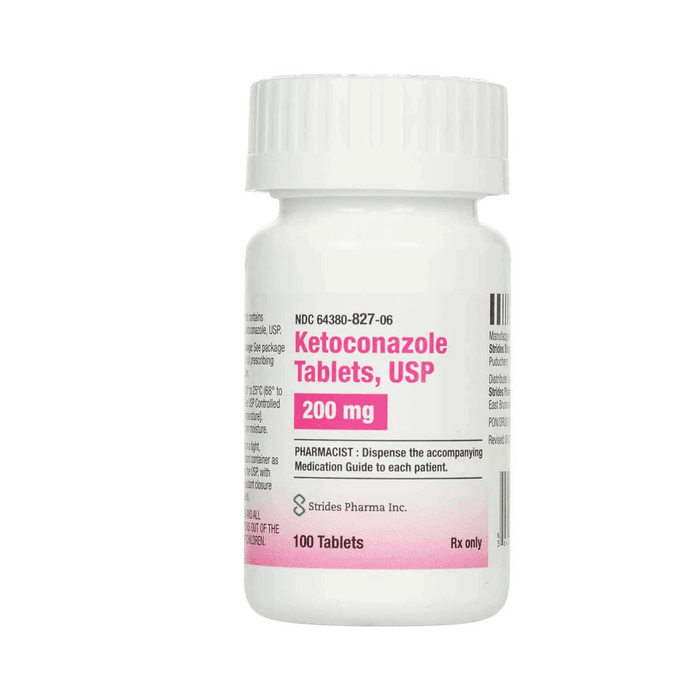
Ketoconazole
Buy Ketoconazole Online


Ketoconazole is an antifungal medicine used in topical forms and, less commonly, oral tablets. You can buy Ketoconazole online and choose the form, strength, and quantity shown during ordering to match the directions you were given. The right choice depends on the treated area, the diagnosed infection, and whether the product is intended for skin, scalp, or oral use.
Topical ketoconazole products may include cream, shampoo, foam, or lotion presentations. Ketoconazole tablets have different safety considerations because the medicine is absorbed throughout the body. Match the active ingredient, route of use, and labeled concentration before placing an order, especially when comparing ketoconazole cream, ketoconazole shampoo, and ketoconazole tablets.
Ketoconazole Price, Form, and Quantity
The Ketoconazole price depends on the form, strength or concentration, package size, and quantity chosen during checkout. A tube of cream, a bottle of shampoo, a topical foam, a lotion, and a tablet supply are not interchangeable just because they contain the same active ingredient. Compare the cash-pay amount against the actual package contents and the directions for use.
Ketoconazole cost without insurance is best assessed by matching the product to the intended treatment course rather than choosing the lowest visible total. For example, ketoconazole cream price and ketoconazole tablet price can differ because the route of administration, quantity, and safety requirements are different. A scalp shampoo bottle may also cover a different use pattern than a skin cream or foam.
If US delivery from Canada is relevant to your order, review the service information shown at checkout and make sure the form and quantity still match your intended use. Do not substitute a shampoo for a cream, a topical product for tablets, or one concentration for another unless a clinician has changed the plan.
Quick tip: Match the form, concentration, and quantity before comparing order totals.
How to Order Ketoconazole Online
Choose the ketoconazole form that matches the product directions: cream, shampoo, foam, lotion, or tablets. Enter the requested order information carefully, including the product form and quantity. We may review order details when needed to help ensure the medicine requested matches the information provided.
Ketoconazole online orders should be checked against the treated body area and the directions on the label. Topical products are generally used externally on skin or scalp, while tablets are swallowed and have broader systemic risks. A similar product name does not mean the same dose, route, or monitoring applies.
Products are supplied through licensed pharmacies. For handling and logistics, follow the checkout instructions and any package-specific storage information; ketoconazole products are not typically managed like refrigerated biologic medicines, but the label remains the primary source for storage requirements.
Forms, Strengths, and What to Match
Ketoconazole topical products are commonly used for fungal or yeast-related skin and scalp conditions. Nizoral Ketoconazole is a familiar brand reference for some shampoo products, but the important ordering details remain the active ingredient, concentration, bottle size, and directions. A brand reference should not replace the exact product instructions.
| Form | Main use check | Ordering check |
|---|---|---|
| Cream, lotion, or foam | Skin area and external-use directions | Confirm package size, concentration, and application instructions |
| Shampoo | Scalp or skin directions and bottle size | Confirm whether the directions specify ketoconazole 2% shampoo |
| Tablets | Oral directions and quantity | Review systemic warnings, interactions, and monitoring needs |
Ketoconazole dosage and ketoconazole doses should come from the product label and individualized clinical instructions. Do not change how often the medicine is used, how long treatment continues, or which body area is treated based on price or package size. If the label and your directions do not match, ask for clarification before using the medicine.
The Dermatology category can help with browsing skin-related medicine areas. For fungal infection care beyond routine skin conditions, the Infectious Disease category provides a broader treatment context.
What Ketoconazole Is Mostly Used For
Ketoconazole is an imidazole antifungal. It works by interfering with fungal cell membranes, which can slow or stop the growth of susceptible fungi and yeasts. The practical use depends on whether the product is topical or oral and which condition has been identified.
Topical ketoconazole may be used for fungal skin infections such as ringworm, jock itch, athlete’s foot, certain yeast infections of the skin, tinea versicolor, dandruff, and seborrheic dermatitis. Ketoconazole shampoo is often associated with scalp flaking and seborrheic dermatitis. Cream, lotion, or foam presentations are used according to the body area and labeled directions.
The Fungal Skin Infection collection groups related condition-based listings. Scalp flaking or oily inflamed areas may also connect to the Seborrheic Dermatitis collection, while dandruff-related browsing can start with the Dandruff condition area.
Improvement timing varies. Some people notice less itching, scaling, or flaking before the underlying fungal or yeast overgrowth is fully controlled. Continue to follow the labeled course unless a clinician tells you to stop or change treatment.
Where Not to Use Topical Ketoconazole
Topical ketoconazole is intended for the body areas described in the product directions. Avoid using cream, lotion, foam, or shampoo in the eyes, inside the mouth, inside the nose, or on mucous membranes unless the label specifically allows that use. Do not apply it to deep wounds, severe burns, or heavily broken skin without medical guidance.
Use caution on irritated or sensitive areas because burning, stinging, redness, itching, or dryness can occur. Shampoo products may also affect hair texture or scalp comfort. If a topical product causes severe irritation, swelling, hives, or breathing trouble, stop using it and seek urgent help.
External-use directions matter because ketoconazole forms are made for different routes. A shampoo may be rinsed off after contact time, while a cream is usually left on the skin. Tablets are not a substitute for topical therapy unless oral treatment has been specifically chosen for the condition.
Storage, Handling, and Travel
Store ketoconazole according to the manufacturer label. Keep tubes, bottles, foams, lotions, and tablets in their original containers with caps closed tightly. Protect products from avoidable heat, moisture, and contamination, especially after opening a topical container.
Most ketoconazole topical products and tablets are stored at room temperature rather than refrigerated, but label instructions should always take priority. Avoid leaving medicine in a hot car, direct sun, or a damp bathroom if the package warns against those conditions. Keep medicines away from children and pets.
For travel, pack ketoconazole separately from toiletries that may leak. A shampoo bottle may need different packing than a cream tube or tablet container, and air travel liquid limits may apply. Keep the labeled container with the medicine so the active ingredient, strength, and directions remain visible.
Why it matters: Proper storage helps preserve the medicine through the intended course.
Side Effects, Warnings, and Monitoring
Side effects depend strongly on the form. Topical ketoconazole can cause burning, stinging, itching, dryness, redness, irritation, or rash at the area of use. Ketoconazole shampoo may cause scalp irritation, dryness, oiliness, or changes in hair texture. These effects are usually local, but any severe or allergic reaction needs prompt attention.
Oral ketoconazole tablets have important safety warnings and are used less commonly than topical forms. The liver is the organ of greatest concern with oral therapy, because serious liver injury can occur. Tablets may also affect adrenal gland function and can interact with many medicines in ways that may cause dangerous heart rhythm problems or increased drug levels.
Oral ketoconazole is contraindicated in people with acute or chronic liver disease. It is generally not used for common skin or nail fungal infections when safer alternatives are suitable. Seek urgent medical help for yellowing skin or eyes, dark urine, pale stools, severe fatigue, persistent nausea, right upper abdominal pain, fainting, irregular heartbeat, or signs of a serious allergic reaction.
Interactions are especially important with tablets. Medicines for heart rhythm, cholesterol, anxiety or sleep, seizures, blood thinning, and acid reduction may require review. Topical forms usually have less systemic absorption, but allergies, pregnancy, breastfeeding, liver disease history, and previous reactions to antifungals should still be considered.
How Long Ketoconazole May Take to Work
Response time depends on the condition, severity, body area, and product form. Itching, scaling, or flaking may begin to improve before the infection or dermatitis is fully controlled. Ringworm, athlete’s foot, tinea versicolor, dandruff, and seborrheic dermatitis can follow different timelines.
Do not shorten treatment because symptoms improve early. Stopping too soon may allow symptoms to return. If symptoms worsen, spread, or do not improve within the expected timeframe on the label or treatment plan, ask a clinician whether the diagnosis, product form, or active ingredient should be reconsidered.
Some conditions that look fungal are not caused by fungi. Eczema, psoriasis, contact dermatitis, bacterial infections, and other rashes may need different care. A correct diagnosis is especially important before using tablets because of their systemic safety profile.
Related Antifungal and Skin-Care Choices
Related antifungal medicines can look similar online, but they are not automatically interchangeable. Active ingredient, route of use, treated organism, safety warnings, and monitoring needs can differ. Price should be weighed only after the medicine, form, and quantity match the intended treatment.
Ketoderm may be relevant when a ketoconazole brand-style topical option is being considered. Terbinafine is a different antifungal ingredient and should be compared only when it is appropriate for the specific infection. Do not replace one antifungal with another based only on package size or cost.
For condition browsing, the Systemic Fungal Infection collection may provide context for deeper fungal infections, while topical skin concerns may fit better under dermatology-related areas. The Dermatology articles category can also support general skin-care reading, but it should not replace individualized clinical direction.
Authoritative Sources
These sources support key ketoconazole use and safety points:
- MedlinePlus topical ketoconazole drug information summarizes topical uses, precautions, and side effects.
- NHS ketoconazole medicine information explains common cream and shampoo use in patient-friendly language.
- NCBI Bookshelf clinical review discusses systemic ketoconazole safety, interactions, and monitoring considerations.
This content is for informational purposes only and is not a substitute for professional medical advice.
Express Shipping - from $29.99
Shipping with this method takes 3-5 days
Prices:
- Dry-Packed Products $29.99
- Cold-Packed Products $39.99
Standard Shipping - $19.99
Shipping with this method takes 5-10 days
Prices:
- Dry-Packed Products $19.99
- Not available for Cold-Packed products
What is ketoconazole mostly used for?
Ketoconazole is mostly used as an antifungal medicine. Topical forms may be used for fungal skin infections, tinea versicolor, dandruff, and seborrheic dermatitis. Tablets are used less often because oral ketoconazole has significant systemic safety risks.
How long does ketoconazole take to work?
Timing depends on the condition and form used. Itching, scaling, or flaking may improve before the underlying problem is fully treated. Follow the labeled course and ask a clinician if symptoms worsen, spread, or do not improve as expected.
Where should ketoconazole cream not be used?
Ketoconazole cream is generally for external skin use only. Avoid the eyes, mouth, nose, mucous membranes, deep wounds, and severely broken skin unless the label or a clinician specifically directs otherwise.
What organ is the main concern with oral ketoconazole?
The liver is the main organ of concern with oral ketoconazole. Tablets can cause serious liver injury and are contraindicated in people with acute or chronic liver disease. Symptoms such as jaundice, dark urine, severe fatigue, or right upper abdominal pain need urgent medical attention.
Are ketoconazole cream, shampoo, foam, lotion, and tablets interchangeable?
No. Ketoconazole forms are not automatically interchangeable. A shampoo, cream, foam, lotion, and tablet differ by route of use, concentration, directions, and safety profile. Match the exact form and strength to the intended treatment.
Rewards Program
Earn points on birthdays, product orders, reviews, friend referrals, and more! Enjoy your medication at unparalleled discounts while reaping rewards for every step you take with us.
You can read more about rewards here.
POINT VALUE
How to earn points
- 1Create an account and start earning.
- 2Earn points every time you shop or perform certain actions.
- 3Redeem points for exclusive discounts.
You Might Also Like
Select options
This product has multiple variants. The options may be chosen on the product page
Select options
This product has multiple variants. The options may be chosen on the product page
Select options
This product has multiple variants. The options may be chosen on the product page
Select options
This product has multiple variants. The options may be chosen on the product page