
Understanding insulin resistance and type 2 diabetes helps you act early and confidently. This guide explains how resistance develops, how clinicians test it, and which daily habits matter most. You will also learn when medicines support lifestyle work and how to track progress over time.
Key Takeaways
- Early testing clarifies risk and guides targeted lifestyle adjustments.
- Whole-food eating patterns and regular activity improve insulin action.
- Medications can assist when lifestyle alone is not enough.
- Track labs and waist size to see improvement trends.
- Small, consistent changes often beat short, intense efforts.
Insulin Resistance and Type 2 Diabetes: How They Connect
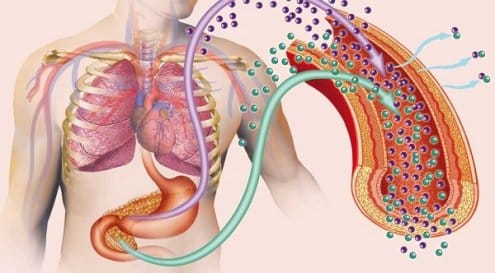
Insulin resistance means muscle, liver, and fat cells respond poorly to insulin. The pancreas compensates by producing more insulin, a state called hyperinsulinemia (high insulin levels). Over time, beta cells may fatigue, leading to elevated glucose and, for some, type 2 diabetes. Early detection reduces long-term complications and preserves metabolic flexibility.
Progression is not inevitable. Weight reduction, improved cardiorespiratory fitness, and better sleep can improve insulin signaling. For a clear contrast between mechanisms, see Insulin Resistance vs Insulin Deficiency for how each pathway alters glucose control. Public health guidance from the CDC on insulin resistance outlines risks and prevention basics.
Clinical Signs and Who Is at Risk
Common clues include enlarged waist circumference, acanthosis nigricans (velvety neck or armpit patches), skin tags, and elevated triglycerides. Women with polycystic ovary syndrome (PCOS) or a history of gestational diabetes have higher risk. Sleep apnea, fatty liver, and certain medications can also impair insulin signaling. Genetics and aging matter, but daily pattern choices still influence outcomes.
Ask about family history and cardiometabolic markers during routine care. Understanding what causes insulin resistance helps target changes: energy excess, low activity, visceral adiposity (deep belly fat), and chronic inflammation are major drivers. For pancreatic complications that may affect glucose control, see Pancreatitis and Diabetes for preservation strategies.
Diagnosis and Testing
There is no single universal diagnostic test, but several labs build the picture. Clinicians commonly use fasting glucose, hemoglobin A1c, fasting insulin, and lipid patterns. Some calculate HOMA-IR from fasting glucose and insulin to estimate resistance. Oral glucose tolerance testing can reveal earlier dysfunction, especially when fasting values look borderline.
Your clinician may order an insulin resistance test within a broader metabolic panel when risk is high. Reference intervals vary by laboratory and population, so context matters. For classification and diagnostic thresholds, the American Diabetes Association’s diagnosis guidance explains A1c and glucose cutoffs. For more resources on standards of care in type 2 diabetes, visit the Type 2 Diabetes topic hub for related guidance and updates.
Dietary Strategies That Help
An insulin resistance diet emphasizes minimally processed foods, adequate protein, high-fiber vegetables, and healthy fats. Aim for steady carbohydrate quality and quantity, prioritizing legumes, intact whole grains, and low-glycemic fruits. Fiber improves satiety and slows absorption, which may reduce glycemic variability (blood sugar swings). Hydration and sodium awareness support blood pressure goals.
Build meals around protein sources, non-starchy vegetables, and a modest portion of smart carbs. Consider a practical seven-day plan that rotates simple, repeatable meals. For specific meal ideas, see Best Diet for Insulin Resistance for food lists and sample dishes. For fruit choices with favorable profiles, Berries for Diabetes discusses fiber and antioxidant benefits you can apply.
Exercise, Sleep, and Lifestyle
Activity increases insulin sensitivity in working muscles within hours. Combine resistance training and brisk aerobic work for complementary benefits. Many adults aim for 150 minutes of moderate cardio weekly plus two strength sessions. Break up sitting every 30–60 minutes with short, light activity to enhance glucose uptake.
Quality sleep and stress control help hormonal balance. Mindfulness, brief walks after meals, and consistent bedtimes add up. If you want guidance on how to reverse insulin resistance, start with small daily habits you can sustain. For medication strategies that sometimes augment lifestyle, see GLP-1 Weight Loss Drugs for context on weight and metabolic risk.
At-Home and Wearable Monitoring
Home glucose meters and continuous glucose monitors (CGMs) show post-meal responses and daily trends. They do not directly diagnose insulin resistance, but patterns can guide behavior changes. Discuss targets with your clinician, especially if you take glucose-lowering medicines. Keep notes on meals, sleep, and activity to interpret patterns.
Some people search for an insulin resistance test at home. While a few mail-in kits estimate markers like insulin or lipids, quality can vary and results need clinical context. Use home data to start conversations and adjust routines. For day-to-day self-management skills, Living With Diabetes shares practical routines you can adopt now.
Medication’s Role and New Options
Lifestyle change remains foundational, but medications can help when glucose or cardiometabolic risk remains high. Metformin reduces hepatic glucose output and improves insulin sensitivity. SGLT2 inhibitors reduce renal glucose reabsorption, lowering glucose and aiding weight management. Some GLP-1–based therapies reduce appetite and improve postprandial control.
Therapy is individualized based on A1c, comorbidities, and patient preferences. For comparisons of two common agents, see Invokana vs Metformin to understand how each class works. For combination therapy examples, review Janumet XR when dual mechanisms are considered. If SGLT2 therapy is discussed, Dapagliflozin provides class context and prescribing considerations to explore with your clinician.
Timelines and Monitoring Progress
Improvement trajectories differ by baseline status, adherence, and comorbidities. Weight loss of 5–10% often improves insulin action, but responses vary. Ask your clinician how long does it take to reverse insulin resistance in your situation, and agree on measurable checkpoints. Use waist measurements, fasting labs, and post-meal readings to track direction, not perfection.
Review medications and sleep quality at each checkpoint. Reassess protein intake, fiber targets, and resistance training progression. For additional perspectives on cardiovascular benefits tied to metabolic therapies, see Mounjaro Heart Benefits for discussion of heart outcomes alongside glucose changes. Also consider brain health impacts; Blood Sugar and Brain Function explains why steadier glucose matters.
Recognizing Positive Changes
Energy levels, reduced cravings, and steadier post-meal readings often appear first. Triglycerides may fall, HDL may rise, and waist size may shrink. Skin changes such as acanthosis nigricans can gradually lighten. Sleep quality and morning alertness sometimes improve as nocturnal glucose variability decreases.
Learn the signs insulin resistance is reversing so you can reinforce helpful behaviors. Falling fasting insulin, improved HOMA-IR, and better tolerance to carbohydrate at meals suggest progress. If you adjust therapy, document changes carefully and coordinate follow-up labs. For safe interpretation of lab shifts, clinicians may reference CDC insulin resistance resources in combination with guideline thresholds.
Recap
Insulin resistance is common, modifiable, and central to glycemic health. Combine nutrition, activity, sleep, and stress control, then add medications when benefits outweigh risks. Use labs and daily data to guide adjustments. Small, steady improvements compound into meaningful metabolic gains.
Tip: Revisit goals every 8–12 weeks and change one variable at a time. This makes cause-and-effect clearer and supports lasting habits.
This content is for informational purposes only and is not a substitute for professional medical advice.


