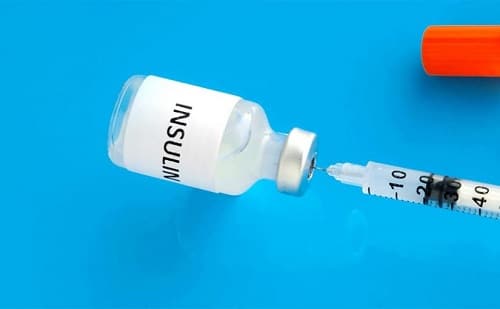
Intermediate-acting insulin is a basal, or background, insulin that works for many hours and has a noticeable peak. The main example is NPH insulin, also called isophane insulin. Understanding its onset, peak, and duration helps you plan meals, activity, glucose checks, and overnight safety with your care team.
This matters because NPH does not act like newer long-acting basal analogs. Its peak can lower glucose more strongly several hours after injection. That peak can be useful in some routines, but it also raises the need for consistent timing and careful monitoring.
Key Takeaways
- NPH is the main intermediate-acting insulin used in practice.
- Typical onset is about 1 to 4 hours after injection.
- Peak effect often occurs around 4 to 12 hours.
- Duration varies, but often extends about 12 to 18 hours.
- Do not change doses or timing without clinical guidance.
How Intermediate-Acting Insulin Works
Intermediate-acting insulin slows absorption so insulin activity lasts longer than mealtime insulin. NPH stands for Neutral Protamine Hagedorn. Protamine is added to human insulin to delay absorption from the injection site. This creates a longer curve than regular insulin, but not the flatter profile seen with many long-acting analogs.
NPH is usually described as a basal insulin because it helps cover background insulin needs between meals and overnight. However, it has a distinct peak. That means its effect is not perfectly steady across the day. Some people take it once daily, while others use morning and evening doses when prescribed. The schedule depends on the person’s insulin plan, glucose pattern, meals, and risk of low blood sugar.
Common NPH insulin examples include Humulin N, Novolin N, Novolin ge NPH, Insulatard, and Humulin I, depending on the country. Humulin I is generally considered an intermediate-acting insulin in markets where that brand name is used. Insulatard is also an intermediate-acting NPH insulin. NovoRapid is not intermediate acting; it is a rapid-acting mealtime insulin.
For product-specific NPH context, see Novolin GE NPH Vials or Humulin N KwikPen. These pages can help readers recognize formulation names, but dosing decisions still belong with a qualified clinician.
Onset, Peak, and Duration: What the Timeline Means
The timeline for intermediate-acting insulin describes when it starts working, when it works hardest, and how long some effect may continue. In many references, NPH begins working in about 1 to 4 hours. Its strongest effect often appears about 4 to 12 hours after injection. Its duration commonly lasts about 12 to 18 hours, though some sources describe wider ranges.
These numbers are useful estimates, not personal guarantees. The curve can shift with dose size, injection site, injection depth, activity, illness, and how well the cloudy suspension was mixed. Larger doses may last longer. Exercise can also change glucose needs and insulin sensitivity.
Why it matters: A peak that overlaps sleep can increase the chance of overnight hypoglycemia.
People often compare NPH with short-acting insulin and long-acting insulin. Short-acting regular insulin is mainly used around meals and has a shorter timeline than NPH. Rapid-acting insulins act even faster. Long-acting insulins, such as glargine or detemir, are designed for longer basal coverage and usually have a less pronounced peak than NPH.
For a broader comparison of basal options, see Basal Insulin Types. If your plan involves cloudy insulin, the practical discussion in Cloudy Insulin may also help explain why resuspension matters.
Names, Classification, and Where NPH Fits
NPH insulin classification is intermediate acting. It sits between short-acting mealtime insulin and long-acting basal insulin in duration. In a simple types of insulin chart, insulin categories often include rapid acting, short acting, intermediate acting, long acting, and premixed insulin.
Intermediate-acting insulin names vary by region and health system. Examples may include Humulin N, Novolin N, Novolin ge NPH, Humulin I, and Insulatard. Always check the exact label, because similar brand families can include different insulin types. A name that looks familiar may not have the same action profile.
Premixed insulin is different from using NPH alone. Many premixes combine NPH with a short-acting or rapid-acting component in a fixed ratio. This can reduce the number of injections for some people, but it also reduces flexibility because the basal and mealtime portions are tied together. For more detail, see Premixed Insulin. A common example of an NPH-containing premix is Novolin GE 30/70 Vials.
Dosing Discussions and Glucose Monitoring
NPH dosing is individualized. Clinicians consider diabetes type, weight, food patterns, kidney function, other medicines, glucose targets, and hypoglycemia history. They may also review fasting readings, pre-dinner readings, bedtime readings, or continuous glucose monitor trends.
Some dosing plans use NPH once daily. Others divide it into morning and evening doses. A morning dose may affect afternoon or evening glucose more strongly. An evening dose may affect overnight and fasting readings. Because the peak is time-linked, changing injection timing can change when lows or highs appear.
Bring several days of glucose records to dose discussions. Paired readings can be more useful than isolated numbers. For example, fasting and bedtime readings may help clarify overnight patterns. Pre-lunch and pre-dinner readings may show whether a morning dose is peaking too strongly or wearing off early.
The converter below can help when glucose values appear in different units, such as mg/dL and mmol/L. It is a unit-conversion aid only and does not interpret whether a reading is safe or in range.
Blood Glucose Unit Converter
Convert glucose readings between mg/dL and mmol/L without changing the clinical value.
These calculations are for education only and do not replace clinical advice, diagnosis, or treatment. Always confirm medical decisions with a qualified healthcare professional.
If you are reviewing a specific NPH regimen, Humulin N Insulin Dosage explains dosing concepts in a separate, product-focused context. Use it for background, not as a substitute for your prescribed plan.
Safety, Contraindications, and Side Effects
The most important safety issue with intermediate-acting insulin is hypoglycemia, or low blood sugar. Symptoms may include sweating, shaking, hunger, confusion, fast heartbeat, or unusual tiredness. Severe hypoglycemia can cause seizure, loss of consciousness, or injury. Seek urgent help for severe symptoms or if a person cannot safely swallow.
NPH insulin contraindications include use during an episode of hypoglycemia. People with known hypersensitivity to the insulin product or its ingredients also need clinical review. Because NPH contains protamine, people with previous protamine reactions should discuss this history with their prescriber.
Other possible insulin side effects include injection-site reactions, weight gain, lipodystrophy (changes in fat tissue under the skin), and low potassium in some settings. Rotating injection sites can reduce skin and tissue problems. Kidney impairment, variable appetite, alcohol use, acute illness, and changes in activity can also affect hypoglycemia risk.
Quick tip: Mark the first-use date on each insulin pen or vial.
Do not stop or adjust insulin because of side effects without medical guidance. Instead, report repeated lows, unexplained highs, injection-site changes, or nighttime symptoms. Your care team may review timing, technique, meal patterns, and other medicines.
Mixing, Devices, and Storage Basics
NPH is cloudy by design. Before use, it usually needs gentle rolling and inversion until it looks uniformly milky. Vigorous shaking can create bubbles and may affect dose accuracy. If the insulin has clumps, crystals, or does not mix evenly, follow the product instructions and ask a pharmacist or clinician before using it.
Some people are instructed to mix NPH with regular human insulin in one syringe. If this is part of your prescribed plan, the usual teaching is clear before cloudy: draw up regular insulin first, then NPH. This helps reduce contamination of the regular insulin vial. Do not mix NPH with long-acting analogs such as glargine or detemir unless a clinician and product labeling specifically support the plan.
Pen devices and vials have different handling steps. Pens are for individual use and should not be shared, even if the needle is changed. Vials require correct syringe matching and careful dose measurement. For a second NPH product comparison, see Novolin N vs Humulin N.
Unopened insulin is usually stored in a refrigerator. In-use storage rules vary by product, device, and local labeling. Check the package insert for room-temperature limits and discard dates. Avoid freezing insulin or exposing it to direct heat.
Special Situations to Review With a Clinician
Pregnancy, childhood diabetes care, kidney disease, irregular meals, and overnight lows all make NPH planning more complex. These situations do not automatically rule out intermediate-acting insulin, but they do call for closer review. The timing of peaks, snacks, activity, and glucose checks may need more structure.
Some people wake around 3 a.m. because of low glucose, high glucose, stress hormones, or other sleep-related factors. Repeated overnight symptoms should not be guessed at from one reading. A clinician may suggest targeted overnight checks or CGM review to distinguish a true low from other patterns.
Transitions between basal insulin types also need care. Moving from NPH to a long-acting insulin, or the reverse, can change fasting and pre-dinner readings. The first days after a change may reveal different peaks or gaps in coverage. Confirm transition instructions with the prescriber before changing timing or dose.
Authoritative Sources
For general insulin category and timing information, review the CDC diabetes treatment guidance. It summarizes insulin types and related diabetes care basics.
For Canadian product and prescribing documents, search the Health Canada Drug Product Database. Product monographs can provide label-specific storage, safety, and use details.
For standards on diabetes care and hypoglycemia prevention, see the ADA Standards of Care. These standards outline monitoring principles and treatment safety considerations.
Recap
Intermediate-acting insulin is mainly represented by NPH insulin. It provides basal coverage, but its defined peak makes timing important. Knowing the expected onset, peak, and duration can help you prepare better questions for your care team.
Use product names carefully, because insulin families can include rapid, short, intermediate, long-acting, and premixed options. Track readings, note symptoms, and ask for clinical review if patterns change or lows occur repeatedly.
This content is for informational purposes only and is not a substitute for professional medical advice.