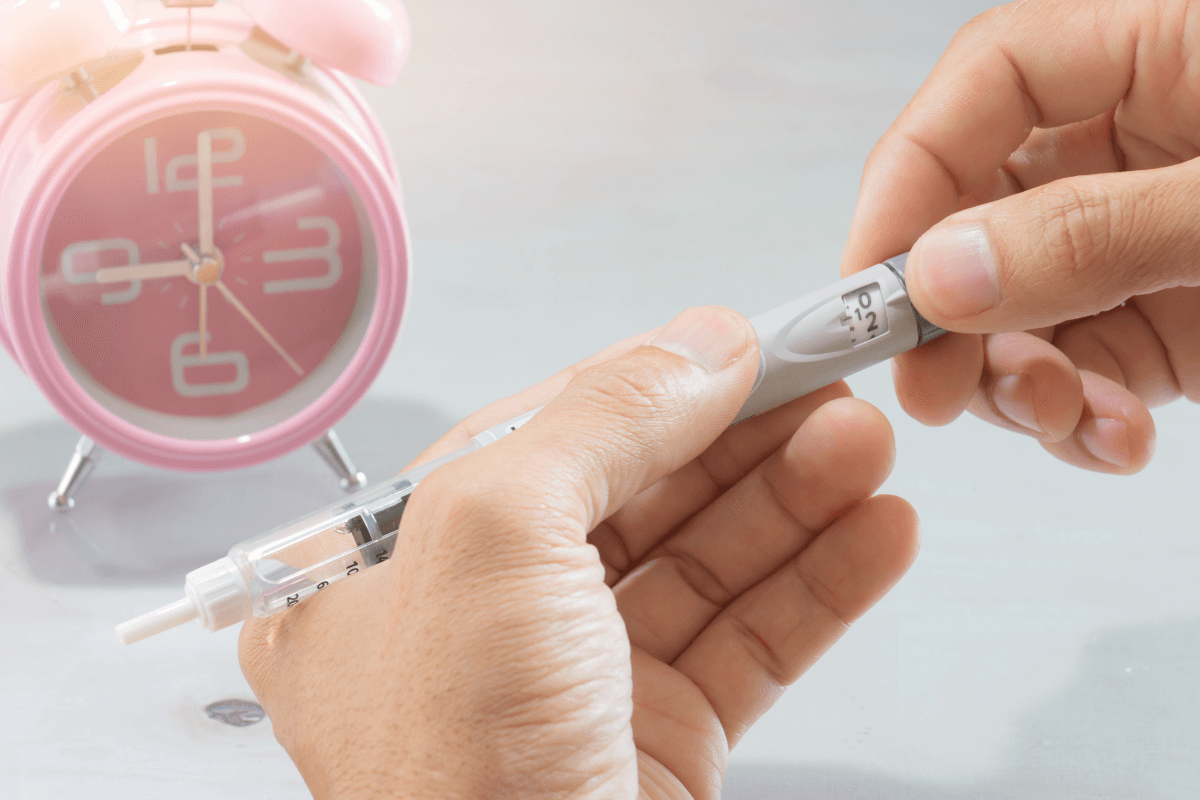
Getting basal insulin right takes planning and consistency. This guide explains Toujeo dosage in clear steps, including starting approaches, titration (gradual dose adjustment), timing, and switching considerations. You will also learn safety limits, pen capacities, and what to monitor day to day.
Key Takeaways
- Start low, titrate gradually, and adjust based on fasting trends.
- Use once daily at the same time; keep schedules consistent.
- Switches between glargine formulations need careful monitoring.
- Know pen limits and hypoglycemia (low blood sugar) precautions.
- Document doses, meals, and readings to guide safe changes.
Toujeo dosage: Safe Starting and Titration Basics
Toujeo (insulin glargine U-300) is a long-acting basal insulin with a flatter profile than U-100 glargine. Many adults begin with a conservative baseline, then increase slowly to reach fasting targets. A pragmatic approach is to focus on fasting glucose trends over several days, not single readings. This reduces over-correction and helps prevent hypoglycemia.
Most clinicians adjust in small steps every few days, using pattern recognition rather than day-to-day swings. For mechanism and background context, see What Is Toujeo for how glargine U‑300 releases steadily across the day. Toujeo should not be mixed with other insulins and is for subcutaneous use only. Keep a written log or digital record to support safe, incremental changes.
Onset, Duration, and Profile
Many people ask how long does it take for toujeo to work, because they expect rapid changes after the first dose. Toujeo begins lowering glucose several hours after injection and usually reaches steady state after several days. Its flatter, prolonged action can reduce nocturnal dips, but still requires consistent timing and monitoring.
Pharmacokinetics (how the drug moves in the body) are relatively peakless, with a duration beyond 24 hours. For clinically reviewed details, the prescribing information outlines onset, steady state, and dose considerations. For comparison context on U‑100 glargine characteristics, see Lantus Onset and Duration, which helps frame practical differences in timing.
Dosing Frequency
Most adults use Toujeo once daily. A single consistent injection supports predictable basal coverage and simpler self-management. Clinicians may occasionally individualize timing for shift work or variable routines, but the plan should remain consistent day to day. Clear instructions and documentation reduce missed or duplicate doses.
When reviewing schedules and routines, align the plan with meal timing, sleep, and monitoring habits. This supports adherence and helps evaluate patterns accurately. For a broader overview of scheduling frameworks with different basal options, see Basal Insulin Types to understand how formulations compare in daily practice. In clinical language, toujeo dosing frequency is typically once daily.
Best Time to Take It
Consistency matters more than the clock. Choose a predictable time that you can repeat every day. Many people align the dose with a stable daily anchor, like bedtime or the same morning routine. This habit reduces forgotten doses and improves data quality for safe titration.
Basal insulin is not meal-dependent, so you do not need to match injections with food. However, pairing injections with a stable routine can support adherence and reduce variability in fasting readings. People often search for best time to take toujeo; in practice, a reliably repeatable time is preferred. If routines change, discuss the plan before shifting schedules.
Starting Dose and Titration Examples
Starting safely is essential. A typical framework begins with a modest base and adjusts using fasting glucose patterns. Review three or more consecutive days before making a small change. Increase gradually if fasting remains above the agreed range, and hold or reduce for lows or variability. Patience helps avoid chasing single outliers.
Many plans use 2–4 unit increments during titration (when medically appropriate), balancing progress with safety. Always pair dose changes with steady monitoring and lifestyle notes. The phrase toujeo starting dose refers to an individualized baseline, considering body weight, prior insulin exposure, hypoglycemia risk, and comorbidities. For U‑100 glargine dosing context that may inform comparisons, see Correct Lantus Dosage when evaluating historical doses and expectations.
Switching Between Glargine Formulations
Changing between U‑100 glargine and U‑300 glargine requires caution. Initial conversions often begin at similar unit totals, then titrate based on fasting data. After switching, glucose may drift for several days until steady state returns. Monitor carefully and adjust in measured steps rather than large, rapid changes.
Online tools can estimate changes, but clinical oversight is essential. If using a lantus to toujeo conversion calculator, treat results as a starting estimate, not a final answer. For comparative context on long-acting choices, see Degludec vs. Glargine to understand profile differences that influence switching. The FDA-approved label notes patients may require dose adjustments after transitions.
Safety, Overdose, and Hypoglycemia
Preventing lows is the top safety priority. Understand symptoms of hypoglycemia, carry rapid carbohydrates, and keep a plan for assistance. Avoid stacking basal doses or “catching up” missed injections. Confirm reading accuracy before reacting to unexpected highs or lows, and review potential confounders like delayed meals or intense exercise.
People sometimes ask how much toujeo is too much when correcting highs. Correction with basal insulin is risky because its action is slow and prolonged. Consider non-insulin contributors to hyperglycemia, confirm meter accuracy, and seek professional guidance before large changes. For day-to-day precautions and common reactions, see Toujeo Side Effects for practical safety context.
Maximum Dose, Pens, and Limits
There is no single universal cap for basal insulin needs; doses reflect individual insulin resistance and clinical goals. Practical limits follow pen delivery capacities and hypoglycemia risk. Toujeo SoloStar delivers up to 80 units per injection, while Toujeo Max (Doublestar) can deliver larger doses per click. Know your device’s increments before adjusting.
The term toujeo maximum daily dose usually refers to safe, individualized needs rather than a label-defined ceiling. For device capacity details, see the Toujeo Doublestar Pen page, which explains higher delivery per injection. Manufacturer and regulatory sources provide device limits and safe-use instructions; consult the FDA label for official specifications and safety warnings.
Practical Timing Notes
Consistency prevents data confusion. Connect the dose to a stable anchor, avoid frequent hour-to-hour shifts, and document changes. If routines vary, agree on a new schedule before moving the dose window. This supports safer titration and clearer interpretation of fasting trends across the week.
If you need to compare experiences with other basal options, browse Insulin Glargine Uses to understand broader clinical roles. For patients transitioning from cartridges to pens or vice versa, Lantus Cartridges information can help frame device differences while discussing glargine history and expectations.
Common Patient Questions on Action Profile
Toujeo’s steady effect leads to fewer noticeable peaks, but minor day-to-day variation still happens. Sleep, stress, illness, and late meals can influence fasting values. Evaluate patterns across several days, not single readings. This approach avoids overreacting to one-off lows or highs caused by temporary factors.
People want to understand toujeo peak time and how it differs from other basals. The profile is relatively peakless, which can help overnight stability. If you need more background on basal mechanics, see Basal Insulin Types for definitions and clinical comparisons. Always consider meter accuracy and timing of meals when interpreting fasting trends after dose changes.
Injection Technique and Devices
Correct technique improves predictability. Rotate sites across the abdomen, thighs, or upper arms to avoid lipohypertrophy (thickened fat). Inject into subcutaneous tissue, not muscle. Keep needles fresh, use proper angle and dwell time, and avoid reusing pen needles to maintain dose accuracy and reduce irritation.
Device features matter for higher-dose needs. Toujeo Doublestar allows larger per-injection delivery, which can reduce splitting doses for capacity rather than clinical reasons. For step-by-step placement and rotation guidance, see Best Injection Sites for visuals and tips. If you are exploring insulin alternatives with different profiles, Insulin Alternatives Guide offers context to discuss options with a clinician.
Recap
Safe basal use depends on consistent timing, small titration steps, and careful monitoring. Align the plan with your routine, track fasting trends, and avoid fast, large changes. Revisit goals periodically and use device capacities wisely. When switching formulations, monitor closely and adjust in measured, data-driven steps.
Note: For official dosing, safety, and device details, consult the FDA-approved Toujeo label and evidence-based guidelines such as the ADA Standards of Care.
This content is for informational purposes only and is not a substitute for professional medical advice.