
Please note: a valid prescription is required for all prescription medication.
Bystolic
Buy Bystolic Online


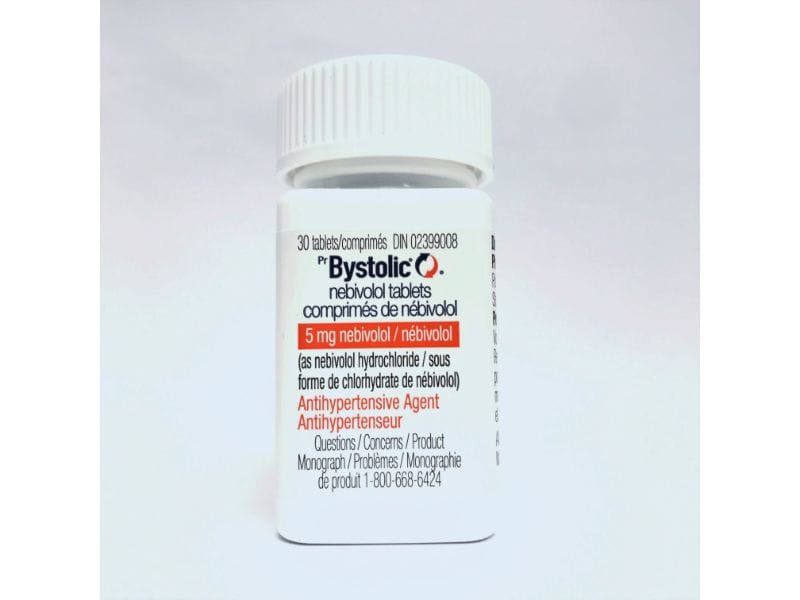
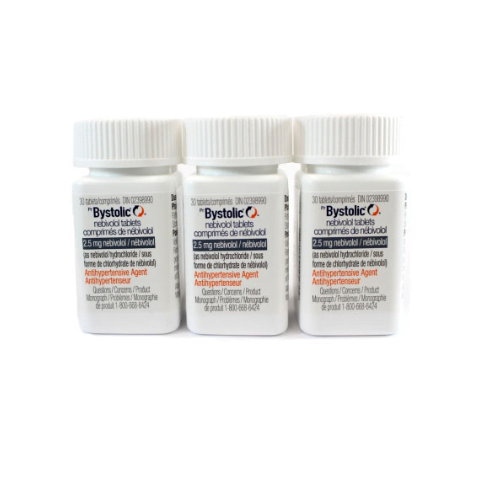
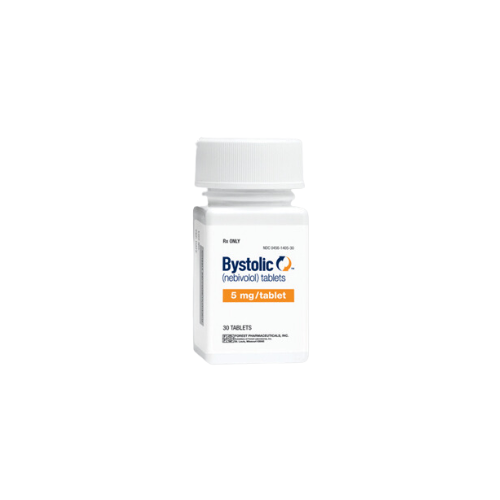
Bystolic is a brand-name nebivolol medication used for adult high blood pressure. You can buy Bystolic online, view the current Bystolic price, and choose the strength and quantity that match the directions from your clinician. Bystolic tablets should be used exactly as directed because nebivolol affects heart rate, blood pressure, and circulation.
Nebivolol belongs to a medicine class called beta blockers. These medicines reduce certain effects of stress hormones on the heart and blood vessels, which can help lower blood pressure as part of a broader treatment plan. When arranging US delivery from Canada, match the active ingredient, strength, and tablet count carefully before submitting your order.
Bystolic Price, Strength, and Quantity Choices
The Bystolic price depends on the strength, quantity, and whether the item shown is brand-name Bystolic or a nebivolol generic. A meaningful Bystolic cost comparison uses the same tablet strength and total tablet count. Comparing only the medicine name can be misleading if one cart contains a different strength or a different number of tablets.
Common customer searches include Bystolic 5 mg and Bystolic 10 mg, but your order should follow the strength written in your treatment directions. Do not choose a higher or lower strength because it appears more convenient or changes the total. Tablet strength is not the same as the total daily amount a person may be instructed to take.
| Item to Match | What to Look For |
|---|---|
| Active ingredient | Bystolic contains nebivolol. |
| Tablet strength | Choose the mg strength that matches the clinician-directed plan. |
| Quantity | Use the tablet count needed for the intended supply period. |
| Brand or generic | Brand Bystolic and generic nebivolol may appear as separate choices. |
| Total at checkout | Review the final cash-pay amount for the exact strength and quantity. |
Quick tip: Compare the same strength and tablet count before judging the cash-pay total.
How to Order Bystolic Online
Start by choosing Bystolic or nebivolol tablets that match the name, strength, and quantity in your treatment plan. Review the active ingredient before continuing, especially if both brand and generic choices are shown. Keep your medication records available so the medicine selected online matches what your healthcare professional intended.
The order process is most reliable when each medicine detail is reviewed before submission. Nebivolol should not be confused with other cardiovascular medicines, even when they are used for similar conditions. Beta blockers, calcium channel blockers, ACE inhibitors, ARBs, and diuretics can have different dosing rules, monitoring needs, and precautions.
- Choose the medicine name and active ingredient.
- Match the tablet strength to your directions.
- Confirm the quantity before checkout.
- Review the final product name, strength, and total.
- Keep your clinician’s instructions available for reference.
The Cardiovascular collection can help you browse related heart and blood pressure categories when your clinician has discussed more than one therapy. The medicine you order should remain tied to the treatment plan you were given.
Brand Bystolic and Generic Nebivolol
Bystolic is the brand name for nebivolol. Generic nebivolol may be available as a separate tablet choice, but it should be treated as its own order selection. Packaging, manufacturer, and appearance can differ even when the active ingredient is the same.
If your clinician has specified brand Bystolic, choose the brand medicine. If substitution is allowed in your care plan, generic nebivolol may be considered under professional guidance. Country-specific brand and generic naming can differ, so the safest practical check is the active ingredient, strength, form, and label instructions shown for the medicine you receive.
Generic status can also affect Bystolic cost without insurance. The lower cash-pay total is not automatically the right choice if the strength, brand instruction, or tablet count does not match your care plan. Ask a healthcare professional if you are unsure whether brand Bystolic and generic nebivolol are appropriate to compare for your situation.
What Bystolic Treats
Bystolic is used to treat hypertension, which means high blood pressure, in adults. Lowering blood pressure can reduce the risk of serious cardiovascular events such as stroke and heart attack when treatment is part of a clinician-directed plan. Blood pressure care may also include diet changes, exercise, reduced sodium intake, weight management, and treatment of other health conditions.
Nebivolol is beta-1 selective at usual doses and has vasodilating effects related to nitric oxide. Vasodilation means widening of blood vessels. These properties help explain why Bystolic is discussed differently from some older beta blockers, but they do not make it interchangeable with every other medicine in the class.
The Hypertension category can help you see blood pressure medicines by condition. For broader reading about heart and circulation topics, the Cardiovascular articles section may be useful alongside advice from your healthcare team.
Dosing Schedule and Daily Use Questions
Bystolic is usually taken on a regular schedule set by a clinician. The right timing depends on the person’s blood pressure pattern, other medicines, side effects, and daily routine. Some people ask whether Bystolic should be taken at night, but timing should follow the instructions provided for that individual treatment plan.
Take the tablet consistently in the way you were instructed. If dizziness, tiredness, or lightheadedness becomes a problem after starting therapy or after a strength change, contact a healthcare professional rather than changing timing on your own. Blood pressure medicines often need follow-up because the first few days may not show the full pattern of response.
Do not stop Bystolic suddenly unless a clinician gives specific instructions. Abrupt beta blocker withdrawal can worsen chest pain or increase cardiac risk in some people, particularly those with coronary artery disease. If treatment needs to change, a clinician can provide a tapering plan and monitoring steps.
Storage, Handling, and Travel
Bystolic tablets are generally stored at room temperature as directed on the label. Keep them away from excess heat, moisture, and direct light. Tablets should remain in their labeled container unless a pharmacist provides other packaging instructions.
For travel, keep Bystolic with its label so the medicine, strength, and directions can be identified. Do not mix different strengths in one unmarked container, because that can create dosing confusion. Plan refills early enough to avoid gaps during travel or schedule changes.
Do not use tablets that are damaged, discolored, or past the labeled expiration date. If the package or tablet description seems inconsistent with the medicine you intended to order, contact support before taking the tablets. Safe handling is especially important for cardiovascular medicines because mistakes can affect heart rate and blood pressure.
Side Effects, Warnings, and When to Get Help
Common Bystolic side effects can include headache, tiredness, dizziness, nausea, diarrhea, and a slower heart rate. Some people feel lightheaded when standing, especially when starting treatment or when taking other blood pressure medicines. These effects should be discussed with a healthcare professional if they persist, worsen, or interfere with daily activities.
Serious symptoms need prompt medical attention. Seek urgent help for fainting, chest pain, trouble breathing, swelling of the face or throat, very slow heartbeat, severe dizziness, or signs of worsening heart failure such as new swelling, sudden weight gain, or shortness of breath. Allergic reactions are uncommon but can be dangerous.
Bystolic may not be appropriate for people with certain heart rhythm problems, cardiogenic shock, decompensated heart failure, severe liver impairment, or a prior serious reaction to nebivolol. People with diabetes, thyroid disease, breathing disorders, kidney disease, liver disease, circulation problems, or a history of severe allergies should make sure these conditions are considered before treatment continues.
Why it matters: Beta blockers can change pulse, blood pressure, and symptoms that signal other medical problems.
Interactions, Monitoring, and What to Avoid
Several medicines can interact with nebivolol or add to its heart-rate-lowering effect. Examples include other beta blockers, certain calcium channel blockers such as verapamil or diltiazem, digoxin, clonidine, and some medicines that affect the CYP2D6 enzyme. Fluoxetine, paroxetine, quinidine, and propafenone are examples of CYP2D6-related medicines discussed in labeling.
This is not a complete interaction list. Share an updated medication list with your healthcare professional, including over-the-counter cold products, stimulants, supplements, and herbal products. Some non-prescription products can raise blood pressure or interfere with cardiovascular treatment.
Monitoring often includes blood pressure and pulse checks. A clinician may also review dizziness, fatigue, swelling, breathing changes, exercise tolerance, blood sugar patterns, kidney function, liver function, or other heart medicines. If you measure blood pressure at home, bring readings to appointments when asked.
Avoid driving or activities requiring alertness until you know how Bystolic affects you, especially after starting therapy or after a strength change. Alcohol may increase dizziness or lightheadedness in some people. Because nebivolol can mask a fast heartbeat, people with diabetes should watch for other signs of low blood sugar as directed by their clinician.
How Bystolic Compares With Other Beta Blockers
Bystolic is one beta blocker choice, not a direct substitute for every medicine in the class. Nebivolol has beta-1 selectivity at usual doses and vasodilating activity related to nitric oxide. Other beta blockers may affect heart rate, blood pressure, blood vessels, or other receptors differently.
Common comparisons include Bystolic versus metoprolol, carvedilol, or propranolol. Those medicines have different approved uses, dosing patterns, contraindications, and interaction concerns. A clinician may choose among them based on heart rate, other heart conditions, breathing history, diabetes status, kidney function, side effects, and treatment goals.
Do not switch from Bystolic to another beta blocker unless a clinician changes the plan. Even when two medicines treat high blood pressure, the dose is not usually converted tablet-for-tablet. Monitoring may be needed during any change because pulse, blood pressure, and symptoms can shift.
Authoritative Sources
The following sources support key medical points about nebivolol, including its labeled use, precautions, adverse effects, and patient safety considerations. Use them alongside the instructions from your clinician or pharmacist.
- Official prescribing information: Bystolic label.
- Patient medicine information: Mayo Clinic nebivolol information.
- Clinical review article: Nebivolol review in hypertension.
This content is for informational purposes only and is not a substitute for professional medical advice.
Blood Pressure Average Calculator
Average home blood pressure readings and show a simple screening range.
Average BP
-
entered readings only
Range
-
screening category
These calculations are for education only and do not replace clinical advice, diagnosis, or treatment. Always confirm medical decisions with a qualified healthcare professional.
Mean Arterial Pressure Calculator
Calculate estimated mean arterial pressure from systolic and diastolic blood pressure.
MAP
-
DBP + one-third pulse pressure
These calculations are for education only and do not replace clinical advice, diagnosis, or treatment. Always confirm medical decisions with a qualified healthcare professional.
Pulse Pressure Calculator
Calculate pulse pressure from systolic and diastolic blood pressure.
Pulse pressure
-
SBP - DBP
These calculations are for education only and do not replace clinical advice, diagnosis, or treatment. Always confirm medical decisions with a qualified healthcare professional.
Target Heart Rate Calculator
Estimate exercise heart-rate zones using age, resting heart rate, and the Karvonen method.
Max HR estimate
-
220 - age
Target zone
-
Karvonen method
These calculations are for education only and do not replace clinical advice, diagnosis, or treatment. Always confirm medical decisions with a qualified healthcare professional.
Express Shipping - from $29.99
Shipping with this method takes 3-5 days
Prices:
- Dry-Packed Products $29.99
- Cold-Packed Products $39.99
Standard Shipping - $19.99
Shipping with this method takes 5-10 days
Prices:
- Dry-Packed Products $19.99
- Not available for Cold-Packed products
What is Bystolic used for?
Bystolic is used to treat high blood pressure in adults. Its active ingredient is nebivolol, a beta blocker that can lower blood pressure and heart rate as part of a clinician-directed treatment plan.
What are common Bystolic side effects?
Common side effects can include headache, tiredness, dizziness, nausea, diarrhea, and a slower heart rate. Seek urgent help for fainting, chest pain, trouble breathing, severe dizziness, facial or throat swelling, or symptoms of worsening heart failure.
Why is Bystolic different from some other beta blockers?
Nebivolol is beta-1 selective at usual doses and also has blood-vessel-widening effects related to nitric oxide. Those differences do not make it interchangeable with other beta blockers, so any switch should be directed by a clinician.
Should Bystolic be taken at night?
Timing should follow the directions given for your treatment plan. Some people take blood pressure medicines at a specific time because of side effects, blood pressure patterns, or other medicines, but timing should not be changed without professional guidance.
What should I avoid while taking Bystolic?
Avoid driving or hazardous activities until you know how Bystolic affects you. Alcohol may worsen dizziness. Ask a healthcare professional before using cold medicines, stimulants, supplements, or other products that may affect blood pressure or heart rate.
Is generic Bystolic the same as nebivolol?
Bystolic is the brand name for nebivolol. Generic nebivolol may be available separately and can differ in manufacturer, packaging, and appearance. Use the brand or generic choice that matches your clinician’s instructions.
Rewards Program
Earn points on birthdays, product orders, reviews, friend referrals, and more! Enjoy your medication at unparalleled discounts while reaping rewards for every step you take with us.
You can read more about rewards here.
POINT VALUE
How to earn points
- 1Create an account and start earning.
- 2Earn points every time you shop or perform certain actions.
- 3Redeem points for exclusive discounts.
You Might Also Like
Select options
This product has multiple variants. The options may be chosen on the product page
Select options
This product has multiple variants. The options may be chosen on the product page
Select options
This product has multiple variants. The options may be chosen on the product page
Select options
This product has multiple variants. The options may be chosen on the product page