
Please note: a valid prescription is required for all prescription medication.
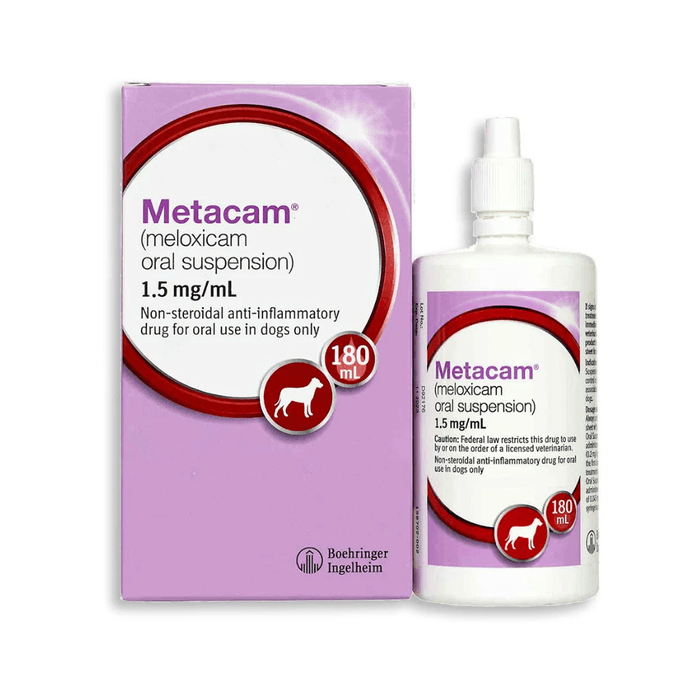
Metacam Oral Suspension for Dogs
Buy Metacam Oral Suspension for Dogs Online


Metacam Oral Suspension for Dogs is a meloxicam oral suspension used in veterinary medicine to help control pain and inflammation in dogs. It can be bought online, with current pricing shown during ordering, so you can choose the available strength and quantity that match your dog’s veterinary directions. The medicine is for canine use, and measuring instructions should come from the treating veterinarian.
Metacam is an NSAID, or nonsteroidal anti-inflammatory drug. It is not an antibiotic and it is not an opioid; it works on inflammation-related pain when an NSAID is appropriate for the dog. Products are supplied through licensed pharmacy channels, and US delivery from Canada may be available as part of the ordering service.
Metacam Oral Suspension for Dogs Price and Strength Selection
The Metacam Oral Suspension for Dogs price depends on the bottle size, strength, quantity, and any cash-pay choice shown during ordering. For a liquid medication, the total number of milliliters matters, but it does not tell you how long one bottle will last. Duration depends on the dog’s weight, the veterinarian’s directions, and whether treatment is short-term or ongoing.
Strength wording such as 1.5 mg/mL describes concentration, meaning the amount of meloxicam in each milliliter of liquid. It is not the same thing as a dose for every dog. If more than one strength or bottle size is offered, choose the exact concentration and quantity that match the current veterinary plan.
- Active ingredient: Metacam contains meloxicam.
- Form: The medicine is an oral suspension for dogs.
- Strength: Match the mg/mL concentration to veterinary directions.
- Quantity: Review the number of bottles before checkout.
- Cash-pay context: Paying without insurance can change the out-of-pocket total.
Quick tip: Keep the clinic instructions beside you while choosing the strength and quantity.
Do not treat bottle size as a substitute for dosing instructions. A larger bottle may be more practical for some dogs, but it can still be the wrong choice if the concentration or measuring method does not match the directions you were given. If the label, measuring device, or written instructions do not line up, ask the veterinary clinic before giving a dose.
How to Order Metacam for Dogs Online
To order Metacam for dogs online, start with the oral suspension and choose the strength and quantity displayed during checkout. Enter the dog’s information carefully, including the name used in the veterinary record. Accurate information helps the order match the intended canine patient and reduces avoidable delays.
Review the product name, active ingredient, concentration, and total quantity before completing the purchase. Metacam oral solution for dogs and meloxicam oral suspension for dogs may be discussed together because meloxicam is the active ingredient, but brand, concentration, country labeling, and measuring tools can differ. The safest choice is the one that matches the veterinary directions for your dog.
- Choose the oral suspension form for dogs.
- Match the strength to the clinic directions.
- Review bottle size and total quantity.
- Enter the dog’s information consistently.
- Keep order records with the dog’s health notes.
Shipping and handling information appears during checkout. For this liquid medicine, inspect the package when it arrives, make sure the label matches the medicine you ordered, and store the bottle according to the carton or bottle instructions. If packaging is damaged or the liquid looks unusual, contact the pharmacy or veterinary clinic before use.
What Metacam Oral Suspension Is Used For in Dogs
Metacam Oral Suspension is indicated for control of pain and inflammation associated with osteoarthritis in dogs, according to official labeling. Osteoarthritis is a chronic joint disease that can cause stiffness, reduced mobility, lameness, or difficulty rising after rest. Meloxicam may help reduce inflammation-related discomfort when the veterinarian considers an NSAID suitable.
Metacam pain relief for dogs should be viewed as part of a broader mobility plan, not as a cure for arthritis. Weight management, controlled activity, joint-friendly exercise, rehabilitation, environmental changes, and follow-up examinations may also be recommended. Dogs with arthritis often need periodic reassessment because pain, mobility, organ function, and medication tolerance can change over time.
For condition-based browsing, the Canine Osteoarthritis section provides related context for arthritic joint pain. Dogs with broader injury-related or mobility concerns may also fit the Canine Musculoskeletal Pain category. These sections can help organize product research, but the final treatment choice should remain tied to the dog’s clinical evaluation.
Metacam is not an antibiotic. Antibiotics treat bacterial infections, while NSAIDs reduce inflammation and pain signals associated with inflammatory conditions. If a dog has fever, infection, injury, sudden lameness, or worsening pain, the veterinary team should determine whether an NSAID, another medicine, diagnostics, or urgent care is needed.
Active Ingredient, Measuring, and Use Basics
Metacam contains meloxicam, a veterinary NSAID. NSAIDs act by reducing prostaglandin production, which can lower inflammation and pain but may also affect the stomach, kidneys, liver, and blood clotting in susceptible animals. That benefit-risk balance is why correct dog selection and monitoring matter.
The oral suspension is given by mouth using the measuring method directed for the specific product and dog. Do not estimate a dose with a kitchen spoon. Liquid medicines require careful measurement, and small errors can be more important in small dogs or dogs receiving long-term therapy.
- Before use: Read the bottle label and clinic directions together.
- Measuring: Use the supplied or directed measuring device.
- Food: Follow the veterinary instructions about giving with food.
- Missed dose: Ask the clinic what to do if a dose is missed or spilled.
- Species safety: Do not use dog-labeled medicine in cats unless specifically directed.
Why it matters: Concentration and measuring accuracy directly affect how much meloxicam a dog receives.
Repeated use of meloxicam in cats has been associated with serious kidney problems, and dog products should be kept separate from cat medicines. Store each pet’s medication in its original labeled container. If more than one animal in the home receives medication, separate storage can help prevent accidental mix-ups.
Storage, Handling, and Delivery Basics
Store Metacam Oral Suspension as directed on the product label. Many oral veterinary liquids are kept at controlled room temperature, but the carton and bottle instructions should be followed for the exact product you receive. Keep the cap tightly closed, protect the bottle from children and pets, and avoid transferring the liquid into an unmarked container.
Shake-before-use instructions may apply to oral suspensions. If the label tells you to shake the bottle, do so before measuring. Do not use the medicine past the expiration date, and do not use it if the cap seal appears compromised, the bottle leaks, or the liquid has an unexpected appearance.
For travel, pack the bottle upright with the measuring device and the dog’s directions. Avoid leaving it in a hot vehicle or direct sunlight. If the dog boards, visits a sitter, or stays with another caregiver, send the original container and written instructions rather than a pre-poured amount.
Delivery details vary by destination and order contents, and checkout may show service information such as prompt, express, cold-chain shipping when relevant. Once the medicine arrives, compare the label to the intended dog medicine and put it into proper storage right away.
Side Effects, Warnings, and When to Contact a Veterinarian
Metacam side effects can involve the stomach and intestines, kidneys, liver, skin, appetite, behavior, or energy level. Some dogs tolerate NSAIDs well, while others develop problems early or after a period of treatment. Owners should watch closely during the first days of therapy and continue monitoring during ongoing use.
Possible warning signs include vomiting, diarrhea, reduced appetite, black or bloody stool, increased thirst, increased urination, yellowing of the gums or eyes, lethargy, weakness, behavior change, skin irritation, or sudden worsening of the dog’s condition. Black stool, bloody stool, repeated vomiting, collapse, severe weakness, or signs of pain can require urgent veterinary attention.
| Possible sign | Why it matters |
|---|---|
| Vomiting or diarrhea | May indicate stomach or intestinal irritation. |
| Black or bloody stool | Can be a sign of gastrointestinal bleeding. |
| Loss of appetite | May occur with stomach, liver, or kidney problems. |
| Increased thirst or urination | Can be linked with kidney effects. |
| Lethargy or behavior change | May show the dog is not tolerating treatment. |
Stop rules should come from the veterinary team. If concerning signs occur, contact a veterinarian promptly and follow their instructions. Do not restart, double, or change the dose based on online information or another dog’s treatment plan.
Interactions, Contraindications, and Monitoring
Tell the veterinarian about every medicine, supplement, and over-the-counter product the dog receives. Meloxicam should generally not be combined with other NSAIDs such as carprofen, deracoxib, firocoxib, robenacoxib, aspirin, ibuprofen, or naproxen unless a veterinarian gives specific instructions. Human NSAIDs can be dangerous for dogs and should not be used to cover a missed veterinary dose.
Corticosteroids such as prednisone can raise the risk of stomach and intestinal adverse effects when used with NSAIDs. Other medicines may also affect kidney function, hydration, bleeding risk, or liver values. A washout period may be needed when changing from one anti-inflammatory medicine to another, and the timing should come from the veterinary clinic.
Dogs with kidney disease, liver disease, heart disease, dehydration, stomach ulcers, bleeding disorders, poor appetite, vomiting, diarrhea, pregnancy, nursing, or a previous NSAID reaction need careful evaluation before NSAID use. Older dogs and dogs on long-term therapy may need bloodwork before starting and during treatment. Monitoring helps assess kidney and liver values and can catch problems before they become severe.
- Medicine history: Include pain relievers, steroids, supplements, and human medicines.
- Health history: Mention kidney, liver, heart, stomach, or bleeding concerns.
- Hydration: Report vomiting, diarrhea, or poor water intake.
- Monitoring: Ask when bloodwork or follow-up is recommended.
- Emergency signs: Know which symptoms require an immediate clinic call.
Never give Metacam with another pet’s medication without veterinary guidance. Dogs vary in body weight, health status, organ function, and medication tolerance. A product that is appropriate for one dog may be unsafe for another.
Comparing Metacam With Related Pet Care Choices
Metacam may be one part of a canine pain-management plan. Other options can include a different NSAID, a non-NSAID pain medicine, joint supplements, weight reduction, physical rehabilitation, controlled exercise, or surgery in select cases. The right approach depends on diagnosis, age, other medicines, bloodwork, prior response, and the dog’s comfort goals.
When comparing Metacam for dogs cost with another medication, look beyond bottle price. Strength, dose volume, monitoring needs, refill timing, and how easily the dog accepts the liquid can all affect practical use. A lower upfront cost may not be the best comparison if the bottle size, concentration, or treatment duration differs.
Browse the Pet Medications category for related veterinary medicines and forms. Category browsing is useful for recognizing names and formulations, but product changes should be discussed with the veterinary team, especially when switching between NSAIDs or combining medicines.
If your dog has ongoing arthritis pain, ask the clinic what improvement should look like and when to reassess. Some dogs show better comfort or movement after inflammation decreases, while others need adjustments or additional support. Worsening lameness, new neurologic signs, inability to rise, or sudden severe pain should not be managed by changing the medication at home.
Authoritative Sources
These sources support key labeling and safety statements for meloxicam oral suspension in dogs.
- Official prescribing information: DailyMed label for Metacam.
- Manufacturer product information: Boehringer Ingelheim Metacam Oral.
This content is for informational purposes only and is not a substitute for professional medical advice.
Research & Education Tool
Metacam Oral Suspension for Dogs Dosage Calculator
Enter the vial amount, diluent volume, and target amount to estimate concentration, draw volume on a 1 mL U-100 syringe, and approximate vial yield.
For research and educational use only. Check all values against the product label, certificate of analysis, and any applicable professional guidance before relying on the result.
mg
Concentration
-
mcg / mL
Volume per Dose
-
-
Estimated Draws / Vial
-
rounded down to whole draws
Draw Reference
Enter values to estimate the syringe mark.
0
-
-
-
-
Express Shipping - from $29.99
Shipping with this method takes 3-5 days
Prices:
- Dry-Packed Products $29.99
- Cold-Packed Products $39.99
Standard Shipping - $19.99
Shipping with this method takes 5-10 days
Prices:
- Dry-Packed Products $19.99
- Not available for Cold-Packed products
What is Metacam Oral Suspension used for in dogs?
Metacam Oral Suspension is used to control pain and inflammation associated with osteoarthritis in dogs. It contains meloxicam, an NSAID that helps reduce inflammation-related discomfort when the veterinarian considers it suitable.
Is Metacam a painkiller or an antibiotic?
Metacam is a pain-relieving anti-inflammatory medicine, not an antibiotic. Antibiotics treat bacterial infections, while Metacam contains meloxicam, an NSAID used for inflammation-related pain in dogs.
What are possible Metacam side effects in dogs?
Possible side effects include vomiting, diarrhea, reduced appetite, black or bloody stool, increased thirst or urination, lethargy, behavior changes, and signs linked with kidney, liver, or stomach problems. Contact a veterinarian promptly if concerning signs appear.
Can Metacam be given with other pain medicines?
Metacam should generally not be combined with other NSAIDs, aspirin, ibuprofen, naproxen, or corticosteroids such as prednisone unless a veterinarian gives specific instructions. Combining anti-inflammatory medicines can increase the risk of serious adverse effects.
How should Metacam Oral Suspension for Dogs be stored?
Store the bottle according to the label, keep the cap tightly closed, and protect it from children and pets. Keep the medicine in its original container with the measuring device and do not use it after the expiration date.
Rewards Program
Earn points on birthdays, product orders, reviews, friend referrals, and more! Enjoy your medication at unparalleled discounts while reaping rewards for every step you take with us.
You can read more about rewards here.
POINT VALUE
How to earn points
- 1Create an account and start earning.
- 2Earn points every time you shop or perform certain actions.
- 3Redeem points for exclusive discounts.
You Might Also Like
Select options
This product has multiple variants. The options may be chosen on the product page
Select options
This product has multiple variants. The options may be chosen on the product page
Select options
This product has multiple variants. The options may be chosen on the product page
Select options
This product has multiple variants. The options may be chosen on the product page