
Please note: a valid prescription is required for all prescription medication.
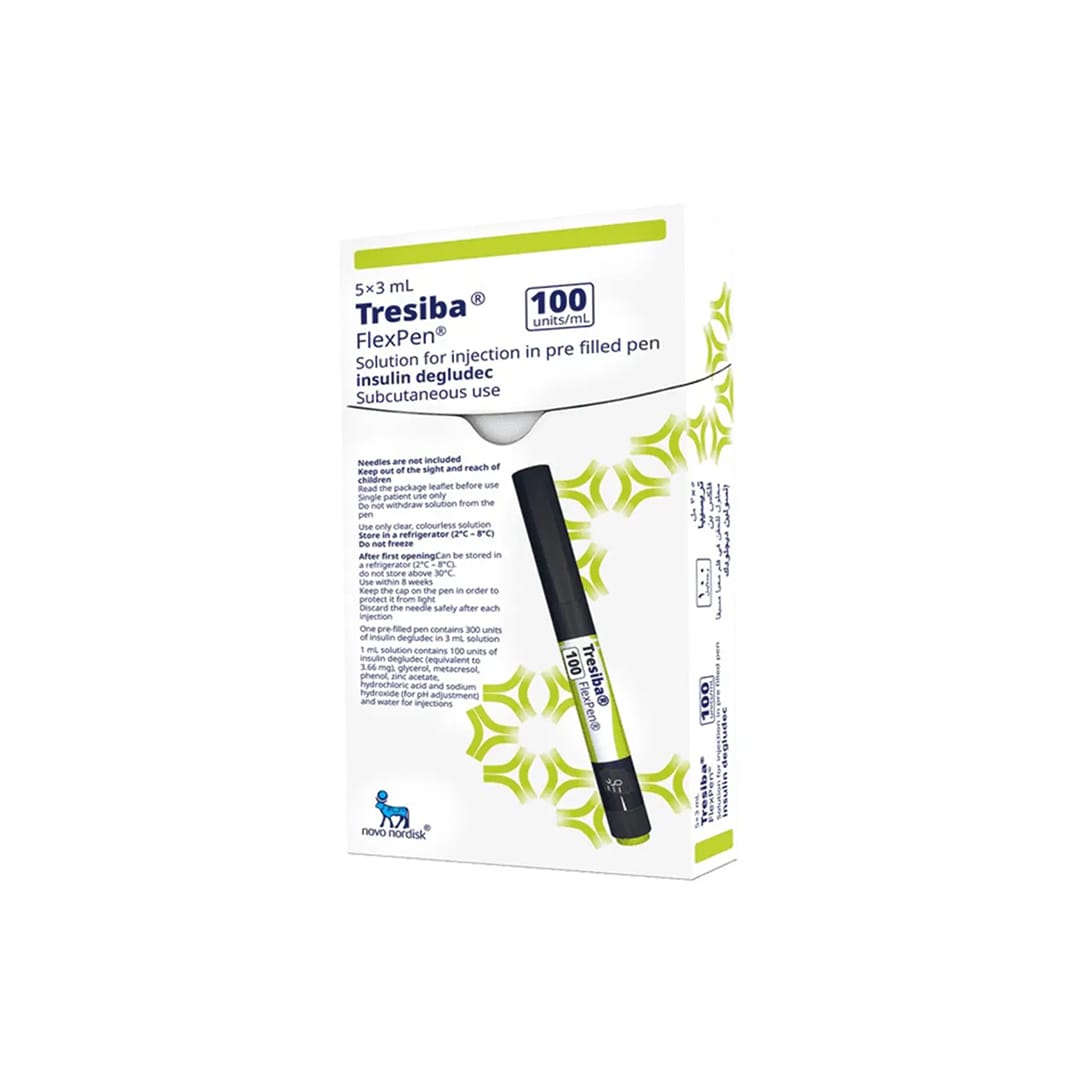
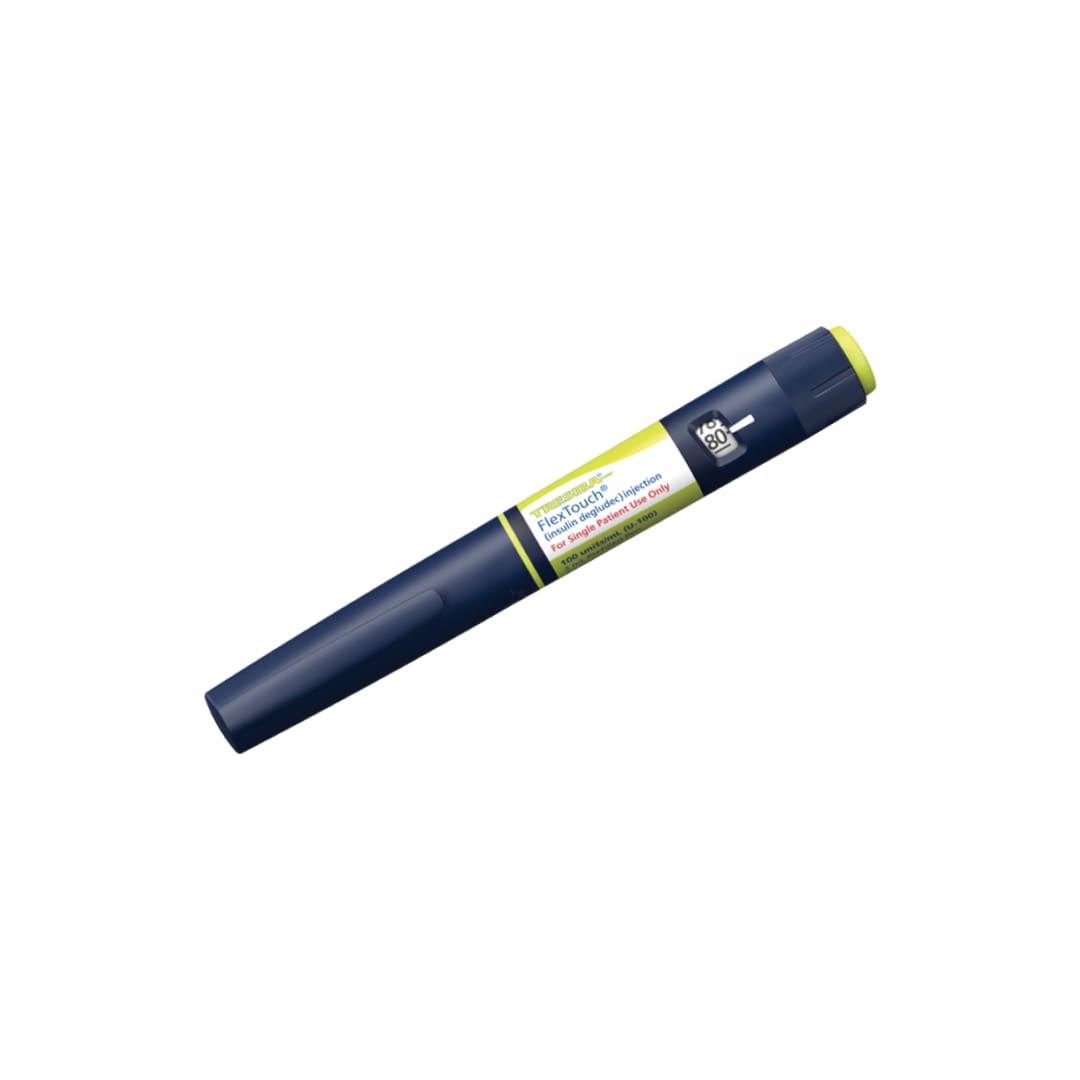
Tresiba FlexTouch Pens
Buy Tresiba FlexTouch Pens Online


Tresiba FlexTouch Pens are prefilled insulin degludec pen injectors used as long-acting basal insulin for diabetes care. You can buy Tresiba FlexTouch Pens online, view the current pen price, and choose the available strength that matches your clinician’s directions. U-100 and U-200 FlexTouch pens contain different insulin concentrations, so the strength, total units, and quantity should be matched carefully before checkout.
Tresiba is designed to provide background insulin coverage between meals and overnight. It is not a rapid-acting mealtime insulin, and it is not used to treat diabetic ketoacidosis. Because insulin is temperature-sensitive and dose-specific, the pen strength, carton quantity, storage instructions, and glucose monitoring plan all matter when placing an order.
Tresiba FlexTouch Pen Price and Strength Selection
The Tresiba FlexTouch pen price should be read together with the concentration and quantity being supplied. U-100 and U-200 FlexTouch pens may both be 3 mL pens, but they do not contain the same total number of insulin units. A U-100 pen contains 100 units/mL, while a U-200 pen contains 200 units/mL.
That concentration difference affects the total insulin in each pen and can change how the Tresiba FlexTouch cost compares across strengths. A 3 mL U-100 pen contains 300 total units. A 3 mL U-200 pen contains 600 total units. Cash-pay customers should compare total units, pen count, and carton details instead of relying only on a single displayed amount.
| Attribute | What to match | Why it matters |
|---|---|---|
| Form | Prefilled FlexTouch pen | Matches use with a disposable pen injector rather than a vial or cartridge. |
| Concentration | U-100 or U-200 | Changes units per mL and total insulin per pen. |
| Pen volume | Commonly 3 mL | The same volume can contain different total units. |
| Carton quantity | Pen count shown during ordering | Helps estimate supply based on daily units. |
| Needles | Compatible disposable pen needles | Pen needles are typically chosen separately. |
Quick tip: Match the FlexTouch strength and quantity to your treatment directions before payment.
People comparing Tresiba insulin pens from Canada may also want to browse insulin products when their care team has discussed more than one insulin format. Price differences can reflect concentration, total units, carton size, payment path, and handling requirements for refrigerated medication.
How to Order Tresiba FlexTouch Pens Online
To order Tresiba FlexTouch pens online, start with the exact product name, concentration, and quantity in your treatment plan. Choose Tresiba FlexTouch U-100 only when the directions call for 100 units/mL. Choose Tresiba FlexTouch U-200 only when 200 units/mL is intended. Do not substitute one concentration for the other unless your clinician has changed the plan.
The FlexTouch device is a disposable prefilled pen, so it is different from an insulin vial, cartridge, or reusable pen system. It is also different from rapid-acting insulin pens used around meals. If your order details, strength, or directions need clarification, we may help confirm the information needed to process the order safely.
- Match the active ingredient: Tresiba contains insulin degludec.
- Match the concentration: U-100 and U-200 are not interchangeable without clinical direction.
- Match the device: FlexTouch refers to the prefilled pen injector.
- Match the quantity: Review the number of pens or cartons supplied.
- Plan for storage: Insulin needs temperature-aware handling.
For broader diabetes medication browsing, the diabetes medications category can help separate insulin, non-insulin injectables, and oral products. Use category browsing to match a named treatment, not to change therapy on your own.
U-100, U-200, 3 mL Pens, and Carton Details
Tresiba FlexTouch U-100 is 100 units/mL. Tresiba FlexTouch U-200 is 200 units/mL. The difference is concentration, not the daily dose itself. Your dose is measured in insulin units, and the FlexTouch pen is designed to deliver units according to the device instructions.
Many people ask how many pens are in a Tresiba FlexTouch carton. A common carton contains five 3 mL pens, but the carton quantity should be read from the order information and the treatment directions. The number of days a carton lasts depends on the daily units used, priming needs, and whether any pen is discarded because of storage limits or damage.
The higher concentration U-200 pen contains more total insulin units in the same 3 mL volume. This may affect how often a pen needs replacing for some users, but it does not mean that the dose should be doubled or converted without professional guidance. Insulin concentrations must be handled carefully because errors can cause serious low or high blood sugar.
The device requires compatible disposable pen needles. Use a new needle for each injection, remove the needle after use, and store the pen without a needle attached. These steps help reduce leakage, blocked needles, air entry, and contamination risk.
What This Long-Acting Insulin Treats
Tresiba is a long-acting basal insulin used to improve glycemic control in people with diabetes mellitus. Basal insulin provides background insulin coverage over an extended period. It helps manage glucose between meals and overnight as part of a broader diabetes plan.
People with type 1 diabetes may use basal insulin with rapid-acting insulin at meals. People with type 2 diabetes may use basal insulin alone or with other diabetes medicines, depending on glucose patterns and clinician guidance. The treatment plan may also include nutrition changes, activity planning, glucose monitoring, and A1C follow-up.
Tresiba FlexTouch is not a mealtime insulin and should not be used for diabetic ketoacidosis. It is also not a substitute for emergency treatment when glucose or ketone levels are dangerously abnormal. If illness, missed meals, heavy activity, alcohol use, or medicine changes affect glucose readings, follow the plan provided by your care team.
For broader condition information, the diabetes category can help you find related medicines and supplies. Use those resources to understand categories of treatment, while relying on clinical instructions for individualized dose and timing decisions.
Storage, Cold-Chain Handling, and Travel
Tresiba FlexTouch Pens are temperature-sensitive. Unopened pens are generally stored in a refrigerator at 2°C to 8°C. They should not be frozen, exposed to direct heat, or left in a hot vehicle. If insulin has been frozen, it should not be used.
After first use, Tresiba FlexTouch may usually be kept at room temperature or refrigerated within the temperature range described in the official instructions. In-use pens are commonly limited to 56 days after first use. Keep the cap on when the pen is not being used, and do not store the pen with a needle attached.
For refrigerated insulin, prompt, express, cold-chain shipping supports temperature-aware handling during transit. When the package arrives, place unopened pens in appropriate storage and inspect for visible damage. If the product appears frozen, overheated, leaking, cracked, or otherwise compromised, ask a pharmacist or clinician before using it.
Travel planning should include enough insulin, backup pen needles, glucose monitoring supplies, and a way to protect the medicine from heat or freezing. Keep insulin with you when flying rather than placing it in checked luggage. Travel time, security screening, time zone changes, illness, and meal timing can all affect diabetes routines.
Side Effects, Warnings, and Monitoring
The most important safety risk with insulin is hypoglycemia, or low blood sugar. Symptoms may include sweating, shaking, fast heartbeat, hunger, headache, weakness, confusion, irritability, or dizziness. Severe hypoglycemia can cause seizure, unconsciousness, injury, or death and requires urgent treatment.
Do not use Tresiba during an episode of low blood sugar. It should also not be used by anyone with a serious allergy to insulin degludec or any ingredient in the medicine. Pens must never be shared, even if the needle has been changed, because sharing can transmit blood-borne infections.
Other possible side effects include injection-site reactions, itching, rash, weight gain, swelling, and changes in potassium levels. Serious allergic reactions can include swelling of the face or throat, trouble breathing, widespread rash, severe dizziness, or fainting. Seek urgent medical help if those symptoms occur.
Many medicines can affect insulin needs. Corticosteroids, some diuretics, certain psychiatric medicines, hormone therapies, and other diabetes medicines may change glucose levels. Beta blockers can make some warning signs of hypoglycemia harder to notice. Thiazolidinediones, often called TZDs, may cause fluid retention and can worsen heart failure when used with insulin.
Monitoring may include home glucose testing, continuous glucose monitor review, A1C testing, and follow-up visits. Kidney or liver problems can affect insulin response, so closer monitoring may be needed. Contact a clinician if glucose readings are repeatedly out of range, if severe lows occur, or if illness makes eating and insulin use difficult.
Why it matters: Correct strength selection supports safer use, but glucose monitoring remains essential.
Comparing Tresiba With Related Diabetes Options
Tresiba FlexTouch Pens are one long-acting insulin choice. Other basal insulins may use different insulin molecules, pen devices, concentrations, dose limits, and storage rules. These differences can affect what is written in a treatment plan and what should be chosen online.
If the plan names insulin degludec, the product should match Tresiba or another specifically directed insulin degludec product. If it names insulin glargine, the choice is different. Long-acting insulin categories can be reviewed through long-acting insulin browsing, but switching between basal insulins should only happen with clinical direction.
Some treatment plans combine basal insulin with rapid-acting insulin, oral diabetes medicine, GLP-1 medicines, glucose meters, test strips, lancets, or continuous glucose monitoring. The right combination depends on diabetes type, glucose targets, hypoglycemia risk, other medical conditions, and daily routine.
For general browsing beyond insulin, the diabetes products category groups related medicines and supplies. Customers focused on education can also use the diabetes articles section for condition and treatment background.
Questions to Ask Before Checkout
Before buying Tresiba FlexTouch online from Canada, make sure the strength, pen format, and quantity align with the treatment plan. The main ordering decision is not only the displayed cost; it is whether the insulin degludec FlexTouch pen, concentration, and supply quantity are correct.
Ask whether the plan calls for U-100 or U-200, how many units are used each day, what to do if a dose is missed, and when to discard an in-use pen. Also ask how to treat low blood sugar, whether activity or meal changes require monitoring adjustments, and how illness should be handled.
If paying without insurance, compare the Tresiba insulin cost against total units supplied and expected days of use. A lower displayed price does not always mean a lower cost per unit when concentration and carton quantity differ. Safe use, correct product matching, and reliable temperature handling should stay part of the decision.
Authoritative Sources
Official product materials should be used for device instructions, storage limits, concentration details, and safety information. Product ordering information helps with selection, while official labeling and clinician instructions remain the reference for safe use.
- Official FlexTouch Pen Instructions explain manufacturer steps for using the pen.
- Professional Tresiba Dosing Information summarizes available FlexTouch presentations and administration details.
This content is for informational purposes only and is not a substitute for professional medical advice.
Blood Glucose Unit Converter
Convert glucose readings between mg/dL and mmol/L without changing the clinical value.
mg/dL
-
US reporting unit
mmol/L
-
International reporting unit
These calculations are for education only and do not replace clinical advice, diagnosis, or treatment. Always confirm medical decisions with a qualified healthcare professional.
HbA1c & eAG Calculator
Convert between HbA1c percentage and estimated average glucose using the ADAG relationship.
HbA1c
-
percentage
eAG mg/dL
-
estimated average glucose
eAG mmol/L
-
estimated average glucose
These calculations are for education only and do not replace clinical advice, diagnosis, or treatment. Always confirm medical decisions with a qualified healthcare professional.
Carb Serving Calculator
Convert total carbohydrate grams into carb choices for meal planning and diabetes education.
Carb choices
-
total carbs divided by choice size
Rounded choices
-
nearest half choice
Carb calories
-
4 kcal per gram
These calculations are for education only and do not replace clinical advice, diagnosis, or treatment. Always confirm medical decisions with a qualified healthcare professional.
CGM Time-in-Range Summary
Summarise CGM percentages across very low, low, in-range, high, and very high glucose bands.
Entered total
-
should equal 100%
Below range
-
very low plus low
Above range
-
high plus very high
Summary
-
common adult CGM targets vary by patient
These calculations are for education only and do not replace clinical advice, diagnosis, or treatment. Always confirm medical decisions with a qualified healthcare professional.
Corrected Sodium Calculator
Estimate sodium corrected for hyperglycemia using common 1.6 and 2.4 correction factors.
Corrected sodium
-
1.6 factor
Corrected sodium
-
2.4 factor
These calculations are for education only and do not replace clinical advice, diagnosis, or treatment. Always confirm medical decisions with a qualified healthcare professional.
Customer Reviews
4.5 Based on 26 Reviews
Write a Review Ask a Question - Reviews
- Questions
Filter Reviews:
FL
11/28/2024
Franklin L.  US
USExcellent Price & Service
Very, Very Good
11/28/2024
CanadianInsulin.com
Hi Franklin,Thank you for your enthusiastic feedback! We're delighted to hear you're happy with both our pricing and service. Your satisfaction is what motivates us to continue delivering excellence.If you need any assistance or have questions, feel free to reach out. We're always here to help!Thank you for choosing Canadian Insulin. Have a great day!
CM
09/02/2024
Carolyn M. USReplacement
You folks never fail me. Thanks for your hard work. Fantastic customer service.
09/03/2024
CanadianInsulin.com
Hi Carolyn,Thank you so much for your kind words! We're thrilled to hear that you consistently have a positive experience with us. Your satisfaction is our top priority, and we’re grateful for your trust in our service. If you ever need anything, don’t hesitate to reach out. We’re always here to help!Thank you for choosing Canadian Insulin. Have a great day!
CM
06/14/2024
Carolyn M. USTresiba
Hope I never have to change.
06/14/2024
CanadianInsulin.com
Hi Carolyn,Thank you for your feedback! We're glad to hear that you are satisfied with Tresiba. If you have any questions or need further assistance, please don't hesitate to reach out. We're here to support you.Thank you for choosing Canadian Insulin. Have a great day!
RN
05/30/2024
Ronald N. USUSPS
Second time the USPS delivered my Medicine hot. Rain snow don't stop USPS. but Federal holiday will. Thanks United States Postal Service
05/31/2024
CanadianInsulin.com
Hi Ronald,We apologize for the inconvenience caused by the USPS delivery. Ensuring your medication arrives in good condition is very important to us. A member of our team will reach out to you shortly to address this issue and ensure your medication is in good condition. We will also work on improving our shipping process to prevent similar issues in the future.Thank you for bringing this to our attention. We appreciate your patience.
RN
05/17/2024
Ronald N. USProfessional
You've never let me down I've been a long time client of yours Some people find it to be too cautious or too good to be true to order prescriptions through your company Wanted to tell anybody that y'all have always been there and have always honored your word and pricing and delivered when you said you would deliver thank you
05/17/2024
CanadianInsulin.com
Hi Ronald,Thank you for your long-term trust and kind words! We're honored to have you as a long-time client and are delighted to hear that we've consistently met your expectations.We understand that some people may have reservations about ordering prescriptions online, but we're committed to providing reliable service, honoring our word and pricing, and delivering on time.Your feedback is greatly appreciated, and we look forward to continuing to serve you. If you ever have any questions or need assistance, please don't hesitate to reach out.Thank you for choosing Canadian Insulin. Have a great day!
Express Shipping - from $29.99
Shipping with this method takes 3-5 days
Prices:
- Dry-Packed Products $29.99
- Cold-Packed Products $39.99
Standard Shipping - $19.99
Shipping with this method takes 5-10 days
Prices:
- Dry-Packed Products $19.99
- Not available for Cold-Packed products
What is Tresiba FlexTouch used for?
Tresiba FlexTouch contains insulin degludec, a long-acting basal insulin used to improve glycemic control in people with diabetes mellitus. It provides background insulin coverage and is not a rapid-acting mealtime insulin or a treatment for diabetic ketoacidosis.
What is the difference between Tresiba FlexTouch U-100 and U-200?
U-100 contains 100 units/mL, while U-200 contains 200 units/mL. A 3 mL U-100 pen contains 300 total units, and a 3 mL U-200 pen contains 600 total units. The concentration should match the treatment directions.
How many pens are in a Tresiba FlexTouch carton?
A common Tresiba FlexTouch carton contains five 3 mL pens, but the quantity should be read from the order information and treatment directions. How long a carton lasts depends on the daily units used and storage limits.
How should Tresiba FlexTouch Pens be stored?
Unopened pens are generally stored refrigerated at 2°C to 8°C and should not be frozen. In-use pens are commonly kept for up to 56 days within the temperature range described in the official instructions. Store pens with the cap on and without a needle attached.
What are common side effects of Tresiba FlexTouch?
The most important risk is hypoglycemia, or low blood sugar. Other possible effects include injection-site reactions, itching, rash, weight gain, swelling, and changes in potassium levels. Serious allergic symptoms or severe low blood sugar need urgent medical attention.
Can Tresiba FlexTouch Pens be shared?
No. Tresiba FlexTouch Pens should never be shared, even if the needle is changed. Sharing insulin pens can transmit infections and may also create dosing and safety risks.
Rewards Program
Earn points on birthdays, product orders, reviews, friend referrals, and more! Enjoy your medication at unparalleled discounts while reaping rewards for every step you take with us.
You can read more about rewards here.
POINT VALUE
How to earn points
- 1Create an account and start earning.
- 2Earn points every time you shop or perform certain actions.
- 3Redeem points for exclusive discounts.
You Might Also Like
Select options
This product has multiple variants. The options may be chosen on the product page
Select options
This product has multiple variants. The options may be chosen on the product page
Select options
This product has multiple variants. The options may be chosen on the product page
Select options
This product has multiple variants. The options may be chosen on the product page