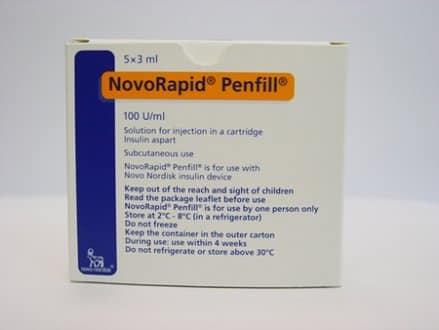
Novorapid insulin aspart is a rapid-acting mealtime insulin used to help control blood glucose after food and to correct high readings when prescribed. It works quickly, so timing, dose calculation, meal planning, and hypoglycemia prevention all matter. This article explains how PenFill and FlexPen formats fit into daily care, what side effects to watch for, and which questions to review with your healthcare professional.
Key Takeaways
- Rapid action: Covers meals and some corrections.
- Brand clarity: NovoRapid contains insulin aspart.
- Doses vary: Ratios and correction factors are individualized.
- Safety focus: Hypoglycemia is the key immediate risk.
- Device choice: PenFill and FlexPen differ in setup.
What Novorapid Insulin Aspart Is
Novorapid insulin aspart is a rapid-acting insulin analog. It belongs to the prandial, or mealtime, insulin class. Clinicians use it when a person with diabetes needs insulin to manage glucose rises around meals or to correct elevated readings under a prescribed plan.
NovoRapid is one insulin aspart brand name used in many countries. The same active ingredient is also associated with NovoLog in some markets. Names can vary by region, so labels, pharmacy records, and prescription instructions should be checked carefully when supplies change.
The insulin aspart mechanism of action is similar to human insulin at a high level. It helps glucose move from the blood into insulin-sensitive tissues, such as muscle and fat. It also helps reduce glucose production by the liver. The structural change in insulin aspart allows faster absorption than regular human insulin, which is why timing matters.
For a deeper look at onset, peak, and duration, see Insulin Aspart Timing. If you are comparing brand naming across regions, NovoRapid and NovoLog explains practical similarities without treating them as interchangeable for every prescription.
PenFill and FlexPen Formats in Daily Use
PenFill and FlexPen deliver the same type of insulin, but the devices work differently. PenFill cartridges fit compatible reusable insulin pens. FlexPen is a prefilled disposable pen. Both require correct priming, needle attachment, injection technique, and safe needle disposal.
PenFill may suit people who prefer a reusable pen device and cartridge replacement. FlexPen may be simpler for those who want a prefilled option. Neither format removes the need for training. Small technique differences can affect comfort, dose delivery, and confidence.
Before using a new box, confirm the exact product, device compatibility, and instructions from your care team. Cartridge users can review practical handling points in NovoRapid Cartridge Use. For vial-based context, NovoRapid Vial Basics covers another common format.
Quick tip: Keep device instructions with your supplies until the steps feel routine.
When to Give Rapid-Acting Insulin Around Meals
Rapid-acting insulin is usually timed close to food intake, but the exact schedule must match the prescription. Many people are instructed to take insulin aspart shortly before eating. Others may need different timing because of appetite, delayed meals, gastroparesis, activity, or hypoglycemia risk.
The common question is whether to use insulin aspart before or after meal intake. The safest answer is prescription-specific. Taking it too early can cause a low if the meal is delayed. Taking it too late can allow a post-meal glucose rise. Your clinician may adjust timing based on glucose patterns, continuous glucose monitor trends, meal size, and previous lows.
If meals are unpredictable, ask your diabetes team how to handle partial meals, missed meals, vomiting, or delayed restaurant food. Do not guess repeated timing changes on your own. A written sick-day and missed-meal plan can reduce confusion during stressful situations.
Dosing Principles Without Guesswork
Insulin aspart dosage is individualized. It may be based on carbohydrate intake, current glucose, insulin sensitivity, activity, illness, and basal insulin background. There is no single dose that is right for everyone.
Many care plans use an insulin-to-carbohydrate ratio. For example, a person may be taught how many units cover a set amount of carbohydrate. A separate correction factor may estimate how much one unit could lower glucose. These numbers must come from the prescribing clinician because insulin sensitivity varies widely.
An aspart insulin dosage chart can help organize prescribed ratios, correction steps, and target ranges. It should not be copied from another person. It also should not replace clinical review when readings change, lows become frequent, or doses keep rising.
Useful logs often include:
- Meal carbohydrates: Record estimated grams.
- Glucose readings: Note pre-meal and later values.
- Insulin timing: Write the dose time.
- Activity changes: Include exercise and heavy labour.
- Low episodes: Track symptoms and treatment.
People who use both mg/dL and mmol/L may find conversions helpful when reviewing labels, monitors, or overseas records. This converter supports unit translation only; it does not recommend insulin doses.
Blood Glucose Unit Converter
Convert glucose readings between mg/dL and mmol/L without changing the clinical value.
These calculations are for education only and do not replace clinical advice, diagnosis, or treatment. Always confirm medical decisions with a qualified healthcare professional.
Why it matters: Clear records help clinicians adjust plans using patterns, not guesses.
Side Effects and Warning Signs
Insulin aspart side effects range from mild injection-site issues to serious hypoglycemia. The most important immediate risk is low blood glucose. Symptoms may include shakiness, sweating, hunger, headache, irritability, confusion, or weakness. Severe hypoglycemia can cause seizures, loss of consciousness, or injury.
NovoRapid insulin side effects can also include redness, itching, swelling, or discomfort at the injection site. Repeated injections into the same area may contribute to lipodystrophy, which means changes in fat tissue under the skin. These changes can affect insulin absorption, so site rotation is important.
Other less common concerns include allergic reactions, fluid retention in certain medication combinations, and low potassium levels. Seek urgent care for severe allergic symptoms, trouble breathing, swelling of the face or throat, fainting, or severe confusion. Follow your emergency hypoglycemia plan if one has been prescribed.
Food choices can also affect glucose patterns, though foods do not directly “spike insulin” in the same way for everyone. Carbohydrate amount, carbohydrate type, fibre, fat, protein, portion size, and medication timing all influence the response. If repeated highs or lows occur after certain meals, ask a clinician or registered dietitian to review your pattern.
Contraindications, Interactions, and Special Cautions
The main insulin aspart contraindications include use during hypoglycemia and known hypersensitivity to insulin aspart or product ingredients. If glucose is already low, taking rapid-acting insulin can worsen the low. Product-specific labels should be checked for full contraindication language.
Several situations can change insulin needs. Acute illness, fever, vomiting, changes in kidney function, liver disease, pregnancy, major stress, and changes in physical activity may all affect glucose control. Alcohol can increase hypoglycemia risk, especially when food intake is reduced.
Medication interactions also matter. Beta-blockers may mask some warning signs of hypoglycemia, such as a racing heartbeat. Corticosteroids and some other medicines may raise glucose. Thiazolidinediones used with insulin can increase fluid-retention concerns in some people. Review all prescriptions, over-the-counter medicines, and supplements with your healthcare professional.
Some readers ask whether showering after insulin is unsafe. A normal shower is not automatically a problem, but heat can increase blood flow and may affect how quickly injected insulin is absorbed. Avoid hot tubs, saunas, or intense heat exposure near injection timing unless your care team has advised you on risk management.
Patient Teaching Points for Safer Use
Good insulin aspart patient teaching focuses on repeatable habits. People using rapid-acting insulin should know how to prime the pen, attach a new needle, rotate injection sites, check the insulin’s appearance, and dispose of sharps safely.
They should also understand hypoglycemia treatment. Many diabetes plans use fast-acting carbohydrate for mild lows, followed by rechecking glucose. Severe lows may require glucagon if prescribed and emergency help. Your care team should explain which threshold and treatment steps apply to you.
Practical teaching should also cover sick days. Persistent high glucose, ketones, vomiting, dehydration, or symptoms of diabetic ketoacidosis need timely medical guidance. This is especially important for people with type 1 diabetes. The Type 1 Diabetes Collection and Type 2 Diabetes Collection offer related browsing paths for broader diabetes topics.
Storage, Handling, and Travel
Insulin can lose potency if it is frozen, overheated, or stored beyond labelled limits. Unopened pens and cartridges are usually refrigerated according to the product leaflet. In-use products often have room-temperature limits and discard dates. Always follow the label for your exact format.
When travelling, keep insulin in carry-on luggage rather than checked baggage. Bring extra needles, backup supplies, glucose treatment, and prescription documentation. Avoid placing insulin directly against ice packs unless the storage system is designed to prevent freezing.
CanadianInsulin.com is a prescription referral platform, and prescription details may need confirmation with the prescriber where required. Dispensing and fulfilment are handled by licensed third-party pharmacies where permitted, so product access can depend on prescription status and jurisdiction.
How It Compares With Other Rapid-Acting Options
NovoRapid is one rapid-acting insulin option. Other examples include insulin lispro and insulin glulisine. Faster aspart is a related formulation designed for quicker early absorption in some contexts. These products are not automatically interchangeable without prescriber direction.
Comparison should focus on clinical fit, glucose patterns, device preference, tolerability, and coverage rules. A person who does well on one rapid insulin may not need a change. Another person may need review because of frequent post-meal highs, repeated lows, device problems, or lifestyle changes.
For a practical comparison of insulin aspart naming and formulation context, read NovoLog Insulin Aspart Uses. Readers who want to browse diabetes-related products can use the Diabetes Product Category as a navigation page, not as a substitute for prescribing guidance.
Authoritative Sources
Official product information is the best place to confirm current indications, contraindications, warnings, storage limits, and device instructions. The Canadian NovoRapid product monograph provides label-backed details for patients and clinicians.
The European Medicines Agency overview summarizes approved use and safety information. For plain-language patient information, the MedlinePlus insulin aspart page outlines common precautions and use instructions.
Recap
Novorapid insulin aspart is a rapid-acting insulin used for meal coverage and prescribed corrections. Safe use depends on timing, dose calculation, injection technique, storage, and monitoring for hypoglycemia. PenFill and FlexPen are delivery formats, not separate insulin types. If readings become unpredictable, side effects occur, or daily routines change, review the pattern with your healthcare professional before changing doses.
This content is for informational purposes only and is not a substitute for professional medical advice.