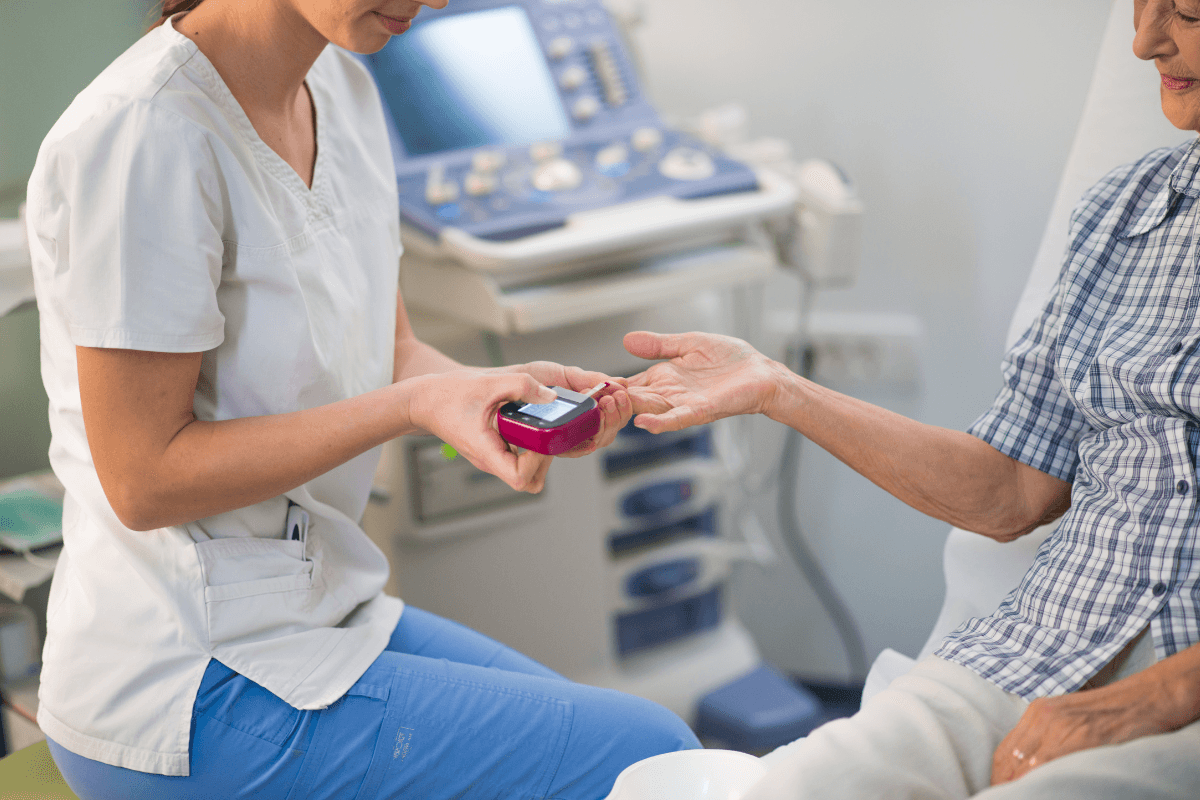
The most common mistakes people with diabetes make are usually routine problems, not character flaws. Missed checks, mistimed medication, poor insulin storage, skipped meals, and weak sick-day planning can all push blood glucose outside target ranges. The goal is not perfection. The goal is to build repeatable habits, catch patterns early, and know when to ask your care team for help.
Key Takeaways
- Check with purpose: Match glucose checks to meals, activity, driving, illness, and symptoms.
- Protect medication quality: Store insulin and devices within recommended temperature ranges.
- Count more than sugar: Total carbohydrates, portions, fiber, drinks, and sauces all matter.
- Plan for disruptions: Travel, sick days, exercise, and sleep changes need backup steps.
- Do not ignore prevention: Foot, eye, kidney, dental, and heart checks reduce missed risks.
Why Common Diabetes Mistakes Happen
Common diabetes mistakes happen because diabetes care has many moving parts. Blood glucose can change with food, medication timing, stress, sleep, illness, menstrual cycles, alcohol, and physical activity. One change can make a familiar routine behave differently.
That is why diabetes management works best as a system. A meter or CGM (continuous glucose monitor) shows data, but the data only helps when you connect it to context. A high reading after dinner means something different if you had a larger meal, forgot medication, used insulin exposed to heat, or became ill.
Why it matters: Pattern-spotting helps you ask better questions at appointments.
Write down the event around unusual readings. A short note such as “walked after lunch,” “late dose,” “new sensor,” or “cold symptoms” can explain a lot. If you need a refresher on meter technique, the Use Glucometer resource covers practical steps for home testing.
Monitoring Errors That Hide Blood Sugar Patterns
Blood glucose monitoring mistakes often involve checking at times that miss the real problem. Fasting readings are useful, but they do not show every post-meal rise, overnight low, or exercise-related dip. Many people also stop checking when they feel well, which can hide gradual changes.
A more useful plan connects checks to decisions. Your clinician may suggest checks before meals, two hours after meals, before driving, before and after exercise, at bedtime, or when symptoms feel unusual. People using CGM should still know when a fingerstick is appropriate, especially if symptoms do not match the sensor reading.
Technique also matters. Wash and dry hands before fingersticks. Replace lancets and strips as directed. Keep test strips capped and avoid using strips that were exposed to moisture or extreme temperatures. For product-specific handling, follow the package instructions.
If you use CGM data, time in range can help you discuss patterns with your clinician. This calculator can estimate the percentage of readings within a chosen range; it does not replace medical guidance.
CGM Time-in-Range Summary
Summarise CGM percentages across very low, low, in-range, high, and very high glucose bands.
These calculations are for education only and do not replace clinical advice, diagnosis, or treatment. Always confirm medical decisions with a qualified healthcare professional.
Some people compare meter systems and supplies when troubleshooting inconsistent readings. If that is relevant, product pages such as Contour Next Meter and OneTouch Verio Test Strips can help you review device-specific details without changing your care plan on your own.
Medication, Insulin, and Storage Mistakes
Diabetes medication mistakes often come from timing, misunderstanding instructions, or changing routines without checking first. Insulin, metformin, GLP-1 receptor agonists, SGLT2 inhibitors, sulfonylureas, and other therapies each have different considerations. Do not stop, restart, or adjust medication without guidance from your prescriber.
Insulin errors can be especially risky. Common issues include taking rapid-acting insulin too early or too late for a meal, stacking correction doses too close together, skipping basal insulin, or estimating meal insulin without a consistent carbohydrate method. Injection technique can also affect absorption. Rotate sites, avoid injecting into scarred or lumpy areas, and follow device instructions for priming and needle changes.
Storage is another high-impact area. Insulin can lose potency if it gets too hot, freezes, or sits in direct sunlight. Pens, vials, and pumps also have product-specific storage limits. Keep backup insulin, syringes or pen needles, and glucose supplies accessible, especially during travel or power outages.
For people who use several therapies, a medication list helps prevent confusion. Include the medication name, dose as prescribed, timing, prescriber, pharmacy, and the reason you take it. Update the list after every appointment. For a broad class-by-class refresher, see Common Diabetes Medications.
If prescription access or refill planning becomes part of your medication routine, keep the focus on verification and safety. CanadianInsulin.com is a prescription referral platform; where required, prescription details may be confirmed with the prescriber, while dispensing is handled by licensed third-party pharmacies where permitted.
Food, Carb Counting, and Meal Timing Pitfalls
Diabetes diet mistakes are often about portions and timing, not only desserts. Bread, rice, pasta, fruit, milk, beans, sauces, sweetened drinks, and snack foods can all affect glucose. So can skipping meals, grazing all day, or eating large portions after a long gap.
Carb counting mistakes happen when people count “sugar” but miss total carbohydrates. Nutrition labels list total carbohydrate, which includes starches, sugars, and fiber. Serving size is just as important. A package may contain more than one serving, so the carbohydrate amount may need to be multiplied.
Meal composition can also change glucose response. Pairing carbohydrates with protein, unsaturated fat, and fiber may slow digestion for some people. However, targets vary. Kidney disease, pregnancy, gastroparesis (delayed stomach emptying), eating disorders, and medications that can cause hypoglycemia all require individualized advice from a clinician or registered dietitian.
Skipping meals with diabetes can backfire. It may increase the chance of low blood sugar if you use insulin or certain oral medications. It may also lead to larger meals later, which can cause higher post-meal readings. If meal timing is unpredictable, ask your care team how to plan safer medication and snack strategies.
Exercise Mistakes That Cause Highs or Lows
Exercise mistakes usually involve starting activity without considering glucose, medication, food, or intensity. Aerobic activity may lower glucose during or after exercise. Strength training and high-intensity intervals may raise it temporarily in some people. Delayed lows can occur later, including overnight.
Check your care plan for when to test before activity, whether to carry fast-acting carbohydrate, and when exercise should be postponed. This is especially important if you use insulin, have a history of severe hypoglycemia, or have complications affecting feet, eyes, heart, or kidneys.
Log activity in plain language. Note the type, intensity, duration, timing, and any symptoms. Over time, patterns become easier to predict. For example, a 20-minute walk after lunch may affect glucose differently than a long evening workout. If you are unsure how to handle repeated lows or highs around exercise, bring your log to your next visit.
Ignoring Lows, Highs, Sick Days, and Mood Changes
Blood sugar mistakes become more dangerous when symptoms are ignored. Hypoglycemia (low blood sugar) can cause shakiness, sweating, hunger, confusion, irritability, or weakness. Hyperglycemia (high blood sugar) may cause thirst, frequent urination, fatigue, blurred vision, or nausea. Symptoms vary, so testing is important when something feels off.
Have a written plan for lows. Many plans include fast-acting carbohydrate, rechecking after a set interval, and knowing when to use emergency glucagon. Your clinician should tailor the plan to your medications and risk level. For background, Manage Hypoglycemia explains common signs and response concepts.
Persistent highs also need a plan. Illness, missed insulin, infection, dehydration, or spoiled insulin can raise glucose. People who use insulin may need ketone testing instructions during illness or sustained hyperglycemia. Seek urgent care for severe symptoms such as trouble breathing, repeated vomiting, confusion, signs of dehydration, large ketones, or severe abdominal pain.
Mood changes can be related to glucose swings, stress, sleep loss, diabetes distress, anxiety, or depression. Some people describe “diabetic rage,” but irritability is not a diagnosis. If anger, sadness, panic, or burnout affects safety, relationships, medication use, or eating patterns, tell your care team. Mental health support is part of diabetes care.
For a plain-language overview of high blood sugar triggers, symptoms, and general response concepts, see Hyperglycemia Basics.
Checkup and Complication Prevention Mistakes
Diabetes checkup mistakes often involve waiting until symptoms appear. Many complications develop quietly at first. Preventive visits help screen for eye disease, kidney changes, nerve damage, dental issues, blood pressure problems, cholesterol concerns, and foot wounds.
Ask your clinician which screenings apply to your type of diabetes, age, pregnancy status, medication list, and other conditions. Many people need regular A1C testing, blood pressure checks, cholesterol monitoring, kidney labs, urine albumin testing, foot exams, dental care, and dilated eye exams. Your schedule may differ.
Foot care deserves special attention. Neuropathy (nerve damage) can reduce pain signals, so blisters, calluses, cuts, or shoe pressure may go unnoticed. Check feet daily if you have reduced sensation or past foot problems. Report wounds, redness, swelling, drainage, or new pain promptly.
A1C is another area where people may misunderstand targets. A “normal” A1C is commonly below the diabetes range, but personal goals vary. Older adults, pregnant people, those with frequent hypoglycemia, and people with significant medical conditions may need individualized targets. Do not compare your goal with someone else’s without clinical context.
Newly Diagnosed Diabetes, Prediabetes, and Lookalike Symptoms
Newly diagnosed people often try to change everything at once. That can lead to burnout. Start with a few measurable habits: a testing routine, a consistent first meal, medication timing reminders, and a short daily movement plan if your clinician says activity is safe.
Prediabetes diet mistakes often include focusing only on “no sugar” rules. A more useful approach looks at total carbohydrates, fiber, portion size, drinks, sleep, activity, and weight trends when relevant. Small changes can be easier to maintain than strict food bans. A registered dietitian can help if you feel confused or restricted.
Some conditions can be mistaken for diabetes because symptoms overlap. Thirst, fatigue, frequent urination, weight changes, blurry vision, and mood changes can have several causes. Urinary tract infections, thyroid disease, medication effects, pregnancy, dehydration, sleep disorders, and other conditions may need evaluation. Testing, not guesswork, is what separates diabetes from lookalike problems.
If you want to browse broader diabetes education and related topics, the Diabetes Articles collection can help you find condition, medication, and lifestyle resources. The Diabetes Condition page is a browsing hub for related products and categories, not a substitute for clinical advice.
A Practical Checklist to Reduce Diabetes Management Mistakes
A simple checklist can turn diabetes management mistakes into solvable routines. Review it before appointments, travel, medication changes, or periods of repeated highs or lows.
- Monitoring plan: Know when and why to check glucose.
- Medication list: Keep names, timing, and instructions current.
- Insulin storage: Avoid heat, freezing, and direct sunlight.
- Meal notes: Track portions, drinks, and hidden carbohydrates.
- Exercise supplies: Carry water and fast-acting carbohydrate when advised.
- Sick-day plan: Know ketone, hydration, and urgent-care steps.
- Preventive visits: Schedule eye, foot, kidney, dental, and heart checks.
- Backup supplies: Pack extra strips, sensors, batteries, and prescriptions.
Quick tip: Pair diabetes tasks with existing habits, such as brushing teeth or packing lunch.
If insulin adjustment questions come up repeatedly, do not guess. Bring glucose logs, meal notes, and activity details to your clinician. The Adjust Insulin Dose resource explains why changes should be structured and supervised.
Authoritative Sources
For current clinical targets, screening topics, hypoglycemia prevention, and medication safety considerations, review the American Diabetes Association Standards of Care.
For federal patient education on diabetes symptoms, testing, and prevention of complications, see the NIDDK diabetes health information.
For practical safety information on insulin handling and syringe use, review the FDA insulin storage information.
Recap
The biggest diabetes mistakes to avoid are the ones that hide patterns or delay care. Check glucose with a purpose, store medication correctly, count total carbohydrates, plan for illness and travel, and keep preventive visits on schedule. When readings change often, use logs and context rather than blame. Your care team can help turn those patterns into safer next steps.
This content is for informational purposes only and is not a substitute for professional medical advice.