

Insulin cartridges are small, sealed containers of insulin designed for compatible pen devices, most often reusable insulin pens. They let the pen’s mechanism push insulin through a disposable needle in measured units. This matters because cartridge fit, priming, storage, and needle changes all affect whether the pen works as intended.
They are not interchangeable with every pen. A cartridge must match the insulin, pen model, concentration, and manufacturer instructions. If you are switching from vials, syringes, or a disposable pen, ask your care team to confirm the device and demonstrate the steps before your first dose.
Key Takeaways
- Cartridges fit specific reusable pens and are not universal.
- Most pen cartridges hold insulin for repeated doses until empty or expired.
- Priming helps remove air and confirms insulin flow before dosing.
- Storage protects potency, especially during heat, freezing, and travel.
- Used needles need sharps disposal, not household trash.
What Insulin Cartridges Are
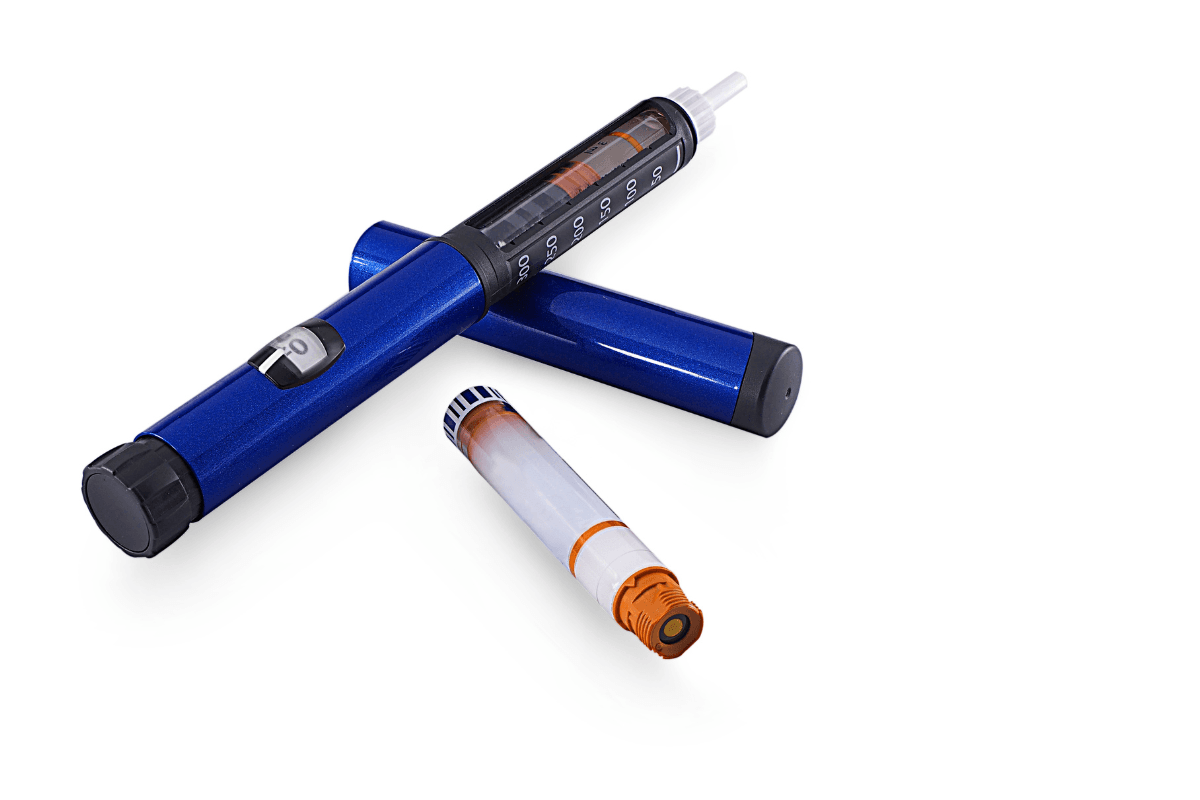
An insulin cartridge is a prefilled container that sits inside a pen body or compatible cartridge holder. When you dial a dose, the pen’s internal screw or piston pushes a rubber plunger forward. That pressure moves insulin through the attached pen needle.
Many cartridges are 3 mL and contain U-100 insulin, meaning 100 units per mL. That equals 300 units in a full 3 mL cartridge. Some products and countries may differ, so always check the label and instructions rather than relying on appearance.
The cartridge format is different from a disposable insulin pen. With a disposable pen, the insulin reservoir and pen body are discarded together when empty. With a reusable insulin pen, the pen body stays with you, while the cartridge and needle are replaced. For a broader look at delivery methods, see Ways of Administering Insulin.
Why it matters: A cartridge can look correct but still be incompatible with your pen.
Cartridge Types and Pen Compatibility
Insulin cartridges vary by insulin type, brand family, concentration, and physical design. They may contain rapid-acting, long-acting, or premixed insulin, depending on the product. The pen must match the cartridge system so the dose dial, piston, and cartridge holder align correctly.
Rapid-acting cartridges are commonly used around meals, while long-acting cartridges support basal insulin needs. Premixed insulin combines short- or rapid-acting insulin with an intermediate component for fixed schedules. These categories describe timing patterns, not personal suitability. Your regimen should come from your prescriber.
Examples of cartridge-focused educational pages include NovoRapid Insulin Cartridge for mealtime insulin context and Lantus Insulin Cartridge for basal insulin context. For another long-acting example, Basaglar Cartridge covers where basal cartridges may fit in diabetes care.
Compatibility checks should include the cartridge name, insulin concentration, pen model, expiration date, and whether the insulin should appear clear or cloudy. If the cartridge resists loading, leaks, cracks, or does not sit securely, do not force it. Use the manufacturer instructions or contact your clinic or pharmacist for help.
Reusable Pens Versus Disposable Pens
A reusable insulin pen is built to accept replacement cartridges. It may feel sturdier, reduce plastic waste, and offer features such as clearer dose windows or tactile clicks. A disposable pen arrives with insulin already inside and is discarded when finished.
The better choice depends on your insulin, hand strength, vision, dose increments, insurance or cash-pay situation, and training support. People often compare insulin cartridge vs pen when they really mean reusable pen plus cartridge versus disposable pen. That distinction helps avoid confusion during refills.
Benefits and Limits in Daily Use
Insulin cartridges can make pen therapy more portable and structured for many people. The dose window shows units before injection, and the pen’s clicks may support users who prefer tactile feedback. This can feel simpler than drawing insulin from a vial with a syringe.
Cartridges may also reduce repeated handling of vials. You still need a new needle for each injection, proper priming, and safe storage. The format does not remove the need to inspect insulin or rotate injection sites when advised.
There are limits. Cartridges lock you into compatible pen systems, and some people find pen buttons hard to press. Others may prefer syringes because they can see the insulin drawn up. Cost can also vary by product, plan, pharmacy, region, and eligibility. Search terms such as insulin pen price or insulin pen cartridge price can be misleading unless they specify the insulin, device, and coverage details.
Some people using insulin pens for type 2 diabetes start with a basal insulin, while others need mealtime or mixed insulin. People with type 1 diabetes often use basal-bolus plans, which can involve more than one insulin type. For condition-level browsing, the Type 1 Diabetes and Type 2 Diabetes collections may help you find related education.
How Priming and Dosing Work
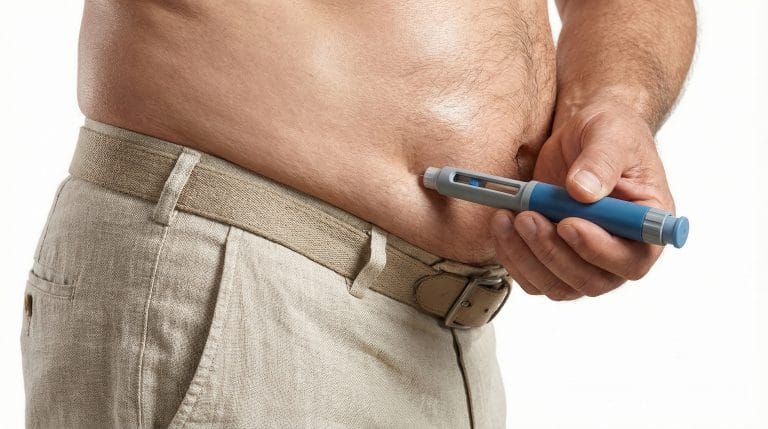
Priming means dialing a small test amount and pressing the pen button until insulin appears at the needle tip. This step clears air, fills the needle pathway, and confirms the pen is flowing before the intended dose.
If you do not prime an insulin pen, early button presses may move air instead of insulin. That can lead to an incomplete dose or a delayed start of insulin flow. A blocked needle, empty cartridge, loose needle, or misloaded cartridge can also stop flow. Follow your device instructions for the exact priming amount.
A typical pen sequence includes inspecting the cartridge, loading it into the holder, attaching a new needle, priming, dialing the dose, injecting as taught, and holding the button down for the recommended time. The hold time lets the dose finish passing through the needle. Your clinic may provide a model-specific handout if you need a how to use insulin pen step-by-step pdf.
Never share insulin pens, cartridges, or needles, even with a changed needle. Blood can enter the pen or cartridge system and create an infection risk. For general pen handling, the American Diabetes Association provides patient education on how insulin pens are used.
Cartridge Changes, Storage, and Disposal
An insulin pen cartridge change should be planned before the cartridge runs empty. Work on a clean, dry surface with good lighting. Remove the old cartridge as instructed, inspect the new one, load it into the pen, attach a new needle, and prime again before dosing.
Storage rules protect insulin potency. Unopened insulin is commonly stored refrigerated, while in-use insulin may have product-specific room-temperature limits. Do not freeze insulin. Keep it away from direct heat, sunlight, and car glove compartments. If insulin has been exposed to unsafe temperatures, looks unusual, or has particles when it should be clear, ask a pharmacist or prescriber before using it.
Travel adds extra risks. Keep insulin with you rather than in checked luggage when flying, since extreme temperatures can occur in cargo areas. Carry labels or prescription documentation when possible. A backup pen, cartridge, needles, and glucose monitoring supplies can reduce disruption if equipment fails.
Used pen needles should go into a puncture-resistant sharps container. Local rules differ, so check community disposal options before the container is full. The FDA explains safe household practices for sharps disposal containers and needle safety.
Quick tip: Keep the cartridge box until the cartridge is finished.
Cartridges Compared With Vials and Pump Reservoirs
The main difference between an insulin cartridge and a vial is how insulin leaves the container. A vial is accessed with a syringe or used to fill certain pump reservoirs. A cartridge is built for a compatible pen mechanism.
With syringes, users draw insulin manually and read barrel markings. With pens, users dial units on the device. This is why insulin pen vs syringe units can feel confusing during a switch. The unit itself is not changed, but the way you set and confirm the dose is different.
Pump reservoirs are another category. They hold insulin for an insulin pump and connect to infusion tubing or a patch system. They should not be confused with pen cartridges unless the manufacturer specifically describes a compatible system. Each device has separate filling, wear-time, and safety instructions.
Cartridges may suit people who want a refillable injection pen and a compact daily setup. Vials may suit people using syringes, pumps, or specific dosing workflows. The right choice depends on the prescribed insulin, dosing pattern, manual dexterity, vision, training, and access.
Choosing a Cartridge-Based Pen System
Choosing a cartridge system starts with the insulin your prescriber selected. The pen is only useful if it accepts that cartridge and delivers the required dose increments. It should also be comfortable enough for repeated use.
Consider the dose window size, button resistance, audible clicks, maximum single dose, and how easily you can change the cartridge. Some devices include memory features or last-dose indicators. These may help some users track injections, but they do not replace a written or digital medication plan.
People comparing names of insulin pens for type 2 diabetes may see both reusable and disposable options. Rather than looking for the best insulin pen for type 2 diabetes in general, focus on the pen that matches your insulin and your ability to use it safely. The same approach applies for people using insulin pens for type 1 diabetes.
CanadianInsulin.com is a prescription referral platform, and prescription details may need confirmation with the prescriber where required. Dispensing and fulfilment are handled by licensed third-party pharmacies where permitted. That access context does not replace medical review, but it can help explain why accurate product names and prescription details matter.
Authoritative Sources
- American Diabetes Association insulin pens: patient education on pen types and use.
- FDA sharps disposal containers: safe handling and disposal information for home use.
- MedlinePlus insulin injection instructions: general patient instructions for insulin injection technique.
Recap
Insulin cartridges are refill components for compatible pen devices. They can support portable, measured dosing, but they require correct matching, priming, storage, and needle disposal. The most important step is confirming that the cartridge, pen, insulin concentration, and prescription all align.
If you are changing devices or moving from vials to cartridges, ask for a hands-on demonstration. Bring your pen, cartridge, needles, and glucose supplies to the appointment if possible. Small setup errors can be easier to fix before they become part of your routine.
This content is for informational purposes only and is not a substitute for professional medical advice.