Weight loss with Saxenda is usually gradual, not dramatic at the start. Saxenda is the brand name for liraglutide, a GLP-1 receptor agonist, which is a medicine class that can reduce appetite, increase fullness, and support longer-term weight management when it is paired with food, movement, sleep, and behavior changes. The key question is not only how much the scale moves, but whether the medicine is tolerable, safe for you, and still fits your overall care plan.
If you are sorting through mixed online claims, start with the basics. This page explains how the medicine works, what early progress may look like, why belly fat is not treated separately, how it compares with newer options, and which warning signs deserve medical review. For broader background, this Saxenda Basics explainer can help.
Key Takeaways
- Saxenda can support appetite control, but results are usually gradual.
- The first month often shows adjustment more than a final weight-loss pattern.
- No medicine removes belly fat from one specific area.
- Side effects matter as much as the number on the scale.
- If progress is limited, a full treatment review is more useful than guessing.
How This Medication Supports Weight Management
Saxenda works mainly by reducing hunger and helping you feel full sooner. It contains liraglutide, which mimics a natural gut hormone involved in appetite and stomach-emptying signals. In simple terms, it may make portions feel more satisfying and help lower constant urges to eat for some people.
That does not make it a fat burner. The medicine does not target one body part, and it does not replace everyday factors such as meal pattern, protein and fiber intake, sleep, stress, alcohol use, or activity. That is why clinicians usually judge response by looking at the whole picture, not by treating the injection as a stand-alone fix.
It also helps to separate appetite from metabolism. Some people feel less hungry within days, but their weight does not change much at first. Others notice that they can stop eating earlier but still struggle with snacking, liquid calories, or comfort eating. The medication can support better control, but it does not erase environmental and emotional triggers around food.
Because treatment is commonly started gradually, the first phase may be more about finding a tolerable routine than chasing fast results. If you want wider context on this drug class, see GLP-1 Drugs for Weight Loss. If you need item-level context, see Saxenda 6 mg/mL.
Where needed, prescription details may be confirmed with the original prescriber.
What Weight Loss With Saxenda Usually Looks Like
Results are usually judged over months, not days. Some people notice less appetite or smaller portions in the first few weeks, while others mainly notice nausea, fullness, or bowel changes before the scale moves much. Early progress can also look uneven because fluid shifts, menstrual cycles, constipation, and meal timing can change body weight from week to week.
When people ask how much they might lose in a month, the safest answer is that there is no guaranteed amount. A small early drop can still be meaningful if appetite control is improving and side effects stay manageable. A dramatic first-month change is not the standard to judge whether the medicine has long-term value.
Another reason early numbers can mislead is that the first month is often a setup period. You are learning whether the routine is realistic, whether meals feel different, and whether symptoms such as nausea or constipation are mild, moderate, or disruptive. In practice, those details often predict success better than one fast weigh-in.
Why it matters: Fast expectations can make a useful treatment look ineffective too soon.
Does It Target Belly Fat?
No. Saxenda does not selectively remove belly fat. Like other long-term weight management medicines, it can support overall weight reduction, and your body decides where fat is lost first. Some people notice waist changes early. Others lose weight from the face, hips, or thighs before the abdomen changes much. That variation is normal.
A better way to track progress is to look at several markers together: scale trend, waist measurement, hunger level, portion size, energy, and how easy it feels to follow your meal pattern. This overview on Diet and Weight Loss adds useful context on how eating habits can shape results.
Why Progress Can Slow or Stall
A plateau does not always mean the medicine has stopped working. Weight change often slows after the first phase of any plan because the body adapts, routines loosen, or side effects make eating patterns less structured than they seem.
Common reasons include inconsistent use, frequent high-calorie drinks, grazing past fullness, reduced protein intake, poor sleep, rising stress, low activity, constipation, or other medicines that affect appetite or weight. Sometimes the main issue is that a person feels less hungry but still gets most calories from energy-dense foods that do not create much fullness.
It is also possible to misread reduced appetite. Eating less at one meal can be offset by evening snacking, sweet drinks, alcohol, or skipped meals that rebound into larger portions later. For that reason, a stalled scale does not automatically mean the medicine failed. It may mean the routine around it needs a closer look.
If progress is slow, avoid judging one week in isolation. Review trends over several weeks, along with hunger, meal timing, hydration, bowel habits, and tolerance. If the medicine still causes bothersome symptoms or has not produced meaningful overall benefit, that is a discussion point with the prescriber, not a signal to improvise changes on your own.
Quick tip: Track hunger, waist size, and side effects alongside weight.
Safety, Side Effects, and Review Points
Most problems people report with Saxenda are gastrointestinal. Nausea, vomiting, diarrhea, constipation, reflux, bloating, and reduced appetite are common reasons people pause or stop treatment. These effects can improve over time, but not always.
Loss of appetite can help with portion control, but it can also go too far. If you are eating very little, drinking less because you feel full, or avoiding meals due to nausea, the treatment may be working against your overall health. Dehydration, weakness, dizziness, and worsening constipation can follow.
Meal size and pace can shape how symptoms feel. Large meals, greasy foods, fast eating, and low fluid intake often make nausea or reflux harder to manage. That does not mean every symptom is minor, though. Persistent problems deserve review, especially if they interfere with work, sleep, hydration, or regular eating.
Some situations deserve extra caution. A history of pancreatitis, gallbladder disease, severe digestive symptoms, pregnancy planning, or certain thyroid cancer syndromes should be reviewed carefully before or during treatment. The official prescribing information also carries a boxed warning about thyroid C-cell tumors seen in rodents, which is why personal or family history matters here.
When To Seek Prompt Medical Review
Seek urgent advice if you develop severe or persistent abdominal pain, repeated vomiting, fainting, signs of dehydration, trouble breathing, swelling of the face or throat, or symptoms that feel rapidly worse. These are not issues to watch casually at home.
If you have seen posts asking whether Saxenda was taken off the market, treat that claim carefully. Shortages, regional supply changes, insurance exclusions, and local availability problems are not the same as a universal safety withdrawal. Market status can also change by country and over time, so current official sources matter more than old forum threads.
How It Compares With Other Options
Saxenda is one option in a larger field of obesity medicines. Comparing it with newer drugs can be useful, but the better question is which treatment fits the condition, side-effect profile, dosing schedule, prior response, and the overall care plan.
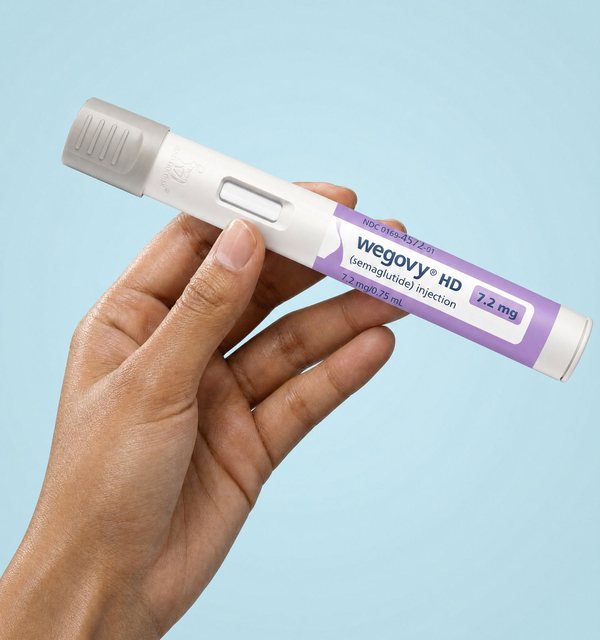
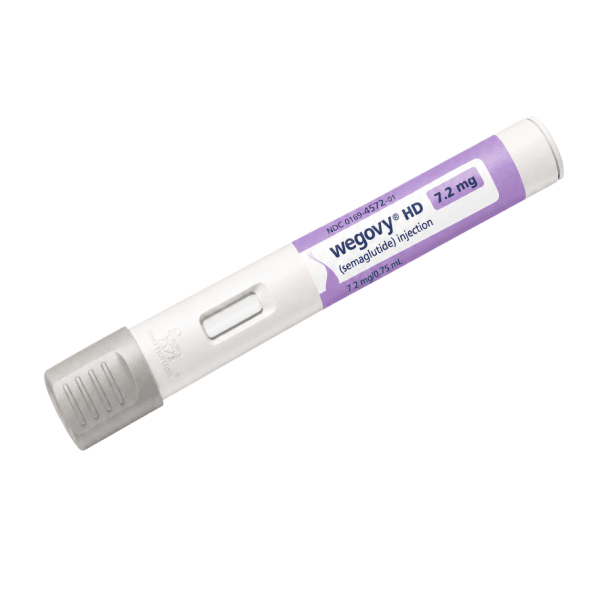
That is why the common stronger-than question can be misleading. Saxenda contains liraglutide and is used in chronic weight management. Ozempic contains semaglutide and is approved for type 2 diabetes, while Wegovy is the semaglutide brand used for chronic weight management. These medicines are related, but they are not interchangeable by name alone, and weekly versus daily dosing can change the experience as much as the drug itself.
Newer is not automatically better for every person. Some adults care most about convenience. Others care most about side effects, insurance rules, prior response, diabetes status, or whether they want to stay within a familiar treatment class. That is why careful comparisons matter more than broad claims.
If you want a deeper read, these pages on Saxenda vs Wegovy, Saxenda vs Ozempic, and Tirzepatide vs Semaglutide explain where the main differences sit.
| Option | Main distinction | Why readers compare it |
|---|---|---|
| Saxenda | Daily liraglutide injection | Older GLP-1 option for long-term weight management |
| Wegovy | Weekly semaglutide injection | Often compared for convenience and treatment fit |
| Other weekly options | Different drug profiles and schedules | Compared when response, tolerance, or access changes |
For a wider look at decision factors, see Best Injection Options. That broader view is often more useful than focusing on one brand-to-brand claim.
Dispensing may be handled by licensed third-party pharmacies where regulations allow.
Practical Questions Before Starting or Reassessing Treatment
The most useful next step is a structured review. If you are considering this treatment, or wondering whether to stay on it, focus on the questions that affect safety, tolerability, and real-world progress rather than chasing online averages.
- What counts as progress: Look at trends, not single weigh-ins.
- How is appetite changing: Less hunger should not mean under-eating.
- Are side effects manageable: Ongoing nausea can outweigh benefits.
- What else affects weight: Sleep, alcohol, stress, and other medicines matter.
- Is the plan realistic: Daily injections and follow-up need to fit life.
- What is the backup plan: Review alternatives if response or tolerance is poor.
Bring a short record to any review: weight trend, waist change, side effects, meal pattern, other medicines, and anything that changed recently. Even a simple two-week note is often more useful than memory alone.
If you are weighing alternatives, the Weight Management Hub is a useful place to continue reading. It helps put this medicine into the wider context of obesity care rather than treating one injection as the whole story.
Some patients explore cash-pay or cross-border fulfilment when rules and eligibility allow.
For many adults, weight loss with Saxenda makes the most sense when the decision is revisited over time. The main checkpoints are simple: Are you eating enough to stay well, are side effects tolerable, is the weight trend moving in the right direction, and does another option make more sense now?
Authoritative Sources
- See the FDA prescribing information for Saxenda.
- For a plain-language drug summary, review MedlinePlus information on liraglutide injection.
- For broader obesity-treatment context, read NIDDK guidance on prescription weight-loss medications.
In short, weight loss with Saxenda is possible, but the pattern is usually gradual and individual. The best way to judge it is through overall trend, tolerability, and fit with your long-term plan rather than a single month or a single number.
This content is for informational purposes only and is not a substitute for professional medical advice.