
Alcohol and insulin resistance are connected mainly through the liver, drinking pattern, and diabetes medication risk. Alcohol can lower blood sugar for several hours after drinking, especially with insulin or sulfonylureas. Heavy or binge drinking may also worsen metabolic health over time by affecting sleep, weight, triglycerides, liver fat, and glucose regulation.
The most useful question is not whether one drink always harms insulin sensitivity. It is whether your usual pattern, food intake, medicines, and health history make drinking more risky for you.
Key Takeaways
- Pattern matters: Heavy or frequent drinking is more concerning than occasional light use.
- Liver effects matter: Alcohol can reduce the liver’s glucose release for hours.
- Medication risk changes: Insulin and sulfonylureas can raise hypoglycemia risk with alcohol.
- Research is mixed: Moderate intake findings do not make alcohol a treatment.
- Planning helps: Food, monitoring, sleep, and safe support all affect risk.
How Alcohol and Insulin Resistance Are Connected
Insulin resistance means the body does not respond to insulin as strongly as expected. Muscle, fat tissue, and the liver may need more insulin to move glucose out of the blood or manage stored energy. Over time, this can contribute to higher fasting glucose, higher HbA1c, and type 2 diabetes risk.
Alcohol affects this system because the liver has several jobs at once. It processes alcohol, stores glycogen, releases glucose between meals, and helps regulate fats. When alcohol enters the bloodstream, the liver prioritizes breaking it down. During that time, it may release less glucose than usual.
This short-term effect can lower blood sugar, especially when drinking happens without food. It can also become more serious when alcohol is combined with insulin, sulfonylureas, exercise, missed meals, or low-carbohydrate intake. For background on how insulin resistance differs from diabetes, see Insulin Resistance vs Diabetes.
The long-term picture is different. Heavy alcohol use can add calories, disrupt sleep, raise triglycerides, and contribute to liver fat. These changes may make insulin resistance worse in some people. They can also make glucose patterns harder to predict.
What Happens to Blood Sugar After Drinking
Alcohol and blood sugar can move in different directions depending on the drink, food, and timing. Sweet cocktails, regular beer, ciders, dessert wines, and sugary mixers can raise glucose because they contain carbohydrates. A large meal or refined-carbohydrate snack eaten with alcohol can also push glucose higher.
Later, glucose may fall. This delayed drop can happen because the liver is focused on processing alcohol instead of releasing glucose. The effect may appear after the social event, during sleep, or the next morning.
Symptoms can overlap in a dangerous way. Sweating, shaking, confusion, slurred speech, dizziness, and sleepiness may come from alcohol, low glucose, or both. A person with low blood sugar may be mistaken for someone who is intoxicated.
Why it matters: Delayed hypoglycemia can be missed when symptoms look like intoxication.
General safety steps often include eating before drinking, avoiding alcohol on an empty stomach, carrying fast-acting carbohydrate if advised, and checking glucose when symptoms are unclear. People using continuous glucose monitors should remember that sensor readings can lag behind blood glucose during fast changes.
If you compare glucose readings from labels, devices, or lab reports, a unit converter can help. It converts blood glucose values between mg/dL and mmol/L, but it does not interpret whether a reading is safe for your situation.
Blood Glucose Unit Converter
Convert glucose readings between mg/dL and mmol/L without changing the clinical value.
These calculations are for education only and do not replace clinical advice, diagnosis, or treatment. Always confirm medical decisions with a qualified healthcare professional.
Seek urgent help for severe confusion, seizure, fainting, repeated vomiting, trouble breathing, or a low glucose reading that does not improve after following your prescribed hypoglycemia plan. For emergency context, see Lower Blood Sugar in an Emergency.
Moderate Drinking, Heavy Drinking, and Insulin Sensitivity
Moderate drinking and heavy drinking are not the same exposure. Some observational studies have linked moderate intake with lower fasting insulin or lower type 2 diabetes risk in selected groups. These findings do not prove that alcohol improves health, and they do not apply to everyone.
Alcohol and insulin resistance research is difficult to interpret because drinking habits cluster with other factors. Diet, income, body weight, activity, smoking, sleep, and healthcare access can all affect results. People who avoid alcohol may also include former heavy drinkers, which can complicate comparisons.
Heavy drinking is more consistently concerning. It may contribute to fatty liver, higher triglycerides, inflammation, weight gain, and poorer sleep. Since the liver plays a central role in fasting glucose control, liver strain can affect morning glucose and overall insulin response.
Binge drinking also matters. A person may drink only on weekends but still take in a large alcohol load. This pattern can increase injury risk, dehydration, missed meals, poor sleep, and glucose variability. It may also reduce the chance of responding quickly to hypoglycemia.
If you do not drink, there is no medical reason to start for blood sugar control. If you already drink, the safer question is whether your pattern increases risk in your own situation. People who drink heavily or feel unable to cut down should ask a clinician about support, because withdrawal can be medically risky for some.
Does Quitting Alcohol Improve Insulin Resistance?
Quitting or reducing alcohol may improve some factors that influence insulin resistance, but the effect varies. People who drink heavily may notice better sleep, fewer late-night calories, more consistent meals, improved medication routines, or better liver markers after reducing intake. Those changes can support steadier glucose patterns.
Short breaks from alcohol may also help some people see how drinking affects appetite, morning glucose, exercise consistency, and sleep quality. However, a brief abstinence period does not diagnose insulin resistance or prove that alcohol was the only driver.
For people with prediabetes or diabetes, lab testing gives a clearer picture than symptoms alone. A clinician may review fasting glucose, HbA1c, lipids, liver enzymes, blood pressure, waist measurement, and medication history. If insulin resistance is the main concern, Insulin Resistance Medications explains how medication discussions may fit into broader care.
Do not stop prescribed diabetes medicines because you reduce alcohol. Medication changes should be handled with the prescribing clinician, especially if your glucose readings change.
Beer, Wine, Spirits, and Mixers Are Not Equal
The type of drink can change the immediate glucose response, but the total pattern still matters most. Beer often contains carbohydrates. Sweet wines, liqueurs, ciders, and mixed drinks can contain significant sugar. Straight spirits contain little carbohydrate, but they still contain alcohol and can still affect the liver.
Wine is sometimes discussed in relation to insulin sensitivity because some studies have separated wine from other alcoholic drinks. That does not prove wine is protective for an individual person. It also does not remove alcohol-related risks, including impaired judgment, falls, sleep disruption, and medication interactions.
Portion size is a common blind spot. Home pours may be larger than a standard serving. Cocktails may include more than one serving of alcohol. A drink that seems moderate can become a higher exposure when refills are frequent or measurements are loose.
Quick tip: Check serving size and mixer sugar before focusing on alcohol type.
Food choices matter too. Drinking with a balanced meal may reduce the risk of drinking on an empty stomach. Still, high-calorie snacks and late-night meals can raise total energy intake. For broader context on sugar choices and glucose patterns, see Diabetes and Sugar.
When Alcohol Is Riskier With Diabetes Medicines
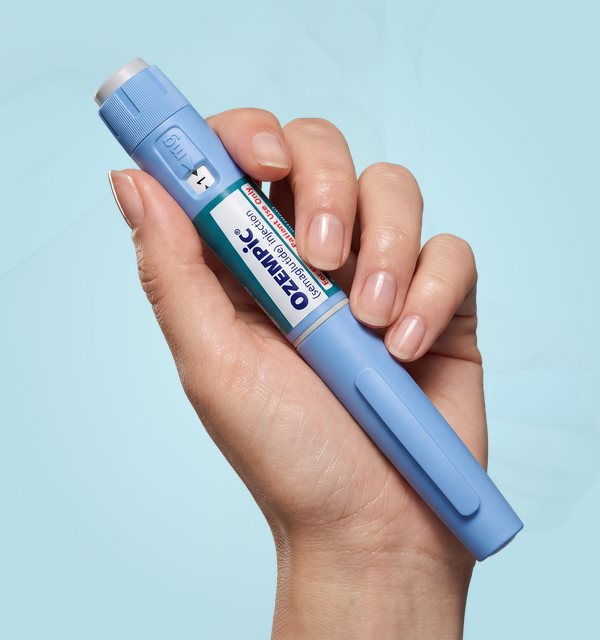
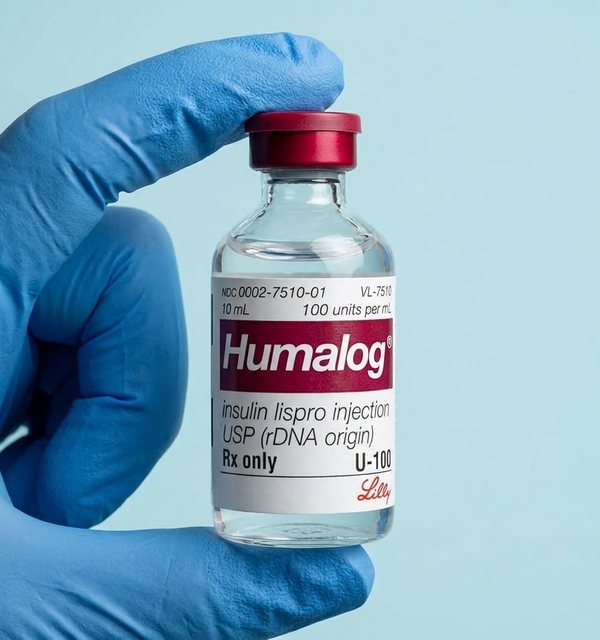
Alcohol and diabetes medicines need extra caution because some treatments can lower glucose. The highest concern is hypoglycemia, or low blood sugar, with insulin and medicines that stimulate insulin release. Sulfonylureas are one example.
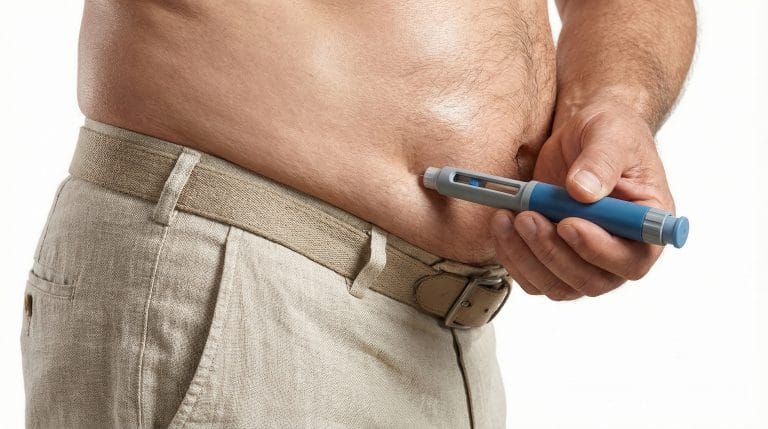
People who use insulin should not change doses based on a general article. Instead, ask the prescribing clinician how alcohol fits into your treatment plan. That discussion may include food timing, glucose checks, overnight risk, exercise, and what others should do if severe hypoglycemia occurs.
Some oral diabetes medicines also require caution. Medication labels may warn against excessive alcohol use, especially with dehydration, liver disease, kidney disease, or acute illness. People taking several medicines should ask a pharmacist or prescriber about interactions. This includes non-diabetes medicines, such as some antibiotics or sedating drugs.
For one medication-specific example, Glimepiride and Alcohol discusses why sulfonylurea-related low glucose risk deserves planning. People comparing monitoring tools may also review product information for devices such as the Contour Next Meter, while confirming testing plans with their care team.
Alcohol can also affect self-management. It may lead to missed doses, missed meals, less accurate carbohydrate counting, or delayed response to symptoms. These practical issues often matter as much as the direct metabolic effects.
Early Clues That Insulin Resistance May Be Present
Insulin resistance often has no obvious symptoms at first. Many people learn about it through blood tests, such as fasting glucose, HbA1c, fasting insulin in selected settings, or lipid results. A clinician may also consider blood pressure, waist measurement, family history, and other metabolic risk factors.
Possible clues include elevated triglycerides, low HDL cholesterol, higher blood pressure, increased waist circumference, and dark, velvety skin patches called acanthosis nigricans. Some people also have polycystic ovary syndrome, fatty liver, sleep apnea, or a strong family history of type 2 diabetes.
If alcohol and insulin resistance are both concerns, testing gives more useful information than symptoms alone. Ask which labs are appropriate and how often to repeat them. This is especially important with prediabetes, type 2 diabetes, liver disease, pancreatitis history, pregnancy, kidney disease, or repeated high or low glucose readings.
Readers looking for broader diabetes education can browse the Diabetes Article Hub or the Type 2 Diabetes Article Hub. Condition and product collections, such as Type 2 Diabetes Products, are navigation resources rather than a substitute for medical guidance.
Questions to Ask Before Drinking With Diabetes or Prediabetes
A short planning conversation can reduce avoidable risk. The right questions depend on your medicines, glucose history, liver health, and drinking pattern. Use these prompts as discussion starters, not as individualized advice.
- Medication risk: Could my treatment increase low glucose risk with alcohol?
- Food timing: Should I avoid drinking unless I have eaten?
- Monitoring plan: When should I check glucose after drinking?
- Overnight safety: How should I handle delayed lows?
- Activity effects: Does exercise change my alcohol-related risk?
- Liver health: Do my lab results make alcohol unsafe?
- Support needs: What help is available if cutting down is difficult?
Some people mention a 20-minute rule for alcohol. This is usually a pacing idea, not a diabetes treatment rule. It may mean waiting between drinks to notice alcohol’s effects before deciding whether to continue. For low blood glucose, follow the hypoglycemia plan your clinician gave you rather than relying on a pacing rule.
People with repeated lows, severe highs, pregnancy, kidney disease, gastroparesis, eating disorders, or a history of pancreatitis should get individualized guidance before using general alcohol advice.
Where Alcohol Fits in Type 2 Diabetes Prevention
Alcohol is only one part of type 2 diabetes risk. Sleep, physical activity, nutrition, body weight, family history, smoking, stress, medications, and liver health also matter. Focusing only on alcohol can miss the wider pattern.
For someone with prediabetes or early insulin resistance, consistency is often the most useful target. Regular meals, enough protein and fiber, planned activity, and sleep routines can support steadier glucose patterns. Reducing heavy alcohol use may make those habits easier to maintain.
Alcohol and insulin resistance are most important to discuss when there is medication-related hypoglycemia risk, liver disease, rising HbA1c, or repeated glucose swings. Bring your usual drinking pattern, medicines, glucose readings, and recent lab results to your next appointment. That gives your clinician or registered dietitian better information than a simple yes-or-no question about alcohol.
Authoritative Sources
- American Diabetes Association guidance on alcohol and diabetes discusses low blood glucose risk and safety planning.
- NIDDK overview of insulin resistance and prediabetes explains insulin resistance, risk factors, and testing context.
- Systematic review on alcohol and insulin sensitivity summarizes research on moderate consumption, fasting insulin, and HbA1c.
Alcohol can affect blood sugar in the short term and metabolic health over time. The safest approach is individualized, especially if you use glucose-lowering medicine, have liver disease, or have diabetes-related complications.
This content is for informational purposes only and is not a substitute for professional medical advice.